


 Polski
  English (UK)
  Русский
  বাংলা
বাংলা  العربية
  日本語
日本語  한국어
한국어  Magyar
  Norsk nynorsk
  Türkçe
  עִבְרִית
  Español
  Čeština
  Svenska
  Português
  Ελληνικά
  Suomi
Suomi  Nederlands
  Română
  Italiano
  Français
  Українська
  Deutsch
  简体中文
简体中文  Slovenčina
  Српски језик
  اردو
اردو  Azərbaycan dili
  O‘zbekcha
  አማርኛ
አማርኛ 

New England, with its stunning landscapes and diverse ecosystems, offers an exciting opportunity for visitors to immerse themselves in nature. This region is home to a network of protected areas designed to preserve the rich flora and fauna that thrive here. From the tranquil waters of lakes and rivers to the striking heights of granite hills, these locations provide plenty of options for outdoor enthusiasts. Whether you’re interested in a peaceful walk through the glens or an adventurous kayak trip across kettle ponds, New England has something for everyone.
The ultimate goal of these protected areas is to ensure that future generations can enjoy the same breathtaking views and wildlife encounters that today’s visitors cherish. Families can take advantage of guided tours offered by family-owned businesses that provide quality experiences tailored for all ages. These tours often vary from gentle strolls to more intense hiking excursions, making it easy to find the right pace for your group.
In this article, we will explore several sections of New England’s protected spaces, highlighting the unique features and conditions that each area presents. From the lush forests that flush with color during the fall to the serene landscapes of reserved parks, discover the hidden gems that await you. You’ll also learn about the local wildlife, such as coyotes and trout, and how to respectfully engage with these creatures while capturing the perfect shot for your camera.
As you explore this striking region, remember to plan ahead, as some areas may have closures or restrictions based on seasonal conditions. Prepare for an unforgettable experience, whether you’re heading southward to the charming towns or venturing into the wilderness. New England’s protected areas are not just a competition for your attention; they are a celebration of the natural world that deserves our respect and preservation.
Understanding New England’s Protected Areas
New England’s protected areas comprise a diverse array of environments that vary from steep mountains to flat coastal regions. These areas, which include national parks, state forests, and wildlife refuges, provide numerous opportunities for outdoor activities such as hiking, kayaking, and camping. In locations like Franconia Notch and Pawtuckaway, visitors can enjoy the astonishing backdrop of nature while engaging in recreational pursuits.
The region is home to hundreds of protected sites, each with unique features. For instance, in Essex County, quaint towns like Woodstock offer scenic walks along wooded trails, while vast ponds and wetlands provide habitats for local wildlife. The routes through these areas are designed for both casual strolls and more vigorous hikes, ensuring that there’s a suitable option for everyone.
Public amenities, including restrooms and well-prepared camping facilities, are often available, making visits more comfortable especially for families. Along the coastline, which extends into the Atlantic, there are plenty of opportunities to enjoy water activities while soaking in breathtaking views of the surroundings.
Many of these protected areas also carry cultural significance. For example, Saint-Gaudens National Historical Park features historical buildings and monuments that highlight the artistic heritage of the region. Additionally, some parks run educational programs that promote understanding of the unique ecosystems present in New England.
Walking through these areas allows you to experience the flora and fauna up close, as each path and glen reveals the natural beauty of the region. From the vibrant reds of autumn foliage to the lush greens of summer, New England’s protected areas are a testament to the importance of conservation. If you’re planning a trip, consider checking articles and resources available at nps.gov for the latest information and tips on visiting.
What Defines Protected Areas in New England?
Protected areas in New England are designated spaces that prioritize the preservation of natural ecosystems, wildlife habitats, and scenic landscapes. These areas, which include national parks, state parks, and conservation lands, serve as shelters for countless species, including moose, deer, and coyotes. Their management is crucial in maintaining biodiversity and ensuring that these habitats remain pristine and undisturbed.
Located throughout the region, from the Appalachian Mountains to the coastal shores of Provincetown, these areas allow visitors to engage with nature. Activities such as hiking, kayaking, and leaf-peeping bring families and individuals closer to the environment, all while helping to monitor the health of these unique ecosystems. Many parks are family-owned or supported by community organizations, emphasizing the united efforts to maintain the integrity of the land.
The popularity of New England’s protected areas is partially due to their accessibility; shuttle services and rental stations provide easy access for passengers wanting to explore the diverse terrain without the congestion of urban areas. For instance, during specific seasons, you’ll find plenty of picturesque spots ideal for a leisurely stroll or a scenic boat ride on nearby rivers.
Moreover, these spaces often feature quaint shacks and local vendors offering delicious food, allowing visitors to indulge while enjoying breathtaking backdrops. However, there are cons to consider, such as the potential for overuse in heavily trafficked locations, prompting the need for ongoing analysis and management strategies. The goal is to ensure the balance between recreation and conservation is maintained, so the natural beauty of New England can be appreciated for generations to come.
Key Regulations Governing Conservation Efforts
In New England, regulations governing conservation efforts play a critical role in preserving the region’s stunning landscapes and natural habitats. Laws are designed to make the protection of these environments a priority, ensuring that areas like Acadia National Park and the Marsh-Billings-Rockefeller National Historical Park remain veritable sanctuaries for wildlife and plant species. These regulations focus on maintaining the health of ecosystems while also providing amenities for visitors, such as restrooms and campsites.
One critical aspect of these laws is the protection of lesser-known sites, which might otherwise be overlooked in favor of more popular destinations. These regions, such as the scenic landscapes near Saint-Gaudens or the serene valleys of Portsmouth, often hold unique ecological value that deserves attention. A salient example includes the recognition of cultural landscapes that reflect historical significance alongside their natural beauty.
Protected areas are strategically situated, facilitating a broader conservation strategy that includes designated corridors for wildlife and ecological management zones. Regulations often require conducting environmental assessments prior to any development, particularly in regions where the density of human activity may impact fragile ecosystems, like those found along I-93 or in rural Maine. In contrast, public access remains a priority, and sites provide additional amenities for users to enjoy nature without compromising its integrity.
Education about conservation is also emphasized, with educational programs and materials such as maps and guides available. Visitors are encouraged to embark on trails, stroll through the grasslands, and engage with natural settings in a manner that fosters respect for their surroundings. As much as dreaming of exploring these areas inspires individuals, it is the collaborative effort of regulations and community engagement that truly protects the natural world.
Temporary measures may be instituted, like seasonal fire bans during high-risk times to protect vegetation and wildlife from uncontrolled blazes. Such initiatives reflect the dynamic nature of conservation laws, adapting to changing environmental conditions while providing reliable frameworks for the future. By prioritizing conservation with a focus on sustainable practices, New England aims to safeguard its natural heritage for future generations who will also wish to lean into the beauty that originally captivated so many.
The Role of Local Communities in Conservation
Local communities play a crucial role in the conservation of New England’s stunning landscapes and protected areas. Families and groups are often at the forefront of initiatives that protect these pristine spots from the pressures of modern development. By engaging in specific activities, they contribute to preserving the natural beauty and biodiversity that these regions offer.
Throughout the summers, towns like Holyoke and Truro organize events that promote awareness about local conservation efforts. Activities such as canoeing along the rolling rivers or camping in parks like Park Rollins allow residents to witness the stunning scenery while fostering a connection to the land. These experiences encourage individuals to prefer sustainable activities that avoid harming the environment.
| Community Activity | Opis | Impact |
|---|---|---|
| Canoeing | Guided tours along local rivers | Fosters appreciation for waterways |
| Family Events | Organized activities in parks | Promotes conservation awareness |
| Photography Walks | Documenting local flora and fauna | Spreads information through social media |
| Wycieczki historyczne | Exploring landmarks and historical segments | Presents cultural significance of conservation |
Community members often make decisions that allow for the sustainable operation of resources while engaging in recreational activities that enhance fitness and well-being. The popularity of events like tree planting or clean-up drives emphasizes the essence of community involvement in conservation efforts. Each small action contributes to a collective impact that can change the landscape of conservation in New England.
Beyond physical activities, communities often collaborate with organizations such as Fodor’s family of travel guides, to highlight conservation hotspots, like the Trestle at I-93, urging others to explore these peaceful areas. By sharing photos and stories, they inspire travel to regions that are not only beautiful but also vital for our planet’s health.
In conclusion, local communities are the backbone of conservation in New England. Their genuine connection to the land and dedication to preserving its beauty ensure that future generations will be able to enjoy the same stunning scenery, making the area a true resort for nature lovers. Each effort they undertake, no matter how little, contributes to a larger movement toward sustainability and preservation.
Top National Parks and Wildlife Refuges
New England is home to some of the most stunning national parks and wildlife refuges, each providing a unique atmosphere for nature lovers. From the tallest mountains to the low-impact rivers, these areas are perfect for recreational activities while preserving the natural essence of the landscape. One must-visit site is the White Mountain National Forest in New Hampshire, which features beautiful scenic drives, plentiful hiking trails, and exceptional observing opportunities at various peaks, including the famous Mount Washington.
Kolejnym ukrytym klejnotem jest Park Narodowy Acadia in Maine. This park extends along the rugged coastline and provides a perfect backdrop for kayaking, biking, and horseback riding. Visitors seeking solitude can find scenic lean-tos and low-traffic sections to truly connect with nature. In October, the vibrant colors of the foliage make this park a favorite among those wanting to capture unforgettable memories.
Vermont’s wildlife refuges, such as the Missisquoi National Wildlife Refuge, take pride in protecting native fish and wildlife. It provides a hands-on experience for fish enthusiasts and bird watchers while ensuring that activities are permitted under low-impact guidelines. Visitors often enjoy fishing and observing a variety of native species in their natural habitat.
The Nature Conservancy w Massachusetts to kolejna oficjalna strona poświęcona ochronie przyrody. Wyznaczone obszary i malownicze odcinki są idealne dla rodzin poszukujących edukacyjnych doświadczeń w zakresie dbałości o środowisko. Dostępne przewodniki oferują wgląd w unikalne ekosystemy występujące na tych chronionych obszarach.
W końcu, Punkt widokowy Corey Hill w Dixville oferuje spektakularne widoki na okoliczne doliny i góry, co czyni go doskonałym miejscem dla entuzjastów fotografii. Odwiedzający mogą dojechać samochodem do punktu widokowego, co zapewnia wygodny dostęp podczas podziwiania orzeźwiających wiatrów tego obszaru.
Każdy z tych parków i rezerwatów ilustruje sedno nowoangielskiego zaangażowania w ochronę dzikiej przyrody i naturalnego piękna. Zaplanuj z wyprzedzeniem i koniecznie zwiedź te wyjątkowe miejsca, które obiecują niezapomniane wrażenia i głęboką więź z ziemią.
Najciekawsze atrakcje Parku Narodowego Acadia
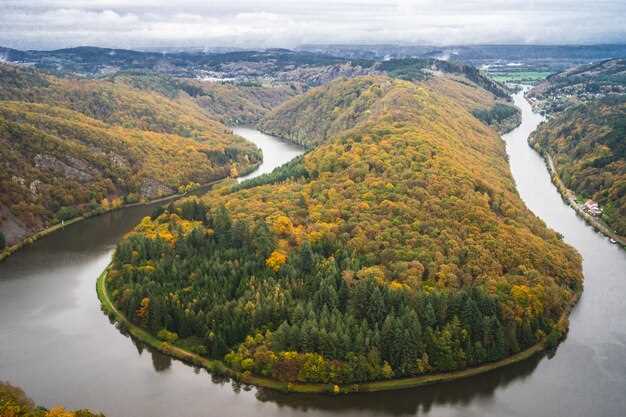
Park Narodowy Acadia, położony w stanie Maine, to oszałamiający klejnot, który prezentuje naturalne piękno i różnorodne ekosystemy północno-wschodnich Stanów Zjednoczonych. Rozciągający się na ponad 19 000 hektarów park jest obowiązkowym punktem dla miłośników przyrody i entuzjastów spędzania czasu na świeżym powietrzu.
- Trasy widokowe: Acadia oferuje rozległą sieć tras, w tym słynną Park Loop Road, która zapewnia zapierające dech w piersiach widoki na wybrzeże Atlantyku, strzeliste granitowe klify i spokojne lasy.
- Szlaki piesze: Park ten jest domem dla blisko 193 kilometrów szlaków pieszych, od łatwych spacerów po wymagające wspinaczki. Popularne trasy, takie jak Jordan Pond Path i Cadillac Mountain, dają możliwość doświadczenia oszałamiającej flory i fauny parku.
- Obserwowanie dzikiej przyrody: Acadia to ostoja dla różnorodnej fauny. Miej oczy szeroko otwarte, wypatrując gatunków takich jak ptaki, kojoty i różne ryby słodkowodne. Sezonowe migracje ptaków czynią to miejsce idealnym dla obserwatorów ptaków.
- Możliwości połowu ryb: Dzięki przejrzystym wodom, Acadia jest idealna do wędkowania. Wędkarze mogą cieszyć się dreszczem emocji podczas łowienia pstrągów w licznych stawach i strumieniach parku. Pamiętaj, że wymagane są pozwolenia na wędkowanie, a niektóre obszary są objęte zakazem wędkowania.
- Centra Obsługi Odwiedzających: Park oferuje schroniska i centra obsługi turystów. Centrum Informacji Turystycznej Hulls Cove zapewnia informacje o aktywnościach w parku, szlakach i historii kultury.
- Nocleg na kempingu: Dla tych, którzy pragną w pełni zanurzyć się w piękno Akadii, nocleg na kempingu oferuje idylliczną odskocznię. Wiele kempingów, takich jak Blackwoods, stanowi urokliwą bazę wypadową do zwiedzania.
- Dostęp do Kanady: Położenie Acadii to zaleta dla tych, którzy chcą przedłużyć swoją przygodę w Kanadzie. Park jest stosunkowo blisko innych atrakcji we wschodniej Kanadzie, co zwiększa jego atrakcyjność dla turystów zagranicznych.
Podsumowując, Park Narodowy Acadia oferuje niezwykłe połączenie natury, kultury i aktywności na świeżym powietrzu. Niezależnie od tego, czy wędrujesz po nierównych szlakach, cieszysz się malowniczą przejażdżką, czy łowisz ryby w nieskazitelnie czystych wodach, Twoje wrażenia z pewnością będą niezapomniane. Nie zapomnij skorzystać z pogodnej atmosfery parku i zapierających dech w piersiach krajobrazów, dzięki czemu jest to idealne miejsce na wypoczynek w Stanach Zjednoczonych.
Odkrywanie Narodowego Rezerwatu Przyrody Connecticut River
Connecticut River National Wildlife Refuge to wyjątkowe miejsce w Nowej Anglii, stanowiące ostoję zarówno dla dzikiej przyrody, jak i miłośników natury. Obszar ten szczyci się bogatą mozaiką krajobrazów, od spokojnych torfowisk po tętniące życiem, gwarne wybrzeża, które przyciągają niemal każdego rodzaju turystów. Pobliskie, rodzinne kempingi oferują wyjątkowy dostęp do aktywności na świeżym powietrzu, co czyni to idealnym miejscem na weekendowy wypad dla rodzin.
Podczas wędrówek po rozmaitych szlakach wypatruj różnorodnej fauny i flory, która kwitnie w tym miejscu, stanowiąc przykład nieskazitelnej natury rezerwatu. Wiatry smagają wysokie, usiane głazami wzgórza, przynosząc orzeźwiającą pogodę idealną do wędkowania wzdłuż nabrzeża. Liczne artykuły w magazynach kulturalnych i regionalne mapy podkreślają wagę ochrony tego majestatycznego krajobrazu, zapewniając przyszłym pokoleniom możliwość odkrywania piękna rzeki Connecticut.
Odwiedzający mogą rozpocząć dzień od wizyty w obserwatorium, które oferuje oszałamiające widoki na okoliczny zachodni krajobraz i szansę na uchwycenie zapierających dech w piersiach fotografii historycznej scenerii. W ostoi znajduje się również skomplikowana sieć dróg prowadzących do uroczych miasteczek, takich jak Weston i Mansfield, gdzie można zapoznać się z lokalnym dziedzictwem i wziąć udział w różnych zajęciach na świeżym powietrzu.
Nie przegap okazji, by wędrować stromymi szlakami projektu Olmsteda, które prowadzą do niezwykłych punktów widokowych. Codzienne wycieczki wzdłuż rzeki stwarzają okazję do rejestrowania obserwacji kaczek krzyżówek i innych gatunków dzikiej fauny i flory. Podczas odkrywania tego certyfikowanego królestwa kaczek, bez wątpienia docenisz ogólne zaangażowanie w ochronę przyrody, które definiuje to schronisko.
Niezależnie od tego, czy jesteś doświadczonym wędrowcem, czy po prostu szukasz spokojnego miejsca na spędzenie tygodnia, Connecticut River National Wildlife Refuge oferuje wyjątkową ucieczkę w samo serce przyrody Nowej Anglii. Połączenie historycznego znaczenia, naturalnego piękna i możliwości rekreacyjnych tworzy niezapomniane wrażenia dla wszystkich, którzy przekraczają jego granice.
Unikalne cechy Cape Cod National Seashore
Cape Cod National Seashore oferuje niezwykłe połączenie naturalnego piękna i możliwości rekreacyjnych, co czyni go obowiązkowym punktem dla miłośników przyrody i podróżników. Rozciągający się na prawie 44 000 akrów ten wyjątkowy rezerwat jest domem dla różnorodnych ekosystemów i gatunków, które rozwijają się wzdłuż jego linii brzegowej.
Oto kilka unikalnych cech, dzięki którym Cape Cod National Seashore się wyróżnia:
- Oszałamiająca linia brzegowa: Kolorowe plaże i poszarpane granitowe klify wybrzeża oferują zapierające dech w piersiach widoki dla odwiedzających. Zróżnicowany krajobraz oferuje różne miejsca do odkrycia, od płaskich, piaszczystych brzegów po strome wydmy, tworząc malownicze tło dla każdej przygody.
- Różnorodność dzikiej fauny i flory: Co roku podróżni mogą zabrać lornetki i wypatrywać różnorodnych gatunków, w tym fok, ptaków brzegowych i rzadkich ptaków wędrownych. Obszary chronione traktują priorytetowo zachowanie tych ekosystemów, co czyni je niezwykle ważnym rezerwatem dla dzikiej przyrody.
- Ukryte Perły: Dla tych, którzy wolą unikać utartych szlaków, w okolicy znajdują się ukryte miejsca, takie jak małe zatoczki i spokojne łąki, idealne na cichy dzień refleksji i obcowania z naturą.
- Zajęcia na świeżym powietrzu: Wybrzeże oferuje całoroczne aktywności na świeżym powietrzu, w tym piesze wędrówki, spływy kajakowe i kanu. Kempingowicze mogą korzystać z dobrze przygotowanych kempingów na nocleg, dzięki czemu obszar ten jest idealnym miejscem zarówno dla entuzjastów fitnessu, jak i rodzin.
- Historia kultury: Odwiedzający mogą odkrywać bogatą przeszłość kulturową regionu, w tym jego historię plemienną i wpływ wczesnych osadników. Stare czasopisma i przewodniki turystyczne często podkreślają historyczne znaczenie Cape Cod, dodając głębi każdej wizycie.
Planowanie wycieczki do Cape Cod National Seashore może wzbogacić Twoje doświadczenia. Oto kilka wskazówek, jak zaplanować udaną wizytę:
- Bądź dobrze przygotowany i zabierz ze sobą niezbędny sprzęt do aktywności na świeżym powietrzu.
- Odwiedź to miejsce w miesiącach letnich, aby cieszyć się najlepszą pogodą i licznymi obserwacjami dzikiej przyrody.
- Rozważnie korzystaj z parkingów, aby uniknąć zatorów w godzinach szczytu.
- Rozważ odwiedzenie mniej zatłoczonych miejsc, aby w pełni zanurzyć się w naturalnym pięknie.
Niezależnie od tego, czy wolisz samotne wędrówki, czy angażujące wycieczki rodzinne, Cape Cod National Seashore sprawia, że każda wizyta jest niezapomnianym przeżyciem, z unikalnymi cechami, które przyciągają tysiące turystów rok po roku.