


 日本語
日本語  English (UK)
  Русский
  বাংলা
বাংলা  العربية
  한국어
한국어  Magyar
  Norsk nynorsk
  Türkçe
  עִבְרִית
  Español
  Čeština
  Svenska
  Português
  Ελληνικά
  Suomi
Suomi  Nederlands
  Română
  Italiano
  Français
  Polski
  Українська
  Deutsch
  简体中文
简体中文  Slovenčina
  Српски језик
  اردو
اردو  Azərbaycan dili
  O‘zbekcha
  አማርኛ
አማርኛ 

New England, with its stunning landscapes and diverse ecosystems, offers an exciting opportunity for visitors to immerse themselves in nature. This region is home to a network of protected areas designed to preserve the rich flora and fauna that thrive here. From the tranquil waters of lakes and rivers to the striking heights of granite hills, these locations provide plenty of options for outdoor enthusiasts. Whether you’re interested in a peaceful walk through the glens or an adventurous kayak trip across kettle ponds, New England has something for everyone.
The ultimate goal of these protected areas is to ensure that future generations can enjoy the same breathtaking views and wildlife encounters that today’s visitors cherish. Families can take advantage of guided tours offered by family-owned businesses that provide quality experiences tailored for all ages. These tours often vary from gentle strolls to more intense hiking excursions, making it easy to find the right pace for your group.
In this article, we will explore several sections of New England’s protected spaces, highlighting the unique features and conditions that each area presents. From the lush forests that flush with color during the fall to the serene landscapes of reserved parks, discover the hidden gems that await you. You’ll also learn about the local wildlife, such as coyotes and trout, and how to respectfully engage with these creatures while capturing the perfect shot for your camera.
As you explore this striking region, remember to plan ahead, as some areas may have closures or restrictions based on seasonal conditions. Prepare for an unforgettable experience, whether you’re heading southward to the charming towns or venturing into the wilderness. New England’s protected areas are not just a competition for your attention; they are a celebration of the natural world that deserves our respect and preservation.
Understanding New England’s Protected Areas
New England’s protected areas comprise a diverse array of environments that vary from steep mountains to flat coastal regions. These areas, which include national parks, state forests, and wildlife refuges, provide numerous opportunities for outdoor activities such as hiking, kayaking, and camping. In locations like Franconia Notch and Pawtuckaway, visitors can enjoy the astonishing backdrop of nature while engaging in recreational pursuits.
The region is home to hundreds of protected sites, each with unique features. For instance, in Essex County, quaint towns like Woodstock offer scenic walks along wooded trails, while vast ponds and wetlands provide habitats for local wildlife. The routes through these areas are designed for both casual strolls and more vigorous hikes, ensuring that there’s a suitable option for everyone.
Public amenities, including restrooms and well-prepared camping facilities, are often available, making visits more comfortable especially for families. Along the coastline, which extends into the Atlantic, there are plenty of opportunities to enjoy water activities while soaking in breathtaking views of the surroundings.
Many of these protected areas also carry cultural significance. For example, Saint-Gaudens National Historical Park features historical buildings and monuments that highlight the artistic heritage of the region. Additionally, some parks run educational programs that promote understanding of the unique ecosystems present in New England.
Walking through these areas allows you to experience the flora and fauna up close, as each path and glen reveals the natural beauty of the region. From the vibrant reds of autumn foliage to the lush greens of summer, New England’s protected areas are a testament to the importance of conservation. If you’re planning a trip, consider checking articles and resources available at nps.gov for the latest information and tips on visiting.
What Defines Protected Areas in New England?
Protected areas in New England are designated spaces that prioritize the preservation of natural ecosystems, wildlife habitats, and scenic landscapes. These areas, which include national parks, state parks, and conservation lands, serve as shelters for countless species, including moose, deer, and coyotes. Their management is crucial in maintaining biodiversity and ensuring that these habitats remain pristine and undisturbed.
Located throughout the region, from the Appalachian Mountains to the coastal shores of Provincetown, these areas allow visitors to engage with nature. Activities such as hiking, kayaking, and leaf-peeping bring families and individuals closer to the environment, all while helping to monitor the health of these unique ecosystems. Many parks are family-owned or supported by community organizations, emphasizing the united efforts to maintain the integrity of the land.
The popularity of New England’s protected areas is partially due to their accessibility; shuttle services and rental stations provide easy access for passengers wanting to explore the diverse terrain without the congestion of urban areas. For instance, during specific seasons, you’ll find plenty of picturesque spots ideal for a leisurely stroll or a scenic boat ride on nearby rivers.
Moreover, these spaces often feature quaint shacks and local vendors offering delicious food, allowing visitors to indulge while enjoying breathtaking backdrops. However, there are cons to consider, such as the potential for overuse in heavily trafficked locations, prompting the need for ongoing analysis and management strategies. The goal is to ensure the balance between recreation and conservation is maintained, so the natural beauty of New England can be appreciated for generations to come.
Key Regulations Governing Conservation Efforts
In New England, regulations governing conservation efforts play a critical role in preserving the region’s stunning landscapes and natural habitats. Laws are designed to make the protection of these environments a priority, ensuring that areas like Acadia National Park and the Marsh-Billings-Rockefeller National Historical Park remain veritable sanctuaries for wildlife and plant species. These regulations focus on maintaining the health of ecosystems while also providing amenities for visitors, such as restrooms and campsites.
One critical aspect of these laws is the protection of lesser-known sites, which might otherwise be overlooked in favor of more popular destinations. These regions, such as the scenic landscapes near Saint-Gaudens or the serene valleys of Portsmouth, often hold unique ecological value that deserves attention. A salient example includes the recognition of cultural landscapes that reflect historical significance alongside their natural beauty.
Protected areas are strategically situated, facilitating a broader conservation strategy that includes designated corridors for wildlife and ecological management zones. Regulations often require conducting environmental assessments prior to any development, particularly in regions where the density of human activity may impact fragile ecosystems, like those found along I-93 or in rural Maine. In contrast, public access remains a priority, and sites provide additional amenities for users to enjoy nature without compromising its integrity.
Education about conservation is also emphasized, with educational programs and materials such as maps and guides available. Visitors are encouraged to embark on trails, stroll through the grasslands, and engage with natural settings in a manner that fosters respect for their surroundings. As much as dreaming of exploring these areas inspires individuals, it is the collaborative effort of regulations and community engagement that truly protects the natural world.
Temporary measures may be instituted, like seasonal fire bans during high-risk times to protect vegetation and wildlife from uncontrolled blazes. Such initiatives reflect the dynamic nature of conservation laws, adapting to changing environmental conditions while providing reliable frameworks for the future. By prioritizing conservation with a focus on sustainable practices, New England aims to safeguard its natural heritage for future generations who will also wish to lean into the beauty that originally captivated so many.
The Role of Local Communities in Conservation
Local communities play a crucial role in the conservation of New England’s stunning landscapes and protected areas. Families and groups are often at the forefront of initiatives that protect these pristine spots from the pressures of modern development. By engaging in specific activities, they contribute to preserving the natural beauty and biodiversity that these regions offer.
Throughout the summers, towns like Holyoke and Truro organize events that promote awareness about local conservation efforts. Activities such as canoeing along the rolling rivers or camping in parks like Park Rollins allow residents to witness the stunning scenery while fostering a connection to the land. These experiences encourage individuals to prefer sustainable activities that avoid harming the environment.
| Community Activity | 説明 | Impact |
|---|---|---|
| Canoeing | Guided tours along local rivers | Fosters appreciation for waterways |
| 家族のイベント | Organized activities in parks | Promotes conservation awareness |
| Photography Walks | Documenting local flora and fauna | Spreads information through social media |
| 歴史ツアー | Exploring landmarks and historical segments | Presents cultural significance of conservation |
Community members often make decisions that allow for the sustainable operation of resources while engaging in recreational activities that enhance fitness and well-being. The popularity of events like tree planting or clean-up drives emphasizes the essence of community involvement in conservation efforts. Each small action contributes to a collective impact that can change the landscape of conservation in New England.
Beyond physical activities, communities often collaborate with organizations such as Fodor’s family of travel guides, to highlight conservation hotspots, like the Trestle at I-93, urging others to explore these peaceful areas. By sharing photos and stories, they inspire travel to regions that are not only beautiful but also vital for our planet’s health.
In conclusion, local communities are the backbone of conservation in New England. Their genuine connection to the land and dedication to preserving its beauty ensure that future generations will be able to enjoy the same stunning scenery, making the area a true resort for nature lovers. Each effort they undertake, no matter how little, contributes to a larger movement toward sustainability and preservation.
Top National Parks and Wildlife Refuges
New England is home to some of the most stunning national parks and wildlife refuges, each providing a unique atmosphere for nature lovers. From the tallest mountains to the low-impact rivers, these areas are perfect for recreational activities while preserving the natural essence of the landscape. One must-visit site is the White Mountain National Forest in New Hampshire, which features beautiful scenic drives, plentiful hiking trails, and exceptional observing opportunities at various peaks, including the famous Mount Washington.
Another hidden gem is the アカディア国立公園 in Maine. This park extends along the rugged coastline and provides a perfect backdrop for kayaking, biking, and horseback riding. Visitors seeking solitude can find scenic lean-tos and low-traffic sections to truly connect with nature. In October, the vibrant colors of the foliage make this park a favorite among those wanting to capture unforgettable memories.
Vermont’s wildlife refuges, such as the Missisquoi National Wildlife Refuge, take pride in protecting native fish and wildlife. It provides a hands-on experience for fish enthusiasts and bird watchers while ensuring that activities are permitted under low-impact guidelines. Visitors often enjoy fishing and observing a variety of native species in their natural habitat.
について 自然保護協会 マサチューセッツ州には、自然保護を目的とした別の公式指定地があります。指定地域や景勝地は、環境保護について学びたい家族連れにとって理想的です。入手可能なガイドでは、これらの保護区域に存在する独特な生態系についての洞察が得られます。.
ついに、 コーリーヒル景観見晴台 in ディックスビル 周囲の谷や山々の壮大な景色を望め、写真愛好家にとって最高のロケーションとなっています。訪問者は車で見晴らしの良い場所まで行くことができ、快適にアクセスしながら、この地域の涼しい風を楽しむことができます。.
これらの公園や保護区はそれぞれ、ニューイングランドが野生生物と自然の美しさを守り続けてきたことの証です。忘れられない体験と土地との深い繋がりを約束してくれる、これらの素晴らしい場所を、事前に計画を立てて訪れてみてください。.
アカディア国立公園の見どころ
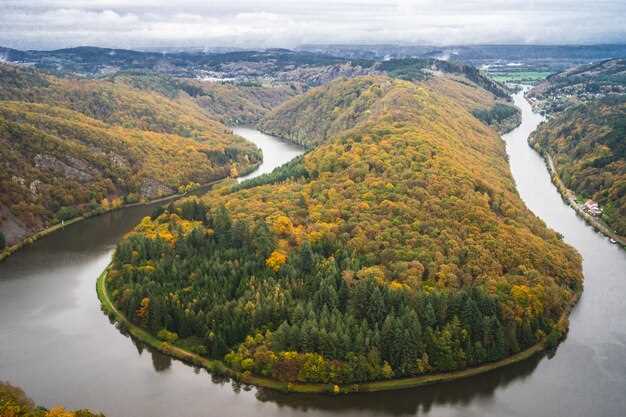
メイン州に位置するアカディア国立公園は、アメリカ北東部の自然の美しさと多様な生態系を showcase する、息をのむような宝石です。47,000 エーカーを超える広大な敷地を持つこの公園は、自然愛好家やアウトドア愛好家にとって必見の場所です。.
- 景観ルート: アカディアには広範なルート網があり、その中には有名なパーク・ループ・ロードがあります。そこからは、息をのむような大西洋の海岸線、そびえ立つ花崗岩の崖、そして静かな森林の景色を望むことができます。.
- ハイキングコース: この公園には、簡単な散歩道から困難な登山道まで、約120マイルに及ぶハイキングコースがあります。ジョーダン池パスやキャデラック山などの人気のあるハイキングコースでは、公園の素晴らしい動植物を体験できます。.
- 野生動物観察: アカディアは、多様な野生生物の宝庫です。鳥類、コヨーテ、さまざまな淡水魚などの生物にご注目ください。鳥の季節的な移動は、バードウォッチャーにとって理想的な場所となっています。.
- 釣り場の情報: 澄んだ水に恵まれたアカディアは、釣りに最適です。釣り人は、公園内の多くの池や小川で、スリル満点のマス釣りを満喫できます。釣りには許可証が必要であり、特定の区域では釣りが禁止されていることにご注意ください。.
- ビジターセンター: この公園には、観光客向けのシェルターとビジターセンターがあります。ハルズコーブ・ビジターセンターでは、公園のアクティビティ、トレイル、文化史に関する情報を提供しています。.
- キャンプ泊 アカディアの美しさにどっぷりと浸りたい方にとって、キャンプでの宿泊はのどかな隠れ家となります。ブラックウッズのような多くのキャンプ場は、探検の魅力的な拠点となります。.
- カナダへのアクセス: アカディアのロケーションは、カナダでの冒険をさらに楽しみたい方にとって有利です。この公園はカナダ東部の他の観光スポットに比較的近く、海外からの観光客にとっての魅力を高めています。.
要するに、アカディア国立公園は、自然、文化、アウトドアアクティビティが Remarkable に融合した場所です。険しいトレイルをハイキングしたり、風光明媚なドライブを楽しんだり、手つかずの海で釣りをしたり、きっと忘れられない経験になるでしょう。公園の静かな雰囲気と息を呑むような景色を満喫するのをお忘れなく。アメリカでの完璧な休暇に最適な場所です。.
コネチカット川国立野生生物保護区を探索する
コネチカット川国立野生生物保護区は、ニューイングランド地方で際立った場所であり、野生生物や自然愛好家にとっての安息地を提供しています。この地域は、静かな湿地から活気に満ちた賑やかな海岸線まで、多様な景観を誇り、あらゆるタイプの訪問者を魅了します。近隣の家族経営のキャンプ場は、アウトドアアクティビティへの特別なアクセスを提供し、家族にとって完璧な週末の目的地となっています。.
様々な道を辿る際には、この保護区の自然のままの姿を体現する、多様な野生生物に目を配ってください。風がそびえ立つ岩だらけの丘を吹き抜け、ウォーターフロントでの釣りに最適な爽やかな気候をもたらします。多くの文化雑誌や地域地図が、この雄大な景観を保護することの重要性を強調しており、将来の世代がコネチカット川の美しさを探求する機会を確実に得られるようにしています。.
訪問者は、天文台からの訪問で一日を始めることができます。天文台からは周辺の西部の風景を一望でき、歴史的な景色の息をのむような写真を撮る機会もあります。また、この保護区には、ウェストンやマンスフィールドのような趣のある町につながる複雑な道路網があり、地元の遺産について学び、様々なアウトドア活動に参加することができます。.
オルムステッドが設計した急なハイキングコースをたどり、素晴らしい見晴らしの良い場所へ行くチャンスをお見逃しなく。川沿いの毎日の экскурсии では、マガモなどの野生生物の目撃記録を பதிவு する機会があります。この認定されたカモの王国を探索すると、この保護区の特徴である保全への全体的な取り組みに間違いなく感謝するでしょう。.
熟練のハイカーでも、静かな場所で1週間過ごしたいだけでも、コネチカット川国立野生生物保護区は、ニューイングランドの自然の中心への特別な逃避を提供します。歴史的意義、自然の美しさ、レクリエーションの機会が融合し、国境を越えるすべての人にとって忘れられない体験となります。.
ケープコッド国立海浜公園のユニークな特徴
ケープコッド国立海浜公園は、自然の美しさとレクリエーションの機会が Remarkable に融合しており、自然愛好家や旅行者にとって必見のエリアです。約 44,000 エーカーに及ぶこのユニークな保護区には、海岸線に沿って生息する多様な生態系と種が生息しています。.
ケープコッド国立海浜公園を際立たせているユニークな特徴をいくつかご紹介します。
- 素晴らしい海岸線: 海岸のカラフルなビーチと険しい花崗岩の崖は、訪問者に息をのむような景色を提供します。多様な風景は、平坦な砂浜から急な砂丘の高さまで、さまざまな探検スポットを提供し、あらゆる冒険のための絵のように美しい背景を作り出しています。.
- 野生生物多様性: 毎年、旅行者は双眼鏡を持参し、アザラシ、水鳥、珍しい渡り鳥など、さまざまな種を探すことができます。保護地域は、これらの生態系の保全を優先しており、野生生物にとって重要な聖域となっています。.
- 隠れた名店: 人里離れた場所がお好みの方には、この地域には、静かな入り江や穏やかな草原など、静かに内省したり自然に触れ合ったりするのに最適な、隠れたスポットが点在しています。.
- 野外活動: 海辺では、ハイキング、カヤック、カヌーなど、年間を通して様々なアウトドア活動を楽しめます。キャンプ場も完備されており、宿泊も可能なので、フィットネス愛好家にも家族連れにも理想的な場所です。.
- 文化史: 訪問者は、この地域の豊かな文化的過去、部族の歴史や初期入植者の影響などを知ることができます。 ビンテージ雑誌や旅行ガイドは、ケープコッドの歴史的意義を強調することが多く、訪問に深みを加えてくれます。.
ケープコッド国立海浜公園への旅行を計画すると、あなたの経験がより豊かなものになります。ここでは、旅行を成功させるためのヒントをご紹介します。
- アウトドア活動に必要な装備をしっかり準備しましょう。.
- 最高の気候と豊富な野生動物観察のためには、夏に訪れるのがおすすめです。.
- ピーク時には、駐車場を賢く利用して混雑を避けましょう。.
- より自然の美しさを堪能するために、あまり混雑していない場所を訪れることを検討してみてください。.
一人でハイキングを楽しみたい方も、家族でのお出かけを楽しみたい方も、ケープコッド国立海浜公園では、毎年何千人もの人々を魅了する独自の魅力で、訪れるたびに思い出に残る体験ができます。.