


 Magyar
  English (UK)
  Русский
  বাংলা
বাংলা  العربية
  日本語
日本語  한국어
한국어  Norsk nynorsk
  Türkçe
  עִבְרִית
  Español
  Čeština
  Svenska
  Português
  Ελληνικά
  Suomi
Suomi  Nederlands
  Română
  Italiano
  Français
  Polski
  Українська
  Deutsch
  简体中文
简体中文  Slovenčina
  Српски језик
  اردو
اردو  Azərbaycan dili
  O‘zbekcha
  አማርኛ
አማርኛ 

New England, with its stunning landscapes and diverse ecosystems, offers an exciting opportunity for visitors to immerse themselves in nature. This region is home to a network of protected areas designed to preserve the rich flora and fauna that thrive here. From the tranquil waters of lakes and rivers to the striking heights of granite hills, these locations provide plenty of options for outdoor enthusiasts. Whether you’re interested in a peaceful walk through the glens or an adventurous kayak trip across kettle ponds, New England has something for everyone.
The ultimate goal of these protected areas is to ensure that future generations can enjoy the same breathtaking views and wildlife encounters that today’s visitors cherish. Families can take advantage of guided tours offered by family-owned businesses that provide quality experiences tailored for all ages. These tours often vary from gentle strolls to more intense hiking excursions, making it easy to find the right pace for your group.
In this article, we will explore several sections of New England’s protected spaces, highlighting the unique features and conditions that each area presents. From the lush forests that flush with color during the fall to the serene landscapes of reserved parks, discover the hidden gems that await you. You’ll also learn about the local wildlife, such as coyotes and trout, and how to respectfully engage with these creatures while capturing the perfect shot for your camera.
As you explore this striking region, remember to plan ahead, as some areas may have closures or restrictions based on seasonal conditions. Prepare for an unforgettable experience, whether you’re heading southward to the charming towns or venturing into the wilderness. New England’s protected areas are not just a competition for your attention; they are a celebration of the natural world that deserves our respect and preservation.
Understanding New England’s Protected Areas
New England’s protected areas comprise a diverse array of environments that vary from steep mountains to flat coastal regions. These areas, which include national parks, state forests, and wildlife refuges, provide numerous opportunities for outdoor activities such as hiking, kayaking, and camping. In locations like Franconia Notch and Pawtuckaway, visitors can enjoy the astonishing backdrop of nature while engaging in recreational pursuits.
The region is home to hundreds of protected sites, each with unique features. For instance, in Essex County, quaint towns like Woodstock offer scenic walks along wooded trails, while vast ponds and wetlands provide habitats for local wildlife. The routes through these areas are designed for both casual strolls and more vigorous hikes, ensuring that there’s a suitable option for everyone.
Public amenities, including restrooms and well-prepared camping facilities, are often available, making visits more comfortable especially for families. Along the coastline, which extends into the Atlantic, there are plenty of opportunities to enjoy water activities while soaking in breathtaking views of the surroundings.
Many of these protected areas also carry cultural significance. For example, Saint-Gaudens National Historical Park features historical buildings and monuments that highlight the artistic heritage of the region. Additionally, some parks run educational programs that promote understanding of the unique ecosystems present in New England.
Walking through these areas allows you to experience the flora and fauna up close, as each path and glen reveals the natural beauty of the region. From the vibrant reds of autumn foliage to the lush greens of summer, New England’s protected areas are a testament to the importance of conservation. If you’re planning a trip, consider checking articles and resources available at nps.gov for the latest information and tips on visiting.
What Defines Protected Areas in New England?
Protected areas in New England are designated spaces that prioritize the preservation of natural ecosystems, wildlife habitats, and scenic landscapes. These areas, which include national parks, state parks, and conservation lands, serve as shelters for countless species, including moose, deer, and coyotes. Their management is crucial in maintaining biodiversity and ensuring that these habitats remain pristine and undisturbed.
Located throughout the region, from the Appalachian Mountains to the coastal shores of Provincetown, these areas allow visitors to engage with nature. Activities such as hiking, kayaking, and leaf-peeping bring families and individuals closer to the environment, all while helping to monitor the health of these unique ecosystems. Many parks are family-owned or supported by community organizations, emphasizing the united efforts to maintain the integrity of the land.
The popularity of New England’s protected areas is partially due to their accessibility; shuttle services and rental stations provide easy access for passengers wanting to explore the diverse terrain without the congestion of urban areas. For instance, during specific seasons, you’ll find plenty of picturesque spots ideal for a leisurely stroll or a scenic boat ride on nearby rivers.
Moreover, these spaces often feature quaint shacks and local vendors offering delicious food, allowing visitors to indulge while enjoying breathtaking backdrops. However, there are cons to consider, such as the potential for overuse in heavily trafficked locations, prompting the need for ongoing analysis and management strategies. The goal is to ensure the balance between recreation and conservation is maintained, so the natural beauty of New England can be appreciated for generations to come.
Key Regulations Governing Conservation Efforts
In New England, regulations governing conservation efforts play a critical role in preserving the region’s stunning landscapes and natural habitats. Laws are designed to make the protection of these environments a priority, ensuring that areas like Acadia National Park and the Marsh-Billings-Rockefeller National Historical Park remain veritable sanctuaries for wildlife and plant species. These regulations focus on maintaining the health of ecosystems while also providing amenities for visitors, such as restrooms and campsites.
One critical aspect of these laws is the protection of lesser-known sites, which might otherwise be overlooked in favor of more popular destinations. These regions, such as the scenic landscapes near Saint-Gaudens or the serene valleys of Portsmouth, often hold unique ecological value that deserves attention. A salient example includes the recognition of cultural landscapes that reflect historical significance alongside their natural beauty.
Protected areas are strategically situated, facilitating a broader conservation strategy that includes designated corridors for wildlife and ecological management zones. Regulations often require conducting environmental assessments prior to any development, particularly in regions where the density of human activity may impact fragile ecosystems, like those found along I-93 or in rural Maine. In contrast, public access remains a priority, and sites provide additional amenities for users to enjoy nature without compromising its integrity.
Education about conservation is also emphasized, with educational programs and materials such as maps and guides available. Visitors are encouraged to embark on trails, stroll through the grasslands, and engage with natural settings in a manner that fosters respect for their surroundings. As much as dreaming of exploring these areas inspires individuals, it is the collaborative effort of regulations and community engagement that truly protects the natural world.
Temporary measures may be instituted, like seasonal fire bans during high-risk times to protect vegetation and wildlife from uncontrolled blazes. Such initiatives reflect the dynamic nature of conservation laws, adapting to changing environmental conditions while providing reliable frameworks for the future. By prioritizing conservation with a focus on sustainable practices, New England aims to safeguard its natural heritage for future generations who will also wish to lean into the beauty that originally captivated so many.
The Role of Local Communities in Conservation
Local communities play a crucial role in the conservation of New England’s stunning landscapes and protected areas. Families and groups are often at the forefront of initiatives that protect these pristine spots from the pressures of modern development. By engaging in specific activities, they contribute to preserving the natural beauty and biodiversity that these regions offer.
Throughout the summers, towns like Holyoke and Truro organize events that promote awareness about local conservation efforts. Activities such as canoeing along the rolling rivers or camping in parks like Park Rollins allow residents to witness the stunning scenery while fostering a connection to the land. These experiences encourage individuals to prefer sustainable activities that avoid harming the environment.
| Community Activity | Leírás | Impact |
|---|---|---|
| Canoeing | Guided tours along local rivers | Fosters appreciation for waterways |
| Családi események | Organized activities in parks | Promotes conservation awareness |
| Photography Walks | Documenting local flora and fauna | Spreads information through social media |
| Historical Tours | Exploring landmarks and historical segments | Presents cultural significance of conservation |
Community members often make decisions that allow for the sustainable operation of resources while engaging in recreational activities that enhance fitness and well-being. The popularity of events like tree planting or clean-up drives emphasizes the essence of community involvement in conservation efforts. Each small action contributes to a collective impact that can change the landscape of conservation in New England.
Beyond physical activities, communities often collaborate with organizations such as Fodor’s family of travel guides, to highlight conservation hotspots, like the Trestle at I-93, urging others to explore these peaceful areas. By sharing photos and stories, they inspire travel to regions that are not only beautiful but also vital for our planet’s health.
In conclusion, local communities are the backbone of conservation in New England. Their genuine connection to the land and dedication to preserving its beauty ensure that future generations will be able to enjoy the same stunning scenery, making the area a true resort for nature lovers. Each effort they undertake, no matter how little, contributes to a larger movement toward sustainability and preservation.
Top National Parks and Wildlife Refuges
New England is home to some of the most stunning national parks and wildlife refuges, each providing a unique atmosphere for nature lovers. From the tallest mountains to the low-impact rivers, these areas are perfect for recreational activities while preserving the natural essence of the landscape. One must-visit site is the White Mountain National Forest in New Hampshire, which features beautiful scenic drives, plentiful hiking trails, and exceptional observing opportunities at various peaks, including the famous Mount Washington.
Egy másik rejtett gyöngyszem a Acadia National Park in Maine. This park extends along the rugged coastline and provides a perfect backdrop for kayaking, biking, and horseback riding. Visitors seeking solitude can find scenic lean-tos and low-traffic sections to truly connect with nature. In October, the vibrant colors of the foliage make this park a favorite among those wanting to capture unforgettable memories.
Vermont’s wildlife refuges, such as the Missisquoi National Wildlife Refuge, take pride in protecting native fish and wildlife. It provides a hands-on experience for fish enthusiasts and bird watchers while ensuring that activities are permitted under low-impact guidelines. Visitors often enjoy fishing and observing a variety of native species in their natural habitat.
A Nature Conservancy Massachusettsben egy másik hivatalos terület is a természetvédelemnek van szentelve. A kijelölt területei és festői szakaszai ideálisak azoknak a családoknak, akik oktatási élményeket keresnek a környezet gondozásában. A rendelkezésre álló útmutatók betekintést nyújtanak az e védett területeken található egyedi ökoszisztémákba.
Végül a Corey Hill kilátópont a oldalon. Dixville lélegzetelállító kilátást nyújt a környező völgyekre és hegyekre, így a fotózás szerelmeseinek kedvelt helyszíne. Az idelátogatók autóval is felhajthatnak a kilátópontra, így kényelmesen élvezhetik a hűsítő szelet a területen.
Mindegyik park és menedékhely jól példázza, hogy Új-Anglia mennyire elkötelezett a vadvilág és a természeti szépségek megőrzése iránt. Feltétlenül tervezzen előre, és fedezze fel ezeket a kivételes helyszíneket, amelyek emlékezetes élményeket és mély kapcsolatot ígérnek a természettel.
Az Acadia Nemzeti Park kiemelt látnivalói
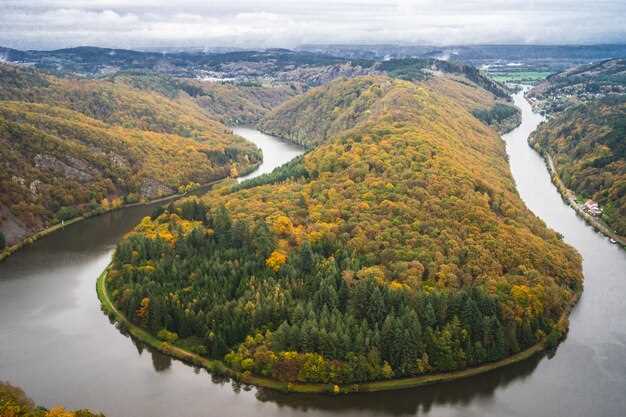
A Maine-ben található Acadia Nemzeti Park egy lenyűgöző ékkő, mely az Egyesült Államok északkeleti részének természeti szépségét és sokszínű ökoszisztémáit mutatja be. A több mint 47 000 hektáron elterülő park a természet és a szabadtéri tevékenységek szerelmeseinek egyaránt kötelező látnivaló.
- Festői Útvonalak: Acadia útvonalak kiterjedt hálózatával büszkélkedhet, beleértve a híres Park Loop Road-ot, amely lélegzetelállító kilátást nyújt az Atlanti-óceán partvidékére, a magas gránitsziklákra és a békés erdőkre.
- Túraútvonalak: A parkban közel 193 km-nyi túraútvonal található, a könnyű sétáktól a nehéz emelkedőkig. A népszerű túrák, mint a Jordan Pond Path és a Cadillac Mountain lehetőséget nyújtanak a park lenyűgöző növény-és állatvilágának megtapasztalására.
- Vadvilág megfigyelés: Acadia a változatos élővilág menedéke. Tartsa nyitva a szemét olyan fajok után kutatva, mint a madarak, prérifarkasok és különféle édesvízi halak. A madarak szezonális vándorlása ideális helyszínné teszi a madárfigyelők számára.
- Horgászati lehetőségek: Tiszta vizével az Acadia ideális hely a horgászáshoz. A horgászok élvezhetik a pisztránghalászat izgalmát a park számos tavában és patakjában. Kérjük, ne feledje, hogy horgászengedély szükséges, és bizonyos területeken tilos a horgászat.
- Látogatóközpontok: A park menedékházakat és látogatóközpontokat kínál a turisták számára. A Hulls Cove Látogatóközpont tájékoztatást nyújt a park tevékenységeiről, ösvényeiről és kulturális történelméről.
- Éjszakai kempingezés: Azok számára, akik szeretnének teljesen elmerülni Acadia szépségében, az éjszakai kempingezés idilli kikapcsolódást kínál. Számos kemping, mint például a Blackwoods, bájos kiindulópontot biztosít a felfedezéshez.
- Belépés Kanadába: Acadia elhelyezkedése előnyt jelent azok számára, akik szeretnék kalandjukat Kanadába is kiterjeszteni. A park viszonylag közel van Kelet-Kanada más látványosságaihoz, ami növeli vonzerejét a nemzetközi látogatók számára.
Összefoglalva, az Acadia Nemzeti Park a természet, a kultúra és a szabadtéri tevékenységek figyelemre méltó keverékét kínálja. Akár a zord ösvényeken túrázik, akár egy festői autózást élvez, vagy a tiszta vizekben horgászik, az élménye biztosan emlékezetes lesz. Ne felejtse el kihasználni a park nyugodt légkörét és lélegzetelállító tájait, melyek tökéletes kikapcsolódást nyújtanak az Egyesült Államokban.
A Connecticut River Nemzeti Vadvédelmi Terület felfedezése
A Connecticut River Nemzeti Vadvédelmi Terület kiemelkedő hely Új-Angliában, menedéket nyújtva a vadon élő állatoknak és a természet szerelmeseinek egyaránt. Ez a terület változatos tájakkal büszkélkedhet, a csendes lápoktól a nyüzsgő, élénk partvidékekig, amelyek szinte minden típusú látogatót vonzanak. A közeli családi tulajdonban lévő kempingek egyedülálló hozzáférést kínálnak a szabadtéri tevékenységekhez, így tökéletes hétvégi úti cél a családok számára.
Miközben bejárod a különböző ösvényeket, tartsd nyitva a szemed a vadvilág sokféleségére, amely itt virágzik, példázva a rezervátum érintetlen természetét. A szél végigsöpör a magas, sziklás dombokon, frissítő időjárást hozva, amely ideális a horgászathoz a vízparton. Számos cikk kulturális magazinokban és regionális térképeken hangsúlyozza e fenséges táj védelmének fontosságát, biztosítva, hogy a jövő generációi is felfedezhessék a Connecticut folyó szépségét.
A látogatók a napjukat a csillagvizsgáló meglátogatásával kezdhetik, ahonnan lenyűgöző kilátás nyílik a környező nyugati tájra, és lehetőség nyílik lélegzetelállító fényképek készítésére a történelmi tájról. A rezervátumot egy bonyolult úthálózat is jellemzi, amely olyan bájos városokba vezet, mint Weston és Mansfield, ahol megismerheti a helyi örökséget, és részt vehet különféle szabadtéri tevékenységekben.
Ne hagyja ki a lehetőséget, hogy bejárja az Olmsted tervezte meredek ösvényeket, melyek figyelemre méltó kilátópontokhoz vezetnek. A folyó menti napi kirándulások lehetőséget nyújtanak fekete kacsák és más vadon élő állatok megfigyelésére. Miközben felfedezi ezt a minősített kacsakirályságot, kétségtelenül értékelni fogja a természetvédelem iránti átfogó elkötelezettséget, amely meghatározza ezt a menedéket.
Akár tapasztalt túrázó vagy, akár csak egy csendes helyet keresel egy hét eltöltéséhez, a Connecticut River National Wildlife Refuge egyedülálló menekülést kínál Új-Anglia szívébe. A történelmi jelentőség, a természeti szépség és a szabadidős lehetőségek keveréke felejthetetlen élményt nyújt mindenkinek, aki áthalad a határain.
A Cape Cod Nemzeti Tengerpart egyedi jellemzői
A Cape Cod Nemzeti Tengerpart a természeti szépség és a szabadidős lehetőségek figyelemre méltó keverékét kínálja, ami a természetkedvelők és az utazók számára egyaránt kihagyhatatlan helyszínné teszi. A közel 44 000 hektáron elterülő egyedülálló rezervátum változatos ökoszisztémáknak és fajoknak ad otthont a tengerpartja mentén.
Íme néhány egyedi jellemző, ami kiemeli a Cape Cod Nemzeti Tengerpartot:
- Lenyűgöző tengerpart: A tengerpart színes strandjai és a sziklás gránitsziklák lélegzetelállító kilátást nyújtanak a látogatóknak. A változatos táj különböző felfedezésre váró helyeket kínál, a sík homokos partoktól a meredek dűnékig, festői hátteret teremtve bármilyen kalandhoz.
- Vadvilág sokszínűsége: A látogatók minden évben magukkal hozhatják távcsövüket, és sokféle fajt kereshetnek, beleértve a fókákat, parti madarakat és ritka vándormadarakat. A védett területek kiemelten kezelik ezen ökoszisztémák megőrzését, így létfontosságú menedéket nyújtanak a vadon élő állatok számára.
- Rejtett gyöngyszemek: Azok számára, akik szívesebben kerülik a járt utat, a környéken rejtett helyek találhatók, például kis öblök és csendes rétek, amelyek tökéletesek egy csendes napra, elmélyülésre és a természettel való kapcsolatteremtésre.
- Szabadtéri tevékenységek: A tengerpart egész évben kínál szabadtéri tevékenységeket, beleértve a túrázást, kajakozást és kenuzást. A táborozók jól felszerelt kempinghelyeken élvezhetik az éjszakai tartózkodást, így a terület ideális célpont a fitneszrajongók és a családok számára egyaránt.
- Kultúrtörténet: A látogatók felfedezhetik a régió gazdag kulturális múltját, beleértve törzsi történelmét és a korai telepesek hatását. Régi újságok és útikönyvek gyakran kiemelik Cape Cod történelmi jelentőségét, mélységet adva bármely látogatásnak.
A Cape Cod Nemzeti Tengerpartra tervezett utazás fokozhatja az élményt. Íme néhány tipp a sikeres látogatáshoz:
- Legyen jól felkészülve a szükséges felszereléssel a szabadtéri tevékenységekhez.
- Látogasson el a nyári hónapokban a legjobb időjárásért és a bőséges vadon élő állatok megfigyeléséért.
- Használd okosan a parkolóhelyeket, hogy elkerüld a torlódást a csúcsidőszakokban.
- Fontolja meg a kevésbé zsúfolt helyek felkeresését, hogy igazán elmerülhessen a természeti szépségben.
Akár a magányos túrákat részesíti előnyben, akár a családjával szeretne tartalmas kirándulásokat tenni, a Cape Cod National Seashore minden látogatást emlékezetes élménnyé varázsol, egyedi jellemzőivel, amelyek évről évre látogatók ezreit vonzzák.