


 English (UK)
  Русский
  বাংলা
বাংলা  العربية
  日本語
日本語  한국어
한국어  Magyar
  Norsk nynorsk
  Türkçe
  עִבְרִית
  Español
  Čeština
  Svenska
  Português
  Ελληνικά
  Suomi
Suomi  Nederlands
  Română
  Italiano
  Français
  Polski
  Українська
  Deutsch
  简体中文
简体中文  Slovenčina
  Српски језик
  اردو
اردو  Azərbaycan dili
  O‘zbekcha
  አማርኛ
አማርኛ 

New England, with its stunning landscapes and diverse ecosystems, offers an exciting opportunity for visitors to immerse themselves in nature. This region is home to a network of protected areas designed to preserve the rich flora and fauna that thrive here. From the tranquil waters of lakes and rivers to the striking heights of granite hills, these locations provide plenty of options for outdoor enthusiasts. Whether you’re interested in a peaceful walk through the glens or an adventurous kayak trip across kettle ponds, New England has something for everyone.
The ultimate goal of these protected areas is to ensure that future generations can enjoy the same breathtaking views and wildlife encounters that today’s visitors cherish. Families can take advantage of guided tours offered by family-owned businesses that provide quality experiences tailored for all ages. These tours often vary from gentle strolls to more intense hiking excursions, making it easy to find the right pace for your group.
In this article, we will explore several sections of New England’s protected spaces, highlighting the unique features and conditions that each area presents. From the lush forests that flush with color during the fall to the serene landscapes of reserved parks, discover the hidden gems that await you. You’ll also learn about the local wildlife, such as coyotes and trout, and how to respectfully engage with these creatures while capturing the perfect shot for your camera.
As you explore this striking region, remember to plan ahead, as some areas may have closures or restrictions based on seasonal conditions. Prepare for an unforgettable experience, whether you’re heading southward to the charming towns or venturing into the wilderness. New England’s protected areas are not just a competition for your attention; they are a celebration of the natural world that deserves our respect and preservation.
Understanding New England’s Protected Areas
New England’s protected areas comprise a diverse array of environments that vary from steep mountains to flat coastal regions. These areas, which include national parks, state forests, and wildlife refuges, provide numerous opportunities for outdoor activities such as hiking, kayaking, and camping. In locations like Franconia Notch and Pawtuckaway, visitors can enjoy the astonishing backdrop of nature while engaging in recreational pursuits.
The region is home to hundreds of protected sites, each with unique features. For instance, in Essex County, quaint towns like Woodstock offer scenic walks along wooded trails, while vast ponds and wetlands provide habitats for local wildlife. The routes through these areas are designed for both casual strolls and more vigorous hikes, ensuring that there’s a suitable option for everyone.
Public amenities, including restrooms and well-prepared camping facilities, are often available, making visits more comfortable especially for families. Along the coastline, which extends into the Atlantic, there are plenty of opportunities to enjoy water activities while soaking in breathtaking views of the surroundings.
Many of these protected areas also carry cultural significance. For example, Saint-Gaudens National Historical Park features historical buildings and monuments that highlight the artistic heritage of the region. Additionally, some parks run educational programs that promote understanding of the unique ecosystems present in New England.
Walking through these areas allows you to experience the flora and fauna up close, as each path and glen reveals the natural beauty of the region. From the vibrant reds of autumn foliage to the lush greens of summer, New England’s protected areas are a testament to the importance of conservation. If you’re planning a trip, consider checking articles and resources available at nps.gov for the latest information and tips on visiting.
What Defines Protected Areas in New England?
Protected areas in New England are designated spaces that prioritize the preservation of natural ecosystems, wildlife habitats, and scenic landscapes. These areas, which include national parks, state parks, and conservation lands, serve as shelters for countless species, including moose, deer, and coyotes. Their management is crucial in maintaining biodiversity and ensuring that these habitats remain pristine and undisturbed.
Located throughout the region, from the Appalachian Mountains to the coastal shores of Provincetown, these areas allow visitors to engage with nature. Activities such as hiking, kayaking, and leaf-peeping bring families and individuals closer to the environment, all while helping to monitor the health of these unique ecosystems. Many parks are family-owned or supported by community organizations, emphasizing the united efforts to maintain the integrity of the land.
The popularity of New England’s protected areas is partially due to their accessibility; shuttle services and rental stations provide easy access for passengers wanting to explore the diverse terrain without the congestion of urban areas. For instance, during specific seasons, you’ll find plenty of picturesque spots ideal for a leisurely stroll or a scenic boat ride on nearby rivers.
Moreover, these spaces often feature quaint shacks and local vendors offering delicious food, allowing visitors to indulge while enjoying breathtaking backdrops. However, there are cons to consider, such as the potential for overuse in heavily trafficked locations, prompting the need for ongoing analysis and management strategies. The goal is to ensure the balance between recreation and conservation is maintained, so the natural beauty of New England can be appreciated for generations to come.
Key Regulations Governing Conservation Efforts
In New England, regulations governing conservation efforts play a critical role in preserving the region’s stunning landscapes and natural habitats. Laws are designed to make the protection of these environments a priority, ensuring that areas like Acadia National Park and the Marsh-Billings-Rockefeller National Historical Park remain veritable sanctuaries for wildlife and plant species. These regulations focus on maintaining the health of ecosystems while also providing amenities for visitors, such as restrooms and campsites.
One critical aspect of these laws is the protection of lesser-known sites, which might otherwise be overlooked in favor of more popular destinations. These regions, such as the scenic landscapes near Saint-Gaudens or the serene valleys of Portsmouth, often hold unique ecological value that deserves attention. A salient example includes the recognition of cultural landscapes that reflect historical significance alongside their natural beauty.
Protected areas are strategically situated, facilitating a broader conservation strategy that includes designated corridors for wildlife and ecological management zones. Regulations often require conducting environmental assessments prior to any development, particularly in regions where the density of human activity may impact fragile ecosystems, like those found along I-93 or in rural Maine. In contrast, public access remains a priority, and sites provide additional amenities for users to enjoy nature without compromising its integrity.
Education about conservation is also emphasized, with educational programs and materials such as maps and guides available. Visitors are encouraged to embark on trails, stroll through the grasslands, and engage with natural settings in a manner that fosters respect for their surroundings. As much as dreaming of exploring these areas inspires individuals, it is the collaborative effort of regulations and community engagement that truly protects the natural world.
Temporary measures may be instituted, like seasonal fire bans during high-risk times to protect vegetation and wildlife from uncontrolled blazes. Such initiatives reflect the dynamic nature of conservation laws, adapting to changing environmental conditions while providing reliable frameworks for the future. By prioritizing conservation with a focus on sustainable practices, New England aims to safeguard its natural heritage for future generations who will also wish to lean into the beauty that originally captivated so many.
The Role of Local Communities in Conservation
Local communities play a crucial role in the conservation of New England’s stunning landscapes and protected areas. Families and groups are often at the forefront of initiatives that protect these pristine spots from the pressures of modern development. By engaging in specific activities, they contribute to preserving the natural beauty and biodiversity that these regions offer.
Throughout the summers, towns like Holyoke and Truro organize events that promote awareness about local conservation efforts. Activities such as canoeing along the rolling rivers or camping in parks like Park Rollins allow residents to witness the stunning scenery while fostering a connection to the land. These experiences encourage individuals to prefer sustainable activities that avoid harming the environment.
| Community Activity | Description | Impact |
|---|---|---|
| Canoeing | Guided tours along local rivers | Fosters appreciation for waterways |
| Family Events | Organized activities in parks | Promotes conservation awareness |
| Photography Walks | Documenting local flora and fauna | Spreads information through social media |
| Historical Tours | Exploring landmarks and historical segments | Presents cultural significance of conservation |
Community members often make decisions that allow for the sustainable operation of resources while engaging in recreational activities that enhance fitness and well-being. The popularity of events like tree planting or clean-up drives emphasizes the essence of community involvement in conservation efforts. Each small action contributes to a collective impact that can change the landscape of conservation in New England.
Beyond physical activities, communities often collaborate with organizations such as Fodor’s family of travel guides, to highlight conservation hotspots, like the Trestle at I-93, urging others to explore these peaceful areas. By sharing photos and stories, they inspire travel to regions that are not only beautiful but also vital for our planet’s health.
In conclusion, local communities are the backbone of conservation in New England. Their genuine connection to the land and dedication to preserving its beauty ensure that future generations will be able to enjoy the same stunning scenery, making the area a true resort for nature lovers. Each effort they undertake, no matter how little, contributes to a larger movement toward sustainability and preservation.
Top National Parks and Wildlife Refuges
New England is home to some of the most stunning national parks and wildlife refuges, each providing a unique atmosphere for nature lovers. From the tallest mountains to the low-impact rivers, these areas are perfect for recreational activities while preserving the natural essence of the landscape. One must-visit site is the White Mountain National Forest in New Hampshire, which features beautiful scenic drives, plentiful hiking trails, and exceptional observing opportunities at various peaks, including the famous Mount Washington.
Another hidden gem is the Acadia National Park in Maine. This park extends along the rugged coastline and provides a perfect backdrop for kayaking, biking, and horseback riding. Visitors seeking solitude can find scenic lean-tos and low-traffic sections to truly connect with nature. In October, the vibrant colors of the foliage make this park a favorite among those wanting to capture unforgettable memories.
Vermont’s wildlife refuges, such as the Missisquoi National Wildlife Refuge, take pride in protecting native fish and wildlife. It provides a hands-on experience for fish enthusiasts and bird watchers while ensuring that activities are permitted under low-impact guidelines. Visitors often enjoy fishing and observing a variety of native species in their natural habitat.
The Nature Conservancy in Massachusetts is another official site dedicated to conservation. Its designated areas and scenic sections are ideal for families seeking educational experiences in caring for the environment. The guides available will offer insights into the unique ecosystems present in these protected areas.
Finally, the Corey Hill Scenic Overlook in Dixville offers spectacular views of the surrounding valleys and mountains, making it a top location for photography enthusiasts. Visitors can take their cars to the lookout point, allowing for comfortable access while enjoying the cooling winds of the area.
Each of these parks and refuges illustrates the heart of New England’s commitment to preserving wildlife and natural beauty. Be sure to plan ahead and explore these exceptional sites, which promise to provide memorable experiences and deep connections to the land.
Highlights of Acadia National Park
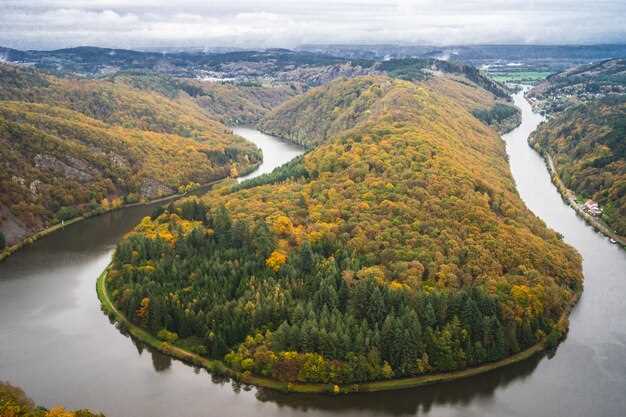
Acadia National Park, located in Maine, is a stunning gem that showcases the natural beauty and diverse ecosystems of the northeastern United States. Spanning over 47,000 acres, this park is a must-visit for nature lovers and outdoor enthusiasts alike.
- Scenic Routes: Acadia features an extensive network of routes, including the famous Park Loop Road, which offers breathtaking views of the Atlantic coastline, towering granite cliffs, and serene forests.
- Hiking Trails: The park is home to nearly 120 miles of hiking paths, from easy walks to challenging climbs. Popular hikes like the Jordan Pond Path and Cadillac Mountain provide an opportunity to experience the park’s stunning flora and fauna.
- Wildlife Watching: Acadia is a haven for diverse wildlife. Keep an eye out for species such as birds, coyotes, and various freshwater fish. The seasonal migration of birds makes it an ideal spot for birdwatchers.
- Fishing Opportunities: With its clear waters, Acadia is perfect for fishing. Anglers can enjoy the thrill of trout fishing in the park’s many ponds and streams. Please remember that fishing permits are required and certain areas are prohibited for fishing.
- Visitor Centers: The park offers shelters and visitor centers for tourists. The Hulls Cove Visitor Center provides information on park activities, trails, and cultural history.
- Overnight Camping: For those who want to fully immerse in the beauty of Acadia, overnight camping offers an idyllic retreat. Many campgrounds, such as Blackwoods, provide a charming base for exploration.
- Access to Canada: Acadia’s location is an advantage for those looking to extend their adventure into Canada. The park is relatively close to other attractions in eastern Canada, enhancing its appeal for international visitors.
In summary, Acadia National Park offers a remarkable blend of nature, culture, and outdoor activities. Whether you’re hiking the rugged trails, enjoying a scenic drive, or fishing in the pristine waters, your experience will surely be memorable. Don’t forget to take advantage of the park’s serene atmosphere and breathtaking landscapes, making it a perfect getaway in the United States.
Exploring the Connecticut River National Wildlife Refuge
The Connecticut River National Wildlife Refuge is a prominent spot in New England, providing a haven for wildlife and nature enthusiasts alike. This area boasts a rich tapestry of landscapes, from serene bogs to the vibrant, bustling shorelines that attract nearly every type of visitor. Family-owned campgrounds nearby offer unique access to outdoor activities, making it a perfect weekend destination for families.
As you traverse the various trails, keep an eye out for the spectrum of wildlife that thrives here, exemplifying the pristine nature of the refuge. The winds sweep through the tall boulder-strewn hills, bringing refreshing weather ideal for fishing along the waterfront. Numerous articles in cultural magazines and regional maps highlight the importance of protecting this majestic landscape, ensuring that future generations will have opportunities to explore the beauty of the Connecticut River.
Visitors can begin their day with visits to the observatory, which offers stunning views of the surrounding western landscape and a chance to capture breathtaking photographs of the historic scenery. The refuge also features an intricate network of roads leading to quaint towns like Weston and Mansfield, where you can learn about local heritage and partake in various outdoor activities.
Don’t miss the chance to hike the steep trails of the Olmsted design that lead to remarkable vantage points. Daily excursions along the river provide opportunities to record sightings of black ducks and other wildlife species. As you explore this certified duck kingdom, you will undoubtedly appreciate the overall commitment to conservation that defines this refuge.
Whether you’re an experienced hiker or simply seeking a peaceful place to spend a week, the Connecticut River National Wildlife Refuge offers a unique escape into the heart of New England nature. The blend of historical significance, natural beauty, and recreational opportunities create an unforgettable experience for all who pass through its borders.
Unique Features of Cape Cod National Seashore
Cape Cod National Seashore offers a remarkable blend of natural beauty and recreational opportunities, which makes it a must-visit area for nature lovers and travelers alike. Spanning nearly 44,000 acres, this unique reserve is home to various ecosystems and species that thrive along its coastline.
Here are some of the unique features that make Cape Cod National Seashore stand out:
- Stunning Coastline: The seashore’s colorful beaches and rugged granite cliffs provide breathtaking views for visitors. The diverse landscape offers different spots to explore, from flat sandy shores to steep dune heights, creating a picturesque backdrop for any adventure.
- Wildlife Diversity: Each year, travelers can bring their binoculars and search for a variety of species, including seals, shorebirds, and rare migratory birds. The protected areas prioritize the preservation of these ecosystems, making it a vital sanctuary for wildlife.
- Hidden Gems: For those who prefer to avoid the beaten path, there are hidden spots throughout the area, such as small coves and tranquil meadows, perfect for a quiet day of reflection and nature engagement.
- Outdoor Activities: The seashore offers year-round outdoor activities including hiking, kayaking, and canoeing. Campers can enjoy well-prepared campsites for overnight stays, making the area an ideal destination for both fitness enthusiasts and families.
- Cultural History: Visitors can discover the rich cultural past of the region, including its tribal history and the influence of early settlers. Vintage magazines and travel guides often highlight the historical significance of Cape Cod, adding depth to any visit.
Planning a trip to Cape Cod National Seashore can enhance your experience. Here are some tips for a successful visit:
- Be well-prepared with necessary gear for outdoor activities.
- Visit during the summer months for the best weather and abundant wildlife sightings.
- Utilize parking areas wisely to avoid congestion during peak travel times.
- Consider visiting less crowded spots to truly immerse yourself in the natural beauty.
Whether you prefer solitary hikes or engaging family outings, Cape Cod National Seashore makes each visit a memorable experience, with unique features that attract thousands of visitors year after year.