


 Magyar
  English (UK)
  Русский
  বাংলা
বাংলা  العربية
  日本語
日本語  한국어
한국어  Norsk nynorsk
  Türkçe
  עִבְרִית
  Español
  Čeština
  Svenska
  Português
  Ελληνικά
  Suomi
Suomi  Nederlands
  Română
  Italiano
  Français
  Polski
  Українська
  Deutsch
  简体中文
简体中文  Slovenčina
  Српски језик
  اردو
اردو  Azərbaycan dili
  O‘zbekcha
  አማርኛ
አማርኛ 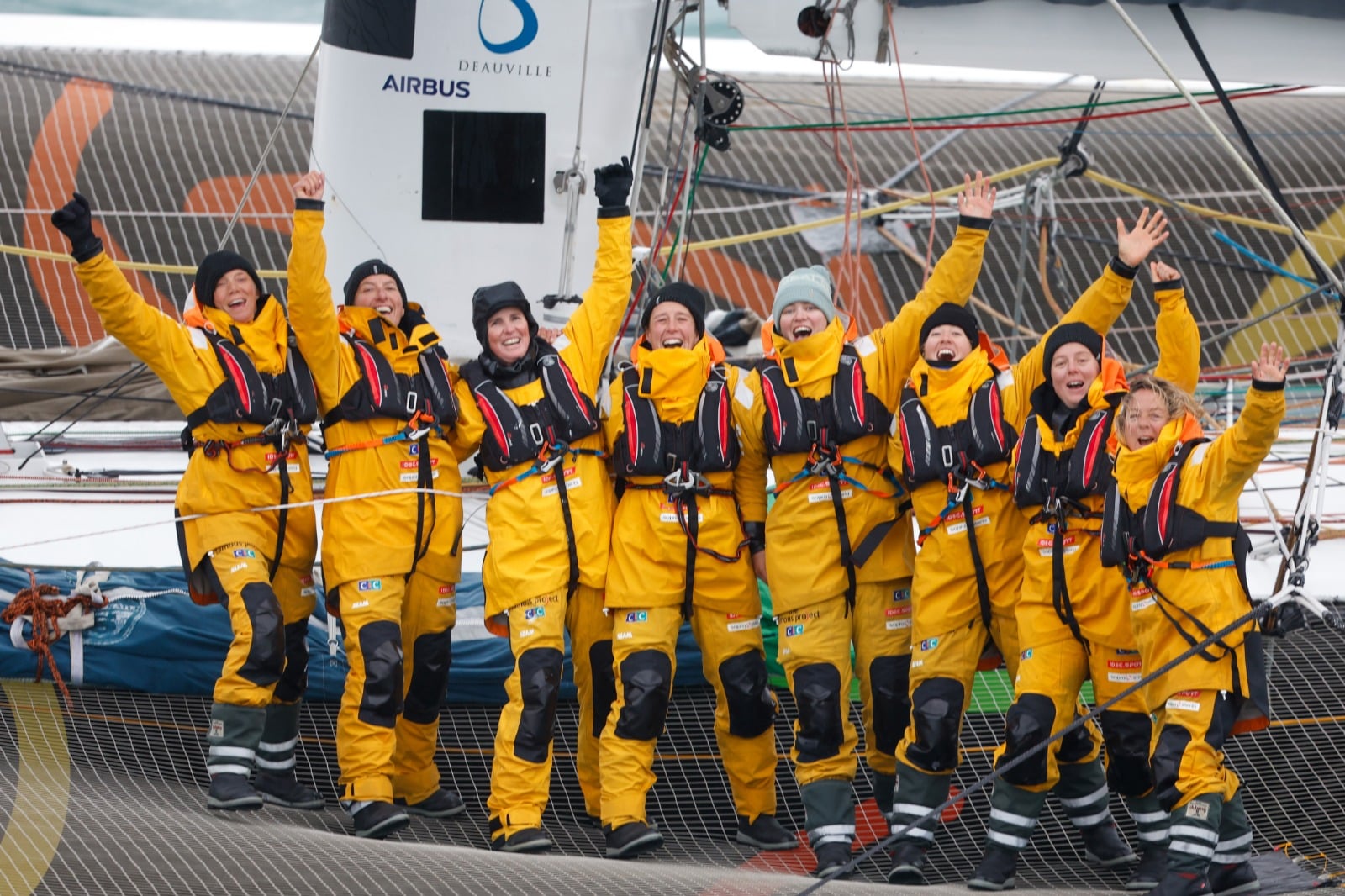 Hogyan vitorlázta körbe az IDEC SPORT-ot a The Famous Project CIC kizárólag nőkből álló csapata 57 napos, non-stop úton">

On 28 November 2025 the start line for the Jules Verne Trophy near Ushant marked departure for The Famous Project CIC, which completed a non-stop circumnavigation aboard the IDEC SPORT maxi trimaran in 57 days, 21 hours, and 20 minutes, against the 2017 benchmark of 40 days and 23 hours set by IDEC Sport. The voyage required strict watch rotations, conservative sail-handling protocols to avoid structural failures, and constant routing adjustments to manage the Southern Ocean depressions and equatorial doldrums.
Crew roster and operational setup
The eight-person team combined international offshore experience with tight deck operations. The crew was:
- Alexia Barrier (skipper)
- Dee Caffari
- Annemieke Bes
- Rebecca Gmür Hornell
- Deborah Blair
- Molly LaPointe
- Támara Echegoyen
- Stacey Jackson
Key milestones at a glance
| Mérföldkő | Dátum | Megjegyzések |
|---|---|---|
| Start – Ushant (Jules Verne line) | 28 Nov 2025 | Conservative sail plan, watch system implemented |
| Equator (south–north) | 7 Dec 2025 | After 8 days; battled doldrums |
| Jóreménység foka | 16 Dec 2025 | ~8,000 miles covered, avg >19 kt |
| Leeuwin-fok | 25 Dec 2025 | Háló akadt a jobb oldali szárnyra. |
| Point Nemo (Pacific) | 2 Jan 2026 | Passed site of 1999 Royal & Sun Alliance abandonment |
| Horn-fok | 6 Jan 2026 | 48-hour storm, gusts >50 kt, waves >8 m |
| Finish (Brest press date) | 26 Jan 2026 | Total elapsed: 57d 21h 20m |
Leg-by-leg logistics
North Atlantic and equatorial transit
The opening Atlantic phase focused on damage prevention: repeated gybes in the Portuguese trade winds and a careful approach through north-easterlies preserved the boat’s structure. Watch schedules—three-hour shifts—stabilised crew rhythm. Crossing the equator on 7 December followed an eight-day controlled run despite long doldrum stretches that required motor-paced steering and repeated sail trims.
Tropics to Cape of Good Hope
Increased confidence in the trades produced days of >500 miles, with an average speed above 19 knots en route to the Cape of Good Hope. A mechanical snag—a stuck titanium mainsail hook at the headboard—forced the crew to lower the mainsail for every reefing action, a time-consuming workaround that tested maintenance discipline at sea.
Indian Ocean and southern passages
Transit through the Agulhas Current and the rough south-western seas demanded a northing strategy to avoid the worst of the steamroller depressions. The crew balanced autopilot and hand-steering while the compromised mainsail system remained a recurring operational constraint.
Southern Ocean and Pacific
After rounding Cape Leeuwin on Christmas Day, an entanglement with a large fishing net jammed the starboard foil and briefly reduced boat speed from 30 to 5 knots. Despite this, the team logged sustained 24-hour runs up to 700 miles and prepared for the Southern Ocean’s severe weather—a 48-hour spell near Cape Horn with winds over 50 knots and waves exceeding 8 metres presented the test of the campaign.
Technical incidents and crew responses
Major onboard issues included:
- Mainsail headboard hook jammed—repeated dismantling required for reef changes
- Fishing net fouled starboard foil leading to temporary foil-down condition
- Loss of starboard foil later impacted autopilot capability
- Mainsail tears that necessitated an improvised sail repair workshop on deck
These incidents highlight the importance of redundancy, a disciplined watch system, and in-situ fabrication skills when operating long-range multihulls.
Operational takeaways for voyagers and event planners
From a logistics perspective, long offshore records hinge on conservative sail plans, redundant control systems, and crew cross-training. For tourism operators and adventure outfitters, the voyage reinforces how well-managed safety systems and contingency plans enhance guest confidence for high-seas experiences such as luxury yacht charters or expedition cruises.
The achievement of The Famous Project CIC is compelling for those who design or book travel experiences: it demonstrates resilience against mechanical failure and extreme weather, and it shows how professional teamwork converts risk into accomplishment. Even the best reviews and the most honest feedback can’t truly compare to personal experience. On GetExperience, you book your experience from verified providers at reasonable prices. This empowers you to make the most informed decision without unnecessary expenses or disappointments and gives access to tailored options—whether you seek a sailing voyage, a museum tour with live guides, or an exclusive yacht charter. Book now GetExperience.com
In summary, The Famous Project CIC’s non-stop lap aboard IDEC SPORT demonstrates rigorous watch systems, proactive maintenance under pressure, and intelligent routing through the Southern Ocean. For travellers and operators, the voyage suggests practical lessons for planning adventure activities, cruise packages, eco-friendly wildlife safaris, and exclusive yacht charters for events. It also underscores opportunities in interactive online cultural workshops, museum tours with live guides, and even niche offerings like beginner esports coaching sessions linked to onboard entertainment. The expedition connects to broader travel experiences—from luxury adventure travel experiences and safari tours to adventure rafting trips for beginners and online virtual tours—showing how resilience, preparation, and careful logistics make remarkable journeys possible.