


 简体中文
简体中文  English (UK)
  Русский
  বাংলা
বাংলা  العربية
  日本語
日本語  한국어
한국어  Magyar
  Norsk nynorsk
  Türkçe
  עִבְרִית
  Español
  Čeština
  Svenska
  Português
  Ελληνικά
  Suomi
Suomi  Nederlands
  Română
  Italiano
  Français
  Polski
  Українська
  Deutsch
  Slovenčina
  Српски језик
  اردو
اردو  Azərbaycan dili
  O‘zbekcha
  አማርኛ
አማርኛ 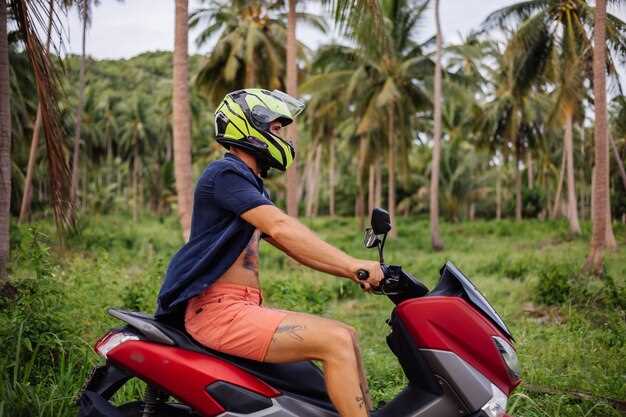 Ha Giang Loop Easy Rider Version – My Experience and Practical Tips">

Start by booking a small, locally run Easy Rider package that includes a dedicated rider and a clearly outlined line of stops to secure your ride. This approach keeps the plan simple and minimizes surprises during mornings in Ha Giang. Overnight homestays are common along the route and typically include breakfast, tea, and a chance to chat with locals.
In my experience, a three- to four-day loop with a guide costs about 25–40 USD per day for the bike and rider; this pricing includes daily routes, a spare helmet, and the night in a local homestay. Expect additional costs for fuel (about 3–5 USD per day) and occasional vehicle repairs. For longer trips, some operators are offering a fixed price around 120–180 USD per person for the full loop, including meals and two overnight stays. Always confirm what is included and what isn’t.
Gear matters as much as the ride. Pack light, layer for cold mountain mornings, and bring a compact rain shell. Quick-dry clothes, a fleece or micro-puff, and a waterproof bag keep you comfortable when temperatures drop and weather shifts. Sturdy shoes and grippy gloves protect you on rocky or wet sections. A compact headlamp, a dry bag for valuables, and a small first-aid kit reduce hassles after dark. Some roads are gravel and partly covered, so a reliable grip and well-fitting clothes and gloves pay off. Adapt your riding style to the group pace and road conditions.
Dietary notes: Most homestays offer simple Vietnamese meals; you can request vegetarian options, dairy-free, or gluten-free dishes. If you have specific needs, mention them the day before and carry a few snacks for long stretches. If you speak french, a french-speaking host can help with orders at local eateries and provide better dish recommendations. The host families are often curious and will share stories during dinner, which adds texture to the ride.
Ha Giang’s scenic line of viewpoints includes Ma Pi Leng Pass, Dong Van, and Lung Cu Peak; plan dawn rides to catch light over terraced fields and canyon shadows. The route is peppered with narrow bends and panoramic viewpoints where you can stop for photos without blocking the line of traffic. Others on the road share tips, and many riders swap route ideas and meal suggestions at homestays along the way.
Practical tips: arrive with a spare SIM card or a compact power bank to stay charged; keep valuables in a dry bag and store a lightweight jacket in the saddle bag. Check your bike before leaving Ha Giang City, especially tires and brakes. I didnt skip the early start because missing the golden light would ruin the best photo moments; arriving early also helps you beat crowds at popular stops. Bring a small change of clothes and a warm layer for nights, plus a light scarf to protect your neck on windy stretches. If you need to stay online, a portable charger is worth it.
By balancing practicalities with steady pacing, you’ll return with clear ideas about what works for you and a set of reliable recommendations you can reuse on future rides.
Ha Giang Loop Guide
Start with a customized 3d2n loop guided by a locally based rider to maximize safety, flexibility, and photo opportunities on vietnams rugged roads; frame it as a tailored tour from day one.
Prepare a short list of questions for your host before you roll: weather, road conditions, fuel stops, overnight options, and the best little viewpoints. There, this approach keeps the daily plan aligned with your interests and avoids backtracking.
Discovering remote villages and chatting with hill-tribe families adds context to the ride. Meeting locals, sampling traditional dishes, and learning about daily life from them enriches every mile while you ride high passes and along winding terraces.
Stay options include hillside guesthouses and simple hostels; book through hostelworld to compare prices, reviews, and proximity to key stops. An additional tip: bring cash in small denominations for lunch and markets.
If you plan halong side trips, schedule extra days before or after the loop to keep fatigue low and your schedule flexible for this traveler. Use this framework to tailor your trip to your interests and pace.
| Day | 路线 | 距离(公里) | 亮点 |
|---|---|---|---|
| Day 1 | Ha Giang city → Dong Van via Quan Ba | 120 | Ma Pi Leng view, Quan Ba Twin Mountains, local markets |
| Day 2 | Dong Van → Meo Vac via Ma Pi Leng | 70 | Yellow limestone ridges, high passes, hill tribe villages |
| Day 3 | Meo Vac → Ha Giang | 110 | River crossings, pine forests, sunrise over karst |
Route Planning: Stops, Distances, and Optimal Travel Windows
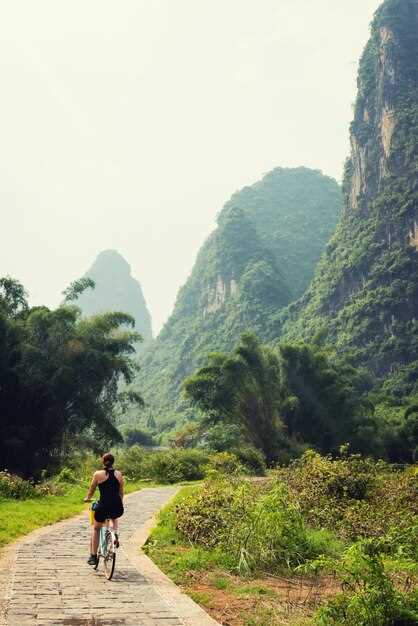
Plan three riding days in a clockwise loop: Ha Giang City → Quan Ba → Yen Minh → Dong Van Old Town → Meo Vac → back through Ma Pi Leng Pass to Ha Giang, totaling about 350–380 km. This stretch balances long stretches with high passes, offers unforgettable photos of amazing landscapes, and is not the only way to experience the loop.
Stops and distances (clockwise): Ha Giang City to Quan Ba 40–60 km; Quan Ba to Yen Minh 25–40 km; Yen Minh to Dong Van 35–50 km; Dong Van to Ma Pi Leng Pass viewpoint near Meo Vac 25–40 km; Meo Vac to Ha Giang 140–180 km depending on detours. Optional Lung Cu Flag Tower or Tam Son detours add 15–25 km each. Expect river views along Nho Que and other tributaries to enrich your photos and sense of scale, and notice how the wonders unfold across the stretch.
Time and pacing: target 4–6 hours of riding per day, including breaks for chow and photos. Mornings yield better light for the first stretch and late afternoons offer dramatic skies over the river canyons. Keep a buffer for weather–clouds, rain, and fog can slow you down, so the caravan of participants can adjust on the fly. There is no guarantee of perfect weather, so stay flexible and ready to swap a long leg for a nice village stop.
Optimal travel windows: the dry season (roughly November through March) delivers the clearest visibility and nicer riding conditions; still, early mornings are cooler and leave room for longer photo sessions. If you ride during rain months (May–September), start before 07:30 and aim to finish by 16:00, choosing shorter daytime legs and prioritizing covered stops in towns for tea and HMong handicrafts. For photography, plan windows around 07:00–09:00 and 16:00–18:00 to capture warm light on terraces, the river, and rolling hills.
Practical tips for riders and participants: book locally run guesthouses with sleeper options to rest well; charge devices at guesthouses or use a portable charger and power bank–bring at least one spare battery. Shop locally for snacks at markets and small shops rather than tourist stalls to support residents using locally sourced foods. Keep gear light, pack rain gear, and be prepared for sudden showers; a lightweight rain shell and boot covers help during monsoon breaks. HMong villages along the route invite you to stop for coffee or tea and to explore textiles, but always ask before photographing people and respect village customs. Route planning includes a map and a plan B in case a road is closed by rain; using locally guided riders can reveal better shortcuts down to the river valleys and back up to the main road, and you’ll find it easier to coordinate with fellow participants and shop owners along the way.
Riding Comfort, Safety, and Break Scheduling
Begin with a concrete rule: take a 15 to 20 minute break after the first 90 minutes of riding, then a 20 minute rest every 2 hours. Use these pauses to stretch, adjust gear, sip coffee, and review the google map for upcoming turns. If fatigue arrives, extend the break early to 25 minutes and push ahead with refreshed focus to manage dramatic passes.
Choose a seat pad with memory foam, ensure a comfortable posture, and wear a breathable jacket with moisture-wicking layers. Small adjustments to handlebar height and footpeg position reduce numbness on long stretches. Keep a compact kit for daily checks, and plan discovering rest stops in these regions to recharge before the next leg, creating a smoother rhythm for adventurers exploring these roads.
Schedule nights and daily rides to avoid fatigue. Start with a conservative pace: aim to wrap up daytime riding around mid-afternoon, giving time to clean the bike and arrange a cozy stay. If weather or road works complicate the plan, shorten the ride and extend breaks at a smaller town. This approach helps adventurers stay alert, and you can arrive at each stop with energy to explore local souvenirs and chat with locals.
Pre-ride checks: tires, brakes, lights, chain, and oil. Carry a spare tube, pump, and basic tools. Dress in reflective gear at nights and set lights for continuous visibility. Stay cautious on narrow sections and sharp curves; reduce speed before these areas, especially in the dramatic weather or loose gravel. If you feel unwell or dizzy, stop and rest; your safety remains the top priority on these challenging roads.
Keep notes in a small notebook or phone to track mileage, wind, and rest times; discovering these details helps you refine the daily plan across regions. Prioritize early starts to catch cooler air and reduce traffic, and consider a quick coffee stop at a roadside cafe before the sun climbs. By planning breaks ahead and staying flexible, you extend your riding and avoid fatigue, which makes nights in cozy guesthouses more enjoyable for adventurers who collect souvenirs from these regions.
Can the Tour Accommodate Vegetarian or Special Dietary Needs?
Yes. The Ha Giang Loop Easy Rider ride can accommodate vegetarian or other dietary needs with advance booking and clear notes to the guide.
To arrange it, include dietary details in the booking form, then email the operator a week before departure and confirm with the driver the day before you begin.
On the ride, meals often come from village kitchens along the route; for seekers of vegetarian options, 越南语 cooks at village eateries can prepare rice, tofu, greens, and beans, with eggs avoided when you specify.
Options vary by stop, though nearly all nights offer workable choices in lively village markets and occasional party nights. If a village werent able to adjust for vegan needs, communicate early and ask for alternatives like fruit, nuts, or pre-packed meals.
Tips for success: carry a compact stash of snacks for long stretches; at floating river stops you can sip coffee and observe the scenery; when possible, ask for plant milk with your coffee. Drinking water is provided by the crew.
Most itineraries span 4-5 nights in modest guesthouses with beds. If you have strict needs, the team can adjust meals in most cases and arrange transfers between legs to keep you close to markets with veggie options.
If you finish in saigon, coordinate a transfer to add veggie-friendly options in the city; using the booking system helps you line up these transfers smoothly.
For those seeking an experience that blends mountains, culture, and village life, the plan works well: come with a plan, and the crew will make something tasty at meals in village huts and guesthouses.
Food Stops, Local Cuisine, and Menu Flexibility on the Route
Stop for breakfast in the first village after Ha Giang town; you’ll find a little bowl of pho or banh mi and a hot coffee to start the day, keeping the ride along the rugged roads steady ahead.
Always ask ahead about portions, spice levels, and substitutions. Google is useful to locate open stalls near the river bend or mountain pass, but your best intel comes from locals who know the best stops beyond the night markets. If a place shows only one protein, request a paired option or a veggie dish; many cooks are happy to adjust a dish for a quick break on the front seat. If heat hits, ask for a lighter broth to reduce the drip of sweat and stay comfortable during long climbs.
Prepare a simple plan: three to five steady stops and one night with beds in a friendly homestay. In practice, you’ll discover pairs of options near major junctions and quieter lanes that lead to viewpoints with a calm vibe after long hours on the road. Don’t hesitate to visit stalls along the river to sample fresh herbs and regional twists.
- Breakfast strategy: choose a stall that serves pho or banh mi with herbs, and ask for a lighter portion to avoid heaviness on the next mountain section.
- Local flavors: sample a northern staple broth, grilled river fish when available, and greens that balance spice and fuel.
- 菜单灵活性:如果您想吃特定的东西,请描述食材和辣度来询问;当地人通常会快速调整以满足您的需求。.
- 点菜前先问清楚:辣度、油量,以及是否能将一道菜分成两份,以便快速休息一下。.
- 将正餐与饮品和小零食搭配在一起,这样在接下来的骑行过程中,你才不会能量不足。.
- 提前确认价格;典型的早餐价格从2.5万到6万越南盾不等,午餐4万到12万越南盾不等,具体取决于地点。.
- 尊重当地节奏:如果摊位晚上关门,请早点去,以免错过最喜欢的菜肴。.
随着您沿着路线参观更多的摊位,您会发现塑造您对北部美食的看法和观点的体验。该路线探索了一系列摊位和社区,每个摊位和社区都有独特的氛围。您参观河边摊位时,经常会发现新鲜的香草和清晰、直接的烹饪方式。这种方法可以帮助您为下一个山口保持能量,并使前方骑手和其余配对者都能享受骑行乐趣。不要追逐花哨的地方——坚持选择份量清晰、服务友好的地方,以适应您的节奏。.
预算、付款和Loop的实际后勤
提前两周预订您的Easyriders套餐,以确保以最优惠的价格预订适合您节奏的路线,让您探索沿途独特的风景。 此次预订意味着您将面临更少的延误,并且可以专注于小小的瞬间、隐藏的奇迹以及弯道的优美。.
预算基础知识可让您舒适无忧。easyriders自行车租赁通常为每天15–25美元,燃油和日常维护每天增加4–6美元。 简易旅馆每晚花费8–15美元; 每餐花费2–5美元。 如果您添加当地导游或骑手小费,则每天预算2–5美元。 对于为期六天的环线游,计划每人大约140–260美元的住宿、餐饮和交通费用,不包括纪念品或特殊活动。.
在河江城镇,现金为王;携带小额美元和越南盾。许多商店和宾馆只接受现金,尤其是在河江市以外。每人每周携带200-500美元小额钞票,外加300-400万越南盾。在较大的城镇,一些宾馆和咖啡馆可以使用信用卡支付,但在环线上并不稳定。对于与运营商的存款或转账,请使用官方预订渠道并索取书面收据。如果您有任何问题,请在办理过程中提出,以防止误解。.
与您的团队分摊费用,以保持公平。如果与一小群人同行,请提前讨论每日燃油费、骑手小费和住宿费用。通常的分摊方式是将每日骑手小费保持在每人 2-3 美元,并平均分摊汽油费。对于城镇之间的接送或前往起点的接送,请与运营商确认接送时间,并在可能的情况下安排拼车。如果计划有变,请在运营商允许的期限内取消,以避免收费。.
在路上,带一件轻便的雨衣和一条防尘围巾。穿多层衣服以应对早晨的寒冷和中午的酷热。更好的计划是保持背包的小巧,方便在村庄快速停留。在村庄停留进行文化交流会让你沉浸在日常生活中,沉浸在当地的节奏中,并给你留下持久的回忆。该地区的一个著名山口提供戏剧性的蜿蜒曲线和频繁的拍照点,因此如果你拍照,请携带备用电池和一个紧凑型三脚架。.
亮点活动与体验:策划文化交流、街头美食体验以及探访小型市场。这条环线会让你发现寻常路线无法带来的隐秘体验。每一天都带来独特的节奏和令人回味的瞬间,为你创造值得经常与朋友分享的回忆。日落时的光芒会让你心怀感激。.
往返起点或终点的交通车次频繁;请通过您的预订联系人预定座位,并要求在已知地标下车。在镇上,出租车或摩托车很便宜,但要准备好议价。如果天气变化,备有一份袖珍地图和备用路线会有所帮助。这种务实的方法能让你不断发现新的角落,并避免浪费时间。.