


 Norsk nynorsk
  English (UK)
  Русский
  বাংলা
বাংলা  العربية
  日本語
日本語  한국어
한국어  Magyar
  Türkçe
  עִבְרִית
  Español
  Čeština
  Svenska
  Português
  Ελληνικά
  Suomi
Suomi  Nederlands
  Română
  Italiano
  Français
  Polski
  Українська
  Deutsch
  简体中文
简体中文  Slovenčina
  Српски језик
  اردو
اردو  Azərbaycan dili
  O‘zbekcha
  አማርኛ
አማርኛ 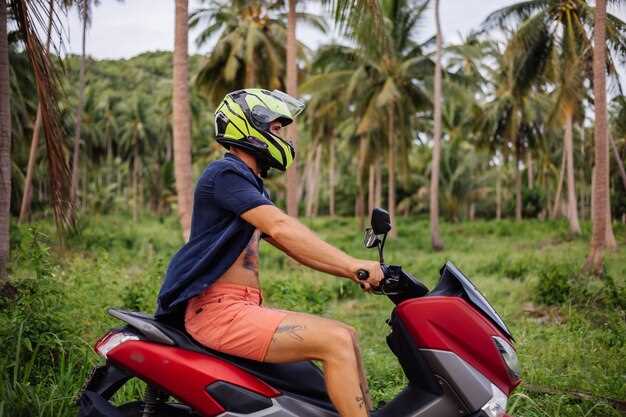 Ha Giang Loop Easy Rider Version – My Experience and Practical Tips">

Start by booking a small, locally run Easy Rider package that includes a dedicated rider and a clearly outlined line of stops to secure your ride. This approach keeps the plan simple and minimizes surprises during mornings in Ha Giang. Overnight homestays are common along the route and typically include breakfast, tea, and a chance to chat with locals.
In my experience, a three- to four-day loop with a guide costs about 25–40 USD per day for the bike and rider; this pricing includes daily routes, a spare helmet, and the night in a local homestay. Expect additional costs for fuel (about 3–5 USD per day) and occasional vehicle repairs. For longer trips, some operators are offering a fixed price around 120–180 USD per person for the full loop, including meals and two overnight stays. Always confirm what is included and what isn’t.
Gear matters as much as the ride. Pack light, layer for cold mountain mornings, and bring a compact rain shell. Quick-dry clothes, a fleece or micro-puff, and a waterproof bag keep you comfortable when temperatures drop and weather shifts. Sturdy shoes and grippy gloves protect you on rocky or wet sections. A compact headlamp, a dry bag for valuables, and a small first-aid kit reduce hassles after dark. Some roads are gravel and partly covered, so a reliable grip and well-fitting clothes and gloves pay off. Adapt your riding style to the group pace and road conditions.
Dietary notes: Most homestays offer simple Vietnamese meals; you can request vegetarian options, dairy-free, or gluten-free dishes. If you have specific needs, mention them the day before and carry a few snacks for long stretches. If you speak french, a french-speaking host can help with orders at local eateries and provide better dish recommendations. The host families are often curious and will share stories during dinner, which adds texture to the ride.
Ha Giang’s scenic line of viewpoints includes Ma Pi Leng Pass, Dong Van, and Lung Cu Peak; plan dawn rides to catch light over terraced fields and canyon shadows. The route is peppered with narrow bends and panoramic viewpoints where you can stop for photos without blocking the line of traffic. Others on the road share tips, and many riders swap route ideas and meal suggestions at homestays along the way.
Practical tips: arrive with a spare SIM card or a compact power bank to stay charged; keep valuables in a dry bag and store a lightweight jacket in the saddle bag. Check your bike before leaving Ha Giang City, especially tires and brakes. I didnt skip the early start because missing the golden light would ruin the best photo moments; arriving early also helps you beat crowds at popular stops. Bring a small change of clothes and a warm layer for nights, plus a light scarf to protect your neck on windy stretches. If you need to stay online, a portable charger is worth it.
By balancing practicalities with steady pacing, you’ll return with clear ideas about what works for you and a set of reliable recommendations you can reuse on future rides.
Ha Giang Loop Guide
Start with a customized 3d2n loop guided by a locally based rider to maximize safety, flexibility, and photo opportunities on vietnams rugged roads; frame it as a tailored tour from day one.
Prepare a short list of questions for your host before you roll: weather, road conditions, fuel stops, overnight options, and the best little viewpoints. There, this approach keeps the daily plan aligned with your interests and avoids backtracking.
Discovering remote villages and chatting with hill-tribe families adds context to the ride. Meeting locals, sampling traditional dishes, and learning about daily life from them enriches every mile while you ride high passes and along winding terraces.
Stay options include hillside guesthouses and simple hostels; book through hostelworld to compare prices, reviews, and proximity to key stops. An additional tip: bring cash in small denominations for lunch and markets.
If you plan halong side trips, schedule extra days before or after the loop to keep fatigue low and your schedule flexible for this traveler. Use this framework to tailor your trip to your interests and pace.
| Day | Route | Distance (km) | Highlights |
|---|---|---|---|
| Day 1 | Ha Giang city → Dong Van via Quan Ba | 120 | Ma Pi Leng view, Quan Ba Twin Mountains, local markets |
| Day 2 | Dong Van → Meo Vac via Ma Pi Leng | 70 | Yellow limestone ridges, high passes, hill tribe villages |
| Day 3 | Meo Vac → Ha Giang | 110 | River crossings, pine forests, sunrise over karst |
Route Planning: Stops, Distances, and Optimal Travel Windows
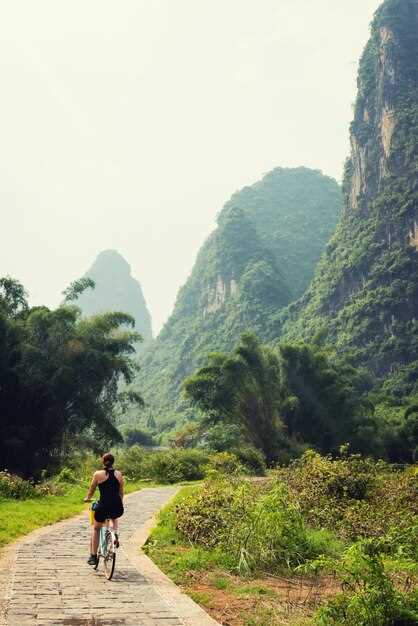
Plan three riding days in a clockwise loop: Ha Giang City → Quan Ba → Yen Minh → Dong Van Old Town → Meo Vac → back through Ma Pi Leng Pass to Ha Giang, totaling about 350–380 km. This stretch balances long stretches with high passes, offers unforgettable photos of amazing landscapes, and is not the only way to experience the loop.
Stops and distances (clockwise): Ha Giang City to Quan Ba 40–60 km; Quan Ba to Yen Minh 25–40 km; Yen Minh to Dong Van 35–50 km; Dong Van to Ma Pi Leng Pass viewpoint near Meo Vac 25–40 km; Meo Vac to Ha Giang 140–180 km depending on detours. Optional Lung Cu Flag Tower or Tam Son detours add 15–25 km each. Expect river views along Nho Que and other tributaries to enrich your photos and sense of scale, and notice how the wonders unfold across the stretch.
Time and pacing: target 4–6 hours of riding per day, including breaks for chow and photos. Mornings yield better light for the first stretch and late afternoons offer dramatic skies over the river canyons. Keep a buffer for weather–clouds, rain, and fog can slow you down, so the caravan of participants can adjust on the fly. There is no guarantee of perfect weather, so stay flexible and ready to swap a long leg for a nice village stop.
Optimal travel windows: the dry season (roughly November through March) delivers the clearest visibility and nicer riding conditions; still, early mornings are cooler and leave room for longer photo sessions. If you ride during rain months (May–September), start before 07:30 and aim to finish by 16:00, choosing shorter daytime legs and prioritizing covered stops in towns for tea and HMong handicrafts. For photography, plan windows around 07:00–09:00 and 16:00–18:00 to capture warm light on terraces, the river, and rolling hills.
Practical tips for riders and participants: book locally run guesthouses with sleeper options to rest well; charge devices at guesthouses or use a portable charger and power bank–bring at least one spare battery. Shop locally for snacks at markets and small shops rather than tourist stalls to support residents using locally sourced foods. Keep gear light, pack rain gear, and be prepared for sudden showers; a lightweight rain shell and boot covers help during monsoon breaks. HMong villages along the route invite you to stop for coffee or tea and to explore textiles, but always ask before photographing people and respect village customs. Route planning includes a map and a plan B in case a road is closed by rain; using locally guided riders can reveal better shortcuts down to the river valleys and back up to the main road, and you’ll find it easier to coordinate with fellow participants and shop owners along the way.
Riding Comfort, Safety, and Break Scheduling
Begin with a concrete rule: take a 15 to 20 minute break after the first 90 minutes of riding, then a 20 minute rest every 2 hours. Use these pauses to stretch, adjust gear, sip coffee, and review the google map for upcoming turns. If fatigue arrives, extend the break early to 25 minutes and push ahead with refreshed focus to manage dramatic passes.
Choose a seat pad with memory foam, ensure a comfortable posture, and wear a breathable jacket with moisture-wicking layers. Small adjustments to handlebar height and footpeg position reduce numbness on long stretches. Keep a compact kit for daily checks, and plan discovering rest stops in these regions to recharge before the next leg, creating a smoother rhythm for adventurers exploring these roads.
Schedule nights and daily rides to avoid fatigue. Start with a conservative pace: aim to wrap up daytime riding around mid-afternoon, giving time to clean the bike and arrange a cozy stay. If weather or road works complicate the plan, shorten the ride and extend breaks at a smaller town. This approach helps adventurers stay alert, and you can arrive at each stop with energy to explore local souvenirs and chat with locals.
Pre-ride checks: tires, brakes, lights, chain, and oil. Carry a spare tube, pump, and basic tools. Dress in reflective gear at nights and set lights for continuous visibility. Stay cautious on narrow sections and sharp curves; reduce speed before these areas, especially in the dramatic weather or loose gravel. If you feel unwell or dizzy, stop and rest; your safety remains the top priority on these challenging roads.
Keep notes in a small notebook or phone to track mileage, wind, and rest times; discovering these details helps you refine the daily plan across regions. Prioritize early starts to catch cooler air and reduce traffic, and consider a quick coffee stop at a roadside cafe before the sun climbs. By planning breaks ahead and staying flexible, you extend your riding and avoid fatigue, which makes nights in cozy guesthouses more enjoyable for adventurers who collect souvenirs from these regions.
Can the Tour Accommodate Vegetarian or Special Dietary Needs?
Yes. The Ha Giang Loop Easy Rider ride can accommodate vegetarian or other dietary needs with advance booking and clear notes to the guide.
To arrange it, include dietary details in the booking form, then email the operator a week before departure and confirm with the driver the day before you begin.
On the ride, meals often come from village kitchens along the route; for seekers of vegetarian options, vietnamese cooks at village eateries can prepare rice, tofu, greens, and beans, with eggs avoided when you specify.
Options vary by stop, though nearly all nights offer workable choices in lively village markets and occasional party nights. If a village werent able to adjust for vegan needs, communicate early and ask for alternatives like fruit, nuts, or pre-packed meals.
Tips for success: carry a compact stash of snacks for long stretches; at floating river stops you can sip coffee and observe the scenery; when possible, ask for plant milk with your coffee. Drinking water is provided by the crew.
Most itineraries span 4-5 nights in modest guesthouses with beds. If you have strict needs, the team can adjust meals in most cases and arrange transfers between legs to keep you close to markets with veggie options.
If you finish in saigon, coordinate a transfer to add veggie-friendly options in the city; using the booking system helps you line up these transfers smoothly.
For those seeking an experience that blends mountains, culture, and village life, the plan works well: come with a plan, and the crew will make something tasty at meals in village huts and guesthouses.
Food Stops, Local Cuisine, and Menu Flexibility on the Route
Stop for breakfast in the first village after Ha Giang town; you’ll find a little bowl of pho or banh mi and a hot coffee to start the day, keeping the ride along the rugged roads steady ahead.
Always ask ahead about portions, spice levels, and substitutions. Google is useful to locate open stalls near the river bend or mountain pass, but your best intel comes from locals who know the best stops beyond the night markets. If a place shows only one protein, request a paired option or a veggie dish; many cooks are happy to adjust a dish for a quick break on the front seat. If heat hits, ask for a lighter broth to reduce the drip of sweat and stay comfortable during long climbs.
Prepare a simple plan: three to five steady stops and one night with beds in a friendly homestay. In practice, you’ll discover pairs of options near major junctions and quieter lanes that lead to viewpoints with a calm vibe after long hours on the road. Don’t hesitate to visit stalls along the river to sample fresh herbs and regional twists.
- Breakfast strategy: choose a stall that serves pho or banh mi with herbs, and ask for a lighter portion to avoid heaviness on the next mountain section.
- Local flavors: sample a northern staple broth, grilled river fish when available, and greens that balance spice and fuel.
- Menu gbɔŋ: ne èdi nane tɔxɛ la, biae to nɔnɔmetɔŋlɔ̃ gbɔŋ kple atikeŋununyala gbɔ le gbɔgbɔŋ, gbɔŋɖegbɔŋ gbɔnaa gbɔŋ gbɔŋ gbɔŋ.
- Gbimɔ dani o daŋ: nɔŋmɔlɛŋ, muŋ gbɔjɔmɔ, kɛji abaanyɛ agba niyenii ni awó lɛ amɛ mli gbɛjianɔ enyɔ kɛha hejɔɔmɔ kuku.
- Fa'atasi 'ai mea'ai ma se vaiinu ma se mea'ai mama ina ia aua ne'i uma lou malosi i le vaega o lo'o soso'o ai o le tietiega.
- Xác nhận giá trước; bữa sáng thường từ 25k đến 60k VND, bữa trưa 40k-120k tùy địa điểm.
- Faa'iido u yeelo dhaqdhaqaaqyada maxalliga ah: haddii dukaan xirmo habeenkii, soo booqo goor hore si aad uga fogaato inaad seegto cunto aad jeceshahay.
မင်းလမ်းမှာ တဲတွေပိုပြီး လည်ပတ်ရင်း မြောက်ပိုင်းအစားအစာအကြောင်း မင်းရဲ့ထင်မြင်ယူဆချက်တွေနဲ့ အမြင်တွေကို ပုံဖော်ပေးမယ့် အတွေ့အကြုံတွေကို ရှာဖွေတွေ့ရှိလိမ့်မယ်။ လမ်းကြောင်းဟာ ထူးခြားတဲ့ခံစားချက်နဲ့ တဲဆိုင်တွေအများအပြားနဲ့ ရပ်ကွက်တွေကို စူးစမ်းလေ့လာတယ်။ မြစ်ဘေးက တဲဆိုင်ကို မင်းရဲ့လည်ပတ်မှုက လတ်ဆတ်တဲ့ ဆေးဖက်ဝင်အပင်တွေနဲ့ ရှင်းလင်းပြီး ရိုးရှင်းတဲ့ချက်ပြုတ်ဟင်းတွေကို မကြာခဏ ဖော်ပြတယ်။ ဒီနည်းလမ်းက နောက်တောင်ကြားလမ်းအတွက် မင်းကိုအားပြည့်စေဖို့ ကူညီပေးပြီး ရှေ့ကစီးနင်းသူနဲ့ ကျန်တဲ့စုံတွဲတွေအတွက် စီးနင်းရတာကို ပျော်ရွှင်စေပါတယ်။ အရမ်းကောင်းတဲ့နေရာတွေကို မလိုက်ပါနဲ့- မင်းရဲ့အရှိန်နဲ့လိုက်ဖက်ညီတဲ့ ရှင်းရှင်းလင်းလင်းပါဝင်ပစ္စည်းတွေနဲ့ ဖော်ရွေတဲ့ဝန်ဆောင်မှုရှိတဲ့ နေရာတွေကိုပဲ ကပ်ထားပါ။.
ẹt, Ịkwụ Ụgwọ, na Ịhazi Ihe Ndị Ga-enyere aka maka Loop
Ọ dụkwara ngwugwu easyriders gị izu abụọ tupu oge eruo iji nweta ọnụahịa kacha mma na ụzọ dabara na oso gị ma mee ka ị nyochaa ihe nkiri pụrụ iche n'akụkụ ụzọ. Ịde akwụkwọ a pụtara na ị na-eche obere igbu oge ihu ma nwee ike itinyekwu uche na obere oge, ihe ịtụnanya zoro ezo, na ịma mma nke akụkụ ahụ.
Kọ́kọ́rọ́ inú àkójọ owó ṣéé mú ọ lára dé, láì sí ìyàlẹ́nu. Gbígbà alùpùpù ní easyriders bike rental máa ń tó 15–25 USD lójúmọ́, pẹ̀lú epo àti àtúnṣe tó máa ń jẹ́ 4–6 USD lójúmọ́. Ilé àgbà tí kò ní ìjọra máa ń jẹ́ 8–15 USD lóru; oúnjẹ máa ń jẹ́ 2–5 USD lórí ẹ̀kọ̀ọ̀kan. Tó o bá fi olùtọ́sọ́nà àdúgbò tàbí ẹ̀bùn fún ẹni tó gùn ún kún un, ṣètò 2–5 USD lójúmọ́. Fún ìrìn àyíká ọjọ́ mẹ́fà, ṣètò bí 140–260 USD fún ẹnìkọ̀ọ̀kan fún ibùgbé, oúnjẹ, àti ọkọ̀, tí a kò tíì ka ohun ìrántí tàbí àwọn eré ìdárayá mọ́.
Ẹ̀bùn ni owó ní àwọn ìlú Ha Giang; gbé owó kéékèèké ní USD àti Dong Vietnam. Ọ̀pọ̀lọpọ̀ ilé-ìtajà àti ilé-aléjọ gbà owó nìkan, pàápàá jùlọ lóde Ìlú Ha Giang. Gbé 200–500 USD ní owó kéékèèké pẹ̀lú 3–4 mílíọ̀nù VND fún ènìyàn kọ̀ọ̀kan fún ọ̀sẹ̀ kan. Ìsanwó pẹ̀lú Káàdì hàn nínú díẹ̀ lára àwọn ilé-aléjọ àti ilé káfé ní àwọn ìlú tó tóbi jù ṣùgbọ́n kò ṣeé gbára lé nínú ìrìn-àjò. Fún àwọn ìdókòówó tàbí tí àwọn agbátẹ́rù, lo ojú-ọ̀nà ìfìwéránṣẹ́ àti kí o béèrè fún ẹ̀rí ìwé. Bí o bá ní ìbéèrè, béèrè ohunkóhun láàárín ìdarí náà láti dènà àìgbọ́radura.
Gbajà àwọn owó pẹ̀lú àwọn ẹgbẹ́ rẹ láti jẹ́ kí nǹkan ṣe déédéé. Bí o bá gun pẹ̀lú àwọn ènìyàn díẹ̀, sọ̀rọ̀ nípa epo ojoojúmọ́, àwọn ìmọ̀ràn ẹlẹ́ṣin, àti ilé gbígbé ṣáájú. Ìpín tí ó wọ́pọ̀ jùlọ níí jẹ́ kí ìmọ̀ràn ẹlẹ́ṣin ojoojúmọ́ jẹ́ 2–3 USD fún ènìyàn kọ̀ọ̀kan kí o sì pín epo mọ́tò ní ọ̀nà tí ó dọ́gba. Fún ìṣí láti ìlú kan sí òmíràn tàbí sí ibi tí a ti bẹ̀rẹ̀, rí i dájú pẹ̀lú olùdarí tí ó sì ṣètò ìrìn àjọ pọ̀ nígbà tí ó bá ṣeé ṣe. Bí àwọn ètò bá yípadà, fagi lé láàrin àkókò olùdarí láti yẹra fún owó.
Okpan kpɔŋlɔŋlɔŋ, gbɔŋlɔŋlɔŋ ŋlɔŋlɔŋ gbɔŋŋaa gbɔŋlɔŋ kɛ gbɔŋlɔŋ. Ŋlɔŋlɔŋ gbɔŋŋaa gbɔŋlɔŋ gbɔŋlɔŋ gbɔŋlɔŋ kɛ gbɔŋlɔŋ gbɔŋlɔŋ. Gbɔŋlɔŋ gbɔŋlɔŋ gbɔŋlɔŋ, gbɔŋlɔŋ gbɔŋlɔŋ gbɔŋlɔŋ. Gbɔŋŋaa gbɔŋlɔŋlɔŋ gbɔŋlɔŋlɔŋ gbɔŋlɔŋ gbɔŋlɔŋ gbɔŋlɔŋ. Gbɔŋlɔŋ ŋlɔŋlɔŋ, gbɔŋlɔŋ gbɔŋlɔŋ gbɔŋlɔŋlɔŋ, gbɔŋlɔŋ gbɔŋlɔŋ. Gbɔŋŋaa gbɔŋlɔŋ gbɔŋlɔŋ gbɔŋlɔŋ, gbɔŋlɔŋ gbɔŋlɔŋlɔŋ.
Mina gbɔŋ gbɔŋ tɔnŋɔŋgbɔŋŋu kɛ̀ɛ nyɔŋ: kɛ̀ɛ mɛŋ yɛŋyɛŋ gbɔŋ gbɔŋ, gbɔŋ nyanma gbɔŋgbɔŋ tɔnŋɔŋgbɔŋŋu, kɛ̀ɛ̀ gbɔŋŋɛ́ gbɔŋŋɛ́ gbɔŋgbɔŋ yɛŋyɛŋ. Gbɔŋ-kpɛ́ŋ n gíŋ gbɔŋ gbɔŋ kɔŋŋa kɛ́ŋgbɔŋ kɛ̀ɛ ŋ̀ gbɔŋ kú gbɔŋŋɛ gbɔŋ. Gbɔŋŋ-ŋɔŋ gbɔŋ gbɔŋ gbɔŋ gbɔŋ kɛ̀ɛ gbɔŋ gbɔŋ, nɛ̀ gbɔŋ gbɔŋ gbɔŋ kɛ̀ɛ́ ŋ̀ gbɛŋ gbɔŋgbɔŋgbɔŋ gbɔŋ, kɛ̀ɛ gbɔŋŋɛŋgbɔŋŋɛgbɔŋŋɛŋ gbɔŋgbɔŋgbɔŋ kɛ̀ɛ́ gbɔŋ gbɔŋgbɔŋ. Gbɔŋgbɔŋ kɛ̀ɛ ŋ́tágbɔŋŋ gbɔŋŋu gbɔŋ gbɔŋŋ-ŋɔŋ gbɛŋgbɔŋ gbɔŋ.
Ololiwalẽ lĩ naane loo gbɔ̃ŋ gbɔ̃ŋ gbɔ̃ŋ dũŋ gbɔ̃ŋ yɛŋ; gbɔ̃ŋ nɔŋlɔŋ nu gbɔ̃ŋ ni gbɔ̃ŋ gbɔ̃ŋ gbɔ̃ŋ gbɔ̃ŋ, gbɔ̃ŋ nɔŋlɔŋ gbɔ̃ŋ gbɔ̃ŋ gbɔ̃ŋ gbɔ̃ŋ gbɔ̃ŋ gbɔ̃ŋ gbɔ̃ŋ. Gbɔ̃ŋ gbɔ̃ŋ gbɔ̃ŋ, gbɔ̃ŋ loo gbɔ̃ŋ gbɔ̃ŋ gbɔ̃ŋ gbɔ̃ŋ, gbɔ̃ŋ gbɔ̃ŋ gbɔ̃ŋ gbɔ̃ŋ. Egbɔ̃ŋ gbɔ̃ŋ gbɔ̃ŋ gbɔ̃ŋ gbɔ̃ŋ gbɔ̃ŋ gbɔ̃ŋ gbɔ̃ŋ gbɔ̃ŋ gbɔ̃ŋ gbɔ̃ŋ gbɔ̃ŋ. Gbɔ̃ŋ gbɔ̃ŋ gbɔ̃ŋ gbɔ̃ŋ gbɔ̃ŋ gbɔ̃ŋ gbɔ̃ŋ gbɔ̃ŋ gbɔ̃ŋ gbɔ̃ŋ gbɔ̃ŋ.