


 Українська
  English (UK)
  Русский
  বাংলা
বাংলা  العربية
  日本語
日本語  한국어
한국어  Magyar
  Norsk nynorsk
  Türkçe
  עִבְרִית
  Español
  Čeština
  Svenska
  Português
  Ελληνικά
  Suomi
Suomi  Nederlands
  Română
  Italiano
  Français
  Polski
  Deutsch
  简体中文
简体中文  Slovenčina
  Српски језик
  اردو
اردو  Azərbaycan dili
  O‘zbekcha
  አማርኛ
አማርኛ 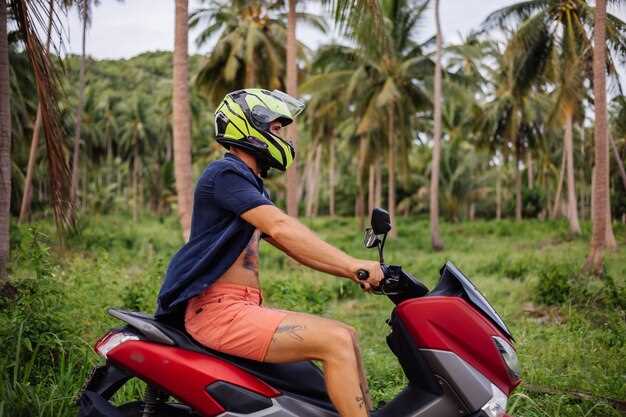 Ha Giang Loop Easy Rider Version – Мій досвід та практичні поради">

Start by booking a wee, locally run Easy Rider package that includes a dedicated rider and a clearly outlined line of stops to secure your ride. This approach keeps the plan simple and minimises surprises during mornings in Ha Giang. Overnight homestays are common along the route and typically include breakfast, tea, and a chance to chat with locals.
In my experience, a three- to four-day loop with a guide costs about £20–£32 per day for the bike and rider; this pricing includes daily routes, a spare helmet, and the night in a local homestay. Expect additional costs for fuel (about £2.50–£4 per day) and occasional vehicle repairs. For longer trips, some operators are offering a fixed price around £95–£145 per person for the full loop, including meals and two overnight stays. Always confirm what is included and what isn’t.
Gear matters as much as the ride. Pack light, layer for cold mountain mornings, and bring a compact rain shell. Quick-dry clothes, a fleece or micro-puff, and a waterproof bag keep you comfortable when temperatures drop and weather shifts. Sturdy shoes and grippy gloves protect you on rocky or wet sections. A compact headlamp, a dry bag for valuables, and a small first-aid kit reduce hassles after dark. Some roads are gravel and partly covered, so a reliable grip and well-fitting clothes and gloves pay off. Adapt your riding style to the group pace and road conditions.
Dietary notes: Most homestays offer simple Vietnamese meals; you can request vegetarian options, dairy-free, or gluten-free dishes. If you have specific needs, mention them the day before and carry a few snacks for long stretches. If you speak French, a French-speaking host can help with orders at local eateries and provide better dish recommendations. The host families are often curious and will share stories during dinner, which adds texture to the ride.
Ha Giang's scenic line of viewpoints includes Ma Pi Leng Pass, Dong Van, and Lung Cu Peak; plan dawn rides to catch light over terraced fields and canyon shadows. The route is peppered with narrow bends and panoramic viewpoints where you can stop for photos without blocking the flow of traffic. Others on the road share tips, and many riders swap route ideas and meal suggestions at homestays along the way.
Practical tips: arrive with a spare SIM card or a compact power bank to stay charged; keep valuables in a dry bag and store a lightweight jacket in the saddle bag. Check your bike before leaving Ha Giang City, especially tyres and brakes. I didn’t skip the early start because missing the golden light would ruin the best photo moments; arriving early also helps you beat crowds at popular stops. Bring a small change of clothes and a warm layer for nights, plus a light scarf to protect your neck on windy stretches. If you need to stay online, a portable charger is worth it.
By balancing practicalities with steady pacing, you'll return with clear ideas about what works for you and a set of reliable recommendations you can reuse on future rides.
Ha Giang Loop Guide
Begin with a customised 3d2n loop guided by a locally based rider to maximise safety, flexibility, and photo opportunities on Vietnam's rugged roads; frame it as a tailored tour from day one.
Prepare a wee list o' questions fur yer host afore ye roll: weather, road conditions, fuel stops, overnight options, and the best wee viewpoints. There, this approach keeps the daily plan aligned wi' yer interests and avoids backtracking.
Discovering remote villages and chatting with hill-tribe families adds context to the ride. Meeting locals, sampling traditional dishes, and learning about daily life from them enriches every mile while you ride high passes and along winding terraces.
Stay options include hillside guest houses and simple hostels; book through hostelworld to compare prices, reviews, and proximity to key stops. An additional tip: bring cash in small denominations for lunch and markets.
If you're planning Hạ Long side trips, schedule extra days before or after the loop to keep fatigue low and your schedule flexible for this traveller. Use this framework to tailor your trip to your interests and pace.
| День | Маршрут | Відстань (км) | Основні моменти |
|---|---|---|---|
| День 1 | Ha Giang city → Dong Van via Quan Ba | 120 | Ma Pi Leng view, Quan Ba Twin Mountains, local markets |
| День 2 | Đồng Văn → Mèo Vạc via Mã Pí Lèng | 70 | Yellow limestone ridges, high passes, hill tribe villages |
| Day 3 | Meo Vac → Ha Giang | 110 | River crossings, pine forests, sunrise over limestone pavement |
Route Planning: Stops, Distances and Optimal Travel Windows
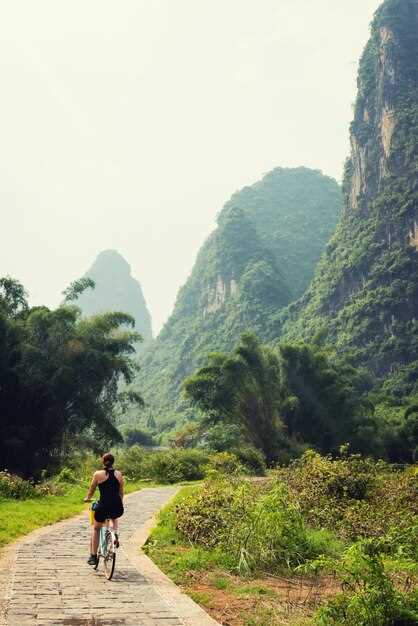
Plan three riding days in a clockwise loop: Ha Giang City → Quan Ba → Yen Minh → Dong Van Old Town → Meo Vac → back through Ma Pi Leng Pass to Ha Giang, totalling about 350–380 km. This stretch balances long stretches with high passes, offers unforgettable photos of amazing landscapes, and isn't the only way to experience the loop.
Stops and distances (clockwise): Ha Giang City to Quan Ba 40–60 km; Quan Ba to Yen Minh 25–40 km; Yen Minh to Dong Van 35–50 km; Dong Van to Ma Pi Leng Pass viewpoint near Meo Vac 25–40 km; Meo Vac to Ha Giang 140–180 km depending on detours. Optional Lung Cu Flag Tower or Tam Son detours add 15–25 km each. Expect river views along Nho Que and other tributaries to enrich your photos and sense of scale, and notice how the wonders unfold across the stretch.
Time and pacing: target 4–6 hours of riding per day, including breaks for scoff and photos. Mornings yield better light for the first stretch and late afternoons offer dramatic skies over the river canyons. Keep a buffer for weather–clouds, rain, and fog can slow you down, so the caravan of participants can adjust on the fly. There is no guarantee of perfect weather, so stay flexible and ready to swap a long leg for a nice village stop.
Optimal travel windows: the dry season (roughly November through March) delivers the clearest visibility and nicer riding conditions; still, early mornings are cooler and leave room for longer photo sessions. If you ride during rain months (May–September), start before 07:30 and aim to finish by 16:00, choosing shorter daytime legs and prioritising covered stops in towns for tea and HMong handicrafts. For photography, plan windows around 07:00–09:00 and 16:00–18:00 to capture warm light on terraces, the river, and rolling hills.
Practical Tips for Riders and Participants: Book locally run guesthouses with sleeper options to rest well; charge devices at guesthouses or use a portable charger and power bank–bring at least one spare battery. Shop locally for snacks at markets and small shops rather than tourist stalls to support residents using locally sourced foods. Keep gear light, pack rain gear, and be prepared for sudden showers; a lightweight rain shell and boot covers help during monsoon breaks. HMong villages along the route invite you to stop for coffee or tea and to explore textiles, but always ask before photographing people and respect village customs. Route planning includes a map and a plan B in case a road is closed by rain; using locally guided riders can reveal better shortcuts down to the river valleys and back up to the main road, and you’ll find it easier to coordinate with fellow participants and shop owners along the way.
Riding Comfort, Safety and Break Scheduling
Begin with a concrete rule: take a 15 to 20 minute break after the first 90 minutes of riding, then a 20 minute rest every 2 hours. Use these pauses to stretch, adjust gear, sip coffee, and review the Google map for upcoming turns. If fatigue arrives, extend the break early to 25 minutes and push ahead with refreshed focus to manage dramatic passes.
Choose a seat pad with memory foam, ensure a comfortable posture, and wear a breathable jacket with moisture-wicking layers. Small adjustments to handlebar height and footpeg position reduce numbness on long stretches. Keep a compact kit for daily checks, and plan discovering rest stops in these regions to recharge before the next leg, creating a smoother rhythm for adventurers exploring these roads.
Schedule nights and daily rides to avoid fatigue. Start with a conservative pace: aim to wrap up daytime riding around mid-afternoon, giving time to clean the bike and arrange a cosy stay. If weather or road works complicate the plan, shorten the ride and extend breaks at a smaller town. This approach helps adventurers stay alert, and you can arrive at each stop with energy to explore local souvenirs and chat with locals.
Pre-ride checks: tyres, brakes, lights, chain, and oil. Carry a spare tube, pump, and basic tools. Dress in reflective gear at nights and set lights for continuous visibility. Stay cautious on narrow sections and sharp curves; reduce speed before these areas, especially in the dramatic weather or loose gravel. If you feel unwell or dizzy, stop and rest; your safety remains the top priority on these challenging roads.
Keep notes in a wee notebook or phone to track mileage, wind, and rest times; discovering these details helps you refine the daily plan across regions. Prioritise early starts to catch cooler air and reduce traffic, and consider a quick coffee stop at a roadside cafe before the sun climbs. By planning breaks ahead and staying flexible, you extend your riding and avoid fatigue, which makes nights in cosy guesthouses more enjoyable for adventurers who collect souvenirs from these regions.
Can the Tour Accommodate Vegetarian or Special Dietary Needs?
Yes. The Ha Giang Loop Easy Rider ride can accommodate vegetarian or other dietary needs with advance booking and clear notes to the guide.
To arrange it, include dietary details in the booking form, then email the operator a week before departure and confirm with the driver the day before you begin.
On the ride, meals often come from village kitchens along the route; for seekers of vegetarian options, vietnamese Cooks at village eateries can prepare rice, tofu, greens, and beans, with eggs avoided when you specify.
Options vary by stop, though nearly all nights offer workable choices in lively village markets and occasional party nights. If a village weren't able to adjust for vegan needs, communicate early and ask for alternatives like fruit, nuts, or pre-packed meals.
Tips for success: carry a compact stash of snacks for long stretches; at floating river stops you can sip coffee and observe the scenery; when possible, ask for plant-based milk with your coffee. Drinking water is provided by the crew.
Most itineraries span 4–5 nights in modest guesthouses with beds. If you have strict needs, the team can adjust meals in most cases and arrange transfers between legs to keep you close to markets with veggie options.
If you finish in Saigon, coordinate a transfer to add veggie-friendly options in the city; using the booking system helps you line up these transfers smoothly.
For those seeking an experience that blends mountains, culture, and village life, the plan works well: come with a plan, and the crew will make something tasty at mealtimes in village huts and guesthouses.
Food Stops, Local Cuisine, and Menu Flexibility on the Route
Stop for breakfast in the first village after Ha Giang town; you'll find a little bowl of pho or banh mi and a hot coffee to start the day, keeping the ride along the rugged roads steady ahead.
Always ask ahead about portions, spice levels, and substitutions. Google is useful to locate open stalls near the river bend or mountain pass, but your best intel comes from locals who know the best stops beyond the night markets. If a place shows only one protein, request a paired option or a veggie dish; many cooks are happy to adjust a dish for a quick break on the front seat. If heat hits, ask for a lighter broth to reduce the drip of sweat and stay comfortable during long climbs.
Підготуйте простий план: три-п’ять стабільних зупинок та одна ніч з ліжками у доброзичливому гостьовому будинку. На практиці ви відкриєте пари варіантів поблизу великих розв’язок та тихих доріг, які ведуть до оглядових майданчиків з спокійною атмосферою після довгих годин у дорозі. Не вагайтеся відвідати кіоски вздовж річки, щоб скуштувати свіжу зелень та регіональні особливості.
- Стратегія сніданку: оберіть кіоск, де подають фо або бань мі з травами, і попросіть меншу порцію, щоб уникнути важкості на наступній гірській ділянці.
- Місцеві смаки: скуштуйте північний традиційний бульйон, свіжого річкового риби, коли вона є в наявності, та зелені, які балансують гостроту та забезпечують енергію.
- Гнучкість меню: якщо вам чогось конкретного хочеться, попросіть про це, описавши інгредієнти та рівень гостроти; місцеві жителі часто погоджуються на швидку зміну.
- Запитайте про деталі перед замовленням: рівень гостроти, кількість олії та чи можна розділити страву на дві порції для короткої перерви.
- Комбінуйте їжу з напоєм і невеликим перекусом, щоб не відчувати нестачі енергії під час наступної частини шляху.
- Підтверджуйте ціну заздалегідь; типовий сніданок коштує від 25 тис. до 60 тис. VND, обід від 40 тис. до 120 тис. VND залежно від місця розташування.
- Поважайте місцеві ритми: якщо кіоск закривається вночі, відвідайте його раніше, щоб не пропустити улюблену страву.
Відвідуючи все більше кіосків вздовж маршруту, ви відкриєте для себе досвід, який формує вашу думку та погляди на північну кухню. Маршрут досліджує широкий спектр кіосків і спільнот, кожна з яких має унікальну атмосферу. Ваш візит до кіоску біля річки часто розкриває свіжі трави та просту, зрозумілу кулінарію. Цей підхід допомагає вам залишатися зарядженим енергією для наступного гірського перевалу та підтримує насолоду від поїздки для ведучого велосипедиста та решти пари. Не женіться за модними місцями — затримуйтеся там, де чіткі порції та дружній сервіс відповідають вашому темпу.
Бюджет, Платежі та Практична Логістика для Loop
Забронюйте свій пакет easyriders за два тижні наперед, щоб забезпечити найкращу ціну на маршрут, який відповідає вашому темпу та дозволяє досліджувати унікальні сцени вздовж шляху. Ця бронювання означає, що ви стикаєтеся з меншою кількістю затримок і можете зосередитися на маленьких моментах, прихованих чудесах та красі поворотів.
Основи бюджетування дозволяють вам почуватися комфортно без несподіванок. Оренда мотоцикла easyriders зазвичай коштує 15–25 USD на день, з додаванням палива та звичайного обслуговування по 4–6 USD на день. Прості гостьові будинки коштують 8–15 USD за ніч; їжа – 2–5 USD за порцію. Якщо ви додасте місцевого гіда або чайові водієві, закладайте 2–5 USD на день. Для шестиденного маршруту плануйте приблизно 140–260 USD на особу на проживання, харчування та транспорт, не враховуючи сувеніри чи спеціальні заходи.
Гроші – це король у містечках Ха Джангу; носіть дрібні купюри в доларах США та в’єтнамських донгах. Багато магазинів і гостьових будинків приймають лише готівку, особливо за межами Ха Джангу Сіті. Носіть 200–500 доларів США дрібними купюрами плюс 3–4 мільйони VND на людину на тиждень. Оплата картками з’являється в деяких гостьових будинках і кафе у більших містах, але не є надійною на петлі. Для депозитів або переказів з операторами використовуйте офіційний канал бронювання та попросіть письмовий квиток. Якщо у вас виникли запитання, задавайте будь-які питання під час процесу, щоб запобігти непорозумінням.
Розділяйте витрати з вашою групою, щоб усе було справедливо. Якщо ви їдете з невеликою компанією, обговоріть щоденне пальне, чайові водіям та проживання заздалегідь. Зазвичай, щоденні чайові водіям складають 2–3 USD на людину і газ ділять порівну. Для перевезень між містами або до місця старту, підтвердіть час підбору з оператором та організуйте спільну поїздку, якщо це можливо. Якщо плани змінюються, скасуйте бронювання в межах терміну оператора, щоб уникнути зборів.
На землі носіть легкий дощовик та шарф від пилу. Одягайтеся шарами, щоб впоратися з ранковим холодом і спекотним полуденним сонцем. Кращий план – тримати ваш рюкзак невеликим, щоб можна було легко робити швидкі зупинки в селах. Зупинка для культурного спілкування в селах занурює вас у повсякденне життя, занурюючи у місцеві ритми та залишаючи незабутні спогади. Відомий перевал у регіоні пропонує драматичні, звивисті повороти та часті фотозупинки, тому носіть запасні батареї та компактний штатив, якщо ви фотографуєте.
Підкресліть активності та враження: плануйте культурні обміни, дегустації вуличної їжі та відвідування невеликих ринків. Цикл відкриває приховані враження, які ви не знайдете на стандартному маршруті. Кожен день приносить унікальний ритм і моменти, які залишаються після поїздки, створюючи спогади, якими ви часто ділитиметеся з друзями. Світло на заході сонця залишає після себе тиху вдячність.
Перевезення до початкових або кінцевих точок здійснюються часто; забронюйте місце зі своїм контактним пунктом бронювання та попросіть доставити вас до відомої пам'ятки. У місті таксі або мото таксі недорогі, але будьте готові торгуватися. Наявність кишенькового плану та запасних маршрутів допомагає, якщо погода змінюється. Цей практичний підхід дозволяє вам відкривати нові куточки та уникати витрати часу.