


 简体中文
简体中文  English (UK)
  Русский
  বাংলা
বাংলা  العربية
  日本語
日本語  한국어
한국어  Magyar
  Norsk nynorsk
  Türkçe
  עִבְרִית
  Español
  Čeština
  Svenska
  Português
  Ελληνικά
  Suomi
Suomi  Nederlands
  Română
  Italiano
  Français
  Polski
  Українська
  Deutsch
  Slovenčina
  Српски језик
  اردو
اردو  Azərbaycan dili
  O‘zbekcha
  አማርኛ
አማርኛ 

The Last Supper, a seminal work by Leonardo da Vinci, is more than just a depiction of a biblical scene; it is a rich tapestry interwoven with historical significance, artistic genius, and deep symbolism. This article aims to explore the many facets of this masterpiece, which was built in the late 15th century in the refectory of the convent of Santa Maria delle Grazie in Milan. As we delve into the details, we will reveal how this iconic fresco has captivated audiences for centuries and continues to draw admiration from art enthusiasts around the globe.
In The Last Supper, the timing of Christ’s announcement of betrayal unfolds dramatically, capturing the instant reactions of his apostles. With a perspective that invites viewers into the scene, Leonardo masterfully places each figure in a way that highlights their emotional responses. As you examine the expressions on their faces, you may identify the horror in Judas, the friend who would betray Christ, and the calm acceptance of Christ himself, who embodies the central theme of sacrifice. This image has remained remarkably intact despite the deterioration of its medium, allowing art lovers to enjoy its beauty and depth even in the modern era.
Expert analyses and historical tours of The Last Supper often emphasize its symbolic layers, from the placement of bread and wine to the significance of the arched architecture that frames the composition. The works of both Leonardo and his contemporaries, such as the sculptor Moro, reveal a cultural depth that goes beyond aesthetics. Therefore, this article will serve as a comprehensive guide for anyone wishing to explore the curiosities of this artwork. Tickets for organized tours are often sold out, but even those unable to visit Cadorna can appreciate the legacy of The Last Supper through this analysis that aims to demonstrate just how much the painting continues to influence modern interpretations of art and religion.
Understanding the Composition of The Last Supper
Leonardo da Vinci’s “The Last Supper” demonstrates a profound understanding of composition that has captivated audiences since its creation. This masterpiece is not only about the depiction of Jesus and his disciples but also reflects a traditional approach to storytelling through visual arts.
The refectory walls of the Convent of Santa Maria delle Grazie serve as the backdrop for this significant event, capturing a moment in time. Each figure is meticulously arranged along a large table, enhancing the perspective and dimensionality of the scene. The positioning of Christ at the center creates a focal point that draws the viewer’s eye, establishing the narrative’s importance.
In the early 19th century, concerns about deterioration prompted restorations that focused on cleaning damaged areas and removing layers that affected the original colors. The modern availability of e-voucher systems has made visits to this historical site more accessible, allowing groups and individuals to appreciate its significance firsthand.
The interplay of light and shadow in the painting adds to the dramatic movement within the composition. Each disciple’s face reflects different emotions, emphasizing their reactions to Jesus’ announcement of betrayal. This approach underscores Leonardo’s role as an inventor of emotional storytelling within the visual medium.
For those planning to visit, it is worth booking your experience early, as the renowned work draws visitors from around the world, including cities like Washington and New York. Such preparations ensure that you can witness the detailed craftsmanship that has remained in the cloistered atmosphere for centuries, even as the artwork has deteriorated over time.
Overall, the composition of “The Last Supper” showcases Leonardo’s mastery in creating a harmonious blend of artistry and symbolism, making it an enduring subject of study for art enthusiasts and historians alike. It invites reflections on themes of faith, betrayal, and the divine, encapsulating the essence of humanity in those final moments shared by Jesus and his disciples.
What Are the Key Elements of the Composition?
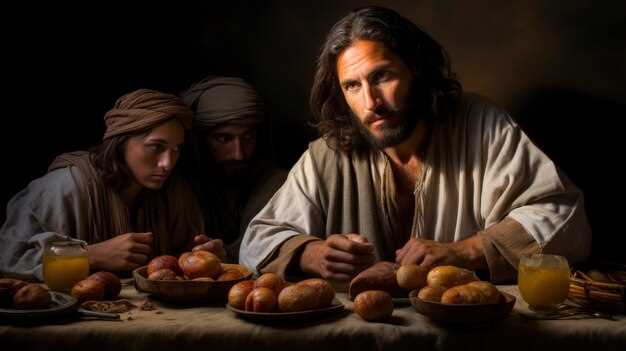
“The Last Supper” by Leonardo da Vinci is a masterful depiction that encompasses various elements contributing to its artistic significance. This composition has been analyzed by historians and experts alike, often revealing much about the time it was created.
- Arrangement of Apostles: The positioning of the thirteen figures is crucial. Each apostle’s face reflects different emotions, with Peter exhibiting anger and Judas being recognized as the traitor. This dynamic grouping creates a sense of movement and tension within the scene.
- Use of Lines: Leonardo employs strong diagonal lines that draw the viewer’s gaze toward Jesus at the center. This technique emphasizes his role as the focal point of revelation and further enhances the narrative.
- Fibonacci Proportions: The composition often reflects Fibonacci principles, enhancing the harmony and balance throughout the piece. The arrangement provides a sense of order, guiding the eye naturally through the scene.
- Background Architecture: The large windows and architectural elements, possibly inspired by the Duomo or Bramante’s designs, add depth to the surrounding space. This historic context enriches the narrative environment.
- Symbolism of Gesture: The gestures and movements of each figure tell a story. For example, the way Judas leans back, distancing himself from Jesus, amplifies the tension of betrayal. Each gesture conveys a distinct emotion, allowing viewers to explore human interaction.
- Temporal Elements: The moment chosen–during the announcement of betrayal–captivates viewers, inviting them to engage deeply with the emotional weight of the situation. This choice of timing is often regarded as a vital element in creating tension.
Overall, “The Last Supper” is a profound study in composition and symbolism. Each of these elements has contributed to its lasting impact and continues to drive curiosity for centuries, drawing visitors to museums in cities like Washington and beyond since it was first unveiled.
How Does Perspective Influence Viewer Experience?
The use of perspective in The Last Supper plays a crucial role in shaping the viewer’s experience. Leonardo da Vinci expertly applies linear perspective to create a dramatic scene that draws the viewer’s eye towards the central figure of Christ. This technique not only enhances the spatial dynamics of the composition but also intensifies the emotional engagement of the audience with the expressions of the apostles, who are captured in varying reactions to the news that one among them will betray Christ.
By placing Christ at the vanishing point, Da Vinci ensures that all lines and forms in the painting lead the viewer’s gaze toward this central figure, effectively making Him the focal point of the narrative. This placement creates a visual hierarchy that commands attention and emphasizes the significance of the moment being portrayed. The colors used throughout the scene, combined with the luminosity of the figures, create a sense of depth and realism that invites the viewer to step into the world of the painting.
References to historic and cultural elements are scattered through this masterpiece, enriching the viewer’s experience. For instance, the positioning of the apostles around the table not only tells a story but also reflects the diverse backgrounds and personalities of each figure, as stated in numerous art books. Scholars from institutions like Bloomsbury have noted how the expressions of these characters–representing shock, confusion, and despair–convey the emotional weight of the moment.
Moreover, the overall composition is characterized by carefully draped garments and large architectural elements that dictate the viewer’s movement through the painting. This dynamic not only showcases Da Vinci’s masterful technique but also highlights the importance of timing in the narrative. The scene unfolds at a moment of pivotal tension, making the viewer a participant in this historic event, rather than a mere observer.
The profound psychological impact observed in the viewer is further studied at various universities, such as the one in Washington, which has analyzed how spatial relationships within the painting contribute to a deeper understanding of symbolism. The strategic application of perspective creates a pitch of emotional clarity, allowing the audience to feel the weight of history behind the depicted last supper.
In summary, perspective is not just a technical skill in Da Vinci’s work; it plays a magnificent role in enriching the viewer’s experience, allowing them to connect with the scene on multiple levels. The last supper is not merely an image; it is a moment frozen in time, filled with narratives that continue to unfold for centuries, making it a celebrated piece in the world of art.
What Role Does Light Play in the Artwork?
Light in Leonardo da Vinci’s “The Last Supper” serves as a crucial medium that enhances the artwork’s emotional depth and symbolic significance. The strategic placement of light and shadow accentuates the faces of the apostles, allowing observers to discern their individual reactions to Christ’s revelation about betrayal. This interplay of light and dark creates a mosaic of emotions, from anger to sorrow, surrounding the pivotal moment of communion.
Leonardo’s mastery of chiaroscuro–contrasting light and shadow–draws the viewer’s attention towards Christ, who is centrally situated in the composition. His figure is bathed in divine light, effectively signifying his role as the living embodiment of revelation at the table. The light highlights his face and allows for a moment of introspection, encouraging the audience to stop and admire the scene closely.
The surrounding figures, such as Judas and Peter, are presented in soft light, their expressions illuminated in a way that reflects their inner turmoil. The last supper, steeped in historical context, captures the apostles’ emotional landscape as they grapple with the impending crucifixion. As one examines the heads of the apostles, it becomes apparent that the play of light not only enhances physical forms but also communicates psychological states.
Moreover, the late afternoon light depicted in the mural symbolizes both the end of an era for Christ and the coming of a new one. This idea resonates with the themes of sacrifice and redemption inherent in the Christian faith. The architectural elements, like the apsidal window seen above the scene, allow natural light to enter, illuminating the central figures and creating an effect that feels almost celestial.
The availability of such light contributes significantly to the overall composition. Tours of the chapel often focus on how Leonardo’s technique creates a dynamic tension in the artwork, drawing visitors toward the moment of communion. The “Last Supper” captures the interplay between divinity and humanity, using light to explore themes of betrayal and spiritual awakening. This artistic decision reflects the necessary balance Leonardo achieved between the physical representation and the emotional depth of the biblical scene.
In conclusion, the role of light in “The Last Supper” is vital. It is not merely an option among other artistic elements but a critical factor that guides viewers through the narrative of the scene. The light allows for a deeper understanding of Christ’s message and the emotional states of the apostles, making it one of the most iconic and analyzed works in the history of art.
Symbolism in The Last Supper
Leonardo da Vinci’s masterpiece, The Last Supper, is filled with rich symbolism that invites viewers to delve deeper into its meaning. The work is not only a visual marvel but a textural representation of betrayal, faith, and human emotion.
Located in the refectory of the Convent of Santa Maria delle Grazie in Milan, the painting serves as a backdrop for the dramatic moment when Jesus reveals that one of his disciples will betray him. This event is central to the Christian narrative and has been a point of admiration in various artistic mediums.
- Judas Iscariot: Represented as the traitor, Judas’ shadowy figure is markedly withdrawn from the light surrounding Jesus. His position at the table, with a finger pointing toward a bag of silver, symbolizes betrayal and greed.
- The Triangular Composition: The arrangement of the disciples creates a visual line that draws the viewer’s eye towards Christ, representing his significance amidst the chaos of revelation.
- Jesus’ Gesture:他的双臂伸展,构成一幅象征着开放和接受的画面,但同时也预示着一种不可避免的不祥之感。这种二元性反映了当下的紧张氛围。.
- 色彩与布艺人物身上所披的衣物皆为刻意设计,旨在象征人物特征——鲜艳的色彩代表充满激情的使徒,而柔和的色调则代表背叛者。 这种色彩的运用增强了情感背景和参与度。.
- 五点注意事项:这幅画利用五个不同的焦点来突出使徒们之间的情感差异,强调他们对耶稣即将被叛宣告的反应。.
在更广阔的叙事中对抹大拉的玛丽亚的描绘,可以用现代的视角来解读,从而增加历史背景和趣味性。马赛克式的技巧运用捕捉到了光和影的精髓,代表了希望和绝望的二元性。.
《最后的晚餐》,被信徒和艺术爱好者铭记于心,历经数世纪的损毁,至今仍是信仰、背叛和救赎的强大象征。其丰富的意境是观者与神圣之间的桥梁,让每位观者都能以独特的方式解读正在展开的戏剧。.
对于那些来到这座城市的游客来说,前往画廊欣赏这件艺术品仍然是一次意义重大的朝圣之旅,它反映了这位伟大画家努力捕捉的主题。.
十二使徒代表什么?
列奥纳多·达·芬奇《最后的晚餐》中描绘的十二门徒不仅仅是圣经历史中的人物;他们代表着人类对基督即将被出卖这一启示的主要情感和反应。每位门徒都体现了一种特定的反应,这增加了艺术作品叙事的深度。我们看到的第一种反应是震惊;当耶稣透露他们中的一人将背叛他时,门徒们被描绘成各种不相信和困惑的状态。.
莱昂纳多运用一种类似于斐波那契在艺术中的方法,将人物拼贴在一张大桌子周围,强调他们的人性和关系。这幅作品的创作年代可以追溯到15世纪末,画中的每位使徒都展现出独特的特征,这些特征多年来一直被一丝不苟地辨认和分析。蛋彩和油彩的运用赋予了画面一种光彩,吸引着观众的目光,从而创造了一幅时代情感的自画像。.
使徒们的身体排列也对他们的形象塑造起到了作用。在餐桌周围,我们看到他们三人一组,每三人组都展现出对比鲜明的情绪状态——从愤怒到恐惧再到悲伤——这表明在基督教历史上的一个关键时刻,他们有着共同的人类体验。彼得和约翰等主要人物占据中心位置,彼得的保护姿态和约翰的哀悼目光指向了他们作为早期教会领袖的角色。.
此外,使徒们各异的表情反映了早期基督徒所面临的需求和挑战,比如菲利普表现出不理解,而托马斯则体现了怀疑。对这些人物的细致描绘引起了观众的共鸣,使他们在欣赏艺术的同时,能够在自己的时代找到相关性。.
由于这幅著名的杰作在无数的文章和研究中被引用,包括克里斯托弗·埃德尔森在内的许多学者都仔细研究了这些使徒的形象是如何与信仰和背叛的概念相一致的。通过研究这些历史文物,人们可以更好地欣赏影响达芬奇作品的环境因素和文化背景。.
最终,《最后的晚餐》中的十二使徒不仅仅是简单的再现;他们邀请观众反思他们自己的信仰和人际关系。这幅引人注目的图像在今天仍然具有现实意义,它鼓励人们不断对话,讨论信仰、人性和艺术在我们生活中的作用。.
如何使用颜色来传达意义?
列奥纳多的《最后的晚餐》是一件杰出的作品,它展示了运用错综复杂的色彩来传达深刻意义和情感。这幅壁画位于圣玛利亚感恩教堂的食堂内,历经时间的洗礼,包括二战期间轰炸造成的破坏,但至今仍吸引着观众。.
这幅杰作中的色彩是一种视觉语言,表达了使徒们的心理状态和场景的整体环境。例如,在基督身上使用白色和苍白的色调突出了他的纯洁和神性,与他周围的较暗色调形成了鲜明的对比。这不仅吸引了人们的目光,使其集中于中心人物,也反映了在启示时刻存在的紧张情绪。.
愤怒和背叛通过围绕犹大的颜色来表达,与其他的使徒相比,他通常以更鲜明的色调描绘。他较深的服饰,以及红色和绿色的背景,象征着他的背叛,并将他与其他人物更和谐的调色板区分开来。 莱昂纳多精心挑选颜色,以引发观众的强烈反应,鼓励他们感受到叙事的沉重情感。.
此外,色彩的排列有助于增强作品的深度和维度感,引导观赏者的目光掠过整个构图。光与影之间精细的相互作用增添了整体氛围,使欣赏者沉浸在被捕捉的瞬间之中。色彩营造出一种与友谊和背叛主题直接相关的氛围,使现代观众能够在个人层面上与这个古老的故事产生联系。.
总之,在《最后的晚餐》中对色彩的战略性运用是其经久不衰的流行和影响力的根本。通过多次参观和游览,观众不断发现蕴藏在这幅标志性作品中的深刻含义,突显了达·芬奇的天才和他那个时代的艺术方法。随着现代摄影和出版技术将这件艺术品带给更广泛的受众,它的视觉表达仍然像以往一样有力,从而实现了过去与现在之间丰富的对话。.
面包和葡萄酒的意义是什么?
在列奥纳多·达·芬奇的《最后的晚餐》中,面包和葡萄酒具有深刻的意义,是对牺牲和圣餐主题的参照。在基督教信仰的语境下,这些元素代表着基督的身体和血,象征着他即将被钉在十字架上。因此,它们可以被认为是整个叙事围绕的焦点。.
在这幅杰作中,人物的战略性布局突出了面包和葡萄酒,从而吸引了观众的注意力。 莱昂纳多旨在捕捉耶稣和他的门徒在这个历史性事件中所经历的震惊和背叛。 桌上三重排列的面包和葡萄酒象征着这一时刻的神圣性,说明了从旧约到新约的过渡。.
画作中蓝色和金色的运用形成了鲜明的对比,增强了在场每个人的戏剧性表达。某些细节,比如菲利普的站位,倾向于传达一种困惑和难以置信的感觉,反映了这一时刻的复杂性。至关重要的是,这个场景发生在多米尼加修道院,突出了其重要的宗教背景。.
因此,面包和葡萄酒的呈现超越了单纯的物质元素;它们体现了耶稣信息的真谛和一种新信仰的建立。正如参观画廊和博物馆的游客欣赏这幅作品时,他们常常忽略了这些象征符号,而这些符号从根本上代表了一个牺牲和承诺的关键主题。’最后的晚餐“的最大影响在于艺术家如何以错综复杂的细节来描绘这些元素,从而邀请人们对其内容进行更深入的探索。.
这件艺术品几个世纪以来一直备受赞誉,这些年来涌现出无数的解读。尽管如此,面包和酒仍然是理解场景意义的核心。起初,它们引发了餐桌旁人群的反应,促使他们面对自己的信仰和忠诚。不幸的是,今天,在各个网站上找到的许多解释都简化了这些要素,而没有深入研究它们的真正含义。.
当人们凝视这件杰作时,它会让人联想到吉安·布拉曼特的建筑影响与达·芬奇的创作天才,最终创造出一个促使观者思考当下时刻分量的空间。《最后的晚餐》不仅是通往达·芬奇艺术世界的一个入口,也是一个重要的提醒,提醒着人们从二月到约克以及更远的地方,在各个时代产生共鸣的神学意义。.