


 Српски језик
  English (UK)
  Русский
  বাংলা
বাংলা  العربية
  日本語
日本語  한국어
한국어  Magyar
  Norsk nynorsk
  Türkçe
  עִבְרִית
  Español
  Čeština
  Svenska
  Português
  Ελληνικά
  Suomi
Suomi  Nederlands
  Română
  Italiano
  Français
  Polski
  Українська
  Deutsch
  简体中文
简体中文  Slovenčina
  اردو
اردو  Azərbaycan dili
  O‘zbekcha
  አማርኛ
አማርኛ 

The Last Supper, a seminal work by Leonardo da Vinci, is more than just a depiction of a biblical scene; it is a rich tapestry interwoven with historical significance, artistic genius, and deep symbolism. This article aims to explore the many facets of this masterpiece, which was built in the late 15th century in the refectory of the convent of Santa Maria delle Grazie in Milan. As we delve into the details, we will reveal how this iconic fresco has captivated audiences for centuries and continues to draw admiration from art enthusiasts around the globe.
In The Last Supper, the timing of Christ’s announcement of betrayal unfolds dramatically, capturing the instant reactions of his apostles. With a perspective that invites viewers into the scene, Leonardo masterfully places each figure in a way that highlights their emotional responses. As you examine the expressions on their faces, you may identify the horror in Judas, the friend who would betray Christ, and the calm acceptance of Christ himself, who embodies the central theme of sacrifice. This image has remained remarkably intact despite the deterioration of its medium, allowing art lovers to enjoy its beauty and depth even in the modern era.
Expert analyses and historical tours of The Last Supper often emphasize its symbolic layers, from the placement of bread and wine to the significance of the arched architecture that frames the composition. The works of both Leonardo and his contemporaries, such as the sculptor Moro, reveal a cultural depth that goes beyond aesthetics. Therefore, this article will serve as a comprehensive guide for anyone wishing to explore the curiosities of this artwork. Tickets for organized tours are often sold out, but even those unable to visit Cadorna can appreciate the legacy of The Last Supper through this analysis that aims to demonstrate just how much the painting continues to influence modern interpretations of art and religion.
Understanding the Composition of The Last Supper
Leonardo da Vinci’s “The Last Supper” demonstrates a profound understanding of composition that has captivated audiences since its creation. This masterpiece is not only about the depiction of Jesus and his disciples but also reflects a traditional approach to storytelling through visual arts.
The refectory walls of the Convent of Santa Maria delle Grazie serve as the backdrop for this significant event, capturing a moment in time. Each figure is meticulously arranged along a large table, enhancing the perspective and dimensionality of the scene. The positioning of Christ at the center creates a focal point that draws the viewer’s eye, establishing the narrative’s importance.
In the early 19th century, concerns about deterioration prompted restorations that focused on cleaning damaged areas and removing layers that affected the original colors. The modern availability of e-voucher systems has made visits to this historical site more accessible, allowing groups and individuals to appreciate its significance firsthand.
The interplay of light and shadow in the painting adds to the dramatic movement within the composition. Each disciple’s face reflects different emotions, emphasizing their reactions to Jesus’ announcement of betrayal. This approach underscores Leonardo’s role as an inventor of emotional storytelling within the visual medium.
For those planning to visit, it is worth booking your experience early, as the renowned work draws visitors from around the world, including cities like Washington and New York. Such preparations ensure that you can witness the detailed craftsmanship that has remained in the cloistered atmosphere for centuries, even as the artwork has deteriorated over time.
Overall, the composition of “The Last Supper” showcases Leonardo’s mastery in creating a harmonious blend of artistry and symbolism, making it an enduring subject of study for art enthusiasts and historians alike. It invites reflections on themes of faith, betrayal, and the divine, encapsulating the essence of humanity in those final moments shared by Jesus and his disciples.
What Are the Key Elements of the Composition?
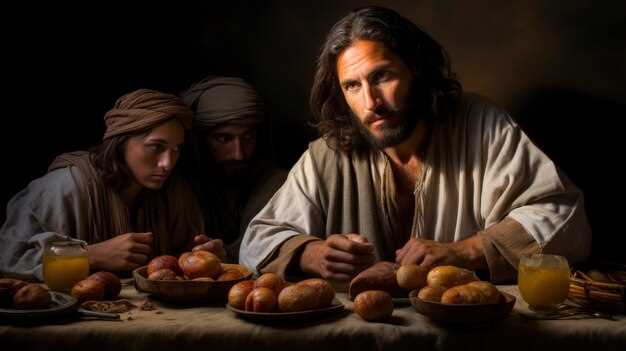
“The Last Supper” by Leonardo da Vinci is a masterful depiction that encompasses various elements contributing to its artistic significance. This composition has been analyzed by historians and experts alike, often revealing much about the time it was created.
- Arrangement of Apostles: The positioning of the thirteen figures is crucial. Each apostle’s face reflects different emotions, with Peter exhibiting anger and Judas being recognized as the traitor. This dynamic grouping creates a sense of movement and tension within the scene.
- Use of Lines: Leonardo employs strong diagonal lines that draw the viewer’s gaze toward Jesus at the center. This technique emphasizes his role as the focal point of revelation and further enhances the narrative.
- Fibonacci Proportions: The composition often reflects Fibonacci principles, enhancing the harmony and balance throughout the piece. The arrangement provides a sense of order, guiding the eye naturally through the scene.
- Background Architecture: The large windows and architectural elements, possibly inspired by the Duomo or Bramante’s designs, add depth to the surrounding space. This historic context enriches the narrative environment.
- Symbolism of Gesture: The gestures and movements of each figure tell a story. For example, the way Judas leans back, distancing himself from Jesus, amplifies the tension of betrayal. Each gesture conveys a distinct emotion, allowing viewers to explore human interaction.
- Temporal Elements: The moment chosen–during the announcement of betrayal–captivates viewers, inviting them to engage deeply with the emotional weight of the situation. This choice of timing is often regarded as a vital element in creating tension.
Overall, “The Last Supper” is a profound study in composition and symbolism. Each of these elements has contributed to its lasting impact and continues to drive curiosity for centuries, drawing visitors to museums in cities like Washington and beyond since it was first unveiled.
How Does Perspective Influence Viewer Experience?
The use of perspective in Тајна вечера plays a crucial role in shaping the viewer’s experience. Leonardo da Vinci expertly applies linear perspective to create a dramatic scene that draws the viewer’s eye towards the central figure of Christ. This technique not only enhances the spatial dynamics of the composition but also intensifies the emotional engagement of the audience with the expressions of the apostles, who are captured in varying reactions to the news that one among them will betray Christ.
By placing Christ at the vanishing point, Da Vinci ensures that all lines and forms in the painting lead the viewer’s gaze toward this central figure, effectively making Him the focal point of the narrative. This placement creates a visual hierarchy that commands attention and emphasizes the significance of the moment being portrayed. The colors used throughout the scene, combined with the luminosity of the figures, create a sense of depth and realism that invites the viewer to step into the world of the painting.
References to historic and cultural elements are scattered through this masterpiece, enriching the viewer’s experience. For instance, the positioning of the apostles around the table not only tells a story but also reflects the diverse backgrounds and personalities of each figure, as stated in numerous art books. Scholars from institutions like Bloomsbury have noted how the expressions of these characters–representing shock, confusion, and despair–convey the emotional weight of the moment.
Moreover, the overall composition is characterized by carefully draped garments and large architectural elements that dictate the viewer’s movement through the painting. This dynamic not only showcases Da Vinci’s masterful technique but also highlights the importance of timing in the narrative. The scene unfolds at a moment of pivotal tension, making the viewer a participant in this historic event, rather than a mere observer.
The profound psychological impact observed in the viewer is further studied at various universities, such as the one in Washington, which has analyzed how spatial relationships within the painting contribute to a deeper understanding of symbolism. The strategic application of perspective creates a pitch of emotional clarity, allowing the audience to feel the weight of history behind the depicted last supper.
In summary, perspective is not just a technical skill in Da Vinci’s work; it plays a magnificent role in enriching the viewer’s experience, allowing them to connect with the scene on multiple levels. The last supper is not merely an image; it is a moment frozen in time, filled with narratives that continue to unfold for centuries, making it a celebrated piece in the world of art.
What Role Does Light Play in the Artwork?
Light in Leonardo da Vinci’s “The Last Supper” serves as a crucial medium that enhances the artwork’s emotional depth and symbolic significance. The strategic placement of light and shadow accentuates the faces of the apostles, allowing observers to discern their individual reactions to Christ’s revelation about betrayal. This interplay of light and dark creates a mosaic of emotions, from anger to sorrow, surrounding the pivotal moment of communion.
Leonardo’s mastery of chiaroscuro–contrasting light and shadow–draws the viewer’s attention towards Christ, who is centrally situated in the composition. His figure is bathed in divine light, effectively signifying his role as the living embodiment of revelation at the table. The light highlights his face and allows for a moment of introspection, encouraging the audience to stop and admire the scene closely.
The surrounding figures, such as Judas and Peter, are presented in soft light, their expressions illuminated in a way that reflects their inner turmoil. The last supper, steeped in historical context, captures the apostles’ emotional landscape as they grapple with the impending crucifixion. As one examines the heads of the apostles, it becomes apparent that the play of light not only enhances physical forms but also communicates psychological states.
Moreover, the late afternoon light depicted in the mural symbolizes both the end of an era for Christ and the coming of a new one. This idea resonates with the themes of sacrifice and redemption inherent in the Christian faith. The architectural elements, like the apsidal window seen above the scene, allow natural light to enter, illuminating the central figures and creating an effect that feels almost celestial.
The availability of such light contributes significantly to the overall composition. Tours of the chapel often focus on how Leonardo’s technique creates a dynamic tension in the artwork, drawing visitors toward the moment of communion. The “Last Supper” captures the interplay between divinity and humanity, using light to explore themes of betrayal and spiritual awakening. This artistic decision reflects the necessary balance Leonardo achieved between the physical representation and the emotional depth of the biblical scene.
In conclusion, the role of light in “The Last Supper” is vital. It is not merely an option among other artistic elements but a critical factor that guides viewers through the narrative of the scene. The light allows for a deeper understanding of Christ’s message and the emotional states of the apostles, making it one of the most iconic and analyzed works in the history of art.
Symbolism in The Last Supper
Leonardo da Vinci’s masterpiece, The Last Supper, is filled with rich symbolism that invites viewers to delve deeper into its meaning. The work is not only a visual marvel but a textural representation of betrayal, faith, and human emotion.
Located in the refectory of the Convent of Santa Maria delle Grazie in Milan, the painting serves as a backdrop for the dramatic moment when Jesus reveals that one of his disciples will betray him. This event is central to the Christian narrative and has been a point of admiration in various artistic mediums.
- Judas Iscariot: Represented as the traitor, Judas’ shadowy figure is markedly withdrawn from the light surrounding Jesus. His position at the table, with a finger pointing toward a bag of silver, symbolizes betrayal and greed.
- The Triangular Composition: The arrangement of the disciples creates a visual line that draws the viewer’s eye towards Christ, representing his significance amidst the chaos of revelation.
- Исусов гест: Његове руке су испружене, стварајући композицију која означава отвореност и прихватање, али и неизбежан осећај слутње. Ова двојност одражава напетост тренутка.
- Boje i draperija: Draperija na figurama je namerno dizajnirana da označi osobine karaktera – jarke boje za strastvene apostole i prigušene nijanse za izdajnike. Ova upotreba boja pojačava emocionalni kontekst i angažovanje.
- Пет тачака на које треба обратити пажњу: Slika koristi pet različitih fokusnih tačaka koje ističu emocionalne razlike među apostolima, naglašavajući njihove reakcije na Isusovu izjavu o predstojećoj izdaji.
Prikaz Marije Magdalene u širem narativu može se tumačiti kroz savremenu prizmu, dodajući slojeve istorijskog konteksta i intrige. Upotreba tehnika nalik mozaiku hvata suštinu svetlosti i senke, predstavljajući dualnost nade i očaja.
Tajna večera, sačuvana u sećanjima vernika i ljubitelja umetnosti, preživela je vekove propadanja, ali ostaje snažan simbol vere, izdaje i iskupljenja. Njen oplemenjujući ambijent služi kao most između posmatrača i božanskog, omogućavajući svakom gledaocu da jedinstveno protumači dramu koja se odvija.
Za one koji posećuju grad, odlazak da se ovo umetničko delo vidi u galerijskom okruženju ostaje značajno hodočašće, odražavajući teme koje je ovaj veliki slikar tako marljivo pokušavao da uhvati.
Шта представља дванаест апостола?
Dvanaest apostola prikazanih na slici “Tajna večera” Leonarda da Vinčija nisu samo likovi iz biblijske istorije; oni predstavljaju glavne ljudske emocije i reakcije na otkriće Hristovog predstojećeg izdajstva. Svaki apostol personifikuje specifičan odgovor, što dodaje dubinu narativu umetničkog dela. Prva reakcija koju vidimo je šok; učenici su prikazani u različitim stanjima neverice i konfuzije dok Isus otkriva da će ga jedan od njih izdati.
Koristeći metodičan pristup sličan Fibonačijevom u umetnosti, Leonardo je kolažirao figure oko velikog stola, naglašavajući njihove ljudske osobine i odnose. Kompozicija, datirana u kasni 15. vek, prikazuje svakog apostola sa jedinstvenim karakteristikama koje su godinama pomno identifikovane i analizirane. Upotreba tempere i ulja omogućava luminiscenciju koja privlači posmatračevo oko, stvarajući autoportret emocija tog vremena.
Физички распоред апостола такође доприноси њиховом представљању. Око стола, видимо их груписане у тројке, сваки трио показује контрастна емоционална стања – од беса до страха до туге – што указује на заједничко људско искуство током кључног тренутка у хришћанској историји. Главне фигуре као што су Петар и Јован заузимају централно место, са Петровим заштитничким ставом и Јовановим жалосним погледом који указују на њихове улоге вођа у раној Цркви.
Додатно, различити изрази апостола одражавају захтеве и изазове са којима су се суочавали први хришћани, при чему ликови попут Филипа показују неразумевање, а други, попут Томе, отелотворују сумњу. Детаљан приказ ових фигура резонује са публиком, омогућавајући им да пронађу релевантност у свом времену док се баве уметношћу.
S obzirom na to da se ovo čuveno remek-delo pominje u bezbroj članaka i studija, mnogi naučnici, uključujući Kristofera Edelsona, detaljnije su proučavali kako se predstava ovih apostola usklađuje sa pojmovima vere i izdaje. Proučavanjem ovih istorijskih artefakata može se bolje shvatiti koji su to faktori životne sredine i kulturni kontekst uticali na Leonardovo delo.
У крајњем случају, дванаест апостола у “Тајној вечери” служе као више од пуких репрезентација; они позивају гледаоце да размисле о својим уверењима и односима. Ова упечатљива слика, и данас актуелна, подстиче континуирани дијалог о вери, човечности и уметности у нашим животима.
Како се боје користе за преношење значења?
“Тајна вечера” Леонарда да Винчија је изузетан рад који показује замршену употребу боје за преношење дубоког значења и емоција. Смештен у трпезарији манастира Санта Марија деле Грације, мурал је током времена претрпео разне промене, укључујући и оштећења од бомбардовања током Другог светског рата, али и данас плени гледаоце.
Боје у овом ремек-делу служе као визуелни језик, артикулишући психолошка стања апостола и целокупно окружење сцене. На пример, употреба беле и бледих нијанси на Христу истиче његову чистоту и божанственост, стварајући оштар контраст са тамнијим тоновима који га окружују. Ово не само да привлачи поглед ка централној фигури, већ и одражава емоционалну напетост присутну у тренутку откривења.
Бес и издаја су изражени кроз боје које окружују Јуду, који је често приказан у оштријим тоновима у поређењу са осталим апостолима. Његова тамнија одећа, заједно са црвеном и зеленом позадином, симболизује његову издају и одваја га од складније палете осталих фигура. Леонардо је пажљиво бирао боје како би изазвао снажне реакције гледалаца, подстичући их да осете емоционалну тежину нарације.
Štaviše, raspored boja doprinosi osećaju dubine i dimenzije u delu, vodeći pogled posmatrača kroz kompoziciju. Detaljna igra svetla i senke doprinosi sveukupnom ambijentu, uranjajući obožavaoce u uhvaćeni trenutak. Boje dočaravaju raspoloženje koje je direktno povezano sa temama prijateljstva i izdaje, omogućavajući savremenoj publici da se poveže sa ovom drevnom pričom na ličnom nivou.
У закључку, стратешка употреба боје у “Тајној вечери” је темељ њене трајне популарности и утицаја. Кроз бројне посете и обиласке, гледаоци настављају да откривају дубину значења уграђену у ово иконично дело, истичући генијалност Леонарда и уметничке методе његовог времена. Како фотографија и технике издаваштва модерног доба приближавају ово уметничко дело широј публици, његов визуелни израз остаје снажан као и увек, омогућавајући богат дијалог између прошлости и садашњости.
Шта значе леб и вино?
Hleb i vino u “Tajnoj večeri” Leonarda da Vinčija imaju dubok značaj, služeći kao referenca na teme žrtve i zajedništva. U kontekstu hrišćanske vere, ovi elementi predstavljaju telo i krv Hristovu, simbolizujući njegovo neminovno raspeće. Kao takvi, mogu se smatrati centralnom tačkom oko koje se vrti čitava naracija.
У ремек-делу, фигуре су стратешки постављене тако да се наглашавају хлеб и вино, привлачећи пажњу гледаоца. Леонардо је желео да ухвати шок и издају које су Исус и његови ученици доживели током овог историјског догађаја. Троструки распоред хлеба и вина на столу означава светост овог тренутка, илуструјући прелаз са Старог завета на Нови завет.
Plava i zlatna boja u umetničkom delu pružaju upečatljiv kontrast, pojačavajući dramatičan izraz svake prisutne osobe. Određeni detalji, poput položaja Filipa, naginju ka prenošenju osećaja konfuzije i neverice, odražavajući složenost trenutka. Ključno je napomenuti da se ova scena odigrala u dominikanskom manastiru, naglašavajući njen značajan religiozni kontekst.
Појава хлеба и вина, дакле, превазилази обичне физичке елементе; они оличавају суштину Исусове поруке и успостављање нове вере. Док посетиоци галерија и музеја посматрају ово дело, често превиде ове симболе, који суштински представљају критичну тему жртве и посвећености. Максимални утицај ’Тајне вечере“ лежи у томе како су ови елементи приказани у сложеним детаљима уметника, нудећи позив на дубље истраживање њене садржине.
Ovo umetničko delo se slavi vekovima, sa beskrajnim interpretacijama koje su se pojavljivale tokom godina. Ipak, hleb i vino ostaju centralni za razumevanje značaja scene. U početku su podsticali reakcije grupa za stolom, podstičući ih da se suoče sa sopstvenim uverenjima i lojalnošću. Nažalost, danas mnoga objašnjenja koja se nalaze na raznim veb-sajtovima pojednostavljuju ove elemente bez udubljivanja u njihova prava značenja.
Док посматрамо ово ремек-дело, оно изазива размисли о архитектонском утицају Ђана Брамантеа уз Леонардову креативну генијалност, што резултира простором који наводи посматрача да размишља о тежини тренутка. Тајна вечера служи не само као увод у Леонардов уметнички свет, већ и као важан подсетник на теолошке импликације које одјекују кроз векове, од фебруара до Јорка и даље.