


 Română
  English (UK)
  Русский
  বাংলা
বাংলা  العربية
  日本語
日本語  한국어
한국어  Magyar
  Norsk nynorsk
  Türkçe
  עִבְרִית
  Español
  Čeština
  Svenska
  Português
  Ελληνικά
  Suomi
Suomi  Nederlands
  Italiano
  Français
  Polski
  Українська
  Deutsch
  简体中文
简体中文  Slovenčina
  Српски језик
  اردو
اردو  Azərbaycan dili
  O‘zbekcha
  አማርኛ
አማርኛ 

The Last Supper, a seminal work by Leonardo da Vinci, is more than just a depiction of a biblical scene; it is a rich tapestry interwoven with historical significance, artistic genius, and deep symbolism. This article aims to explore the many facets of this masterpiece, which was built in the late 15th century in the refectory of the convent of Santa Maria delle Grazie in Milan. As we delve into the details, we will reveal how this iconic fresco has captivated audiences for centuries and continues to draw admiration from art enthusiasts around the globe.
In The Last Supper, the timing of Christ’s announcement of betrayal unfolds dramatically, capturing the instant reactions of his apostles. With a perspective that invites viewers into the scene, Leonardo masterfully places each figure in a way that highlights their emotional responses. As you examine the expressions on their faces, you may identify the horror in Judas, the friend who would betray Christ, and the calm acceptance of Christ himself, who embodies the central theme of sacrifice. This image has remained remarkably intact despite the deterioration of its medium, allowing art lovers to enjoy its beauty and depth even in the modern era.
Expert analyses and historical tours of The Last Supper often emphasize its symbolic layers, from the placement of bread and wine to the significance of the arched architecture that frames the composition. The works of both Leonardo and his contemporaries, such as the sculptor Moro, reveal a cultural depth that goes beyond aesthetics. Therefore, this article will serve as a comprehensive guide for anyone wishing to explore the curiosities of this artwork. Tickets for organized tours are often sold out, but even those unable to visit Cadorna can appreciate the legacy of The Last Supper through this analysis that aims to demonstrate just how much the painting continues to influence modern interpretations of art and religion.
Understanding the Composition of The Last Supper
Leonardo da Vinci’s “The Last Supper” demonstrates a profound understanding of composition that has captivated audiences since its creation. This masterpiece is not only about the depiction of Jesus and his disciples but also reflects a traditional approach to storytelling through visual arts.
The refectory walls of the Convent of Santa Maria delle Grazie serve as the backdrop for this significant event, capturing a moment in time. Each figure is meticulously arranged along a large table, enhancing the perspective and dimensionality of the scene. The positioning of Christ at the center creates a focal point that draws the viewer’s eye, establishing the narrative’s importance.
In the early 19th century, concerns about deterioration prompted restorations that focused on cleaning damaged areas and removing layers that affected the original colors. The modern availability of e-voucher systems has made visits to this historical site more accessible, allowing groups and individuals to appreciate its significance firsthand.
The interplay of light and shadow in the painting adds to the dramatic movement within the composition. Each disciple’s face reflects different emotions, emphasizing their reactions to Jesus’ announcement of betrayal. This approach underscores Leonardo’s role as an inventor of emotional storytelling within the visual medium.
For those planning to visit, it is worth booking your experience early, as the renowned work draws visitors from around the world, including cities like Washington and New York. Such preparations ensure that you can witness the detailed craftsmanship that has remained in the cloistered atmosphere for centuries, even as the artwork has deteriorated over time.
Overall, the composition of “The Last Supper” showcases Leonardo’s mastery in creating a harmonious blend of artistry and symbolism, making it an enduring subject of study for art enthusiasts and historians alike. It invites reflections on themes of faith, betrayal, and the divine, encapsulating the essence of humanity in those final moments shared by Jesus and his disciples.
What Are the Key Elements of the Composition?
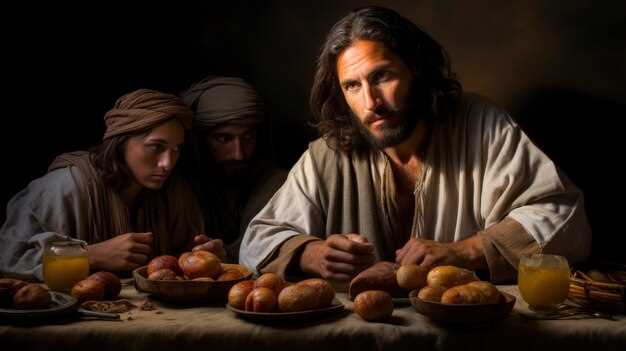
“The Last Supper” by Leonardo da Vinci is a masterful depiction that encompasses various elements contributing to its artistic significance. This composition has been analyzed by historians and experts alike, often revealing much about the time it was created.
- Arrangement of Apostles: The positioning of the thirteen figures is crucial. Each apostle’s face reflects different emotions, with Peter exhibiting anger and Judas being recognized as the traitor. This dynamic grouping creates a sense of movement and tension within the scene.
- Use of Lines: Leonardo employs strong diagonal lines that draw the viewer’s gaze toward Jesus at the center. This technique emphasizes his role as the focal point of revelation and further enhances the narrative.
- Fibonacci Proportions: The composition often reflects Fibonacci principles, enhancing the harmony and balance throughout the piece. The arrangement provides a sense of order, guiding the eye naturally through the scene.
- Background Architecture: The large windows and architectural elements, possibly inspired by the Duomo or Bramante’s designs, add depth to the surrounding space. This historic context enriches the narrative environment.
- Symbolism of Gesture: The gestures and movements of each figure tell a story. For example, the way Judas leans back, distancing himself from Jesus, amplifies the tension of betrayal. Each gesture conveys a distinct emotion, allowing viewers to explore human interaction.
- Temporal Elements: The moment chosen–during the announcement of betrayal–captivates viewers, inviting them to engage deeply with the emotional weight of the situation. This choice of timing is often regarded as a vital element in creating tension.
Overall, “The Last Supper” is a profound study in composition and symbolism. Each of these elements has contributed to its lasting impact and continues to drive curiosity for centuries, drawing visitors to museums in cities like Washington and beyond since it was first unveiled.
How Does Perspective Influence Viewer Experience?
The use of perspective in Cina cea de Taină plays a crucial role in shaping the viewer’s experience. Leonardo da Vinci expertly applies linear perspective to create a dramatic scene that draws the viewer’s eye towards the central figure of Christ. This technique not only enhances the spatial dynamics of the composition but also intensifies the emotional engagement of the audience with the expressions of the apostles, who are captured in varying reactions to the news that one among them will betray Christ.
By placing Christ at the vanishing point, Da Vinci ensures that all lines and forms in the painting lead the viewer’s gaze toward this central figure, effectively making Him the focal point of the narrative. This placement creates a visual hierarchy that commands attention and emphasizes the significance of the moment being portrayed. The colors used throughout the scene, combined with the luminosity of the figures, create a sense of depth and realism that invites the viewer to step into the world of the painting.
References to historic and cultural elements are scattered through this masterpiece, enriching the viewer’s experience. For instance, the positioning of the apostles around the table not only tells a story but also reflects the diverse backgrounds and personalities of each figure, as stated in numerous art books. Scholars from institutions like Bloomsbury have noted how the expressions of these characters–representing shock, confusion, and despair–convey the emotional weight of the moment.
Moreover, the overall composition is characterized by carefully draped garments and large architectural elements that dictate the viewer’s movement through the painting. This dynamic not only showcases Da Vinci’s masterful technique but also highlights the importance of timing in the narrative. The scene unfolds at a moment of pivotal tension, making the viewer a participant in this historic event, rather than a mere observer.
The profound psychological impact observed in the viewer is further studied at various universities, such as the one in Washington, which has analyzed how spatial relationships within the painting contribute to a deeper understanding of symbolism. The strategic application of perspective creates a pitch of emotional clarity, allowing the audience to feel the weight of history behind the depicted last supper.
In summary, perspective is not just a technical skill in Da Vinci’s work; it plays a magnificent role in enriching the viewer’s experience, allowing them to connect with the scene on multiple levels. The last supper is not merely an image; it is a moment frozen in time, filled with narratives that continue to unfold for centuries, making it a celebrated piece in the world of art.
What Role Does Light Play in the Artwork?
Light in Leonardo da Vinci’s “The Last Supper” serves as a crucial medium that enhances the artwork’s emotional depth and symbolic significance. The strategic placement of light and shadow accentuates the faces of the apostles, allowing observers to discern their individual reactions to Christ’s revelation about betrayal. This interplay of light and dark creates a mosaic of emotions, from anger to sorrow, surrounding the pivotal moment of communion.
Leonardo’s mastery of chiaroscuro–contrasting light and shadow–draws the viewer’s attention towards Christ, who is centrally situated in the composition. His figure is bathed in divine light, effectively signifying his role as the living embodiment of revelation at the table. The light highlights his face and allows for a moment of introspection, encouraging the audience to stop and admire the scene closely.
The surrounding figures, such as Judas and Peter, are presented in soft light, their expressions illuminated in a way that reflects their inner turmoil. The last supper, steeped in historical context, captures the apostles’ emotional landscape as they grapple with the impending crucifixion. As one examines the heads of the apostles, it becomes apparent that the play of light not only enhances physical forms but also communicates psychological states.
Moreover, the late afternoon light depicted in the mural symbolizes both the end of an era for Christ and the coming of a new one. This idea resonates with the themes of sacrifice and redemption inherent in the Christian faith. The architectural elements, like the apsidal window seen above the scene, allow natural light to enter, illuminating the central figures and creating an effect that feels almost celestial.
The availability of such light contributes significantly to the overall composition. Tours of the chapel often focus on how Leonardo’s technique creates a dynamic tension in the artwork, drawing visitors toward the moment of communion. The “Last Supper” captures the interplay between divinity and humanity, using light to explore themes of betrayal and spiritual awakening. This artistic decision reflects the necessary balance Leonardo achieved between the physical representation and the emotional depth of the biblical scene.
In conclusion, the role of light in “The Last Supper” is vital. It is not merely an option among other artistic elements but a critical factor that guides viewers through the narrative of the scene. The light allows for a deeper understanding of Christ’s message and the emotional states of the apostles, making it one of the most iconic and analyzed works in the history of art.
Symbolism in The Last Supper
Leonardo da Vinci’s masterpiece, The Last Supper, is filled with rich symbolism that invites viewers to delve deeper into its meaning. The work is not only a visual marvel but a textural representation of betrayal, faith, and human emotion.
Located in the refectory of the Convent of Santa Maria delle Grazie in Milan, the painting serves as a backdrop for the dramatic moment when Jesus reveals that one of his disciples will betray him. This event is central to the Christian narrative and has been a point of admiration in various artistic mediums.
- Judas Iscariot: Represented as the traitor, Judas’ shadowy figure is markedly withdrawn from the light surrounding Jesus. His position at the table, with a finger pointing toward a bag of silver, symbolizes betrayal and greed.
- The Triangular Composition: The arrangement of the disciples creates a visual line that draws the viewer’s eye towards Christ, representing his significance amidst the chaos of revelation.
- Jesus’ Gesture: His arms are extended, creating a composition that signifies openness and acceptance, yet also an inevitable sense of foreboding. This duality reflects the tension of the moment.
- Colors and Drapery: The draped garments of the figures are intentionally designed to signify character traits – vibrant colors for the passionate apostles and muted shades for the betrayers. This use of color enhances emotional context and engagement.
- Five Points of Attention: The painting utilizes five distinct focal points that highlight emotional disparities among the apostles, emphasizing their reactions to Jesus’ declaration of impending betrayal.
The depiction of Mary Magdalene within the broader narrative can be interpreted through a modern lens, adding layers of historical context and intrigue. The use of mosaic-like techniques captures the essence of light and shadow, representing the duality of hope and despair.
The Last Supper, archived in the memories of the faithful and art lovers alike, has survived centuries of deterioration but remains a powerful symbol of faith, betrayal, and redemption. Its enriching environment serves as a bridge between the observer and the divine, allowing each viewer to interpret the unfolding drama uniquely.
For those visiting the city, a trip to view this artwork in a gallery setting remains a significant pilgrimage, reflecting on the themes that this great painter worked so diligently to capture.
What Do the Twelve Apostles Represent?
The twelve apostles depicted in Leonardo da Vinci’s “The Last Supper” are not just figures from biblical history; they represent major human emotions and reactions to the revelation of Christ’s impending betrayal. Each apostle personifies a specific response, which adds depth to the narrative of the artwork. The first reaction we see is shock; the disciples are portrayed in various states of disbelief and confusion as Jesus reveals that one of them will betray him.
Using a methodical approach similar to that of Fibonacci in art, Leonardo collaged the figures around a large table, emphasizing their human traits and relationships. The composition, dated back to the late 15th century, shows each apostle with unique features that have been meticulously identified and analyzed over the years. The use of tempera and oil enables a luminosity that draws the viewer’s eye, creating a self-portrait of the emotions of the time.
The physical arrangement of the apostles also contributes to their representation. Around the table, we see them grouped in threes, each trio displaying contrasting emotional states–from anger to fear to sorrow–which suggests a shared human experience during a pivotal moment in Christian history. Major figures like Peter and John take center stage, with Peter’s protective stance and John’s lamenting gaze pointing to their roles as leaders in the early Church.
Additionally, the varying expressions of the apostles reflect the demands and challenges faced by early Christians, with characters such as Philip showing misunderstanding and others, like Thomas, embodying doubt. The detailed portrayal of these figures resonates with the audience, allowing them to find relevance within their own times as they engage with the art.
As this famous masterpiece has been referenced in countless articles and studies, many scholars, including Christopher Edelson, have taken a closer look at how the representation of these apostles aligns with the notions of faith and betrayal. By studying these historical artifacts, one can better appreciate the environmental factors and cultural context that influenced Leonardo’s work.
Ultimately, the twelve apostles in “The Last Supper” serve as more than mere representations; they invite viewers to reflect on their own beliefs and relationships. This striking image, still relevant today, encourages an ongoing dialogue about faith, humanity, and art in our lives.
How Are Colors Used to Convey Meaning?
Leonardo’s “The Last Supper” is an exemplary work that showcases the intricate use of color to convey profound meaning and emotion. Located in the refectory of the Convent of Santa Maria delle Grazie, the mural has undergone various changes through time, including damage from bombing during World War II, yet it still captivates viewers today.
Colors in this masterpiece serve as a visual language, articulating the psychological states of the apostles and the overall environment of the scene. For instance, the use of white and pale hues on Christ highlights his purity and divinity, creating a stark contrast with the darker tones surrounding him. This not only draws the eye towards the central figure but also reflects the emotional tension present at the moment of revelation.
Anger and betrayal are expressed through the colors surrounding Judas, who is often depicted in sharper tones compared to the other apostles. His darker attire, alongside the red and green backgrounds, symbolizes his treachery and sets him apart from the more harmonious palette of the other figures. Leonardo meticulously chose colors to elicit strong reactions from viewers, encouraging them to feel the emotional weight of the narrative.
Moreover, the arrangement of colors contributes to the sense of depth and dimension in the piece, guiding the viewer’s gaze across the composition. The detailed interplay of light and shadow adds to the overall ambiance, immersing admirers into the moment captured. Colors evoke a mood that ties directly to the themes of friendship and betrayal, allowing modern audiences to connect with this ancient story on a personal level.
In conclusion, the strategic use of color in “The Last Supper” is fundamental to its enduring popularity and impact. Through multiple visits and tours, viewers continue to discover the depths of meaning embedded within this iconic work, highlighting the genius of Leonardo and the artistic methods of his time. As photography and publishing techniques of the modern age bring this artwork to wider audiences, its visual expression remains as potent as ever, enabling a rich dialogue between past and present.
What Is the Significance of the Bread and Wine?
The bread and wine in Leonardo da Vinci’s “The Last Supper” hold profound significance, serving as a reference to the themes of sacrifice and communion. In the context of the Christian faith, these elements represent the body and blood of Christ, symbolizing his impending crucifixion. As such, they could be considered the focal point around which the entire narrative revolves.
In the masterpiece, the figures are strategically positioned so that the bread and wine are emphasized, drawing the viewer’s attention. Leonardo aimed to capture the shock and betrayal experienced by Jesus and his disciples during this historic event. The triple arrangement of bread and wine on the table signifies the sanctity of this moment, illustrating the transition from the Old Covenant to the New Testament.
The blue and golden colours in the artwork provide a striking contrast, enhancing the dramatic expression of each person present. Certain details, such as the positioning of Philip, lean towards conveying a sense of confusion and disbelief, reflecting the complexities of the moment. It is crucial to note that this scene took place in a Dominican monastery, highlighting its significant religious context.
The appearance of bread and wine, therefore, transcends mere physical elements; they embody the essence of Jesus’ message and the establishment of a new faith. As visitors to galleries and museums admire this piece, they often overlook these symbols, which fundamentally represent a critical theme of sacrifice and commitment. The maximum impact of “The Last Supper” lies in how these elements are covered in the artist’s intricate detail, offering an invitation for deeper exploration of its content.
This artwork has been celebrated for centuries, with endless interpretations emerging over the years. Nevertheless, the bread and wine remain central to understanding the significance of the scene. In the beginning, they prompted the reactions of the groups at the table, urging them to confront their own beliefs and loyalty. Unfortunately, today, many explanations found on various websites simplify these elements without delving into their true meanings.
As one gazes upon the masterpiece, it invokes thoughts of Gian Bramante’s architectural influence alongside Leonardo’s creative genius, resulting in a space that pushes the viewer to contemplate the weight of the moment. The Last Supper serves not only as an entry point into Leonardo’s artistic world but also as a vital reminder of the theological implications that resonate through the ages, from February to York and beyond.