


 简体中文
简体中文  English (UK)
  Русский
  বাংলা
বাংলা  العربية
  日本語
日本語  한국어
한국어  Magyar
  Norsk nynorsk
  Türkçe
  עִבְרִית
  Español
  Čeština
  Svenska
  Português
  Ελληνικά
  Suomi
Suomi  Nederlands
  Română
  Italiano
  Français
  Polski
  Українська
  Deutsch
  Slovenčina
  Српски језик
  اردو
اردو  Azərbaycan dili
  O‘zbekcha
  አማርኛ
አማርኛ 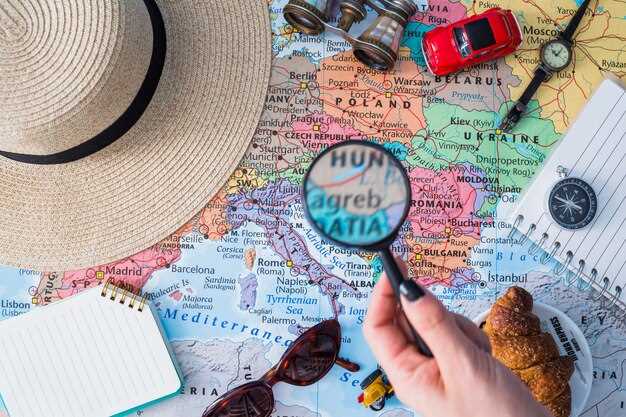 Spain Travel Advice – Essential Tips for a Safe and Smooth Trip">
Plan your route with buffers between cities, and book high-speed train connections early to minimize delays.
Learn the local health guidelines before you go: monitor fever symptoms and staying vigilant about disease spreads, especially in crowded markets and transit hubs.
In the pyrenees, plan layered clothing and weather-aware gear; check trail conditions before you go, and avoid damaged trails by sticking to marked paths.
Visas rules vary for non-EU travelers; if you plan longer stays, verify visa validity and entry requirements before departure to prevent delays.
In a plaça in Madrid or Barcelona, watch your belongings and observe local etiquette to avoid pickpockets.
Spain offers coveted experiences across diverse regions, from the high mountains to sunlit coasts; travel by train to connect cities across europe, and learn local customs to enrich your trip. You will come away with memorable moments and safer routines.
Spain Travel Advice: Practical Tips for a Safe and Smooth Trip
Always secure your luggage with a sturdy lock and keep it within sight in crowded areas like metro stations and markets. Travel comes with risks, so stay prepared by using a lightweight daypack for daily items to stay flexible while exploring the city.
- Health and documents – Carry photocopies of your passport and store digital copies securely on your phone. If you are vaccinated, ensure you have vaccination cards handy; some venues may request them for entry or accommodations. Share a photo of important documents with a trusted contact and report loss to hotel staff and local police immediately.
- Payments and cards – Use contactless cards or mobile wallets where accepted; carry a small amount of euros for places that don’t take cards; keep a second card in a separate pocket; when you pay, shield the keypad with your hand to protect your PIN; hotel safes provide extra security for valuables.
- Transit and security – In popular transit hubs, pickpockets operate near entrances and on trains; use licensed taxis or official rideshares; confirm driver identity before entry and avoid unlit streets at night. If you lose items, report to the nearest police station and contact your hotel or host for assistance.
- Packing and fluids – Follow airline rules for fluids; keep liquids in a clear, resealable bag and in containers under 100 ml for carry-on. Pack a compact rain shell and comfortable walking shoes; recheck weather for grand urban centers and coastal regions; staying prepared reduces delays when visiting sites, markets, or coastal towns.
- Regions and exploring – Spain’s countrys encompass grand regions such as Catalonia, Andalusia, Galicia, the Basque Country, and Valencia. When exploring, plan routes that match your interests–historic towns, beaches, or mountains. Even take time to enjoy wild coastlines along the way. Check opening hours and book tickets in advance; a local representative can share maps provided by local partners and guidance, and help with timing when lines are long, taking into account crowds.
- Hygiene and hands – Sanitize hands after touching surfaces in public spaces; carry hand sanitizer and wet wipes; avoid touching your face with unwashed hands; choose accommodations that provide clean rooms and fresh linens, and wipe down high-touch surfaces when you arrive.
- Staying safe with locals and strangers – Be cautious of distraction techniques used by several persons on busy streets; if someone asks for help or offers unsolicited assistance, verify with a staff member at a nearby shop or hotel. If something feels off, move to a staffed area and take note of details for a report. A hotel or tour member can connect you with a trusted contact who speaks your language and can take immediate action.
- Emergency planning and support – Save emergency numbers for Spain (112 nationwide) and keep the address of your country’s consulate. Keep a staying list of contacts, including a backup person back home and another trusted member of your travel circle. If theft occurs, file a report, contact your bank to block cards, and request replacement documents. This process depends on your issuing bank and local authorities, so start early and stay proactive.
Spiked food and drinks: how to protect yourself while enjoying Spanish cuisine
Inspect every drink before you sip and check the date on bottled beverages; ask for a fresh preparation if the date is unclear. Keep your glass in sight and stay ready to retreat from a table where you notice something unusual. In Spain, favor known restaurants and bars, especially in busy public areas where tampering can occur. Learn to trust your senses and act immediately if something seems wrong.
Confirm the bottle seal is intact; if the bottle seems unused or the seal is broken, decline and request a replacement. For cocktails, ask for ingredients to be measured in your presence and avoid pre-mixed pitchers in illegal or unfamiliar spots. Every step protects you.
Be wary of shared ice, mixers, or prep stations in outdoor settings; watch for any object near your glass. If you suspect fraud or tampering, refuse immediately and move to a safer area. Avoid accepting drinks from street vendors who operate illegally or from people you do not know.
Should you feel unwell after a drink, seek help immediately from a public clinic or hospital and notify the local health authority. There, staff will guide you on next steps and any necessary instructions. Spain’s health systems are robust, so they can support you quickly; keep the emergency number 112 in mind and know where you are there.
When dining outdoors in the mediterranean climate, protect yourself from mosquitoes: use a repellent with DEET or picaridin, wear long sleeves after dusk, and stay in sheltered interior spaces if insects are heavy. Avoid areas with standing water and crowded public spaces where insects gather. This approach reduces the risk of infections and keeps your night out enjoyable.
Medications should travel with you: carry medications in their original packaging with clear labels and keep a list of doses; bring copies of prescriptions and a pharmacy contact. Date your travel kit and departure plans so you can act quickly if you need care. If you sense danger or foul play, retreat to your interior space or back to your stay, and contact authorities. Do not drive after consuming questionable drinks; use a taxi or ride‑share instead.
Learn to spot tampering cues in beverages and street food
Check the seal on every bottled beverage and inspect for damage: a damaged cap, torn foil, or a resealed seal are red flags. If theres any doubt, avoid the drink and report it to the vendor or the local agency. Note the date and location of purchase to track suspicious activity during those travels.
In beverages, watch for color changes, cloudiness, or odd aftertaste; fizz that is inconsistent, unusual powders, or sediment should raise a serious caution. If a vendor offers ready-to-drink samples in non-transparent cups, avoid and request a fresh option from a trusted source. Follow official warnings from health authorities and be wary of tampered items before you drink.
In street food, inspect cooking surfaces, utensils, and hygiene: clean pots, dedicated utensils, gloves, and visible hand hygiene matter. If food is left uncovered for long, handled with bare hands, or kept in damaged containers, avoid. Ask about storage times and ingredients; choose stalls with visible rated hygiene certificates or posters from an official agency. If a stall closes during service or shows warnings, skip it and seek safer options. In larger crowds, hygiene rules tighten; these checks matter more. Those checks make tours through popular markets safer and more enjoyable.
What to do if you suspect tampering: do not consume, keep the container, and photograph it. Note the date, time, location, and circumstances. Report to the agency and, if possible, to local health authorities. Use your account on facebook to share non-sensitive tips with fellow travelers while relying on official warnings and verified information. If you’re with others, encourage them to follow these steps so you can avoid trouble and stay safe in busy areas and on coastal sails.
Keep a short list of exclusive contacts: local tourism offices, the nearest hospital, and the agency hotlines. Pack a compact health kit and ensure vaccination records are handy if requested by authorities. For those who value clarity, stick to trusted sources and avoid rumors; great information from official outlets helps you navigate those things. When unsure, ask for help, and rely on rated safety practices and clear date-stamped updates to plan safer tours and food experiences with confidence.
Smart beverage practices at bars and cafes to avoid risk
Choose bottled beverages or drinks served in sealed containers to cut surface contact and infection risk. When you enter bars or cafes, opt for a fresh glass rather than reusing a potentially contaminated one, and wash or sanitize hands after touching menus or bottle caps–hand sanitizer provided by staff will help.
Limit contact with items and avoid sharing straws or coasters; take only what you need and return unused items to the bar, preventing excess handling. If you get caught in a crowded moment, step back and give yourself space. For outdoor tables, keep a comfortable distance and avoid touching reflective surfaces with bare hands.
Prefer outdoor seating when possible, and keep groups small–parties that crowd the space increase risk. The venue will display a code and the ministry guidance; fully comply with posted rules and staff directions to minimize disruptions and ensure smooth service.
Professional staff, gloves used, follow a clear hygiene code and steps taken to show hygiene in practice; they should prove by visible actions, such as new glassware and sanitized surfaces. Pay attention to queue flow and any disruptions. If someone in your group feels unwell, step away and exit calmly to avoid exposure.
To reduce cross-contact, order drinks by one person for the table and avoid touchpoints; use only your own glass, and keep personal items away from bar surfaces. In the pyrenees or other tourist zones, venues provide clear process steps and hand sanitizer at entrances to help visitors stay safe; take these measures, and the experience stays enjoyable for members and staff alike.
Steps to take if you suspect a drink or dish is adulterated
Stop consuming immediately and alert staff on the spot.
Here is a practical sequence to reduce risk and help anyone involved understand what happened while you travel in Spain or elsewhere.
Understand the situation and communicate clearly: note the item name, ingredients you recall, taste, smell, and the conditions under which it was served. If safe, keep the item and the receipt; capture a photo of the dish or bottle label. Your details support staff and local authorities in identifying the source and protecting other travelers. This information helps any person reviewing the case understand the context and risk.
Within hours, collect all details and preserve evidence: avoid discarding the container and any remaining portion if safe; keep the packaging, receipt, and label. If you are traveling with passports, safeguard them and related documents as you report the incident to authorities. This helps in ongoing investigations and ensures you have the needed information at hand.
If symptoms appear, withdraw from further consumption and seek medical care promptly. For high-risk travelers, call local health services or visit a clinic; if necessary, evacuation to a hospital may be required in severe cases. Urgent care is essential if you experience persistent vomiting, severe dizziness, or numbness on the face.
Report the incident to hotel staff, restaurant management, and local health authorities. Maintain clear communication with your travel companions and consider notifying the national or regional health network through appropriate channels; sharing details with media can help warn others in european destinations and america alike. Have your notes ready to support formal reports and protect fellow travelers.
To reduce future risk, ask questions about ingredients, batch numbers, and handling; check requirements for safe service at reputable venues; keep passports and travel documents secure during meals. When you vacation, choose well-reviewed places, and prefer sealed beverages and tap water from trusted sources. In outdoor settings such as forests or near fjords, rely on sealed bottles and avoid ice from unknown sources. Some labels may reference additives with terms like rica. You should also be covered by basic travel insurance that includes illness and evacuation coverage.
| Step | Action | Timing | Notes |
|---|---|---|---|
| 1 | Stop consumption and inform staff | 立即 | Do not drink or eat more; note item name |
| 2 | Preserve evidence | 在数小时内 | Keep remaining portion, packaging, and receipt if safe |
| 3 | Document details | Right away | Record time, place, people present; take photos if possible |
| 4 | 就医 | 当症状出现时 | 如遇严重症状,请拨打急救电话;怀疑掺假,请告知医生 |
| 5 | 报告和沟通 | Within 24 hours | 通知酒店/餐厅和当地卫生部门;与旅伴分享 |
如何在社交邀约中礼貌地拒绝并保持掌控
感谢邀请,但我今晚时间有限,就不参加这一轮了。如果你们有兴趣,我们可以明天一起喝咖啡。这样既能最大限度地减少干扰,又能保证你的计划不受影响,让你优雅地掌控局面。.
在到达之前了解自己的极限。注意自己的摄入量和节奏,尤其是在旅游陷阱附近的繁忙场所。在拥挤的空间里,传染风险可能会上升,所以走到空气新鲜的地方或换成不含酒精的饮料,并随时备好免费的水。记录场地大小、通风情况以及计划停留时间等细节。如果你发现自己感到不知所措,请短暂地离开一下,并在准备好时再回来。.
提供符合您时间安排的替代方案。建议白天进行一些活动,例如短途散步观赏野生动物、参观博物馆或稍后一起观看当地体育赛事。这既尊重了主人,又保持了自己的节奏。如果主人坚持,您可以转移到新的话题,并使用以下几句话来引导对话。.
在西班牙,以安全和平衡为由,将拒绝说成是个人选择,会更为有效。如果对方继续邀请,重复简短的回答,然后提议改天:“谢谢理解,下次时间允许的话我会参加。” 保持冷静友好的态度有助于避免摩擦,减少对附近其他人的影响。.
您可以快速携带的示例脚本:这是轮换使用的一组短语的一部分。“感谢邀请,但这次我就不去了。”“我今晚要休息一下,晒晒太阳。”“我们这周晚些时候再计划一下吧。”“如果你有空,我们可以在我早上活动结束后见面。”
旅行者健康须知:查看当地公告和肝炎指南,并留意可能影响聚会的新发传染病风险。始终在社交温暖和首要任务——安全之间取得平衡。参加野生动物郊游或体育赛事时,请核实场地状况并携带洗手液。旅行时,请寻找具有安全奖项和明确健康信息的目的地,并将这些信号作为您在任何国家/地区旅游时的选择指南。.
事件发生时应携带的物品和应联系的人员
携带一个紧凑型应急包和一份可快速访问的联系人卡片,上面写有你的大使馆/领事馆、保险公司和住宿地点的电话号码。保留一份护照和签证的复印件,以及一份与手机分开存放的重要号码纸质清单。这种设置有助于你快速采取行动,而无需翻找应用程序。.
- 手机和电源:一部已充电的手机、一个便携式充电器,以及一张本地SIM卡或漫游套餐。.
- 身份证明:护照或国民身份证,另加复印件,存放在单独的包中,以及旅行保险详细信息和保单号。.
- 支付方式:欧元现金和一张银行卡,并准备一张备用卡;将备用卡放在不同的口袋里。.
- 医疗详情:一份简短的记录,包含过敏史、药物和紧急联系人;如有保险,请包含保险公司的热线电话。.
- 急救和补水:小型急救包(消毒湿巾、绷带、镊子)、一小瓶水,以及供长途运输用的零食。.
- 纸质记录:一份包含住宿、门票和重要地址的简短清单;携带一份简单的地图,或在手机上下载离线地图。.
- 紧急情况:在西班牙和整个欧盟境内,请拨打 112 寻求医疗、消防或警察援助。.
- 地方当局:如发生任何情况,请向现场人员寻求帮助并提交报告。.
- 大使馆或领事馆:联系以紧急更换护照或旅行证件;他们可以在身份确认后签发临时证件。.
- 保险:请拨打 24/7 热线启动理赔,并获取关于承保服务和报销的指导。.
- 酒店或旅行社:他们的员工可以与当地服务机构协调,并在后续步骤中为您提供支持。.
- 官方来源:使用城市安全门户网站和地方当局门户网站查找最近的医疗机构。.