


 اردو
اردو  English (UK)
  Русский
  বাংলা
বাংলা  العربية
  日本語
日本語  한국어
한국어  Magyar
  Norsk nynorsk
  Türkçe
  עִבְרִית
  Español
  Čeština
  Svenska
  Português
  Ελληνικά
  Suomi
Suomi  Nederlands
  Română
  Italiano
  Français
  Polski
  Українська
  Deutsch
  简体中文
简体中文  Slovenčina
  Српски језик
  Azərbaycan dili
  O‘zbekcha
  አማርኛ
አማርኛ 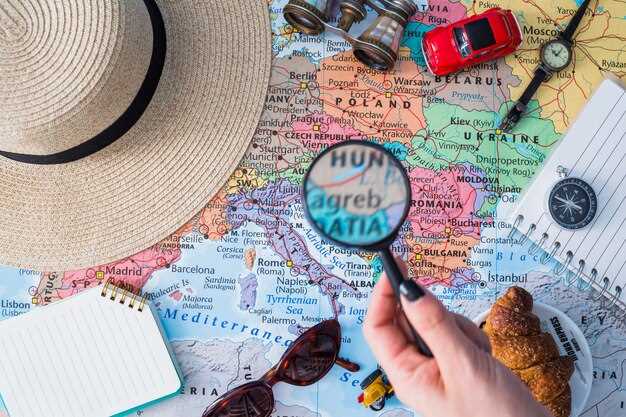 اسپین کے سفر کے لیے ہدایات - ایک محفوظ اور آسان سفر کے لیے اہم نکات">
Plan your route with buffers between cities, and book high-speed train connections early to minimize delays.
Learn the local health guidelines before you go: monitor fever symptoms and staying vigilant about disease spreads, especially in crowded markets and transit hubs.
In the pyrenees, plan layered clothing and weather-aware gear; check trail conditions before you go, and avoid damaged trails by sticking to marked paths.
Visas rules vary for non-EU travelers; if you plan longer stays, verify visa validity and entry requirements before departure to prevent delays.
In a plaça in Madrid or Barcelona, watch your belongings and observe local etiquette to avoid pickpockets.
Spain offers coveted experiences across diverse regions, from the high mountains to sunlit coasts; travel by train to connect cities across europe, and learn local customs to enrich your trip. You will come away with memorable moments and safer routines.
Spain Travel Advice: Practical Tips for a Safe and Smooth Trip
Always secure your luggage with a sturdy lock and keep it within sight in crowded areas like metro stations and markets. Travel comes with risks, so stay prepared by using a lightweight daypack for daily items to stay flexible while exploring the city.
- Health and documents – Carry photocopies of your passport and store digital copies securely on your phone. If you are vaccinated, ensure you have vaccination cards handy; some venues may request them for entry or accommodations. Share a photo of important documents with a trusted contact and report loss to hotel staff and local police immediately.
- Payments and cards – Use contactless cards or mobile wallets where accepted; carry a small amount of euros for places that don’t take cards; keep a second card in a separate pocket; when you pay, shield the keypad with your hand to protect your PIN; hotel safes provide extra security for valuables.
- Transit and security – In popular transit hubs, pickpockets operate near entrances and on trains; use licensed taxis or official rideshares; confirm driver identity before entry and avoid unlit streets at night. If you lose items, report to the nearest police station and contact your hotel or host for assistance.
- Packing and fluids – Follow airline rules for fluids; keep liquids in a clear, resealable bag and in containers under 100 ml for carry-on. Pack a compact rain shell and comfortable walking shoes; recheck weather for grand urban centers and coastal regions; staying prepared reduces delays when visiting sites, markets, or coastal towns.
- Regions and exploring – Spain’s countrys encompass grand regions such as Catalonia, Andalusia, Galicia, the Basque Country, and Valencia. When exploring, plan routes that match your interests–historic towns, beaches, or mountains. Even take time to enjoy wild coastlines along the way. Check opening hours and book tickets in advance; a local representative can share maps provided by local partners and guidance, and help with timing when lines are long, taking into account crowds.
- Hygiene and hands – Sanitize hands after touching surfaces in public spaces; carry hand sanitizer and wet wipes; avoid touching your face with unwashed hands; choose accommodations that provide clean rooms and fresh linens, and wipe down high-touch surfaces when you arrive.
- Staying safe with locals and strangers – Be cautious of distraction techniques used by several persons on busy streets; if someone asks for help or offers unsolicited assistance, verify with a staff member at a nearby shop or hotel. If something feels off, move to a staffed area and take note of details for a report. A hotel or tour member can connect you with a trusted contact who speaks your language and can take immediate action.
- Emergency planning and support – Save emergency numbers for Spain (112 nationwide) and keep the address of your country’s consulate. Keep a staying list of contacts, including a backup person back home and another trusted member of your travel circle. If theft occurs, file a report, contact your bank to block cards, and request replacement documents. This process depends on your issuing bank and local authorities, so start early and stay proactive.
Spiked food and drinks: how to protect yourself while enjoying Spanish cuisine
Inspect every drink before you sip and check the date on bottled beverages; ask for a fresh preparation if the date is unclear. Keep your glass in sight and stay ready to retreat from a table where you notice something unusual. In Spain, favor known restaurants and bars, especially in busy public areas where tampering can occur. Learn to trust your senses and act immediately if something seems wrong.
Confirm the bottle seal is intact; if the bottle seems unused or the seal is broken, decline and request a replacement. For cocktails, ask for ingredients to be measured in your presence and avoid pre-mixed pitchers in illegal or unfamiliar spots. Every step protects you.
Be wary of shared ice, mixers, or prep stations in outdoor settings; watch for any object near your glass. If you suspect fraud or tampering, refuse immediately and move to a safer area. Avoid accepting drinks from street vendors who operate illegally or from people you do not know.
Should you feel unwell after a drink, seek help immediately from a public clinic or hospital and notify the local health authority. There, staff will guide you on next steps and any necessary instructions. Spain’s health systems are robust, so they can support you quickly; keep the emergency number 112 in mind and know where you are there.
When dining outdoors in the mediterranean climate, protect yourself from mosquitoes: use a repellent with DEET or picaridin, wear long sleeves after dusk, and stay in sheltered interior spaces if insects are heavy. Avoid areas with standing water and crowded public spaces where insects gather. This approach reduces the risk of infections and keeps your night out enjoyable.
Medications should travel with you: carry medications in their original packaging with clear labels and keep a list of doses; bring copies of prescriptions and a pharmacy contact. Date your travel kit and departure plans so you can act quickly if you need care. If you sense danger or foul play, retreat to your interior space or back to your stay, and contact authorities. Do not drive after consuming questionable drinks; use a taxi or ride‑share instead.
Learn to spot tampering cues in beverages and street food
Check the seal on every bottled beverage and inspect for damage: a damaged cap, torn foil, or a resealed seal are red flags. If theres any doubt, avoid the drink and report it to the vendor or the local agency. Note the date and location of purchase to track suspicious activity during those travels.
In beverages, watch for color changes, cloudiness, or odd aftertaste; fizz that is inconsistent, unusual powders, or sediment should raise a serious caution. If a vendor offers ready-to-drink samples in non-transparent cups, avoid and request a fresh option from a trusted source. Follow official warnings from health authorities and be wary of tampered items before you drink.
In street food, inspect cooking surfaces, utensils, and hygiene: clean pots, dedicated utensils, gloves, and visible hand hygiene matter. If food is left uncovered for long, handled with bare hands, or kept in damaged containers, avoid. Ask about storage times and ingredients; choose stalls with visible rated hygiene certificates or posters from an official agency. If a stall closes during service or shows warnings, skip it and seek safer options. In larger crowds, hygiene rules tighten; these checks matter more. Those checks make tours through popular markets safer and more enjoyable.
What to do if you suspect tampering: do not consume, keep the container, and photograph it. Note the date, time, location, and circumstances. Report to the agency and, if possible, to local health authorities. Use your account on facebook to share non-sensitive tips with fellow travelers while relying on official warnings and verified information. If you’re with others, encourage them to follow these steps so you can avoid trouble and stay safe in busy areas and on coastal sails.
Keep a short list of exclusive contacts: local tourism offices, the nearest hospital, and the agency hotlines. Pack a compact health kit and ensure vaccination records are handy if requested by authorities. For those who value clarity, stick to trusted sources and avoid rumors; great information from official outlets helps you navigate those things. When unsure, ask for help, and rely on rated safety practices and clear date-stamped updates to plan safer tours and food experiences with confidence.
Smart beverage practices at bars and cafes to avoid risk
Choose bottled beverages or drinks served in sealed containers to cut surface contact and infection risk. When you enter bars or cafes, opt for a fresh glass rather than reusing a potentially contaminated one, and wash or sanitize hands after touching menus or bottle caps–hand sanitizer provided by staff will help.
Limit contact with items and avoid sharing straws or coasters; take only what you need and return unused items to the bar, preventing excess handling. If you get caught in a crowded moment, step back and give yourself space. For outdoor tables, keep a comfortable distance and avoid touching reflective surfaces with bare hands.
Prefer outdoor seating when possible, and keep groups small–parties that crowd the space increase risk. The venue will display a code and the ministry guidance; fully comply with posted rules and staff directions to minimize disruptions and ensure smooth service.
Professional staff, gloves used, follow a clear hygiene code and steps taken to show hygiene in practice; they should prove by visible actions, such as new glassware and sanitized surfaces. Pay attention to queue flow and any disruptions. If someone in your group feels unwell, step away and exit calmly to avoid exposure.
To reduce cross-contact, order drinks by one person for the table and avoid touchpoints; use only your own glass, and keep personal items away from bar surfaces. In the pyrenees or other tourist zones, venues provide clear process steps and hand sanitizer at entrances to help visitors stay safe; take these measures, and the experience stays enjoyable for members and staff alike.
Steps to take if you suspect a drink or dish is adulterated
Stop consuming immediately and alert staff on the spot.
Here is a practical sequence to reduce risk and help anyone involved understand what happened while you travel in Spain or elsewhere.
Understand the situation and communicate clearly: note the item name, ingredients you recall, taste, smell, and the conditions under which it was served. If safe, keep the item and the receipt; capture a photo of the dish or bottle label. Your details support staff and local authorities in identifying the source and protecting other travelers. This information helps any person reviewing the case understand the context and risk.
Within hours, collect all details and preserve evidence: avoid discarding the container and any remaining portion if safe; keep the packaging, receipt, and label. If you are traveling with passports, safeguard them and related documents as you report the incident to authorities. This helps in ongoing investigations and ensures you have the needed information at hand.
If symptoms appear, withdraw from further consumption and seek medical care promptly. For high-risk travelers, call local health services or visit a clinic; if necessary, evacuation to a hospital may be required in severe cases. Urgent care is essential if you experience persistent vomiting, severe dizziness, or numbness on the face.
Report the incident to hotel staff, restaurant management, and local health authorities. Maintain clear communication with your travel companions and consider notifying the national or regional health network through appropriate channels; sharing details with media can help warn others in european destinations and america alike. Have your notes ready to support formal reports and protect fellow travelers.
To reduce future risk, ask questions about ingredients, batch numbers, and handling; check requirements for safe service at reputable venues; keep passports and travel documents secure during meals. When you vacation, choose well-reviewed places, and prefer sealed beverages and tap water from trusted sources. In outdoor settings such as forests or near fjords, rely on sealed bottles and avoid ice from unknown sources. Some labels may reference additives with terms like rica. You should also be covered by basic travel insurance that includes illness and evacuation coverage.
| قدم | عمل | وقت کی پابندی | نوٹس |
|---|---|---|---|
| 1 | Stop consumption and inform staff | Immediately | Do not drink or eat more; note item name |
| 2 | Preserve evidence | گھنٹوں کے اندر | Keep remaining portion, packaging, and receipt if safe |
| 3 | Document details | فوراً | Record time, place, people present; take photos if possible |
| 4 | طبی امداد حاصل کریں۔ | علامات ظاہر ہونے پر | شدید علامات کی صورت میں ایمرجنسی سروسز کو کال کریں؛ مشتبہ ملاوٹ کے بارے میں ڈاکٹر کو مطلع کریں۔ |
| 5 | رپورٹ کریں اور مواصلت کریں۔ | 24 گھنٹوں کے اندر | ہوٹل/ریستوران اور مقامی صحت حکام کو مطلع کریں؛ سفری ساتھیوں کے ساتھ شیئر کریں۔ |
سماجی پیشکشوں کے دوران شائستگی سے انکار کیسے کریں اور قابو میں کیسے رہیں
شکریہ، لیکن میں اپنی رات کو محدود کر رہا ہوں اور اس بار معاف کروں گا۔ اگر آپ کا موڈ ہے تو، ہم کل کافی پر مل سکتے ہیں۔ اس طرح آپ کم سے کم خلل ڈالتے ہیں اور اپنے منصوبوں کو برقرار رکھتے ہیں۔ یہ آپ کو اچھے طریقے سے قابو کرنے میں مدد دے سکتا ہے۔.
آمد سے پہلے اپنی حدیں جان لیں۔ خاص طور پر سیاحتی مقامات کے قریب مصروف جگہوں پر اپنی مقدار اور رفتار پر نظر رکھیں۔ پر ہجوم جگہوں پر، انفیکشن کا خطرہ بڑھ سکتا ہے، اس لیے تازہ ہوا میں چلے جائیں یا غیر الکوحلی مشروبات پر سوئچ کریں، اور مفت پانی آسانی سے دستیاب رکھیں۔ جگہ کے سائز، وینٹیلیشن اور آپ کے قیام کے وقت جیسی تفصیلات پر نظر رکھیں۔ اگر آپ خود کو مغلوب پائیں تو مختصر طور پر معذرت کر لیں اور جب آپ تیار ہوں تو واپس آجائیں۔.
اپنی دستیابی کے مطابق متبادل تجاویز پیش کریں۔ دن کے وقت کی کسی سرگرمی کی تجویز دیں جیسے جنگلی حیات دیکھنے کے لیے چہل قدمی، کسی میوزیم کا دورہ، یا بعد میں ایک ساتھ مقامی کھیل دیکھنا۔ اس سے میزبان کا احترام بھی ہوگا اور آپ اپنی ذاتی زندگی کو بھی برقرار رکھ سکیں گے۔ اگر میزبان مصر رہے تو آپ بات کو کسی نئے موضوع کی طرف موڑ سکتے ہیں اور بات چیت کو تبدیل کرنے کے لیے درج ذیل جملے استعمال کر سکتے ہیں۔.
اسپین میں، شائستگی اس وقت بہت کام آتی ہے جب آپ حفاظت اور توازن کے لیے اپنی معذرت کو ذاتی انتخاب کے طور پر پیش کرتے ہیں۔ اگر دعوت جاری رہتی ہے، تو مختصر جملے کو دہرائیں اور پھر کسی اور دن کے لیے منصوبہ تجویز کریں: “سمجھنے کے لیے شکریہ؛ اگر وقت مل گیا تو میں اگلی ملاقات میں شامل ہو جاؤں گا۔” اپنے چہرے کو پرسکون اور لہجے کو دوستانہ رکھنے سے کسی بھی قسم کی رگڑ سے بچنے میں مدد ملتی ہے اور آس پاس کے ہر فرد کے لیے پریشانی کم ہوتی ہے۔.
نمونے کے اسکرپٹ جو آپ ایک لمحے میں لے جا سکتے ہیں: یہ گھمانے کے لیے فقروں کے ایک مختصر سلسلے کا حصہ ہے۔ “میں دعوت کی تعریف کرتا ہوں، لیکن میں اس بار معذرت کروں گا۔” “میں آج رات کو آرام اور تھوڑی دھوپ کے لیے فارغ رکھ رہا ہوں۔” “آئیے اس ہفتے کے آخر میں کچھ منصوبہ بندی کرتے ہیں۔” “اگر آپ تیار ہیں، تو ہم میری صبح کی سرگرمیوں کے بعد مل سکتے ہیں۔”
سیاحوں کے لیے صحت کے متعلق ہدایات: مقامی انتباہات اور ہیپاٹائٹس کی رہنمائی کی جانچ پڑتال کریں، اور متعدی خطرات سے باخبر رہیں جو اجتماعات کو متاثر کر سکتے ہیں۔ ہمیشہ سماجی گرمجوشی اور اولین ترجیح یعنی حفاظت کے درمیان توازن تلاش کریں۔ جنگلی حیات کی سیر یا کھیلوں کے مقابلوں کے لیے، سطح کی صورتحال کی تصدیق کریں اور ہینڈ سینیٹائزر ساتھ رکھیں۔ سفر کرتے وقت، حفاظتی ایوارڈز اور صحت کی واضح تفصیلات والے مقامات تلاش کریں، اور کسی بھی ملک میں بطور سیاح جانے پر ان اشاروں کو اپنی رہنمائی کے لیے استعمال کریں۔.
واقعات کی صورت میں کیا ساتھ رکھیں اور کس سے رابطہ کریں
اپنے پاس ایک چھوٹا ایمرجنسی کِٹ اور ایک فوری رسائی والا رابطہ کارڈ رکھیں جس میں آپ کے سفارت خانے/قونصل خانے، بیمہ کنندہ اور قیام گاہ کے نمبر ہوں۔ اپنے پاسپورٹ اور ویزوں کی فوٹو کاپی رکھیں، نیز اہم نمبروں کی ایک کاغذی فہرست اپنے فون سے الگ محفوظ کریں۔ یہ سیٹ اپ آپ کو ایپس میں تلاش کیے بغیر تیزی سے عمل کرنے میں مدد کرتا ہے۔.
- فون اور پاور: ایک چارج شدہ سیل فون، ایک پورٹیبل چارجر، اور ایک مقامی سم یا رومنگ پلان۔.
- شناخت: پاسپورٹ یا قومی شناختی کارڈ، علاوہ ازیں علیحدہ بیگ میں رکھی ہوئی نقول، نیز سفری بیمہ کی تفصیلات اور پالیسی نمبر۔.
- ادائیگی: یورو میں نقد اور بیک اپ آپشن کے ساتھ ایک کارڈ؛ دوسرا کارڈ الگ جیب میں رکھیں۔.
- طبی تفصیلات: الرجی، ادویات، اور ایمرجنسی رابطوں کے ساتھ ایک مختصر نوٹ؛ اگر آپ کے پاس ہے تو بیمہ کنندہ کی ہیلپ لائن شامل کریں۔.
- ابتدائی طبی امداد اور پانی کی کمی دور کرنا: ایک چھوٹا فرسٹ ایڈ کٹ (اینٹی سیپٹک وائپس، پٹیاں، چمٹی)، پانی کی ایک چھوٹی بوتل، اور طویل سفر کے لیے ایک اسنیک۔.
- کاغذی نشان: رہائشوں، ٹکٹوں اور اہم پتوں کی ایک مختصر فہرست؛ ایک سادہ نقشہ ساتھ رکھیں یا اپنے فون پر آف لائن نقشے ڈاؤن لوڈ کریں۔.
- ہنگامی صورتحال: سپین اور پورے یورپی یونین میں طبی، آگ، یا پولیس امداد کے لیے 112 ڈائل کریں۔.
- مقامی حکام: جائے وقوعہ پر مدد طلب کریں اور اگر کوئی واقعہ پیش آتا ہے تو رپورٹ درج کروائیں۔.
- سفارت یا قونصلیٹ: فوری پاسپورٹ کے متبادل یا سفری دستاویزات کے لیے رابطہ کریں؛ وہ شناخت کی تصدیق کے بعد عارضی دستاویزات جاری کر سکتے ہیں۔.
- انشورنس: دعوی شروع کرنے اور کور سروسز اور معاوضوں سے متعلق رہنمائی حاصل کرنے کے لیے 24/7 ہاٹ لائن پر کال کریں۔.
- ہوٹل یا ٹور آپریٹر: ان کا عملہ مقامی خدمات کے ساتھ رابطہ کر سکتا ہے اور اگلے مراحل میں آپ کی مدد کر سکتا ہے۔.
- سرکاری ذرائع: قریب ترین طبی سہولیات تلاش کرنے کے لیے شہر کے حفاظتی پورٹلز اور مقامی اتھارٹیز کے پورٹلز استعمال کریں۔.