


 Azərbaycan dili
  English (UK)
  Русский
  বাংলা
বাংলা  العربية
  日本語
日本語  한국어
한국어  Magyar
  Norsk nynorsk
  Türkçe
  עִבְרִית
  Español
  Čeština
  Svenska
  Português
  Ελληνικά
  Suomi
Suomi  Nederlands
  Română
  Italiano
  Français
  Polski
  Українська
  Deutsch
  简体中文
简体中文  Slovenčina
  Српски језик
  اردو
اردو  O‘zbekcha
  አማርኛ
አማርኛ 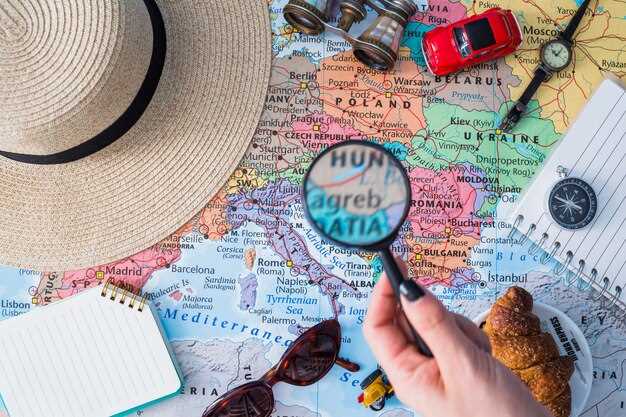 İspaniyaya Səyahət Məsləhətləri – Təhlükəsiz və Rahat Səyahət üçün Əsas Tövsiyələr">
Plan your route with buffers between cities, and book high-speed train connections early to minimize delays.
Learn the local health guidelines before you go: monitor fever symptoms and staying vigilant about disease spreads, especially in crowded markets and transit hubs.
In the pyrenees, plan layered clothing and weather-aware gear; check trail conditions before you go, and avoid damaged trails by sticking to marked paths.
Visas rules vary for non-EU travelers; if you plan longer stays, verify visa validity and entry requirements before departure to prevent delays.
In a plaça in Madrid or Barcelona, watch your belongings and observe local etiquette to avoid pickpockets.
Spain offers coveted experiences across diverse regions, from the high mountains to sunlit coasts; travel by train to connect cities across europe, and learn local customs to enrich your trip. You will come away with memorable moments and safer routines.
Spain Travel Advice: Practical Tips for a Safe and Smooth Trip
Always secure your luggage with a sturdy lock and keep it within sight in crowded areas like metro stations and markets. Travel comes with risks, so stay prepared by using a lightweight daypack for daily items to stay flexible while exploring the city.
- Health and documents – Carry photocopies of your passport and store digital copies securely on your phone. If you are vaccinated, ensure you have vaccination cards handy; some venues may request them for entry or accommodations. Share a photo of important documents with a trusted contact and report loss to hotel staff and local police immediately.
- Payments and cards – Use contactless cards or mobile wallets where accepted; carry a small amount of euros for places that don’t take cards; keep a second card in a separate pocket; when you pay, shield the keypad with your hand to protect your PIN; hotel safes provide extra security for valuables.
- Transit and security – In popular transit hubs, pickpockets operate near entrances and on trains; use licensed taxis or official rideshares; confirm driver identity before entry and avoid unlit streets at night. If you lose items, report to the nearest police station and contact your hotel or host for assistance.
- Packing and fluids – Follow airline rules for fluids; keep liquids in a clear, resealable bag and in containers under 100 ml for carry-on. Pack a compact rain shell and comfortable walking shoes; recheck weather for grand urban centers and coastal regions; staying prepared reduces delays when visiting sites, markets, or coastal towns.
- Regions and exploring – Spain’s countrys encompass grand regions such as Catalonia, Andalusia, Galicia, the Basque Country, and Valencia. When exploring, plan routes that match your interests–historic towns, beaches, or mountains. Even take time to enjoy wild coastlines along the way. Check opening hours and book tickets in advance; a local representative can share maps provided by local partners and guidance, and help with timing when lines are long, taking into account crowds.
- Hygiene and hands – Sanitize hands after touching surfaces in public spaces; carry hand sanitizer and wet wipes; avoid touching your face with unwashed hands; choose accommodations that provide clean rooms and fresh linens, and wipe down high-touch surfaces when you arrive.
- Staying safe with locals and strangers – Be cautious of distraction techniques used by several persons on busy streets; if someone asks for help or offers unsolicited assistance, verify with a staff member at a nearby shop or hotel. If something feels off, move to a staffed area and take note of details for a report. A hotel or tour member can connect you with a trusted contact who speaks your language and can take immediate action.
- Emergency planning and support – Save emergency numbers for Spain (112 nationwide) and keep the address of your country’s consulate. Keep a staying list of contacts, including a backup person back home and another trusted member of your travel circle. If theft occurs, file a report, contact your bank to block cards, and request replacement documents. This process depends on your issuing bank and local authorities, so start early and stay proactive.
Spiked food and drinks: how to protect yourself while enjoying Spanish cuisine
Inspect every drink before you sip and check the date on bottled beverages; ask for a fresh preparation if the date is unclear. Keep your glass in sight and stay ready to retreat from a table where you notice something unusual. In Spain, favor known restaurants and bars, especially in busy public areas where tampering can occur. Learn to trust your senses and act immediately if something seems wrong.
Confirm the bottle seal is intact; if the bottle seems unused or the seal is broken, decline and request a replacement. For cocktails, ask for ingredients to be measured in your presence and avoid pre-mixed pitchers in illegal or unfamiliar spots. Every step protects you.
Be wary of shared ice, mixers, or prep stations in outdoor settings; watch for any object near your glass. If you suspect fraud or tampering, refuse immediately and move to a safer area. Avoid accepting drinks from street vendors who operate illegally or from people you do not know.
Should you feel unwell after a drink, seek help immediately from a public clinic or hospital and notify the local health authority. There, staff will guide you on next steps and any necessary instructions. Spain’s health systems are robust, so they can support you quickly; keep the emergency number 112 in mind and know where you are there.
When dining outdoors in the mediterranean climate, protect yourself from mosquitoes: use a repellent with DEET or picaridin, wear long sleeves after dusk, and stay in sheltered interior spaces if insects are heavy. Avoid areas with standing water and crowded public spaces where insects gather. This approach reduces the risk of infections and keeps your night out enjoyable.
Medications should travel with you: carry medications in their original packaging with clear labels and keep a list of doses; bring copies of prescriptions and a pharmacy contact. Date your travel kit and departure plans so you can act quickly if you need care. If you sense danger or foul play, retreat to your interior space or back to your stay, and contact authorities. Do not drive after consuming questionable drinks; use a taxi or ride‑share instead.
Learn to spot tampering cues in beverages and street food
Check the seal on every bottled beverage and inspect for damage: a damaged cap, torn foil, or a resealed seal are red flags. If theres any doubt, avoid the drink and report it to the vendor or the local agency. Note the date and location of purchase to track suspicious activity during those travels.
In beverages, watch for color changes, cloudiness, or odd aftertaste; fizz that is inconsistent, unusual powders, or sediment should raise a serious caution. If a vendor offers ready-to-drink samples in non-transparent cups, avoid and request a fresh option from a trusted source. Follow official warnings from health authorities and be wary of tampered items before you drink.
In street food, inspect cooking surfaces, utensils, and hygiene: clean pots, dedicated utensils, gloves, and visible hand hygiene matter. If food is left uncovered for long, handled with bare hands, or kept in damaged containers, avoid. Ask about storage times and ingredients; choose stalls with visible rated hygiene certificates or posters from an official agency. If a stall closes during service or shows warnings, skip it and seek safer options. In larger crowds, hygiene rules tighten; these checks matter more. Those checks make tours through popular markets safer and more enjoyable.
What to do if you suspect tampering: do not consume, keep the container, and photograph it. Note the date, time, location, and circumstances. Report to the agency and, if possible, to local health authorities. Use your account on facebook to share non-sensitive tips with fellow travelers while relying on official warnings and verified information. If you’re with others, encourage them to follow these steps so you can avoid trouble and stay safe in busy areas and on coastal sails.
Keep a short list of exclusive contacts: local tourism offices, the nearest hospital, and the agency hotlines. Pack a compact health kit and ensure vaccination records are handy if requested by authorities. For those who value clarity, stick to trusted sources and avoid rumors; great information from official outlets helps you navigate those things. When unsure, ask for help, and rely on rated safety practices and clear date-stamped updates to plan safer tours and food experiences with confidence.
Smart beverage practices at bars and cafes to avoid risk
Choose bottled beverages or drinks served in sealed containers to cut surface contact and infection risk. When you enter bars or cafes, opt for a fresh glass rather than reusing a potentially contaminated one, and wash or sanitize hands after touching menus or bottle caps–hand sanitizer provided by staff will help.
Limit contact with items and avoid sharing straws or coasters; take only what you need and return unused items to the bar, preventing excess handling. If you get caught in a crowded moment, step back and give yourself space. For outdoor tables, keep a comfortable distance and avoid touching reflective surfaces with bare hands.
Prefer outdoor seating when possible, and keep groups small–parties that crowd the space increase risk. The venue will display a code and the ministry guidance; fully comply with posted rules and staff directions to minimize disruptions and ensure smooth service.
Professional staff, gloves used, follow a clear hygiene code and steps taken to show hygiene in practice; they should prove by visible actions, such as new glassware and sanitized surfaces. Pay attention to queue flow and any disruptions. If someone in your group feels unwell, step away and exit calmly to avoid exposure.
To reduce cross-contact, order drinks by one person for the table and avoid touchpoints; use only your own glass, and keep personal items away from bar surfaces. In the pyrenees or other tourist zones, venues provide clear process steps and hand sanitizer at entrances to help visitors stay safe; take these measures, and the experience stays enjoyable for members and staff alike.
Steps to take if you suspect a drink or dish is adulterated
Stop consuming immediately and alert staff on the spot.
Here is a practical sequence to reduce risk and help anyone involved understand what happened while you travel in Spain or elsewhere.
Understand the situation and communicate clearly: note the item name, ingredients you recall, taste, smell, and the conditions under which it was served. If safe, keep the item and the receipt; capture a photo of the dish or bottle label. Your details support staff and local authorities in identifying the source and protecting other travelers. This information helps any person reviewing the case understand the context and risk.
Within hours, collect all details and preserve evidence: avoid discarding the container and any remaining portion if safe; keep the packaging, receipt, and label. If you are traveling with passports, safeguard them and related documents as you report the incident to authorities. This helps in ongoing investigations and ensures you have the needed information at hand.
If symptoms appear, withdraw from further consumption and seek medical care promptly. For high-risk travelers, call local health services or visit a clinic; if necessary, evacuation to a hospital may be required in severe cases. Urgent care is essential if you experience persistent vomiting, severe dizziness, or numbness on the face.
Report the incident to hotel staff, restaurant management, and local health authorities. Maintain clear communication with your travel companions and consider notifying the national or regional health network through appropriate channels; sharing details with media can help warn others in european destinations and america alike. Have your notes ready to support formal reports and protect fellow travelers.
To reduce future risk, ask questions about ingredients, batch numbers, and handling; check requirements for safe service at reputable venues; keep passports and travel documents secure during meals. When you vacation, choose well-reviewed places, and prefer sealed beverages and tap water from trusted sources. In outdoor settings such as forests or near fjords, rely on sealed bottles and avoid ice from unknown sources. Some labels may reference additives with terms like rica. You should also be covered by basic travel insurance that includes illness and evacuation coverage.
| Addım | Fəaliyyət | Timing | Qeydlər |
|---|---|---|---|
| 1 | Stop consumption and inform staff | Dərhal | Do not drink or eat more; note item name |
| 2 | Preserve evidence | Within hours | Keep remaining portion, packaging, and receipt if safe |
| 3 | Document details | Dərhal. | Vaxtı, yeri, iştirak edən şəxsləri qeyd edin; mümkün olsa şəkil çəkin. |
| 4 | Tibbi yardım axtarın | Simptomlar yarandıqca | Ağır simptomlar üçün təcili yardım xidmətlərinə zəng edin; həkimə güman edilən saxtalaşdırma barədə məlumat verin |
| 5 | Hesabat verin və ünsiyyət qurun | Within 24 hours | Hoteli/restoranı və yerli səhiyyə orqanlarını xəbərdar edin; səyahət yoldaşlarınızla paylaşın |
Sosial təklifləri nəzakətlə necə rədd etmək və vəziyyətə nəzarəti necə əldə saxlamaq
Dəvət üçün təşəkkür edirəm, amma bu axşam vaxtımı məhdudlaşdırıram və bu dəfə iştirak etməyəcəyəm. İstəyirsinizsə, sabah səhər qəhvə içərək görüşə bilərik. Bu yanaşma narahatlığı minimuma endirir və planlarınızı qoruyur. Bu, sizə zərifliklə nəzarət etmək imkanı verə bilər.
Gəlməmişdən əvvəl həddinizi bilin. Qəbulunuzu və sürətinizi izləyin, xüsusən də turistlərin cəlb etdiyi məkanların yaxınlığındakı izdihamlı yerlərdə. Sıx yerlərdə yoluxucu risk arta bilər, buna görə də təmiz havaya çıxın və ya alkoqolsuz içkilərə keçin və əlinizin altında pulsuz su saxlayın. Məkanın ölçüsü, havalandırma və qalmağı planlaşdırdığınız vaxt kimi detalları izləyin. Özünüzü əldən düşmüş hiss edirsinizsə, qısa müddətə üzr istəyin və hazır olduqda qayıdın.
Qrafikinizə uyğun alternativlər təklif edin. Vəhşi təbiəti görmək üçün qısa bir gəzinti, muzey ziyarəti və ya daha sonra birlikdə yerli bir idman növünə baxmaq kimi gündüz fəaliyyətini təklif edin. Bu, öz ritminizi qoruyaraq ev sahibinə hörmət edir. Əgər ev sahibi israr edərsə, söhbəti yeni bir mövzuya yönəldə və söhbəti idarə etmək üçün aşağıdakı sətirlərdən istifadə edə bilərsiniz.
İspaniyada, imtinaınızı təhlükəsizlik və tarazlıq üçün şəxsi seçim kimi formalaşdırdığınız zaman nəzakət çox kömək edir. Dəvət davam edərsə, qısa cümləni təkrarlayın və sonra başqa bir gün üçün plan təklif edin: “Anladığınız üçün təşəkkür edirəm; vaxt uyğun gələrsə, növbəti görüşə qoşulacağam.” Sakit və dostyana tonunuz hər hansı sürtünmənin qarşısını almağa və yaxınlıqdakı hər kəs üçün narahatlığı azaltmağa kömək edir.
Sürətli şəkildə istifadə edə biləcəyiniz nümunə ssenarilər: Bu, dövriyyə üçün qısa bir ifadələr seriyasının bir hissəsidir. “Dəvət üçün təşəkkür edirəm, amma bu dəfə keçəcəyəm.” “Bu gecəni istirahət və bir az günəş üçün boş saxlayıram.” “Gəlin bu həftənin sonunda bir şey planlaşdıraq.” “Əgər istəsəniz, səhər fəaliyyətlərimdən sonra görüşə bilərik.”
Səyahətçilər üçün sağlamlıq konteksti: yerli xəbərdarlıqları və hepatitlə bağlı təlimatları yoxlayın və toplantılara təsir edə biləcək yoluxucu risklərdən xəbərdar olun. Həmişə sosial istiliklə ən yüksək prioritet – təhlükəsizlik arasında balans tapın. Vəhşi təbiətə səfərlər və ya idman tədbirləri üçün səth şəraitini yoxlayın və əl təmizləyicisi götürün. Səyahət edərkən təhlükəsizlik mükafatları və aydın sağlamlıq detalları olan yerlər axtarın və turist kimi ziyarət etdiyiniz hər hansı bir ölkədə seçimlərinizə rəhbərlik etmək üçün bu siqnallardan istifadə edin.
Nə götürməli və hadisə baş verdikdə kimə müraciət etməli
Özünlə kompakt təcili yardım dəsti və səfirliyinin/konsulluğunun, sığortaçının və qaldığın yerin nömrələri olan sürətli əlaqə kartı götür. Pasportunun və vizalarının surətini, üstəlik telefonundan ayrı saxlanılan mühüm nömrələrin kağız siyahısını saxla. Bu qərar tətbiqləri axtarmadan tez hərəkət etməyə kömək edir.
- Telefon və enerji: dolu mobil telefon, portativ enerji yığan cihaz və yerli SIM və ya rouminq planı.
- Şəxsiyyət vəsiqəsi: pasport və ya şəxsiyyət vəsiqəsi, əlavə olaraq surətləri ayrı çantada saxlanılmalı, üstəlik səyahət sığortası məlumatları və polis nömrəsi.
- Ödənişlər: avro ilə nağd pul və ehtiyat variantı olan kart; ikinci kartı ayrı cibdə saxlayın.
- Tibbi məlumatlar: allergiya, dərmanlar və təcili əlaqələr haqqında qısa qeyd; əgər varsa, sığorta şirkətinin qaynar xəttini də əlavə edin.
- İlk yardım və hidratasiya: kiçik bir ilk yardım dəsti (antiseptik salfetlər, sarğılar, pinset), kiçik bir su butulkası və daha uzun tranzit üçün qəlyanaltı.
- Sənədlər: qısa siyahıda yaşayış yerləri, biletlər və vacib ünvanlar; sadə xəritə götürün və ya telefonunuza oflayn xəritələr yükləyin.
- Təcili yardım: İspaniyanın istənilən yerində və bütün Aİ ərazisində tibbi, yanğın və ya polis yardımı üçün 112-yə zəng edin.
- Yerli orqanlar: hadisə yerində kömək istəyin və əgər bir şey baş verərsə, hesabat təqdim edin.
- Səfirlik və ya konsulluq: təcili pasport dəyişdirmə və ya səyahət sənədləri üçün müraciət edin; şəxsiyyət təsdiqləndikdən sonra müvəqqəti sənədlər verə bilərlər.
- Sığorta: zəng edərək 24/7 qaynar xəttə müraciət edin ki, iddia təşəbbüs olunsun və əhatə olunan xidmətlər və geri ödəmələr barədə məlumat əldə edin.
- Otel və ya tur operatoru: onların heyəti yerli xidmətlərlə əlaqələndirə və növbəti addımlarda sizə dəstək ola bilər.
- Rəsmi mənbələr: ən yaxın tibb müəssisələrini tapmaq üçün şəhərin təhlükəsizlik portallarından və yerli hakimiyyət portallarından istifadə edin.