


 O‘zbekcha
  English (UK)
  Русский
  বাংলা
বাংলা  العربية
  日本語
日本語  한국어
한국어  Magyar
  Norsk nynorsk
  Türkçe
  עִבְרִית
  Español
  Čeština
  Svenska
  Português
  Ελληνικά
  Suomi
Suomi  Nederlands
  Română
  Italiano
  Français
  Polski
  Українська
  Deutsch
  简体中文
简体中文  Slovenčina
  Српски језик
  اردو
اردو  Azərbaycan dili
  አማርኛ
አማርኛ 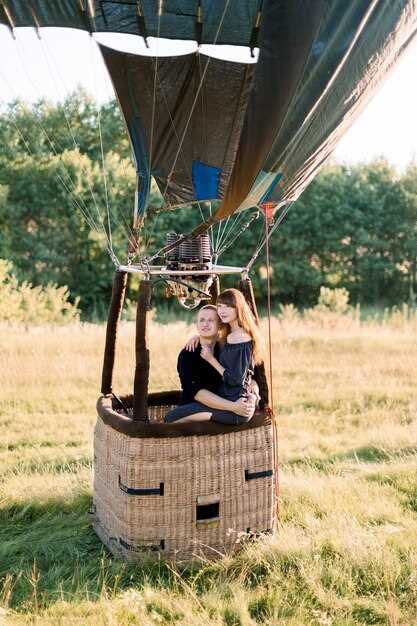 Shimoliy hududda havo sharlarida parvoz qilish – Eng yaxshi parvozlar va tajribalar">
Begin your Northern Territory ballooning adventure at sunrise to catch the first light over the tablelands. In the douglas area, operators gather at a centre before dawn, briefing families, groups, and solo travelers on safety, wind checks, and the route you’ll take. The ascent in the balloon is calm, and the views are enormous: you drift over red gums, watch a kangaroo pause in the scrub, and seeaustralia unfold on the horizon. After landing, enjoy a short walk back to the launch site and a celebratory breakfast with coffee and a glass of wine.
Best flights and experiences vary with the season, but a few constants stand out: dry-season winds from May to October deliver clear light and long navigation over the tablelands and nearby plains. Flights typically last 60 to 90 minutes, depending on wind, with panoramic views of rivers and escarpments; the right route is shown by your pilot and can begin near douglas or other hubs. You should come prepared with a light jacket, a hat, and closed-toe shoes. After landing, guides show you how the process works and offer a quick photo session so you can share pictures with friends.
What to wear and bring: Dress in layers, bring a camera, sunscreen, and a bottle of water. For families and groups, the experience suits children ages 6 and up; operators can accommodate groups of 6–12 in a single balloon basket. The pre-flight walk to the basket is short but a little chilly, so a windproof layer helps. After the flight, toast with a glass of wine or juice and meet locals who run the tours at the centre.
Top experiences include dawn flights from Alice Springs over the MacDonnell Ranges, with views of waterholes and ancient rock formations. From Katherine, you drift across river valleys and floodplains that vary with the season, offering color changes that are often richer than a ground tour. In all cases, you will have a chance to meet other travelers and capture rasmlar that showaustralia in a new light. If you’re lucky, you’ll spot a kangaroo along the right-hand side as you drift.
Booking tips: Check licenses, safety records, and weather policies; book windows around sunrise for the calmest winds. Typical prices range from AU$320 to AU$450 per person; private charters or small groups may be higher. If you plan a family trip, reserve seats for children and ask about discounts for groups of four or more. When you land, operators usually provide a post-flight certificate and a light breakfast.
Best sunrise windows and NT weather patterns
Take the dawn window during NT’s dry season for the lightest winds, crisp air, and best visibility. Times vary by site, but you can expect takeoffs roughly between 5:30 and 6:30 a.m. from May through September; in late spring and early autumn the window shifts by about 15–30 minutes. In the wet season, humidity and convective clouds can narrow the options or push flights to safer margins, so booking flexibility matters. If youre flying from adelaide or joining those tours, connect with the operator early to meet the crew and confirm equipment and vehicle transfers.
Seasonal patterns
- Dry season (roughly May–Sept): winds are light to moderate, skies clear, and dawn light is steady; this creates the widest sunrise window and the most consistent conditions for those tours.
- Shoulder months (Oct–Nov, Apr–May): transitional patterns with sometimes gustier mornings; plan with the operator and expect slight adjustments.
- Wet season (Nov–Apr): convection can build after dawn, storms form quickly, and gusts may appear; some sites accepts dawn windows exclusively, so a flexible plan helps safety.
- Regional variation: NT sites such as Darwin, Katherine, Kakadu, and Alice Springs differ in wind trends and humidity; always check the local authority requirements and the operator’s forecast for that day.
Practical tips and data
- Check infolostinaustraliaorg for updates on weather conditions, flight windows, and site notices; times can change with fronts and humidity.
- Before booking, confirm the right time with the operator; not all sites accepts the same dawn window, and youre getting the most value by aligning with the right day.
- Safety first: a briefing with the safety crew is mandatory; the coach will outline the plan, back-up options, and the protocol if conditions shift. The needed checks are completed before launch, and these patterns become more predictable over time.
- 20–30 minute pre-flight meet time is common; you meet the crew, review the route, and prepare your gear as the vehicle transports you to the launch field.
- The basket walls support your balance and the takeoff sequence; remain aware of the crew instructions and keep luggage close to the coach; avoid loose items near the burners.
- Costs vary by site and season; expect AUD 300–450 per person for a typical dawn flight, with some premium sites or private options higher; factor in transfers, meals, and gear rental.
- For wildlife, stay alert for reptiles near launch zones; the crew will guide you on safe distances and avoid incidents.
- Those traveling from adelaide or other regions can combine dawn flights with other NT tours, sharing transport and guides to keep costs reasonable.
- On the day, arrive early, pack light, and keep your camera ready for the moment when the sun crosses the horizon and silhouettes the backlit landforms across the NTs landscapes.
- After the flight, you return by vehicle to the launch area or the pickup point; plan the rest of the day with time to rest and photograph more vistas.
Choosing a reputable operator: safety standards and flight options
Answer: Always pick a licensed operator with a robust safety framework, a current aviation authority certificate, and a well‑maintained fleet. Request maintenance logs for each balloon and the pilot’s flight hours; a credible operator will share these details and provide a clear safety briefing before ascent. If such information isn’t forthcoming, move on to another operator.
Look for a published safety policy, documented crew training, and solid insurance coverage. The crew conducts a standard pre‑flight check, reviews weight distribution, and explains emergency procedures. Flights proceed only in calm air; however, operators will cancel if wind speeds or visibility breach safe thresholds. Never accept a flight in uncertain conditions.
Flight options typically include dawn or early‑morning departures with durations around 60 minutes. The basket floats gently and can carry around six to twelve persons, depending on the size. For families and groups, some firms offer private or semi‑private flights, or extended durations as part of a package. Pricing varies by operator and season; compare inclusions, and ask about group pricing if you travel with others. When you book, verify weight allowances and any age restrictions so your plans stay smooth. If you plan to visit the NT with scuba divers or enjoy other adventures later, schedule the flight to fit your day around these activities.
Practical checks before you book
Confirm the operator’s certification and that the balloons are up to date with annual maintenance. Ask for a clear weather policy and a transparent cancellation or rescheduling policy. Check that the crew will provide a safety briefing and that there is ground support for after landing. For those who value photo opportunities, expect time after landing to capture the scenery with help from the ground crew. Confirm at booking how the day unfolds, including transfer arrangements, and whether sunglasses and warm clothing are recommended for the early start. If you’re traveling with families, ask about child eligibility and any seating or weight rules. Thanks for planning this adventure; the float and the memories you capture will stay with you long after the ascent.
What to wear and what to pack for a cool morning ascent
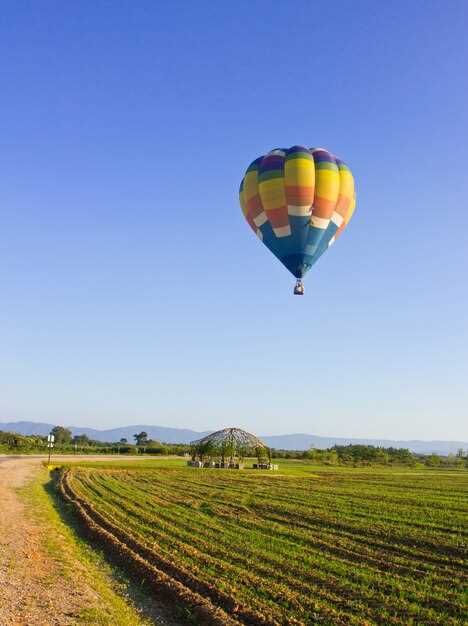
Wear a windproof, breathable jacket over a warm base layer, add a fleece, and top it with a light shell so you stay comfy during the cool dawn ascent over the iconic palms of the northernterritory.
Layering starts with a moisture-wicking base, add a mid-layer fleece, then finish with an outer wind shell; adjust as the sun climbs to keep your balance between warmth and mobility.
Layering strategy
Footwear should be sturdy closed-toe shoes with good grip; avoid sandals since you’ll step onto a basket ramp and uneven ground near the site.
Headwear and hands matter: a cap or beanie plus gloves protect against the chill and rotor dust; a light scarf can shield your mouth if the breeze picks up.
If you own scuba gloves, choose insulated gloves instead and keep bulky items in your coach or groups vehicle; nimble fingers help during boarding.
Packing checklist
Sunglasses with UV protection, sunscreen, and lip balm keep glare and sun exposure down; bring a small bottle of water and a juice box for younger visitors to stay hydrated.
Pack a compact camera or phone with a secure strap, spare batteries, and a power bank; store everything in a lightweight daypack so crew and pilots can move smoothly during safety briefings.
Check rates and what’s included with your operator; most sites in the area offer tea or coffee before takeoff, and a light snack after landing for groups of visitors and guides.
In the douglas area near mala, guides and pilots also brief groups on safety here; stay aware of wildlife like kangaroos and reptiles along the site path, and follow operators’ signals to stay alive and safe during the floating ascent. This australia aviation experience relies on simple prep and awareness.
Ishga tushirish tartibi, xavfsizlik brifingi va vazn cheklovlari
Dastlab shamol tezligi chegaralarini va vazn me'yorlariga muvofiqligini tekshiring, so'ngra barcha ishtirok etuvchi yo'lovchilar bilan xavfsizlik bo'yicha brifingni ko'rib chiqing. Operator joyida ta'minotchi bo'ladi; vaznlar manifestga kiritilishi kerak, umumiy yuk ko'tarish hajmi transport vositasining dizayniga va ekipajning rejasiga bog'liq. Ulurudan parvozlar keng manzaralar va mahalliy hikoyalarni taqdim etadi, ertalabki sovuqlik esa operatsiyalarni aniq va xavfsiz saqlaydi; boshqa hududlardan kelgan sayohatchilar bekor qilishlarning oldini olish uchun erta kelishlari kerak.
Xavfsizlik bo'yicha brifing protokoli
Brifing asosiy harakatlarni qamrab oladi, jumladan, devorlarni qanday ushlab turish, qo'nish paytida qanday tirgak bo'lish va ko'tarilish va sirpanish paytida ekipaj bilan qanday muloqot qilish. Unda kiyim-kechak, poyabzal va tongda nimalarni kutish kerakligi tushuntiriladi, asosiy e'tibor jarohatlanishning oldini olish va barcha qatnashayotgan yo'lovchilar ketma-ketlikni tushunishini ta'minlashga qaratilgan. Ekipaj va yo'lovchilar uchish-qutqaruv yo'lini, yer signallarini va yong'in xavfsizligini uchuvchi va yordamchi mashina bilan birga ko'rib chiqadilar. Yo'lovchilar xavflarni tan oladilar va manifestga imzo chekadilar; mahalliy gidlarning hikoyalari marshrut uchun kontekst beradi.
Og'irlik cheklovlari va yo'lovchilarni rejalashtirish
Og'irliklar yetib kelganda tekshiriladi; odatdagi savatlar 12-16 yo'lovchiga mo'ljallangan bo'lib, modelga qarab maksimal yalpi yuk ko'tarish qobiliyati taxminan 450-600 kg ni tashkil qiladi. Yosh bo'yicha ko'rsatmalar odatda 7 yoshdan boshlab ko'rsatiladi va barcha yo'lovchilar xavfsizlik kamari va devorlariga mos kelishi kerak. Agar shamol yoki ob-havo sharoitlari chegaradan oshsa, reys kechiktiriladi yoki bekor qilinadi; to'lovlar va bekor qilish siyosati amal qiladi va provayder keyingi bo'sh vaqtni ma'lum qiladi. Ma'lum bo'lgan og'irliklarni tasdiqlash va kechikishlarni oldini olish uchun erta keling; agar katta hajmli uskunalar yoki kameralar bo'lsa, transport vositasida saqlash imkoniyatlarini aniqlash uchun ekipaj bilan muhokama qiling. Havoda mukammal muvozanat uchun bo'shashgan narsalarni mahkamlang va savat tomonidan taqdim etilgan cho'ntaklar yoki sumkalardan foydalaning.
| Qadam | Tekshirish uchun nima | Vaqt oynasi |
|---|---|---|
| Parvoz oldidan vaznni tekshirish | Yo'lovchi va yuk og'irliklari manifestga kiritilgan; umumiy foydali yuk savat chegaralarida | Uchishdan 60–90 daqiqa oldin |
| Xavfsizlik bo'yicha brifing | Uchuvchi uchun qisqacha ma'lumot, favqulodda vaziyat tartiblari, tayanch texnikasi va signallar | Voqea joyida, manzilga chiqishdan oldin |
| Ob-havo va uchirish mezonlari | Shamol tezligi, shamolning kuchayishi, bulutlar bazasi, ko'rinish darajasi | Ertalab deraza; sharoit o'zgarganmi, qayta tekshiring |
| Yoʻlovchilarning tayyorgarligi | Salqin liboslar, qulay poyabzal, xavfsiz narsalar; Xayr. | Brifingdan so'ng darhol |
| Parvozdan keyingi harakatlar | Yer usti xizmat ko'rsatish, yuklarni olish, parvozdan keyingi xavfsizlik tekshiruvlari | Qoʻngandan va tushgach |
Shar manzara va aerostatdan suratga olish boʻyicha maslahatlar
NTning tekisliklari uzra majburiy yorug'lik va tinchlik hukm surayotgan paytni suratga olish uchun tonggi reysga buyurtma bering. Behislob ufq to‘lqinli tepaliklar va uzoqdagi qoyalar porlay boshlaganda ochiladi; agar siz havo sharida sayohat qilishni birinchi bor boshlayotgan bo‘lsangiz, bu yoqimli ko‘tarilish manzaralarni tomosha qilayotganda his-tuyg‘ularingizni xotirjam saqlaydi.
Savatchadan tekisliklarda kangurularni, birinchi quyoshni ushlayotgan suv havzalarini va landshaft bo'ylab tarqalgan tarixiy uylarni ko'rasiz. Landshaft ham cho'ntaklarda Yevropa uslubidagi dehqonchilikdan dalolat beradi. Iliq nur охra ranglarini va yer bo'ylab uzun soyalarni namoyon qiladi va bu tajriba do'stlaringiz bilan baham ko'rishingiz mumkin bo'lgan yorqin xotiraga aylanadi. Narxlar provayderga qarab farq qiladi, shuning uchun takliflarni solishtiring va qo'shimcha otish vaqtini va qo'ngandan so'ng suratni tezda ko'rib chiqish imkoniyatini beradigan paketlarni qidiring. Agar siz tez orada ikkinchi sayohat uchun qaytayotgan bo'lsangiz, yangi nuqtai nazarlarni topish uchun boshqa yo'nalish haqida so'rang. Qo'ngandan so'ng, sayohat xotiralarini cho'zish uchun yaqin atrofdagi yo'lak bo'ylab piyoda yurish bilan sarguzashtni davom ettirishingiz mumkin.
Shar shardan panoramik manzaralar
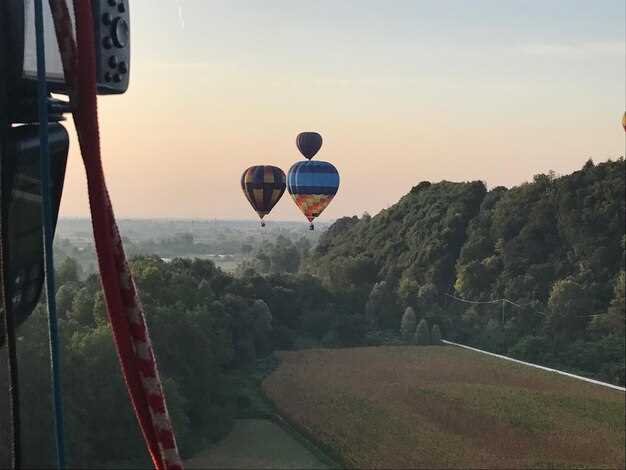
Avvalo, ufqqa cho'zilgan keng tekislik, yer rang-barang mozaikaga aylanib ketgan joy. Ikkinchidan, osmonni kesib o'tuvchi tikanli siluetli plato zanjiri. Uchinchidan, quyosh ko'tarilganda yorug'lik o'zgarib turadigan dumaloq jarlikli o'ralgan daryo vodiysi. Uzoqdagi kenga'urular yoki chorva mollarining mayda nuqtalar kabi ko'rinadigan joyiga e'tibor bering; soya chizig'i yer bilan uchrashadigan nuqta bilan taqqoslaganingizda, masshtab hissiyoti juda katta bo'ladi. Tongdan keyin siz outbackning kengligi va tarixiy tuzilishini ko'rsatadigan kadrlar bilan qaytasiz.
Havoda suratga olish bo'yicha maslahatlar
RAW formatida suratga oling, yorqin osmondagi yorug'likdan himoya qilish uchun bracket ekspozitsiyalarini o'rnating va panoramani qamrab olish uchun keng burchakli linzalardan foydalaning; telefoto kangurularni, tosh yuzalarni yoki uzoqdagi uylarni ajratib ko'rsatishga yordam beradi. Harakatlanuvchi bulutlarni muzlatib qo'yish uchun o'rtacha tortish tezligida suratga oling, so'ngra ipaksimon havo naqshlari va siluetlar uchun sekinroq tezlikka o'ting. Titrashni kamaytirish uchun savat mebellariga tayaning; holatingizni xotirjam saqlang va soatlab suratga olish davomida tanangizdan stabilizator sifatida foydalaning. Ufqqa tomon savatdan chiqadigan yo'naltiruvchi chiziqlar bilan ramkalang va tushdan keyingi quyosh sahnaga chuqurlik qo'shganda suratga olishni rejalashtiring. Ajablanarli natijaga erishish uchun suratlar ketma-ketligini oling va qaytgandan so'ng oddiy panoramani tikib qo'ying va fayllarni shunday saqlangki, qo'nganingizdan so'ng sarguzashtni sayohatdoshlaringiz bilan baham ko'rishingiz mumkin bo'lsin.