


 Română
  English (UK)
  Русский
  বাংলা
বাংলা  العربية
  日本語
日本語  한국어
한국어  Magyar
  Norsk nynorsk
  Türkçe
  עִבְרִית
  Español
  Čeština
  Svenska
  Português
  Ελληνικά
  Suomi
Suomi  Nederlands
  Italiano
  Français
  Polski
  Українська
  Deutsch
  简体中文
简体中文  Slovenčina
  Српски језик
  اردو
اردو  Azərbaycan dili
  O‘zbekcha
  አማርኛ
አማርኛ 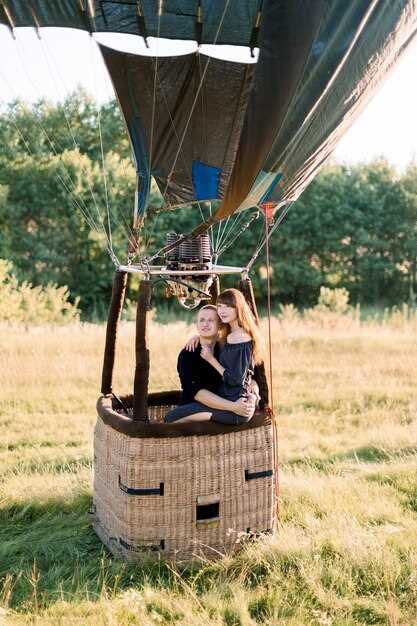 Zboruri cu balonul cu aer cald în Teritoriul de Nord – Cele mai bune zboruri și experiențe">
Begin your Northern Territory ballooning adventure at sunrise to catch the first light over the tablelands. In the douglas area, operators gather at a centre before dawn, briefing families, groups, and solo travelers on safety, wind checks, and the route you’ll take. The ascent in the balloon is calm, and the views are enormous: you drift over red gums, watch a kangaroo pause in the scrub, and seeaustralia unfold on the horizon. After landing, enjoy a short walk back to the launch site and a celebratory breakfast with coffee and a glass of wine.
Best flights and experiences vary with the season, but a few constants stand out: dry-season winds from May to October deliver clear light and long navigation over the tablelands and nearby plains. Flights typically last 60 to 90 minutes, depending on wind, with panoramic views of rivers and escarpments; the right route is shown by your pilot and can begin near douglas or other hubs. You should come prepared with a light jacket, a hat, and closed-toe shoes. After landing, guides show you how the process works and offer a quick photo session so you can share pictures with friends.
What to wear and bring: Dress in layers, bring a camera, sunscreen, and a bottle of water. For families and groups, the experience suits children ages 6 and up; operators can accommodate groups of 6–12 in a single balloon basket. The pre-flight walk to the basket is short but a little chilly, so a windproof layer helps. After the flight, toast with a glass of wine or juice and meet locals who run the tours at the centre.
Top experiences include dawn flights from Alice Springs over the MacDonnell Ranges, with views of waterholes and ancient rock formations. From Katherine, you drift across river valleys and floodplains that vary with the season, offering color changes that are often richer than a ground tour. In all cases, you will have a chance to meet other travelers and capture poze that showaustralia in a new light. If you’re lucky, you’ll spot a kangaroo along the right-hand side as you drift.
Booking tips: Check licenses, safety records, and weather policies; book windows around sunrise for the calmest winds. Typical prices range from AU$320 to AU$450 per person; private charters or small groups may be higher. If you plan a family trip, reserve seats for children and ask about discounts for groups of four or more. When you land, operators usually provide a post-flight certificate and a light breakfast.
Best sunrise windows and NT weather patterns
Take the dawn window during NT’s dry season for the lightest winds, crisp air, and best visibility. Times vary by site, but you can expect takeoffs roughly between 5:30 and 6:30 a.m. from May through September; in late spring and early autumn the window shifts by about 15–30 minutes. In the wet season, humidity and convective clouds can narrow the options or push flights to safer margins, so booking flexibility matters. If youre flying from adelaide or joining those tours, connect with the operator early to meet the crew and confirm equipment and vehicle transfers.
Seasonal patterns
- Dry season (roughly May–Sept): winds are light to moderate, skies clear, and dawn light is steady; this creates the widest sunrise window and the most consistent conditions for those tours.
- Shoulder months (Oct–Nov, Apr–May): transitional patterns with sometimes gustier mornings; plan with the operator and expect slight adjustments.
- Wet season (Nov–Apr): convection can build after dawn, storms form quickly, and gusts may appear; some sites accepts dawn windows exclusively, so a flexible plan helps safety.
- Regional variation: NT sites such as Darwin, Katherine, Kakadu, and Alice Springs differ in wind trends and humidity; always check the local authority requirements and the operator’s forecast for that day.
Practical tips and data
- Check infolostinaustraliaorg for updates on weather conditions, flight windows, and site notices; times can change with fronts and humidity.
- Before booking, confirm the right time with the operator; not all sites accepts the same dawn window, and youre getting the most value by aligning with the right day.
- Safety first: a briefing with the safety crew is mandatory; the coach will outline the plan, back-up options, and the protocol if conditions shift. The needed checks are completed before launch, and these patterns become more predictable over time.
- 20–30 minute pre-flight meet time is common; you meet the crew, review the route, and prepare your gear as the vehicle transports you to the launch field.
- The basket walls support your balance and the takeoff sequence; remain aware of the crew instructions and keep luggage close to the coach; avoid loose items near the burners.
- Costs vary by site and season; expect AUD 300–450 per person for a typical dawn flight, with some premium sites or private options higher; factor in transfers, meals, and gear rental.
- For wildlife, stay alert for reptiles near launch zones; the crew will guide you on safe distances and avoid incidents.
- Those traveling from adelaide or other regions can combine dawn flights with other NT tours, sharing transport and guides to keep costs reasonable.
- On the day, arrive early, pack light, and keep your camera ready for the moment when the sun crosses the horizon and silhouettes the backlit landforms across the NTs landscapes.
- After the flight, you return by vehicle to the launch area or the pickup point; plan the rest of the day with time to rest and photograph more vistas.
Choosing a reputable operator: safety standards and flight options
Answer: Always pick a licensed operator with a robust safety framework, a current aviation authority certificate, and a well‑maintained fleet. Request maintenance logs for each balloon and the pilot’s flight hours; a credible operator will share these details and provide a clear safety briefing before ascent. If such information isn’t forthcoming, move on to another operator.
Look for a published safety policy, documented crew training, and solid insurance coverage. The crew conducts a standard pre‑flight check, reviews weight distribution, and explains emergency procedures. Flights proceed only in calm air; however, operators will cancel if wind speeds or visibility breach safe thresholds. Never accept a flight in uncertain conditions.
Flight options typically include dawn or early‑morning departures with durations around 60 minutes. The basket floats gently and can carry around six to twelve persons, depending on the size. For families and groups, some firms offer private or semi‑private flights, or extended durations as part of a package. Pricing varies by operator and season; compare inclusions, and ask about group pricing if you travel with others. When you book, verify weight allowances and any age restrictions so your plans stay smooth. If you plan to visit the NT with scuba divers or enjoy other adventures later, schedule the flight to fit your day around these activities.
Practical checks before you book
Confirm the operator’s certification and that the balloons are up to date with annual maintenance. Ask for a clear weather policy and a transparent cancellation or rescheduling policy. Check that the crew will provide a safety briefing and that there is ground support for after landing. For those who value photo opportunities, expect time after landing to capture the scenery with help from the ground crew. Confirm at booking how the day unfolds, including transfer arrangements, and whether sunglasses and warm clothing are recommended for the early start. If you’re traveling with families, ask about child eligibility and any seating or weight rules. Thanks for planning this adventure; the float and the memories you capture will stay with you long after the ascent.
What to wear and what to pack for a cool morning ascent
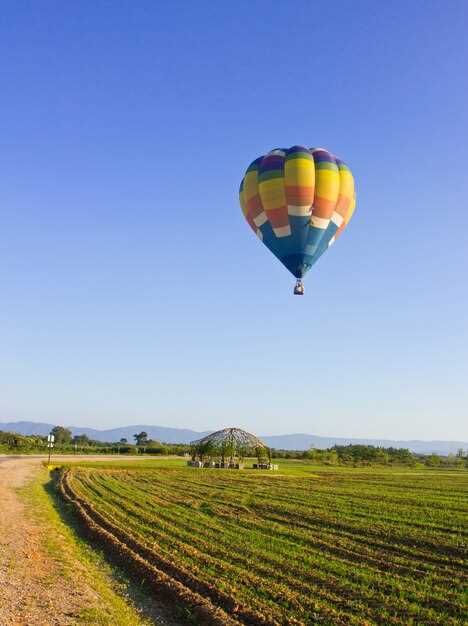
Wear a windproof, breathable jacket over a warm base layer, add a fleece, and top it with a light shell so you stay comfy during the cool dawn ascent over the iconic palms of the northernterritory.
Layering starts with a moisture-wicking base, add a mid-layer fleece, then finish with an outer wind shell; adjust as the sun climbs to keep your balance between warmth and mobility.
Strategie de stratificare
Footwear should be sturdy closed-toe shoes with good grip; avoid sandals since you’ll step onto a basket ramp and uneven ground near the site.
Headwear and hands matter: a cap or beanie plus gloves protect against the chill and rotor dust; a light scarf can shield your mouth if the breeze picks up.
If you own scuba gloves, choose insulated gloves instead and keep bulky items in your coach or groups vehicle; nimble fingers help during boarding.
Lista de împachetare
Sunglasses with UV protection, sunscreen, and lip balm keep glare and sun exposure down; bring a small bottle of water and a juice box for younger visitors to stay hydrated.
Pack a compact camera or phone with a secure strap, spare batteries, and a power bank; store everything in a lightweight daypack so crew and pilots can move smoothly during safety briefings.
Check rates and what’s included with your operator; most sites in the area offer tea or coffee before takeoff, and a light snack after landing for groups of visitors and guides.
In the douglas area near mala, guides and pilots also brief groups on safety here; stay aware of wildlife like kangaroos and reptiles along the site path, and follow operators’ signals to stay alive and safe during the floating ascent. This australia aviation experience relies on simple prep and awareness.
Launch procedures, safety briefing, and weight limits
Check wind limits and weight compliance first, then review the safety briefing with all participating passengers. The operator would be the provider on site; weights must be entered on the manifest, and total payload depends on the vehicle design and the crew’s plan. Departures from uluru offer vast landscapes and native stories, while the morning chill keeps operations precise and safe; travelers arriving from other regions should arrive early to avoid cancellations.
Safety briefing protocol
The briefing covers key actions, including how to hold the walls, how to brace during landing, and how to communicate with the crew during the ascent and glide. It explains the clothing, footwear, and what to expect at dawn, with a clear focus on preventing injury and ensuring all participating passengers understand the sequence. Crew and passengers review the escape route, ground signals, and fire safety with the pilot and the support vehicle on hand. Passengers acknowledge risks and sign the manifest; the native guides’ stories provide context for the route.
Weight limits and passenger planning
Greutățile sunt verificate la sosire; coșurile tipice sunt proiectate pentru 12-16 pasageri, cu o sarcină utilă brută maximă de aproximativ 450-600 kg în funcție de model. Indicațiile de vârstă specifică în mod obișnuit 7 ani și peste, iar toți pasagerii trebuie să se potrivească cu hamul și pereții de siguranță. Dacă vântul sau condițiile meteorologice depășesc pragul, zborul va fi amânat sau anulat; se aplică politica de taxe și anulări, iar furnizorul comunică următorul interval disponibil. Sosiți devreme pentru a confirma greutățile cunoscute și pentru a evita întârzierile; dacă sunt implicate echipamente voluminoase sau camere foto, discutați cu echipajul pentru a determina opțiunile de depozitare în vehicul. Pentru un echilibru perfect în aer, păstrați obiectele libere asigurate și folosiți buzunarele sau gențile puse la dispoziție de coș.
| Pas | What to verify | Fereastră de timp |
|---|---|---|
| Verificarea greutății înainte de zbor | Greutățile pasagerilor și ale bagajelor introduse în manifest; incărcătura utilă totală în limitele coșului. | cu 60–90 de minute înainte de decolare |
| Safety briefing | Schema pilotaj, proceduri de urgență, tehnica de sprijin și semnale | La fața locului, chiar înainte de îmbarcare |
| Condiții meteo și criterii de lansare | Viteza vântului, rafale, baza norilor, vizibilitate | Fereastră de dimineață; reverifică dacă se schimbă condițiile |
| Pregătirea pasagerilor | Îmbrăcăminte lejeră, încălțăminte adecvată, lucruri personale în siguranță; semnat. | Imediat după briefing. |
| Acțiuni post-zbor | Servicii de handling la sol, colectarea bagajelor, verificări de siguranță post-zbor | După aterizare și debarcare |
Cele mai bune priveliști panoramice și sfaturi de fotografie din balon
Rezervă un zbor la zori pentru a surprinde lumina obligatorie și răsăritul pașnic deasupra podișurilor din Teritoriul de Nord. Orizontul enorm se desfășoară chiar în timp ce dealurile ondulate și escarpele îndepărtate strălucesc; dacă ești nou în călătoriile cu balonul cu aer cald, această ascensiune blândă menține senzația de calm în timp ce te bucuri de priveliști.
Din coș, zărești canguri pe câmpii, ochiuri de apă care prind primul soare și gospodării istorice presărate peisajului. Peisajul trădează, de asemenea, prezența insulară a agriculturii de tip european. Lumina caldă dezvăluie texturi ocru și umbre lungi peste pământ, iar experiența se întoarce sub forma unei amintiri vii pe care o poți împărtăși cu prietenii. Tarifele variază în funcție de furnizor, așa că compară ofertele și caută pachete care îți oferă ore suplimentare de filmare și șansa de a revizui fotografiile la scurt timp după aterizare. Dacă te întorci curând pentru o a doua plimbare, întreabă despre un traseu diferit pentru a surprinde noi puncte de vedere. După aterizare, poți prelungi aventura cu o drumeție/o plimbare de-a lungul unei poteci din apropiere pentru a intensifica amintirile de călătorie.
Priveliști panoramice de la balon
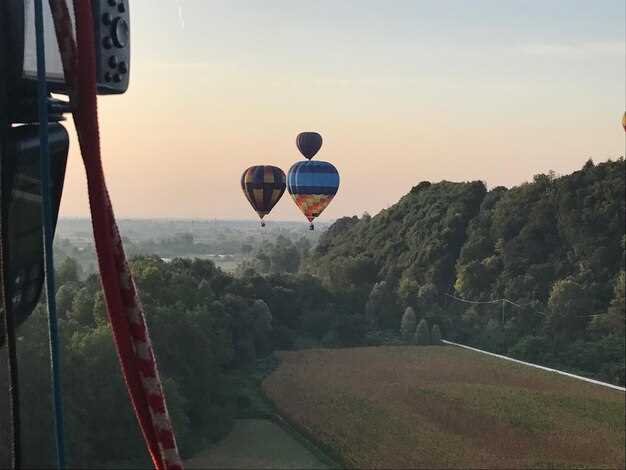
În primul rând, o câmpie vastă care se întinde până la orizont, unde pământul se destramă într-un mozaic de culoare. În al doilea rând, un lanț de platouri cu siluete zimțate care brăzdează cerul. În al treilea rând, o vale șerpuită a râului cu ravene ondulate, unde lumina se schimbă continuu pe măsură ce soarele urcă. Fii atent să zărești un loc unde cangurii sau fermele de vite îndepărtate apar ca niște pete minuscule; senzația de scară este enormă când le compari cu punctul în care linia umbrei se întâlnește cu pământul. După zori, te întorci cu cadre care ilustrează vastitatea și textura istorică a zonei din pustietate.
Sfaturi de fotografie în aer
Fotografiază în format RAW, setează expuneri în bracketing pentru a proteja zonele luminoase ale cerului strălucitor și folosește un obiectiv cu unghi larg pentru a include panorama; un teleobiectiv te ajută să izolezi cangurii, fețele de stâncă sau gospodăriile îndepărtate. Fotografiază cu o viteză moderată a obturatorului pentru a îngheța norii în mișcare, apoi treci la o viteză mai mică pentru modele de aer mătăsos și siluete în mișcare. Sprijină-te de structura coșului pentru a minimiza tremurul; menține-ți poziția relaxată și folosește-ți corpul ca stabilizator în timpul orelor de fotografiere. Încadrează cu linii directoare dinspre coș spre orizont și planifică fotografiile pentru soarele după-amiezii, când acesta adaugă profunzime scenei. Pentru un rezultat dramatic, capturează o secvență și realizează o panoramă simplă la întoarcere și stochează fișierele astfel încât să poți împărtăși aventura cu partenerii tăi de călătorie imediat după aterizare.