


 اردو
اردو  English (UK)
  Русский
  বাংলা
বাংলা  العربية
  日本語
日本語  한국어
한국어  Magyar
  Norsk nynorsk
  Türkçe
  עִבְרִית
  Español
  Čeština
  Svenska
  Português
  Ελληνικά
  Suomi
Suomi  Nederlands
  Română
  Italiano
  Français
  Polski
  Українська
  Deutsch
  简体中文
简体中文  Slovenčina
  Српски језик
  Azərbaycan dili
  O‘zbekcha
  አማርኛ
አማርኛ 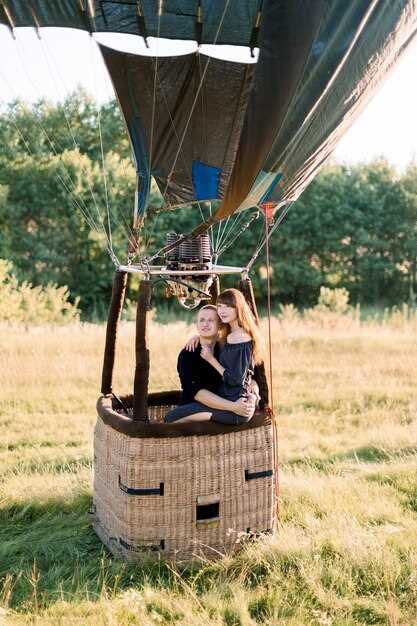 شمالی علاقہ جات میں ہاٹ ایئر بیلوننگ – بہترین پروازیں اور تجربات">
Begin your Northern Territory ballooning adventure at sunrise to catch the first light over the tablelands. In the douglas area, operators gather at a centre before dawn, briefing families, groups, and solo travelers on safety, wind checks, and the route you’ll take. The ascent in the balloon is calm, and the views are enormous: you drift over red gums, watch a kangaroo pause in the scrub, and seeaustralia unfold on the horizon. After landing, enjoy a short walk back to the launch site and a celebratory breakfast with coffee and a glass of wine.
Best flights and experiences vary with the season, but a few constants stand out: dry-season winds from May to October deliver clear light and long navigation over the tablelands and nearby plains. Flights typically last 60 to 90 minutes, depending on wind, with panoramic views of rivers and escarpments; the right route is shown by your pilot and can begin near douglas or other hubs. You should come prepared with a light jacket, a hat, and closed-toe shoes. After landing, guides show you how the process works and offer a quick photo session so you can share pictures with friends.
What to wear and bring: Dress in layers, bring a camera, sunscreen, and a bottle of water. For families and groups, the experience suits children ages 6 and up; operators can accommodate groups of 6–12 in a single balloon basket. The pre-flight walk to the basket is short but a little chilly, so a windproof layer helps. After the flight, toast with a glass of wine or juice and meet locals who run the tours at the centre.
Top experiences include dawn flights from Alice Springs over the MacDonnell Ranges, with views of waterholes and ancient rock formations. From Katherine, you drift across river valleys and floodplains that vary with the season, offering color changes that are often richer than a ground tour. In all cases, you will have a chance to meet other travelers and capture تصاویر that showaustralia in a new light. If you’re lucky, you’ll spot a kangaroo along the right-hand side as you drift.
بُکنگ کے لیے تجاویز: Check licenses, safety records, and weather policies; book windows around sunrise for the calmest winds. Typical prices range from AU$320 to AU$450 per person; private charters or small groups may be higher. If you plan a family trip, reserve seats for children and ask about discounts for groups of four or more. When you land, operators usually provide a post-flight certificate and a light breakfast.
Best sunrise windows and NT weather patterns
Take the dawn window during NT’s dry season for the lightest winds, crisp air, and best visibility. Times vary by site, but you can expect takeoffs roughly between 5:30 and 6:30 a.m. from May through September; in late spring and early autumn the window shifts by about 15–30 minutes. In the wet season, humidity and convective clouds can narrow the options or push flights to safer margins, so booking flexibility matters. If youre flying from adelaide or joining those tours, connect with the operator early to meet the crew and confirm equipment and vehicle transfers.
Seasonal patterns
- Dry season (roughly May–Sept): winds are light to moderate, skies clear, and dawn light is steady; this creates the widest sunrise window and the most consistent conditions for those tours.
- Shoulder months (Oct–Nov, Apr–May): transitional patterns with sometimes gustier mornings; plan with the operator and expect slight adjustments.
- Wet season (Nov–Apr): convection can build after dawn, storms form quickly, and gusts may appear; some sites accepts dawn windows exclusively, so a flexible plan helps safety.
- Regional variation: NT sites such as Darwin, Katherine, Kakadu, and Alice Springs differ in wind trends and humidity; always check the local authority requirements and the operator’s forecast for that day.
Practical tips and data
- Check infolostinaustraliaorg for updates on weather conditions, flight windows, and site notices; times can change with fronts and humidity.
- Before booking, confirm the right time with the operator; not all sites accepts the same dawn window, and youre getting the most value by aligning with the right day.
- Safety first: a briefing with the safety crew is mandatory; the coach will outline the plan, back-up options, and the protocol if conditions shift. The needed checks are completed before launch, and these patterns become more predictable over time.
- 20–30 minute pre-flight meet time is common; you meet the crew, review the route, and prepare your gear as the vehicle transports you to the launch field.
- The basket walls support your balance and the takeoff sequence; remain aware of the crew instructions and keep luggage close to the coach; avoid loose items near the burners.
- Costs vary by site and season; expect AUD 300–450 per person for a typical dawn flight, with some premium sites or private options higher; factor in transfers, meals, and gear rental.
- For wildlife, stay alert for reptiles near launch zones; the crew will guide you on safe distances and avoid incidents.
- Those traveling from adelaide or other regions can combine dawn flights with other NT tours, sharing transport and guides to keep costs reasonable.
- On the day, arrive early, pack light, and keep your camera ready for the moment when the sun crosses the horizon and silhouettes the backlit landforms across the NTs landscapes.
- After the flight, you return by vehicle to the launch area or the pickup point; plan the rest of the day with time to rest and photograph more vistas.
Choosing a reputable operator: safety standards and flight options
Answer: Always pick a licensed operator with a robust safety framework, a current aviation authority certificate, and a well‑maintained fleet. Request maintenance logs for each balloon and the pilot’s flight hours; a credible operator will share these details and provide a clear safety briefing before ascent. If such information isn’t forthcoming, move on to another operator.
Look for a published safety policy, documented crew training, and solid insurance coverage. The crew conducts a standard pre‑flight check, reviews weight distribution, and explains emergency procedures. Flights proceed only in calm air; however, operators will cancel if wind speeds or visibility breach safe thresholds. Never accept a flight in uncertain conditions.
Flight options typically include dawn or early‑morning departures with durations around 60 minutes. The basket floats gently and can carry around six to twelve persons, depending on the size. For families and groups, some firms offer private or semi‑private flights, or extended durations as part of a package. Pricing varies by operator and season; compare inclusions, and ask about group pricing if you travel with others. When you book, verify weight allowances and any age restrictions so your plans stay smooth. If you plan to visit the NT with scuba divers or enjoy other adventures later, schedule the flight to fit your day around these activities.
Practical checks before you book
Confirm the operator’s certification and that the balloons are up to date with annual maintenance. Ask for a clear weather policy and a transparent cancellation or rescheduling policy. Check that the crew will provide a safety briefing and that there is ground support for after landing. For those who value photo opportunities, expect time after landing to capture the scenery with help from the ground crew. Confirm at booking how the day unfolds, including transfer arrangements, and whether sunglasses and warm clothing are recommended for the early start. If you’re traveling with families, ask about child eligibility and any seating or weight rules. Thanks for planning this adventure; the float and the memories you capture will stay with you long after the ascent.
What to wear and what to pack for a cool morning ascent
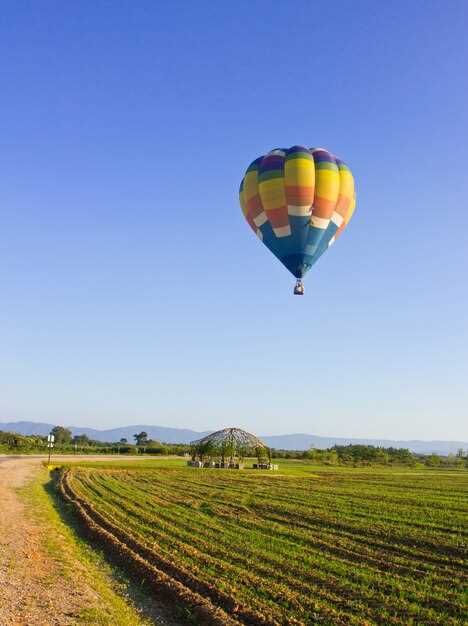
Wear a windproof, breathable jacket over a warm base layer, add a fleece, and top it with a light shell so you stay comfy during the cool dawn ascent over the iconic palms of the northernterritory.
Layering starts with a moisture-wicking base, add a mid-layer fleece, then finish with an outer wind shell; adjust as the sun climbs to keep your balance between warmth and mobility.
تہ بندی حکمت عملی
Footwear should be sturdy closed-toe shoes with good grip; avoid sandals since you’ll step onto a basket ramp and uneven ground near the site.
Headwear and hands matter: a cap or beanie plus gloves protect against the chill and rotor dust; a light scarf can shield your mouth if the breeze picks up.
If you own scuba gloves, choose insulated gloves instead and keep bulky items in your coach or groups vehicle; nimble fingers help during boarding.
پیکنگ چیک لسٹ
Sunglasses with UV protection, sunscreen, and lip balm keep glare and sun exposure down; bring a small bottle of water and a juice box for younger visitors to stay hydrated.
Pack a compact camera or phone with a secure strap, spare batteries, and a power bank; store everything in a lightweight daypack so crew and pilots can move smoothly during safety briefings.
Check rates and what’s included with your operator; most sites in the area offer tea or coffee before takeoff, and a light snack after landing for groups of visitors and guides.
In the douglas area near mala, guides and pilots also brief groups on safety here; stay aware of wildlife like kangaroos and reptiles along the site path, and follow operators’ signals to stay alive and safe during the floating ascent. This australia aviation experience relies on simple prep and awareness.
Launch procedures, safety briefing, and weight limits
Check wind limits and weight compliance first, then review the safety briefing with all participating passengers. The operator would be the provider on site; weights must be entered on the manifest, and total payload depends on the vehicle design and the crew’s plan. Departures from uluru offer vast landscapes and native stories, while the morning chill keeps operations precise and safe; travelers arriving from other regions should arrive early to avoid cancellations.
Safety briefing protocol
The briefing covers key actions, including how to hold the walls, how to brace during landing, and how to communicate with the crew during the ascent and glide. It explains the clothing, footwear, and what to expect at dawn, with a clear focus on preventing injury and ensuring all participating passengers understand the sequence. Crew and passengers review the escape route, ground signals, and fire safety with the pilot and the support vehicle on hand. Passengers acknowledge risks and sign the manifest; the native guides’ stories provide context for the route.
Weight limits and passenger planning
آمد پر وزن کی جانچ پڑتال کی جاتی ہے؛ عام ٹوکریاں 12-16 مسافروں کے لئے بنائی جاتی ہیں، جن میں ماڈل کے لحاظ سے زیادہ سے زیادہ مجموعی وزن تقریباً 450-600 کلوگرام ہوتا ہے۔ عمر کے رہنما خطوط عموماً7 سال اور اس سے اوپر کی عمر کے لئے مخصوص ہیں، اور تمام مسافر ہارنس اور حفاظتی دیواروں میں فٹ ہونے چاہئیں۔ اگر ہوا یا موسم کے حالات حد سے تجاوز کر جاتے ہیں تو پرواز میں تاخیر یا منسوخی ہو سکتی ہے۔ فیس اور منسوخی کی پالیسی لاگو ہوتی ہے، اور فراہم کنندہ اگلے دستیاب سلاٹ کے بارے میں آگاہ کرتا ہے۔ معلوم وزن کی تصدیق کرنے اور تاخیر سے بچنے کے لئے جلدی پہنچیں؛ اگر بھاری بھرکم سامان یا کیمرے شامل ہیں، تو گاڑی میں اسٹوریج کے اختیارات کا تعین کرنے کے لئے عملے سے تبادلہ خیال کریں۔ ہوا میں کامل توازن کے لئے، ڈھیلے سامان کو محفوظ رکھیں اور ٹوکری کے ذریعہ فراہم کردہ جیبوں یا بیگوں کا استعمال کریں۔.
| قدم | What to verify | Time window |
|---|---|---|
| وزنی جانچ پڑتال پرواز سے پہلے | مسافر اور بیگ کے وزن مینی فیسٹ میں درج؛ ٹوکری کی حدود کے اندر کل پے لوڈ۔ | پرواز سے 60–90 منٹ پہلے |
| حفاظتی بریفنگ | پائلٹ کا خاکہ، ایمرجنسی طریقہ کار، بریس تکنیک، اور سگنلز | مقام پر، سوار ہونے سے عین پہلے |
| موسم اور لانچ کے معیارات | ہوا کی رفتار، جھکڑ، بادل کی بنیاد، بصارت | صبح کی کھڑکی؛ حالات بدلنے پر دوبارہ جانچ پڑتال کریں۔ |
| مسافر کی تیاری | لباس برائے خنکی، جوتے، محفوظ سامان؛ دستخط | بریفنگ کے فوراً بعد |
| پرواز کے بعد کی کاروائیاں | زمینی انتظامی، بیگ کلیکشن، پرواز کے بعد حفاظتی جانچ پڑتال | بعد از لینڈنگ اور جہاز سے اترنے کے بعد |
غبارے سے اوپر کے پانورامک مناظر اور فوٹو گرافی کے لیے تجاویز
این ٹی کی ٹیبل لینڈز پر طلوع ہونے والی لازمی روشنی اور پرامن بلندی کو حاصل کرنے کے لیے فجر کی پرواز بک کروائیں۔ بہت بڑا افق اس وقت کھلتا ہے جب ڈھلوان پہاڑیاں اور دور دراز کے پہاڑی سلسلے چمکتے ہیں؛ اگر آپ گرم ہوا کے سفر میں نئے ہیں، تو یہ نرم بلندی اس احساس کو پرسکون رکھتی ہے جب آپ نظاروں میں ڈوب جاتے ہیں۔.
ٹوکری سے آپ کو میدانوں میں کینگرو، پہلی سورج کو پکڑنے والے آبی ذخائر، اور تاریخی ہوم سٹیڈز زمین کی تزئین میں بکھرے نظر آتے ہیں۔ زمین کی تزئین جیبوں میں یورپی طرز کی زراعت کی طرف بھی اشارہ کرتی ہے۔ گرم روشنی گیرو ساخت اور زمین پر لمبے سائے ظاہر کرتی ہے، اور یہ تجربہ ایک روشن یاد کے طور پر واپس آتا ہے جسے آپ دوستوں کے ساتھ بانٹ سکتے ہیں۔ شرحیں فراہم کنندہ کے لحاظ سے مختلف ہوتی ہیں، اس لیے پیشکشوں کا موازنہ کریں اور ایسے پیکجوں کی تلاش کریں جو آپ کو شوٹنگ کے اضافی گھنٹے دیں اور لینڈنگ کے فوراً بعد شاٹس کا جائزہ لینے کا موقع دیں۔ اگر آپ جلد ہی دوسری سواری کے لیے واپس آ رہے ہیں، تو نئے نظارے حاصل کرنے کے لیے ایک مختلف راستے کے بارے میں پوچھیں۔ لینڈنگ کے بعد، آپ سفری یادوں کو بڑھانے کے لیے قریبی پگڈنڈی پر پیدل سفر/چہل قدمی کے ساتھ مہم جوئی کو بڑھا سکتے ہیں۔.
غبارے سے دلکش نظارے
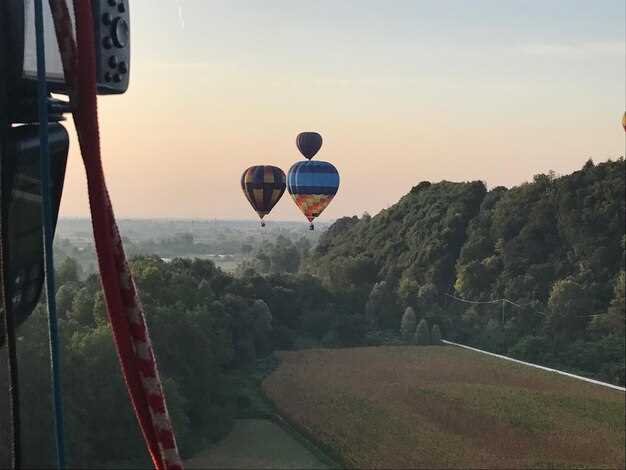
سب سے پہلے، ایک وسیع میدان جو افق تک پھیلا ہوا ہے، جہاں زمین رنگوں کے موزیک میں کھلتی ہے۔ دوم، ٹیبل لینڈز کا ایک سلسلہ جن کے ناہموار سلیوِٹ آسمان کو کاٹتے ہیں۔ سوم، ایک بل کھاتی ہوئی دریائی وادی جس میں ڈھلوان گھاٹیاں ہیں جہاں سورج چڑھنے کے ساتھ روشنی بدلتی رہتی ہے۔ دور دراز کینگرو یا مویشی فارموں کو چھوٹے نقطوں کی طرح دیکھنے کے لیے اپنی آنکھیں کھلی رکھیں؛ جب آپ ان کا موازنہ زمین سے ملنے والی سایہ دار لکیر سے کرتے ہیں تو پیمانے کا احساس بہت بڑا ہوتا ہے۔ طلوع آفتاب کے بعد، آپ ایسے فریموں کے ساتھ واپس آتے ہیں جو آؤٹ بیک کی وسعت اور تاریخی ساخت کو ظاہر کرتے ہیں۔.
فضا میں فوٹو گرافی کے ٹپس
خام سیٹ کریں، روشن آسمان میں نمایاں حصّوں کی حفاظت کے لیے بریکٹ ایکسپوژر استعمال کریں، اور منظر کو شامل کرنے کے لیے ایک وائڈ اینگل لینس استعمال کریں؛ ٹیلی فوٹو کینگرو، چٹانی چہروں، یا دور دراز کے گھریلو فارموں کو الگ کرنے میں مدد کرتا ہے۔ حرکت کرتے بادلوں کو منجمد کرنے کے لیے ایک معتدل شٹر اسپیڈ کے ساتھ شوٹ کریں، پھر ریشمی ہوائی نمونوں اور لڑھکتے ہوئے سلیوِٹوں کے لیے ایک سست شرح پر سوئچ کریں۔ ہلنے کو کم سے کم کرنے کے لیے ٹوکری کے فرنیچر کے خلاف سہارا لیں؛ اپنے موقف کو پرسکون رکھیں اور شوٹنگ کے گھنٹوں کے دوران اپنے جسم کو ایک اسٹیبلائزر کے طور پر استعمال کریں۔ افق کی طرف ٹوکری سے آنے والی راہنمائی کرنے والی لکیروں کے ساتھ فریم بنائیں اور سہ پہر کی دھوپ کے لیے شاٹس کی منصوبہ بندی کریں جب یہ منظر میں گہرائی کا اضافہ کرے۔ ایک ڈرامائی نتیجے کے لیے، ایک سلسلہ بندی کریں اور واپسی پر ایک سادہ پانوراما کو جوڑیں، اور فائلوں کو محفوظ کریں تاکہ آپ اترنے کے فوراً بعد اپنے سفری ساتھیوں کے ساتھ مہم جوئی کا اشتراک کرسکیں۔.