


 O‘zbekcha
  English (UK)
  Русский
  বাংলা
বাংলা  العربية
  日本語
日本語  한국어
한국어  Magyar
  Norsk nynorsk
  Türkçe
  עִבְרִית
  Español
  Čeština
  Svenska
  Português
  Ελληνικά
  Suomi
Suomi  Nederlands
  Română
  Italiano
  Français
  Polski
  Українська
  Deutsch
  简体中文
简体中文  Slovenčina
  Српски језик
  اردو
اردو  Azərbaycan dili
  አማርኛ
አማርኛ 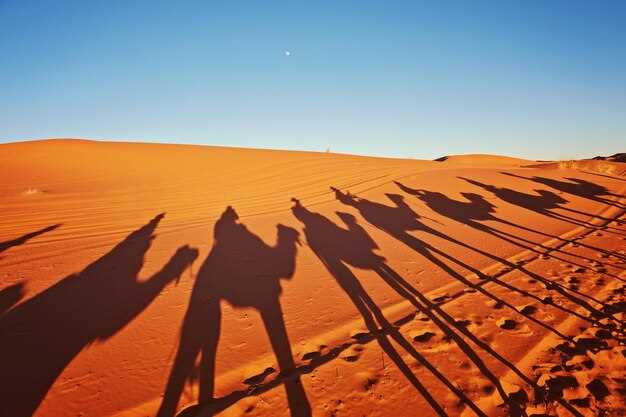 2-Hour Quad Bike Adventure in the Merzouga Desert – Ultimate Sahara Dunes Experience">
Choose this two-hour quad ride to feel the Merzouga dunes under your wheels and ignite a dream of desert riding. Start with a quick safety check, then push off across sandy flats and dune rims while a guide keeps you in a safe rhythm. The bikes are highly responsive, and the terrain rewards precise turns and smooth throttle control.
Protective gear is provided–helmet, gloves, knee and elbow guards–so you can ride with confidence. The briefing covers throttle control, braking, and stance, helping you stay balanced while crossing sandy sections and firm strips of sand. Having this gear means you can push a little more speed without sacrificing safety.
The route splits into two segments: first across flat sand, then a climb toward higher dunes. A navbat or two lets you feel the traction on both surfaces, and the guide follows a marked path to keep you within a safe area while you learn to modulate power and line.
This experience is tailored for different levels: beginners receive a gentle pace and clear cues, while returning riders can push a bit more on open zones. The coach stays close for pointers and real-time feedback, helping you find your best rhythm while you gain confidence.
After the main loop, take a brief tea break and rehydrate. A short snack and water refill are available in a safe, shaded area so you can reset before finishing. The whole duration keeps you within a compact radius, with dunes and wind providing a dramatic backdrop to the ride.
Practical tips: wear closed-toe shoes, long sleeves, sunglasses, and sunscreen. Bring a refillable water bottle and a compact bag for valuables. Arrive with enough fuel in your tank of energy and keep pace with the guide’s cues to stay safe and fully enjoy the ride.
By the end, you’ll carry a vivid memory of wind on your face, the texture of sand under the tires, and the satisfaction of conquering the Merzouga dunes in a single half-day session.
2 soatlik ekskursiyaga nimalar kiradi
Choose the 2-hour tour for a perfect balance of adrenaline and scenery. You can easily roll along the golden dunes at a steady pace, letting you enjoy the view and the desert light with your eyes.
Included items: a quad bike with fuel, a safety helmet, goggles, and gloves; a pre-ride safety briefing led by an expert instructor; water and light snacks; and full insurance coverage so you are free to focus on the ride.
During the ride, you’ll encounter a variety of dunes, wind-sculpted flats, and routes along the edge of the oasis. Take time to stop, snap photos, and enjoy the beauty in nature with your eyes.
Barbecue options follow the session: a barbecue set-up with grilled items and salads. Pick your favorites, relax in the shade, and bring your own drinks if you wish.
Free pickup from Merzouga hotels and easy drop-off at your base are included. The equipment is rated for safety and maintained to the latest standards; weve designed this package to fit your life and dream of Sahara adventures.
Safety Briefing, Rider Requirements, and Age Limits
Wear protective gear and join the pre-ride safety briefing before you ride. The briefing is thorough and includes controls, braking, throttle, steering, signaling, and what to do if you lose balance on a dune. Our instructor demonstrates how to check the quad, tires, and fuel, then outlines the riding rules for the Merzouga dunes and heat conditions. You’ll leave confident and ready to ride with your group.
Rider Requirements
Minimum age is 16; riders under 18 require guardian consent and must be accompanied by a guide on a separate quad. All riders must present valid ID and be able to operate a quad with basic throttle and braking control. We provide protective gear, helmet, gloves, and pads; you can rent or bring your own. The ride is suitable for both beginner and experienced riders; however, beginners should start on the slower track and advance only with instructor approval. If youre new to riding, choose the beginner track and increase speed only when the instructor confirms it’s safe. You can combine the ride with dune experiences at the camp as optional add-ons. For those visiting the camp after the ride, this is a great part of the desert itinerary.
Safety Briefing Details
The safety briefing lasts about 15 mins and is conducted by an experienced instructor. It will show how to perform vehicle checks, throttle management, braking, dune approach, and safe signaling. You learn how to handle a surprise on soft sand, how to recover when you slide, and the correct body position for stability in heat. Hydration and sun protection are emphasized; drink water, wear a hat, and seek shade during breaks to avoid heat exhaustion. The plan is to ride in groups matched to skill level under guided supervision. After the briefing, you’ll ride with time to visit the camp, with rests built in; note the schedule and keep to it so you don’t rush the experience. If you wish, combine the quad ride with optional dunebashing or sandboarding; weve designed routes to accommodate a smooth transition to culture-aware camp visits and rest time.
Desert Route Overview: Dunes, Tracks, and Pace Options
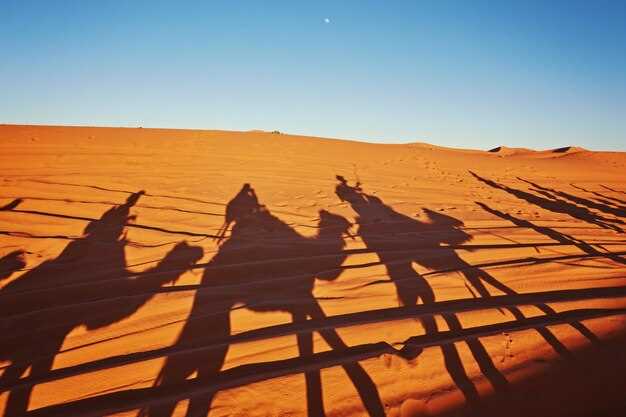
Begin with a steady, medium pace on the dunes to stay in control and avoid fatigue; for beginner riders, this option is your best choice, which keeps momentum manageable.
Desert routes blend rolling dunes, flat stretches, and rugged tracks. On the main circuit, you ride among wind-sculpted mounds and long, firm sections that let you build speed safely, with typical distances of 18–25 km over a two-hour session. Riders on arabian quads enjoy a responsive feel on both dunes and tracks, helping you learn balance quickly.
Safety and gear are streamlined: protective gear is provided, and you can opt for full-face protection for extra confidence; optional insurance adds peace of mind, while drop-off points at hotels or camps simplify the end of your excursions, without requiring extra coordination.
Terrain varies from smooth sands to rugged corrugations. They test grip and throttle control, and increase risk if you rush; anticipate micro-slips on steeper faces and adjust your pace to avoid surprises.
Wildlife encounters are rare but possible near dawn or dusk; respect visiting wildlife and give them space, especially near quieter pockets of the route.
Photography stops capture unique Arabian desert visuals, from long shadows on crest lines to dune fields that seem endless; bring a compact camera or phone and keep a steady roll for later prints or social sharing.
Workshops before departure help sharpen basics–bike control, braking, and safe passing. These sessions run in the mornings and are a valuable part of your packing list as they boost confidence on the ride.
Pack light and aim to care for the machine and the surroundings: carry water (1.5–2 liters per rider), sunscreen, and a compact first-aid kit; the guide team helps you with basic checks and cleaning after your drop-off.
Prices vary by group size and inclusions; the choice between shared and private trips affects both duration and pace, and they often feature add-ons like extra photo stops or extended dune runs; visiting venues can offer compact bundles that include drop-off and photos, while complete packages emphasize the full day’s value.
Gear, Clothing, and Hydration for Desert Riding
This isnt about fashion; its about protection and comfort: wear a breathable long-sleeve top and abrasion-resistant pants, and carry a 2–3 L hydration pack, based in Merzouga’s desert setting. This setup keeps you cool in the sun and ready for intense off-road sections, so you live the moment.
This plan keeps you well prepared for a desert day.
Your package includes a basic gear kit for each rider: helmet, goggles, and a hydration pack. This supports a well-rounded, unforgettable experience on trips.
- Helmet and eye protection: A certified off-road helmet with a vented full-face design; wraparound UV goggles with anti-fog coating; carry a spare lens for sand or glare.
- Base layers: Synthetic or merino fabrics; avoid cotton that traps moisture. Choose a 150–200 g/m² top and a matching bottom for fast drying.
- Outer layer and protection: Lightweight jacket with mesh panels for venting; reinforced riding pants with knee pads; optional elbow protection under sleeves.
- Gloves and boots: Durable off-road gloves with padded palms and knuckles; boots covering the ankle with a firm sole and secure closure.
- Neck and face: Buff or neck gaiter for sand; a light scarf helps during windy dunes.
- Sun protection: Sunscreen SPF 50+, lip balm, and sunglasses for rest stops.
- Hydration and nutrition: Hydration pack 1.5–3 L with insulated hose; electrolyte powder; water bottle in an easy-reach pocket; quick snacks like nuts or bars for a steady pace.
- Storage and electronics: Small waterproof pouch for phone and camera; protective case for a compact camera; power bank so you can capture moments without worry.
- Night-readiness and photography: Lightweight reflective layer for cool desert nights; keep camera gear in a dry bag; a compact tripod or mount if your kit allows.
- Something for energy: a spare snack or energy bar to recharge between dunes.
- Sports mindset: keep a smooth pace and controlled throttle across dunes.
Setting and comfort notes:
- Setting: Desert winds demand a scarf or buff and sand-proof goggles; adjust layers as temperatures swing from hot days to cool evenings. pace to match your limits; mentors and guides can help calibrate.
- Yulduzlar va suratga olish: Tungi sayohatlar yorqin yulduzlarni ochib beradi; past yorug'likda suratga oluvchi kamera yoki telefon sozlamasini olib keling va uzoqroq ketma-ketliklar uchun zaxira batareyani saqlang. Bu sizning suratlaringizga nafas oladigan, kinematik tuyg'u beradi.
- Madaniyat va sayohatlar: Qo'riqlarni o'rganayotganda mahalliy qoidalar va madaniyatga hurmat ko'rsating; barcha uchun har xil va qiziqarli bo'lishi uchun marshrutlarda xilma-xillikni rejalashtiring.
Guruhlar va transport vositalari uchun amaliy maslahatlar:
- ATV va kvadrosikl haydovchilari joy va jihozlarni bo'lishadi; gidratatsiya tadbirlarini va xavfsiz o'tish joylarini muvofiqlashtirish.
- Og'irlikni teng taqsimlang va oddiy favqulodda vaziyatlar rejasini tuzing; kichik birinchi yordam to'plami va xarita yoki GPS zaxirasini olib boring.
- Har bir safardan oldin moslik va funksionallikni tekshiring: dubulg'a tasmasi, ko'zoynak, suv ichish trubkasi va batareya darajalari.
Fotosuratlar, Quyosh chiqishi/botishi manzaralari va quyoshdan himoyalanish bo'yicha maslahatlar
Quyoshdan himoya kremi bilan boshlang: cho'l quyoshi ostida himoyalangan bo'lish uchun ko'chaga chiqishdan oldin keng spektrli SPF 30+ kremini surting va har ikki soatda yoki tushlikdan keyin qayta surting.
Dunyolar va yovvoyi tabiatning ko'plab fotosuratlarini olish uchun, agar imkoni bo'lsa, qurilmangizni RAW formatiga o'rnating, ISO ni 100–200 da saqlang va oldingi plandagi tekstura va uzoqdagi qirlarni fokusda ushlab turish uchun taxminan f/8 ga mo'ljallang. Agar siz minsangiz, suratga olish uchun xavfsiz joyda qisqa vaqt to'xtang, tirsaklaringizni tayang va harakatlanuvchi chavandozlar uchun taxminan 1/125 s yoki tezroq harakat uchun 1/250 s atrofida tortish tezligidan foydalaning. Hal qiluvchi lahzani o'tkazib yubormaslik uchun zaxira xotira kartasi yoki batareyani olib keling.
Quyosh chiqishi va botishi manzaralarini suratga olish rejalashtirishni talab qiladi: rang o‘zgarishini ushlash uchun yorug‘lik yoki горизонт chizig‘ining porlashidan 30–45 daqiqa oldin barqaror joyda bo‘ling. Keng burchakli ob’ektivdan foydalanib, kenglikni yetkazing va osmon va qum ranglarini saqlab qolish uchun экспозицияni sozlang. Agar siz alacakaranlıkda suratga olsangiz, keyin post-ishlovingiz uchun bir nechta kadrlarni вилка qiling.
Kirish imkoniyati va xavfsizlik: Agar mehmon nogironlar aravachasida bo'lsa, talablarni ekipaj bilan tekshiring va xavfsizlik qoidalariga rioya qiling. Hammaga qulay bo'lishi uchun soya va dam olish joylari uchun zaxira rejangiz bo'lsin. Yo'lboshchi tushib ketishlar va qum tepalarida tirbandlikni kamaytiradigan yo'nalishlarni tanlash orqali bexavotir sayohatni kafolatlaydi.
Amaliy yuklash va joyida qo'llaniladigan maslahatlar: suv, shapka, quyoshdan saqlaydigan ko'zoynak, SPF lab balzam va bo'yningizni himoya qilish uchun yengil sharf olib keling. Agar tushlik kiritilgan bo'lsa, narsalarni yopiq idishda saqlang va xizmat qilishgacha soyada saqlang. Qum tepalarida qirralarning tushib ketishiga e'tibor bering va labga yaqinlashmang. Agar siz dramatik quyosh botishni suratga olishni istasangiz, ochiq ko'rinishga ega bo'lgan qirdda joylashib oling va quyosh botishini kutib, yorug'lik fonida siluetlarni suratga oling. Xotiralarni baham ko'rishni istaganlar uchun eng yaxshi fotosuratlaringizni joylashtiring va do'stlaringizni kelajakdagi sayohatlarga taklif qiling. Agar muammolar yuzaga kelsa, to'xtating, qayta baholang va keyingi kadr uchun rejangizni o'zgartiring. Issiqlik kuchaysa, darhol soyaga o'ting va o'zingizni qulay his qilish uchun suv iching.
| Aspekt | Harakat |
|---|---|
| Sun protection | SPF 30+ surting, lablar uchun SPF balzam, shapka; har ikki soatda yoki tushlikdan keyin qayta surting |
| Fotografiya sozlamalari | RAW, agar imkoni bo'lsa; ISO 100–200; f/8; 1/125 s (harakatlanuvchi) yoki 1/250 s (tez harakat); ekspozitsiyalarni braketlash |
| Quyosh chiqishi/botishi rejalashtirish | 30–45 daqiqa oldin keling; keng burchakli linzadan foydalaning; toza ko'rinishlarni izlang; osmon va qum ranglariga moslang |
| Imkoniyatlilik | Talablarni tekshiring; xavfsizlik qoidalariga rioya qiling; nogironlar aravachasida o'tirganlar uchun xavfsiz ko'rish joylarini muhokama qiling |