


 Svenska
  English (UK)
  Русский
  বাংলা
বাংলা  العربية
  日本語
日本語  한국어
한국어  Magyar
  Norsk nynorsk
  Türkçe
  עִבְרִית
  Español
  Čeština
  Português
  Ελληνικά
  Suomi
Suomi  Nederlands
  Română
  Italiano
  Français
  Polski
  Українська
  Deutsch
  简体中文
简体中文  Slovenčina
  Српски језик
  اردو
اردو  Azərbaycan dili
  O‘zbekcha
  አማርኛ
አማርኛ 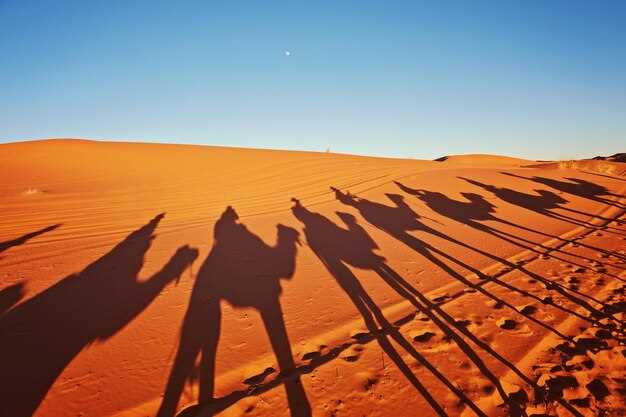 2-timmars fyrhjulingsäventyr i Merzouga-öknen – Ultimat Sahara-öknens upplevelse">
Choose this two-hour quad ride to feel the Merzouga dunes under your wheels and ignite a dream of desert riding. Start with a quick safety check, then push off across sandy flats and dune rims while a guide keeps you in a safe rhythm. The bikes are highly responsive, and the terrain rewards precise turns and smooth throttle control.
Protective gear is provided–helmet, gloves, knee and elbow guards–so you can ride with confidence. The briefing covers throttle control, braking, and stance, helping you stay balanced while crossing sandig sections and firm strips of sand. Having this gear means you can push a little more speed without sacrificing safety.
The route splits into two segments: first across flat sand, then a climb toward higher dunes. A turn or two lets you feel the traction on both surfaces, and the guide follows a marked path to keep you within a safe area while you learn to modulate power and line.
This experience is tailored for different levels: beginners receive a gentle pace and clear cues, while returning riders can push a bit more on open zones. The coach stays close for pointers and real-time feedback, helping you find your best rhythm while you gain confidence.
After the main loop, take a brief tea break and rehydrate. A short snack and water refill are available in a safe, shaded area so you can reset before finishing. The whole duration keeps you within a compact radius, with dunes and wind providing a dramatic backdrop to the ride.
Practical tips: wear closed-toe shoes, long sleeves, sunglasses, and sunscreen. Bring a refillable water bottle and a compact bag for valuables. Arrive with enough fuel in your tank of energy and keep pace with the guide’s cues to stay safe and fully enjoy the ride.
By the end, you’ll carry a vivid memory of wind on your face, the texture of sand under the tires, and the satisfaction of conquering the Merzouga dunes in a single half-day session.
Vad ingår i den två timmar långa rundturen
Choose the 2-hour tour for a perfect balance of adrenaline and scenery. You can easily roll along the golden dunes at a steady pace, letting you enjoy the view and the desert light with your eyes.
Included items: a quad bike with fuel, a safety helmet, goggles, and gloves; a pre-ride safety briefing led by an expert instructor; water and light snacks; and full insurance coverage so you are free to focus on the ride.
During the ride, you’ll encounter a variety of dunes, wind-sculpted flats, and routes along the edge of the oasis. Take time to stop, snap photos, and enjoy the beauty in nature with your eyes.
Barbecue options follow the session: a barbecue set-up with grilled items and salads. Pick your favorites, relax in the shade, and bring your own drinks if you wish.
Free pickup from Merzouga hotels and easy drop-off at your base are included. The equipment is rated for safety and maintained to the latest standards; weve designed this package to fit your life and dream of Sahara adventures.
Safety Briefing, Rider Requirements, and Age Limits
Wear protective gear and join the pre-ride safety briefing before you ride. The briefing is thorough and includes controls, braking, throttle, steering, signaling, and what to do if you lose balance on a dune. Our instructor demonstrates how to check the quad, tires, and fuel, then outlines the riding rules for the Merzouga dunes and heat conditions. You’ll leave confident and ready to ride with your group.
Rider Requirements
Minimum age is 16; riders under 18 require guardian consent and must be accompanied by a guide on a separate quad. All riders must present valid ID and be able to operate a quad with basic throttle and braking control. We provide protective gear, helmet, gloves, and pads; you can rent or bring your own. The ride is suitable for both beginner and experienced riders; however, beginners should start on the slower track and advance only with instructor approval. If youre new to riding, choose the beginner track and increase speed only when the instructor confirms it’s safe. You can combine the ride with dune experiences at the camp as optional add-ons. For those visiting the camp after the ride, this is a great part of the desert itinerary.
Safety Briefing Details
The safety briefing lasts about 15 mins and is conducted by an experienced instructor. It will show how to perform vehicle checks, throttle management, braking, dune approach, and safe signaling. You learn how to handle a surprise on soft sand, how to recover when you slide, and the correct body position for stability in heat. Hydration and sun protection are emphasized; drink water, wear a hat, and seek shade during breaks to avoid heat exhaustion. The plan is to ride in groups matched to skill level under guided supervision. After the briefing, you’ll ride with time to visit the camp, with rests built in; note the schedule and keep to it so you don’t rush the experience. If you wish, combine the quad ride with optional dunebashing or sandboarding; weve designed routes to accommodate a smooth transition to culture-aware camp visits and rest time.
Desert Route Overview: Dunes, Tracks, and Pace Options
Begin with a steady, medium pace on the dunes to stay in control and avoid fatigue; for beginner riders, this option is your best choice, which keeps momentum manageable.
Desert routes blend rolling dunes, flat stretches, and rugged tracks. On the main circuit, you ride among wind-sculpted mounds and long, firm sections that let you build speed safely, with typical distances of 18–25 km over a two-hour session. Riders on arabian quads enjoy a responsive feel on both dunes and tracks, helping you learn balance quickly.
Safety and gear are streamlined: protective gear is provided, and you can opt for full-face protection for extra confidence; optional insurance adds peace of mind, while drop-off points at hotels or camps simplify the end of your excursions, without requiring extra coordination.
Terrain varies from smooth sands to rugged corrugations. They test grip and throttle control, and increase risk if you rush; anticipate micro-slips on steeper faces and adjust your pace to avoid surprises.
Wildlife encounters are rare but possible near dawn or dusk; respect visiting wildlife and give them space, especially near quieter pockets of the route.
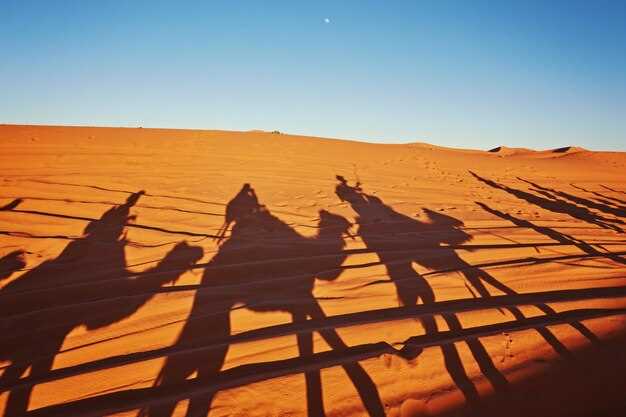
Photography stops capture unique Arabian desert visuals, from long shadows on crest lines to dune fields that seem endless; bring a compact camera or phone and keep a steady roll for later prints or social sharing.
Workshops before departure help sharpen basics–bike control, braking, and safe passing. These sessions run in the mornings and are a valuable part of your packing list as they boost confidence on the ride.
Pack light and aim to care for the machine and the surroundings: carry water (1.5–2 liters per rider), sunscreen, and a compact first-aid kit; the guide team helps you with basic checks and cleaning after your drop-off.
Prices vary by group size and inclusions; the choice between shared and private trips affects both duration and pace, and they often feature add-ons like extra photo stops or extended dune runs; visiting venues can offer compact bundles that include drop-off and photos, while complete packages emphasize the full day’s value.
Gear, Clothing, and Hydration for Desert Riding
This isnt about fashion; its about protection and comfort: wear a breathable long-sleeve top and abrasion-resistant pants, and carry a 2–3 L hydration pack, based in Merzouga’s desert setting. This setup keeps you cool in the sun and ready for intense off-road sections, so you live the moment.
This plan keeps you well prepared for a desert day.
Your package includes a basic gear kit for each rider: helmet, goggles, and a hydration pack. This supports a well-rounded, unforgettable experience on trips.
- Helmet and eye protection: A certified off-road helmet with a vented full-face design; wraparound UV goggles with anti-fog coating; carry a spare lens for sand or glare.
- Base layers: Synthetic or merino fabrics; avoid cotton that traps moisture. Choose a 150–200 g/m² top and a matching bottom for fast drying.
- Outer layer and protection: Lightweight jacket with mesh panels for venting; reinforced riding pants with knee pads; optional elbow protection under sleeves.
- Gloves and boots: Durable off-road gloves with padded palms and knuckles; boots covering the ankle with a firm sole and secure closure.
- Neck and face: Buff or neck gaiter for sand; a light scarf helps during windy dunes.
- Sun protection: Sunscreen SPF 50+, lip balm, and sunglasses for rest stops.
- Hydration and nutrition: Hydration pack 1.5–3 L with insulated hose; electrolyte powder; water bottle in an easy-reach pocket; quick snacks like nuts or bars for a steady pace.
- Storage and electronics: Small waterproof pouch for phone and camera; protective case for a compact camera; power bank so you can capture moments without worry.
- Night-readiness and photography: Lightweight reflective layer for cool desert nights; keep camera gear in a dry bag; a compact tripod or mount if your kit allows.
- Something for energy: a spare snack or energy bar to recharge between dunes.
- Sports mindset: keep a smooth pace and controlled throttle across dunes.
Setting and comfort notes:
- Setting: Desert winds demand a scarf or buff and sand-proof goggles; adjust layers as temperatures swing from hot days to cool evenings. pace to match your limits; mentors and guides can help calibrate.
- Stjärnor och fotografering: Nattliga turer avslöjar klara stjärnor; ta med en kamera eller telefon som klarar svagt ljus, och ha ett extra batteri för längre sekvenser. Detta ger dina bilder en hisnande, filmisk känsla.
- Kultur och resor: Respektera lokala riktlinjer och kultur medan du utforskar sanddyner; planera för variation i rutter för att hålla saker och ting annorlunda och spännande för alla.
Praktiska tips för grupper och fordon:
- Förare av ATV och fyrhjulingar delar utrymme och utrustning; samordna vätskekontroller och säkra omkörningspunkter.
- Fördela vikten jämnt och ha en enkel beredskapsplan; ha med dig en liten första hjälpen-låda och en karta eller GPS-backup.
- Verifiera alltid passform och funktion före varje åktur: hjälmband, goggles, vätskeslang och batterinivåer.
Tips för foton, vyer vid soluppgång/solnedgång och solskydd
Börja med solskyddsmedel: applicera bredspektrum SPF 30+ innan du går ut och applicera på nytt varannan timme eller efter lunch för att hålla dig skyddad under ökensolen.
För att ta de bästa bilderna av sanddyner och vilda djur, ställ in enheten på RAW om möjligt, håll ISO på 100–200 och sikta på ungefär f/8 för att behålla förgrundens textur och avlägsna åsar i fokus. Om du åker, pausa kort på en säker plats för att rama in bilden, stöd armbågarna och använd en slutartid på cirka 1/125 s för åkare i rörelse eller 1/250 s för snabbare action. Ta med ett extra minneskort eller batteri så att du inte missar ett avgörande ögonblick.
För utsikter i soluppgång och solnedgång krävs planering: befin dig på en stabil plats 30–45 minuter innan ljuset eller horisontens glöd, för att fånga färgskiftningen. Använd ett vidvinkelobjektiv för att återge vidden och justera exponeringen för att bevara himlens och sandens toner. Om du fotograferar i skymningen, ta några bilder med varierande exponering för att välja en senare för din efterbehandling.
Tillgänglighet och säkerhet: Om en gäst använder rullstol, kontrollera kraven med besättningen och följ säkerhetsriktlinjerna. Ha en reservplan för skugga och viloplatser för att göra utflykten trevlig för alla. Guiden kan garantera en smidig resa genom att välja rutter som minimerar avhopp och tung sanddunkstrafik.
Praktiska packningstips och tips för platsen: ta med vatten, en hatt, solglasögon, läppcerat med solskyddsfaktor och en lätt scarf för att skydda nacken. Om lunch ingår, förvara maten i en försluten behållare och håll den i skuggan tills den serveras. Var uppmärksam på sluttningar på sanddyner och undvik att gå nära kanten. Om du föredrar en dramatisk solnedgångsbild, placera dig på en krön med fri utsikt och vänta på att solen ska sjunka för att fånga silhuetter mot glöden. För entusiasten som vill dela med sig av minnen, lägg upp dina bästa bilder och bjud in vänner till framtida utflykter. Om problem uppstår, pausa, omvärdera och justera din plan för nästa bild. Sök omedelbar skugga om hettan stiger och drick vatten för att hålla dig bekväm.
| Aspekt | Åtgärd |
|---|---|
| Sun protection | Använd solskyddsfaktor 30+, läppbalsam med solskyddsfaktor, hatt; applicera på nytt varannan timme eller efter lunch |
| Fotografiinställningar | RAW om möjligt; ISO 100–200; f/8; 1/125 s (i rörelse) eller 1/250 s (snabb action); ta exponeringsserier |
| Planering för soluppgång/solnedgång | Anländ 30–45 minuter tidigt; använd vidvinkelobjektiv; leta efter rena vyer; justera för himmel- och sandtoner |
| Tillgänglighet | Kontrollera kraven; följ säkerhetsföreskrifterna; diskutera säkra utsiktsplatser för rullstolsanvändare |