


 日本語
日本語  English (UK)
  Русский
  বাংলা
বাংলা  العربية
  한국어
한국어  Magyar
  Norsk nynorsk
  Türkçe
  עִבְרִית
  Español
  Čeština
  Svenska
  Português
  Ελληνικά
  Suomi
Suomi  Nederlands
  Română
  Italiano
  Français
  Polski
  Українська
  Deutsch
  简体中文
简体中文  Slovenčina
  Српски језик
  اردو
اردو  Azərbaycan dili
  O‘zbekcha
  አማርኛ
አማርኛ 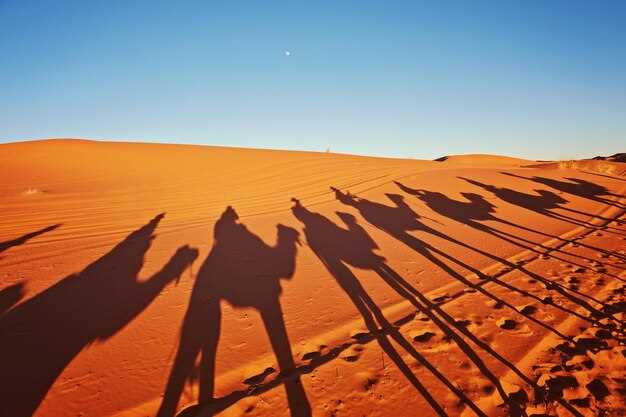 メルズーガ砂漠2時間四輪バイクアドベンチャー – 究極のサハラ砂丘体験">
Choose this two-hour quad ride to feel the Merzouga dunes under your wheels and ignite a dream of desert riding. Start with a quick safety check, then push off across sandy flats and dune rims while a guide keeps you in a safe rhythm. The bikes are highly responsive, and the terrain rewards precise turns and smooth throttle control.
Protective gear is provided–helmet, gloves, knee and elbow guards–so you can ride with confidence. The briefing covers throttle control, braking, and stance, helping you stay balanced while crossing sandy sections and firm strips of sand. Having this gear means you can push a little more speed without sacrificing safety.
The route splits into two segments: first across flat sand, then a climb toward higher dunes. A turn or two lets you feel the traction on both surfaces, and the guide follows a marked path to keep you within a safe area while you learn to modulate power and line.
この体験は オーダーメイド for different levels: beginners receive a gentle pace and clear cues, while returning riders can push a bit more on open zones. The coach stays close for pointers and real-time feedback, helping you find your best rhythm while you gain confidence.
After the main loop, take a brief tea break and rehydrate. A short snack and water refill are available in a safe, shaded area so you can reset before finishing. The whole duration keeps you within a compact radius, with dunes and wind providing a dramatic backdrop to the ride.
Practical tips: wear closed-toe shoes, long sleeves, sunglasses, and sunscreen. Bring a refillable water bottle and a compact bag for valuables. Arrive with enough fuel in your tank of energy and keep pace with the guide’s cues to stay safe and fully enjoy the ride.
By the end, you’ll carry a vivid memory of wind on your face, the texture of sand under the tires, and the satisfaction of conquering the Merzouga dunes in a single half-day session.
What’s Included in the 2-Hour Tour
Choose the 2-hour tour for a perfect balance of adrenaline and scenery. You can easily roll along the golden dunes at a steady pace, letting you enjoy the view and the desert light with your eyes.
Included items: a quad bike with fuel, a safety helmet, goggles, and gloves; a pre-ride safety briefing led by an expert instructor; water and light snacks; and full insurance coverage so you are free to focus on the ride.
During the ride, you’ll encounter a variety of dunes, wind-sculpted flats, and routes along the edge of the oasis. Take time to stop, snap photos, and enjoy the beauty in nature with your eyes.
Barbecue options follow the session: a barbecue set-up with grilled items and salads. Pick your favorites, relax in the shade, and bring your own drinks if you wish.
Free pickup from Merzouga hotels and easy drop-off at your base are included. The equipment is rated for safety and maintained to the latest standards; weve designed this package to fit your life and dream of Sahara adventures.
Safety Briefing, Rider Requirements, and Age Limits
Wear protective gear and join the pre-ride safety briefing before you ride. The briefing is thorough and includes controls, braking, throttle, steering, signaling, and what to do if you lose balance on a dune. Our instructor demonstrates how to check the quad, tires, and fuel, then outlines the riding rules for the Merzouga dunes and heat conditions. You’ll leave confident and ready to ride with your group.
Rider Requirements
Minimum age is 16; riders under 18 require guardian consent and must be accompanied by a guide on a separate quad. All riders must present valid ID and be able to operate a quad with basic throttle and braking control. We provide protective gear, helmet, gloves, and pads; you can rent or bring your own. The ride is suitable for both beginner and experienced riders; however, beginners should start on the slower track and advance only with instructor approval. If youre new to riding, choose the beginner track and increase speed only when the instructor confirms it’s safe. You can combine the ride with dune experiences at the camp as optional add-ons. For those visiting the camp after the ride, this is a great part of the desert itinerary.
Safety Briefing Details
The safety briefing lasts about 15 mins and is conducted by an experienced instructor. It will show how to perform vehicle checks, throttle management, braking, dune approach, and safe signaling. You learn how to handle a surprise on soft sand, how to recover when you slide, and the correct body position for stability in heat. Hydration and sun protection are emphasized; drink water, wear a hat, and seek shade during breaks to avoid heat exhaustion. The plan is to ride in groups matched to skill level under guided supervision. After the briefing, you’ll ride with time to visit the camp, with rests built in; note the schedule and keep to it so you don’t rush the experience. If you wish, combine the quad ride with optional dunebashing or sandboarding; weve designed routes to accommodate a smooth transition to culture-aware camp visits and rest time.
Desert Route Overview: Dunes, Tracks, and Pace Options
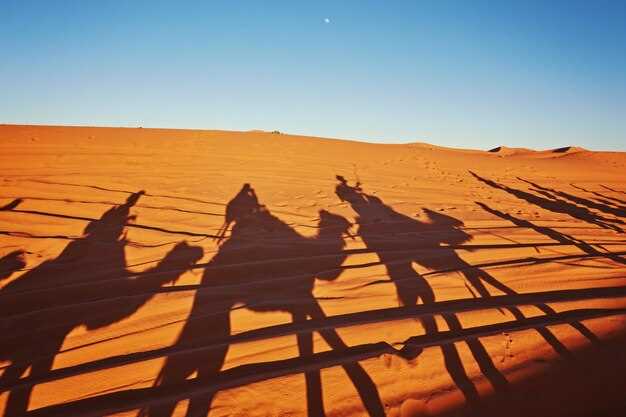
Begin with a steady, medium pace on the dunes to stay in control and avoid fatigue; for beginner riders, this option is your best choice, which keeps momentum manageable.
Desert routes blend rolling dunes, flat stretches, and rugged tracks. On the main circuit, you ride among wind-sculpted mounds and long, firm sections that let you build speed safely, with typical distances of 18–25 km over a two-hour session. Riders on arabian quads enjoy a responsive feel on both dunes and tracks, helping you learn balance quickly.
Safety and gear are streamlined: protective gear is provided, and you can opt for full-face protection for extra confidence; optional insurance adds peace of mind, while drop-off points at hotels or camps simplify the end of your excursions, without requiring extra coordination.
Terrain varies from smooth sands to rugged corrugations. They test grip and throttle control, and increase risk if you rush; anticipate micro-slips on steeper faces and adjust your pace to avoid surprises.
Wildlife encounters are rare but possible near dawn or dusk; respect visiting wildlife and give them space, especially near quieter pockets of the route.
Photography stops capture unique Arabian desert visuals, from long shadows on crest lines to dune fields that seem endless; bring a compact camera or phone and keep a steady roll for later prints or social sharing.
Workshops before departure help sharpen basics–bike control, braking, and safe passing. These sessions run in the mornings and are a valuable part of your packing list as they boost confidence on the ride.
Pack light and aim to care for the machine and the surroundings: carry water (1.5–2 liters per rider), sunscreen, and a compact first-aid kit; the guide team helps you with basic checks and cleaning after your drop-off.
Prices vary by group size and inclusions; the choice between shared and private trips affects both duration and pace, and they often feature add-ons like extra photo stops or extended dune runs; visiting venues can offer compact bundles that include drop-off and photos, while complete packages emphasize the full day’s value.
Gear, Clothing, and Hydration for Desert Riding
This isnt about fashion; its about protection and comfort: wear a breathable long-sleeve top and abrasion-resistant pants, and carry a 2–3 L hydration pack, based in Merzouga’s desert setting. This setup keeps you cool in the sun and ready for intense off-road sections, so you live the moment.
This plan keeps you well prepared for a desert day.
Your package includes a basic gear kit for each rider: helmet, goggles, and a hydration pack. This supports a well-rounded, unforgettable experience on trips.
- Helmet and eye protection: A certified off-road helmet with a vented full-face design; wraparound UV goggles with anti-fog coating; carry a spare lens for sand or glare.
- Base layers: Synthetic or merino fabrics; avoid cotton that traps moisture. Choose a 150–200 g/m² top and a matching bottom for fast drying.
- Outer layer and protection: Lightweight jacket with mesh panels for venting; reinforced riding pants with knee pads; optional elbow protection under sleeves.
- Gloves and boots: Durable off-road gloves with padded palms and knuckles; boots covering the ankle with a firm sole and secure closure.
- Neck and face: Buff or neck gaiter for sand; a light scarf helps during windy dunes.
- Sun protection: Sunscreen SPF 50+, lip balm, and sunglasses for rest stops.
- Hydration and nutrition: Hydration pack 1.5–3 L with insulated hose; electrolyte powder; water bottle in an easy-reach pocket; quick snacks like nuts or bars for a steady pace.
- Storage and electronics: Small waterproof pouch for phone and camera; protective case for a compact camera; power bank so you can capture moments without worry.
- Night-readiness and photography: Lightweight reflective layer for cool desert nights; keep camera gear in a dry bag; a compact tripod or mount if your kit allows.
- Something for energy: a spare snack or energy bar to recharge between dunes.
- Sports mindset: keep a smooth pace and controlled throttle across dunes.
Setting and comfort notes:
- 設定:砂漠の風はスカーフやバフ、そして砂を防ぐゴーグルを必要とします。暑い日中から涼しい夜へと気温が変化するので、重ね着で調整してください。ペースは自分の限界に合わせて。メンターやガイドが調整を手伝ってくれます。.
- 星と写真:夜のライドでは明るい星が見える。低照度でも撮影可能なカメラやスマートフォンを用意し、長時間撮影に備えて予備バッテリーも持参しよう。これにより、息をのむような映画的な映像を撮影できる。.
- 文化と旅行:砂丘を探索する際は、現地のガイドラインと文化を尊重しましょう。変化に富んだルートを計画して、誰もが楽しめるように工夫しましょう。.
グループと車両に関する実用的なヒント:
- ATVおよび四輪バイクのライダーは、場所や装備を共有し、水分補給イベントや安全な追い越し地点を調整します。.
- 重量を均等に分散し、簡単な緊急時計画を用意する。小型の救急セットと地図またはGPSのバックアップを携帯する。.
- 毎回乗る前に、ヘルメットのストラップ、ゴーグル、ハイドレーションホース、バッテリー残量など、フィット感と機能を確認してください。.
写真撮影、日の出/日の入り鑑賞、日焼け対策のヒント
日焼け止めから始めましょう。外出前に広範囲スペクトラムSPF 30+の日焼け止めを塗り、砂漠の太陽の下で保護を持続させるために、2時間ごと、またはランチ後に塗り直してください。.
砂丘や野生動物の写真を最大限に捉えるには、可能であればデバイスをRAWに設定し、ISOを100〜200に保ち、前景の質感と遠くの尾根に焦点を合わせるためにf/8付近を目標にしてください。乗車する場合は、安全な場所に短時間停車して構図を決め、肘を固定し、ライダーの動きには1/125秒程度、より速い動きには1/250秒程度のシャッタースピードを使用します。決定的な瞬間を逃さないように、予備のメモリーカードまたはバッテリーを持参してください。.
日の出と日の入りの景色を撮るには計画性が必要です。色の変化を捉えるために、光が射す、または地平線が輝き出す30~45分前に、安定した場所に陣取りましょう。広がりを伝えるには広角レンズを使用し、空と砂の色調を保つように露出を調整します。薄明かりの中で撮影する場合は、後でポスト処理用にいくつかのフレームをブラケット撮影しておきましょう。.
アクセシビリティと安全性:ゲストが車椅子を利用する場合は、乗組員に要件を確認し、安全ガイドラインに従ってください。すべてのお客様が楽しめるように、日陰や休憩場所のバックアッププランを用意してください。ガイドは、落差や交通量の多い砂丘を最小限に抑えたルートを選択することで、スムーズな走行を保証できます。.
実用的なパッキングと現地でのヒント:水、帽子、サングラス、SPF入りリップクリーム、首を保護する軽いスカーフを持参しましょう。昼食が含まれている場合は、密閉容器に保管し、提供まで日陰に置いてください。砂丘の縁の切れ込みに注意し、縁の近くを踏まないようにしてください。ドラマチックな夕日の写真を撮りたい場合は、開けた景色の見える頂上に位置し、太陽が沈むのを待って、輝きを背景にシルエットを捉えましょう。思い出を共有したい方は、最高の写真を投稿して、今後の旅行に友達を誘ってください。問題が発生した場合は、一旦停止して再評価し、次のフレームに合わせて計画を調整してください。暑さが急上昇した場合は、すぐに日陰を探し、水を飲んで快適に過ごしましょう。.
| Aspect | Action |
|---|---|
| 日焼け止め | SPF30+の日焼け止め、SPF入りリップクリーム、帽子を着用。2時間ごと、またはランチ後に塗り直し。 |
| 写真設定 | RAW(可能であれば); ISO 100–200; f/8; 1/125秒 (動きのある被写体) または 1/250秒 (動きの速い被写体); 露出をブラケット |
| 日の出/日の入り計画 | 30~45分早く到着する;広角レンズを使用する;クリアな視界を探す;空と砂の色合いを調整する |
| アクセシビリティ | 要件の確認、安全ガイドラインの遵守、車椅子利用者のための安全な観覧場所に関する協議 |