


 اردو
اردو  English (UK)
  Русский
  বাংলা
বাংলা  العربية
  日本語
日本語  한국어
한국어  Magyar
  Norsk nynorsk
  Türkçe
  עִבְרִית
  Español
  Čeština
  Svenska
  Português
  Ελληνικά
  Suomi
Suomi  Nederlands
  Română
  Italiano
  Français
  Polski
  Українська
  Deutsch
  简体中文
简体中文  Slovenčina
  Српски језик
  Azərbaycan dili
  O‘zbekcha
  አማርኛ
አማርኛ 
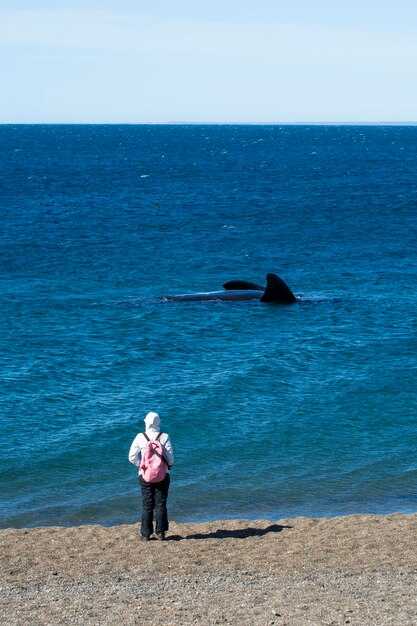
Start with a small-group launch at first light from shoreline to maximize chances of spotting fluking tails. This approach keeps you ready for tight sightlines and allows you to stay travel-ready, focused on what matters: weather, light, and quiet seas that suit wildlife viewing.
Peak activity runs from December through April, with a concentration around protected bays and submarine canyons that concentrate food and travelers. In this habitat, mothers and calves surface near shoreline, offering spouts, breaches, and long gliding dives. Operators report clear interactions with calm seas; wind and swell can reduce visibility, but on even days sightings climb.
When selecting a tour operator, consider grounds such as licensed crews, engine-speed restrictions, and strict distance rules. Respecting wildlife with quiet boats, predictable routes, and minimal wake reduces stress and improves your chances of natural behavior from marine visitors.
What to bring for comfort: layers that are warm, sunscreen, hat, water, binoculars, and a small, dry bag. A long-sleeve shirt and breathable fabrics keep you suitable for a full day, while a lightweight jacket protects you from wind as you launch. For a traveler intent on witnessing motion, packing a compact camera and a notepad helps capture what you observe and any fluking behavior.
On fridays, operators sometimes offer departures with a longer trek and multiple launches to balance crowds and increase odds of sightings. A steady, stable ride helps people stay alert and enjoy moments without fatigue.
In longer travel plans, merging this experience with coastal nature walks enriches understanding of how marine life fits into larger habitat. Many travelers believe that a short, focused session yields more meaningful moments than long, rushed trips. For every traveler, staying quiet and moving slowly aligns with respecting wildlife and keeps shoreline habitat intact for future visits. If you value authentic nature, plan multi-day stays that include field visits along dunes and mangrove pockets, giving people opportunities to observe seabirds, otters, and other creatures at eye level.
When is whale watching best in San José del Cabo? Seasonal windows and migrations
December through March offers best opportunities, with January and February delivering the highest probability of close encounters. Migrants travel from northern feeding grounds along a main Pacific route toward warm lagoons for breeding and calving. These months pair calm, light mornings with high activity, including breaches, tail slaps, and pectoral displays by humpbacks. You will see mothers with calves, a telltale sign of seasonal energy. Booking with expert crews adds another layer of safety and ethical means of viewing. Several species travel this corridor alongside them, increasing opportunities for observation.
Seasonal windows by month
Seasonal windows start in December and run through March, with January and February at peak. Sea state is typically calmer in dawn hours, offering clear light for spotting and photography. Booking starts months in advance, particularly for a 3-hour trek; accessible options exist for most budgets. In some years, late February ends main window as winds rise, but migration continues through late March. Crowds fluctuate with holidays, so midweek slots often provide a more relaxed experience.
Migration behaviour and practical tips
Migration signals include steady surface activity, exhalations, and tail and pectoral displays. Ethical viewing means maintaining distance and respecting speed limits to minimize disturbance, supporting natural behaviour. If youve got flexibility, choose midweek slots to reduce crowds and improve access to expert crews. For beginners, look for main ports with calm seas and predictable itineraries; this increases opportunities for close approaches without stressing wild beings. Margaritas and coastal sunsets often accompany evenings after a trek, rounding out a high-value day on shore.
Half-day vs. full-day tours: duration, pace, and what you’re likely to see
Choose half-day if limited on time; full-day if you’re committed to making the most of every moment and cover more waters across offshore spots. A half-day keeps pace easy and lets you stroll a town after, while you still net several strong looks at jumping dolphins and seabirds. That option reduces problems from fatigue and makes the experience broadly enjoyable for first‑time guests.
For a deeper, more immersive experience, a full-day cruise is more complex to arrange but yields higher chances to see more animals, including potential calves during birth season. Lunch on board helps sustain energy, and a longer day means less rushing and more sound of water down the hull as you move between spots. Participants often finish with unforgettable memories and a better sense of life in this salt‑water world. Some itineraries swing by a small park area near a marina for a quick snack.
Duration and pace at a glance
Half-day: roughly 3–4 hours on-water, with morning departures around 8:00–9:00am and a return by early afternoon. Pace stays very relaxed, making it easier to focus on a few prime spots where jumping dolphins, sea lions, and pelicans congregate. Limited on-time windows mean you’re unlikely to chase distant destinations, but you’ll cover strong, predictable harbor spots near town.
Full-day: about 6–9 hours, starting around 7:00–8:30am and including a mid-day break for lunch. You’ll cruise wider waters, move between several spots, and increase chances to see higher life forms across offshore and inshore parks. The day can be demanding but rewarding, with more opportunities to observe births and activity across different conditions. Down times are scheduled to keep guests comfortable and better prepared for long afternoons on deck.
What you’re likely to see and how to optimize
Half-day guests typically encounter quick dolphins in predictable patterns, sea lions basking on rocks, and a robust set of seabirds. You’ll get a strong, unforgettable impression of harbor life and often return with great photos from a few prime spots that fit within a limited window.
Full-day guests mix in additional wildlife, including more distant pods and varied behaviors. To optimize, listen to crew briefings, stay hydrated, and position yourself to catch wake sounds and the slap of waves as light changes. Bring sun protection and a light layer; mornings can be cool, warming by midday. This approach helps guests, whether first‑timers or seasoned participants, make the most of every moment–especially when light shifts and new opportunities arrive.
How to choose a tour operator: licenses, safety standards, and wildlife ethics
Always verify licenses and permits from state maritime authority before booking; request copies or confirm via official registry.
- Licenses and permits
- Request current business license, vessel registration, captain’s license, and liability insurance; confirm operator is registered with state maritime authority and provide contacts for verification in cabos region.
- Verify any permits for interactions with protected species and respect seasonal restrictions; avoid providers that cannot prove compliance.
- حفاظتی معیار
- Every vessel must equip PFDs for all aboard, a life ring, a functioning life raft, fire extinguisher, first aid kit, and VHF radio with backup power; crew should run a clear safety console briefing at boarding; check if there is a navigation console with GPS and escape routes.
- Ask about weather policy, man overboard drills, and daily safety log; ensure decks have non-slip surfaces to minimize problems on rough seas; ensure emergency procedures are practiced.
- Ensure decks and railings minimize slip hazards near bodies of water and that crew can respond calmly to changing conditions; this reduces noise and stress during close approaches and keeps sightings more reliable.
- Wildlife ethics and viewing practices
- Request distance guidelines (often 100 m or more for larger wild residents); enforce slow speeds and minimal engine noise to protect sightings and reduce stress.
- Demand no feeding or touching; avoid acrobatic approaches that disrupt natural behavior; prefer operators that publish a wildlife code of conduct; providing clear guidelines helps a great deal.
- Inspect whether boats maintain time limits around sensitive periods and designate pull-out point away from animals; this provides more respect for animals and their mates; if animals approach, allow them to decide to breach or surface rather than chasing them.
- thats why selecting operators with a published wildlife code matters.
- Booking considerations and extras
- Look for operators that publish environmental policies and providing real-time updates on sightings and weather; ask about allowed number of guests; bigger boats can feel busy yet may spread noise and fumes differently; some boats offer windows with clear views; others rely on open decks–check preference.
- Ask about non-swimmers accommodations; some boats offer safer seating and calmer viewing from side windows; consider a guide who can point out fin activity and explain body language of wildlife; this helps you interpret noises, fins, and acrobatic movements without stressing animals.
- Incorporate social moments after trip; margaritas or soft drinks often available on return; ensure alcohol policies align with safety guidelines.
- Provide a checklist before committing; including availability, cancellation policy, and potential refunds for bad weather or rough seas; this protects you from problems that could ruin a day on cabos waters.
- If plans come together with a responsible operator, you gain reliable sightings and calmer days on the water.
- Many options offer a great blend of guidance and flexibility, letting families, couples, or solo travelers enjoy awe-inspiring encounters without unnecessary risk.
What to bring and wear: packing list for a sea expedition
Begin with a compact, weather-sealed daypack and a waterproof liner to cover all essentials. noting that decks can be slick, pack breathable, quick-dry layers that can be combined into a single setup; a wide-brim hat helps shield your face from sun and spray. Spray against skin can feel like slapping.
Bring versatile garments designed for long hours at sea: a base of moisture-wicking tops, a couple of lightweight, fast-dry pants or shorts, and a wind- and water-resistant outer layer. Consider two outfits per person for a typical two-to-three day program, and plan for chilly mornings along arch coastlines as well as sunlit afternoons.
لباس اور تہہ بندی
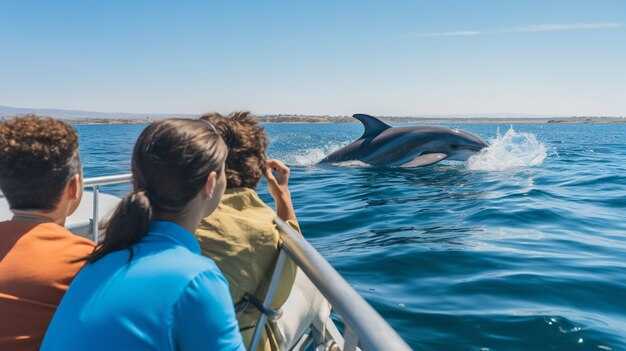
ڈیک پر پرسکون چہل قدمی یا چوکیوں تک تیز ہائیک کے دوران آپ کے ساتھ حرکت کرنے والے ٹکڑوں کا انتخاب کریں۔ معروف طریقہ کار تہوں کو ملانا ہے: بیس لیئر [تہ]، مڈ لیئر [درمیانی تہ] اور شیل [بیرونی تہ]۔ تیز نظر آنے والے رنگ آپ کو خراب موسم یا بھیڑ والی جگہوں میں نمایاں ہونے میں مدد کرتے ہیں۔ مہم جوئی کے لیے پیدا ہوئے، آپ یو پی ایف 30+ کے ساتھ سورج سے بچانے والے کپڑوں پر بھی غور کریں۔.
گیئر، سیفٹی، اور ایکسٹراز
بحری سفر اور جہاز پر موجود کارروائیوں کو محفوظ طریقے سے سنبھالنے میں مدد کرنے کے لئے درج ذیل اشیاء پیک کریں۔ تحفظ سے آغاز کریں: ایس پی ایف 30-50 والا سنسکرین، ایس پی ایف والا لپ بام، محفوظ پٹے والا دھوپ کا چشمہ اور کنارے والی ٹوپی۔ ایک کمپیکٹ بارش/ہوا سے بچانے والا جیکٹ، ایک اضافی گرم تہہ اور خشک جرابیں ساتھ لائیں۔ پانی میں چلنے والے مضبوط جوتے یا بند پیروں والے سینڈل گیلی سطحوں پر پیروں کی حفاظت کرتے ہیں۔ ایک خشک بیگ، زِپر بیگ اور ایک چھوٹا ڈے پیک شامل کریں تاکہ چھینٹوں سے اپنے سامان کی حفاظت کی جا سکے۔ ایک اضافی بیٹری، میموری کارڈ اور ایک پورٹیبل پاور بینک والا کیمرہ یا اسمارٹ فون ساتھ لائیں؛ دُور دراز مقامات کو دیکھنے کے لئے دوربین مددگار ثابت ہو سکتی ہے۔ ٹرپس کی تاریخیں آپریٹر کے لحاظ سے مختلف ہوتی ہیں، اور بہت سے آپریٹرز اسنیکس پیش کرتے ہیں۔ فراہم کنندہ فوری توانائی کے لئے کوکیز، گری دار میوے اور انرجی بارز پیش کر سکتا ہے۔.
بحری بیماری کی صورت میں، ادرک کی گولیاں یا بغیر غنودگی والی دوائی ساتھ رکھیں۔ شناختی کارڈ، نقدی اور ایک بنیادی فرسٹ ایڈ کٹ نیز جراثیم کش وائپس رکھیں۔ روانگی کے مقام تک پیدل جانے کے لیے ٹریل سنیکس اور لمبے دن کے لیے کچھ اضافی اشیاء پیک کریں۔ ایک بنیادی چیک لسٹ کے ساتھ آغاز پیکنگ کو تیز کرتا ہے۔ یہ چیک لسٹ خود اشیاء کو غائب ہونے سے بچانے میں مدد کرتی ہے اور آپ کے گروپ کے لوگوں کو سفر کے دوران مقامات پر مربوط رکھتی ہے۔ ان تجاویز کا مطلب ہے کم جلدی۔.
| آئٹم | Why | نوٹس |
|---|---|---|
| پانی کی بوتل (1–1.5 لیٹر) | آب نوشی؛ دھوپ/ہوا میں ڈی ہائیڈریشن سے بچیں | اکثر بھریں؛ الیکٹرولائٹ پاؤڈر پر غور کریں۔ |
| سن سکرین ایس پی ایف 30-50 | یو وی پروٹیکشن | ہر 2 گھنٹے بعد دوبارہ لگائیں |
| پٹے والی دھوپ کی عینک | چمک کم کرنا؛ ڈیک پر محفوظ کریں۔ | ترجیحاً پولرائزڈ |
| Wide-brim hat | چہرے/گردن کا تحفظ | ہلکا پھلکا، سانس لینے کے قابل |
| بنیادی تہیں (نمی دور کرنے والی) | تھર્મَل ریگولیشن | زیادہ سے زیادہ 2-3 |
| ہلکی پھلکی بارش/ہوا سے بچاؤ والی جیکٹ | اسپرے کے دوران حفاظت | قابلِ تہ کرنا |
| لانگ سلیو یو وی شرٹ | سورج کی روشنی سے بچاؤ کا انتظام | یو پی ایف 30+ |
| پتلون/ شارٹس (فوری خشک ہونے والے) | آزادی سے حرکت کریں؛ تیزی سے خشک ہوجاتا ہے۔ | 2 جوڑے |
| آبی جوتے یا بند انگشتی صندل | گرفت اور پیر کا تحفظ | غیر لغزشی تلا |
| خشک بیگ یا زپ لاکس | Keep electronics dry | ایک بڑا، کئی چھوٹے |
| کیمرہ/دوربین + اضافی بیٹری/میموری | ریکارڈ مشاہدات؛ دور دراز مقامات کا جائزہ لیں۔ | واٹر پروف کیس اگر ممکن ہو |
| Snacks: cookies, nuts, bars | توانائی ڈیک پر | کمپیکٹ، غیر پگھلنے والا |
| ابتدائی طبی امداد کٹ اور ادویات | بنیادی حفاظت | میں دَوا شامل کروں گا جس سے بحری سفر کے دوران طبیعت خراب نہیں ہوگی۔ |
| ہاتھوں کو صاف کرنے والا اور وائپس | صفائی ستھرائی | چھوٹے پیک |
| شناختی کارڈ، نقدی، انشورنس کارڈ | شناخت اور رسائی | خُشک رکھیں۔ |
خاندانی دوستانہ وہیل دیکھنا: بچوں کے لیے تجاویز، رسائی اور حفاظت کے متعلق غور و فکر
ایک مجاز آپریٹر جس کے ساتھ ایک ماہر فطرت موجود ہو، منظم، محفوظ سیر و تفریح فراہم کرتا ہے اور ساحلی پٹی کے ساتھ خاموش انجنوں کا استعمال کرکے جنگلی حیات میں خلل کو کم کرتا ہے۔ سیمارنٹ کی تعمیل کی تصدیق کریں اور خاندانوں کے لیے موزوں ایک بحری جہاز کا انتخاب کریں؛ زیادہ تر سفر 2-3 گھنٹے جاری رہتے ہیں، عام طور پر اپریل میں صبح کے وقت جب سمندر کی حالت زیادہ نرم ہوتی ہے روانہ ہوتے ہیں۔.
بچوں والے خاندانوں کے لیے، براہ کرم بچوں کے موافق سفر کا منصوبہ بنائیں: ناشتے اور مشروبات پیک کریں، بچوں کو نظروں کے سامنے رکھیں، اور اس بات کو یقینی بنائیں کہ لائف جیکٹس درست طریقے سے فٹ ہوں۔ ایک مختصر حفاظتی بریفنگ کے ساتھ آغاز کریں، بالغ نگرانوں کو تبدیل کریں، اور ایک پرسکون، تعلیمی شو کا ارادہ کریں جو پہلی نظر آنے سے پہلے ہی یادیں بنائے۔.
رسائی کے انتظامات: کئی کشتیاں قابل رسائی نشستیں، چوڑی ڈیکیں، اور آسان سواری پیش کرتی ہیں۔ اگر کوئی سٹرولر یا وہیل چیئر درکار ہو، تو آپریٹر سے پیشگی رابطہ کر کے نشستوں یا ساحل پر مبنی لاگونا علاقے میں دیکھنے کا انتظام کریں۔ انگریزی بولنے والا ماہر فطرت جانوروں کے رویے اور افزائش کے طریقوں کو سمجھنے میں تمام مہمانوں کی مدد کرتا ہے۔.
حفاظتی اقدامات: حرکت کے دوران بیٹھے رہیں، ریلنگ کو پکڑیں، اور کسی بھی افزائشی سرگرمی سے کم از کم 100 میٹر کا فاصلہ برقرار رکھیں؛ کبھی بھی قریب جانے کی کوشش نہ کریں؛ کبھی بھی جانوروں کو نہ کھلائیں اور نہ ہی چھوئیں؛ موسم اور سمندری بیماری کے خطرے کی جانچ کریں؛ صحت کے تحفظات میں سورج سے تحفظ، ہائیڈریشن، اور سمندری بیماری کے علاج شامل ہیں؛ نوزائیدہ بچوں کے لیے، مختصر سفر یا نجی چارٹر کو ترجیح دیں اور اگر ضرورت ہو تو کسی معالج سے مشورہ کریں۔.
ماحولیاتی ضابطہ: ماہرین فطرت کی رہنمائی پر عمل کریں، اونچی آوازوں سے گریز کریں، اور پیچھا کرنے یا شور کرنے سے پرہیز کریں؛ بندرگاہ واپسی پر کوڑا کرکٹ مناسب طریقے سے ٹھکانے لگائیں؛ آپریٹر کی جانب سے فراہم کردہ اسنیکس اور کھانے دوبارہ قابل استعمال برتنوں میں ہونے چاہئیں تاکہ کچرے کو کم سے کم کیا جا سکے؛ مقامی ماحولیاتی نظام کے بارے میں نرم تبصرہ فراہم کرنے سے ہر کسی کو علاقے کے تحفظ میں ان کے کردار کو سمجھنے میں مدد ملتی ہے۔.
توقعات: اپریل اکثر پرسکون صبحیں اور لگونا کے مسکنوں کے آس پاس ساحلی علاقے کے قریب زیادہ کثرت سے نظارے لاتا ہے؛ تیاری میں موسمی نمونے اور ہلکے سمندر شامل ہیں؛ مہمانوں کو ٹوپیاں، سن اسکرین، پانی اور ڈیک پر طویل مدت کے لیے ہلکے وزن کے کپڑے لانے چاہئیں۔.
خاص ہدایات: فاصلے اور رہنما اصول آپریٹر کے لحاظ سے مختلف ہو سکتے ہیں۔ ہمیشہ حفاظتی بریفنگ پڑھیں؛ سفر کے بعد ماحولیاتی یادیں بچوں کے ساتھ شیئر کریں تاکہ حفاظتی اقدامات کو تقویت ملے، اور براہ کرم ذمہ دار سیاحت کی حمایت کے لیے مقامی قوانین کی پابندی کریں، جس میں کسی بھی افزائش نسل کی سرگرمی کے دوران احترام کا فاصلہ رکھنا اور پانی پر موجود نوزائیدہ بچوں میں کسی قسم کی خلل اندازی سے گریز کرنا شامل ہے۔.
وہیل دیکھنے کے لیے فوٹوگرافی کے مشورے: گیئر، سیٹنگز اور احترام پر مبنی دیکھنے کے طریقے۔
سفارش: آپٹیکل اسٹیبلائزیشن اور ویدر سیلنگ کے ساتھ 300-600 ملی میٹر ٹیلی فوٹو، نیز ایک مضبوط باڈی استعمال کریں۔ کرافٹ کے لڑھکنے پر استحکام کے لیے ایک مونو پوڈ پر نصب کریں۔ دوپہر کے سیشن کے لیے، اضافی بیٹریاں، میموری کارڈز، اور ہلکا بارش کا احاطہ لائیں۔ سپلیش اور فلوکس کو منجمد کرنے کے لیے تیز رفتار پر شوٹ کریں، اور صاف تصویر کو برقرار رکھتے ہوئے آئی ایس او کو ہر ممکن حد تک کم رکھیں۔.
گیئر سیٹ اپ: پرائم 600mm یا ورسٹائل 100–400mm موسمی سیلنگ کے ساتھ؛ ایک ایسا لینس منتخب کریں جس میں تیز، درست آٹوفوکس سسٹم اور اسپرے میں اعلیٰ وشوسنییتا ہو۔ ایک اضافی لینس مددگار ثابت ہوتا ہے اگر زاویہ میں تبدیلی واقع ہو؛ ایک مضبوط مونوپڈ، یا ایک کمپیکٹ تپائی جہاں اجازت ہو، اور ایک واٹر پروف بیگ ساتھ رکھیں۔ لینس ہڈ روشن دوپہر کی دھوپ میں شعلے کو کم کرنے میں مدد کرتا ہے۔ ڈیک پر توانائی کی سطح کو برقرار رکھنے کے لیے نمکین پیک کریں؛ لائسنس یافتہ ٹورز پر،, plan آپریٹرز کے ساتھ اور جہاز کے محفوظ مقامات کے ساتھ فاصلہ رکھیں جبکہ پلیٹ فارم کے کنارے پر ہجوم کیے بغیر مختلف زاویوں کا احاطہ کریں۔.
ترتیبات: ایکشن کو جمانے کے لیے شٹر پریوریٹی 1/1000–1/2000 s کے ساتھ استعمال کریں؛ مناسب گہرائی کے لیے f/7.1–f/8 کے قریب اپرچر؛ ISO آٹو پر 3200 کی اوپری حد کے ساتھ سیٹ کریں (روشنی کے لیے ایڈجسٹ کریں)۔ مسلسل ٹریکنگ کے ساتھ AI-Servo/AF-C استعمال کریں؛ مضامین کی آنکھ یا مرکزی کمیت پر نشانہ لگائیں؛ RAW میں شوٹ کریں اور flukes، splash، یا سطحی وقفوں کی ترتیب کو حاصل کرنے کے لیے برسٹ سیکونسز (5–10 fps)۔ موسم کی روشنی پر غور کریں اور اس کے مطابق وائٹ بیلنس کو ایڈجسٹ کریں؛ کچھ غیر متوقع واقعہ ہو سکتا ہے، اس لیے فوری طور پر ڈھالنے کے لیے تیار رہیں۔.
احتراماً ملاحظہ فرمائیں: محفوظ فاصلہ رکھیں اور جانوروں کو پریشان کرنے سے گریز کریں؛ لائسنس یافتہ آپریٹرز اور مقامی ہدایات پر عمل کریں، اور اگر حالات خراب ہوتے ہیں تو منصوبوں کو تبدیل کرنے کے لیے تیار رہیں۔ اگر فاصلہ یا مرئیت مشکل ہو جائے، تو کنارے پر قریب آنے کے بجائے گروپ کے ساتھ کھلے پانی میں چلے جائیں۔ آپریٹرز کی جانب سے فراہم کردہ ریٹیڈ فاصلے کی ہدایات پر عمل کریں؛ انجنوں کو نیچے رکھیں اور اچانک چالوں سے گریز کریں۔; listening عملے کی ہدایات پر عمل کریں اور رفتار کو آرام دہ رکھیں۔ اگر تھکاوٹ بڑھ جائے تو وقفہ لیں، مختلف زاویوں سے تصویریں لیں، اور گروپ میں توجہ کو گھماتے رہیں۔ جنگلی حیات اور ریلنگ سے دور اسنیکس کھائیں۔ یہ طریقہ تحفظ کے لیے ضروری رہا ہے اور اس سے کئی سالوں سے انواع کو فائدہ پہنچا ہے۔.
بحالی اور رسائی: ایسا ساز و سامان استعمال کریں جو مختلف صارفین کے لیے قابل رسائی ہو، جب جہاز ڈگمگائے تو گیئر کو محفوظ رکھیں، اور موسم میں تبدیلیوں کا احترام کریں۔ ہمیشہ plan لائسنس یافتہ آپریشنز کے ساتھ آگے بڑھیں، تجربہ کار گروپس میں شامل ہوں، اور تحفظ کے اصولوں کا احترام کریں؛ یہ ذہنیت صاف اور طاقتور امیجری فراہم کرتے ہوئے مسکن کی حفاظت میں مدد کرتی ہے۔.
لاس کابوس میں بکنگ، منسوخی کے اصول، اور پائیداری کے اعتبارات
ہمیشہ قابل واپسی شرحیں منتخب کریں اور کسی ایجنسی کے ذریعے بکنگ کروائیں، پھر ادائیگی سے پہلے منسوخی کی ونڈوز کی تصدیق کریں۔ اپنے دربان کو معتبر ہوٹل پارٹنرز کے دستیاب انتخابات کا موازنہ کرنے کے لیے استعمال کریں، ساتھ ہی آن سائٹ عملہ جو پالیسی کی تفصیلات بتاتا ہے، اور بکنگ کے بعد صحت اور حفاظت کے لیے کیا ضروری ہے چیک کریں۔ یہ طریقہ آپ کے سفر کو حقیقی طور پر تیار رکھتا ہے، تناؤ سے بچاتا ہے، اور اصلیت کے ساتھ ایک ناقابل فراموش تجربہ یقینی بناتا ہے۔.
بکنگ کے ضروری لوازمات اور منسوخی کی پالیسیاں
پراپرٹی کے لحاظ سے منسوخی کے اوقات مختلف ہوتے ہیں؛ آمد سے 24-72 گھنٹے پہلے تک مفت منسوخی تلاش کریں اور رقم کی واپسی کے طریقہ کار کی تصدیق کریں (مکمل کریڈٹ، یا کارڈ ریورسل)۔ اپنی ایجنسی سے لچکدار منصوبوں کے بارے میں دریافت کریں، اور اپنے دربان سے کہیں کہ وہ بغیر جرمانے کے دستیاب اختیارات کی تصدیق کریں۔ کثیر قیام کے سفری پروگراموں کے لیے، جائزہ لیں کہ تبدیلیوں کے بعد جزوی رقم کی واپسی لاگو ہوتی ہے یا نہیں؛ ہولڈز اور کریڈٹس کے بارے میں باریک بینی سے چھپی ہوئی معلومات کو پڑھیں۔ ہمیشہ تحریری طور پر قطعی آخری تاریخ کی تصدیق کریں اور ان کے سرکاری چینلز کے ذریعے کسی بھی تبدیلی کو ٹریک کریں۔.
سیاحوں کے لیے پائیداری کے پہلو
ساحل کے ساتھ ساتھ ایسے رہائش گاہوں کا انتخاب کریں جن میں ماحولیاتی پروگرام اور پالیسیاں ہوں جو پانی اور توانائی کے استعمال کو کم کرتی ہوں، اور مقامی بازاروں اور دستکاریوں کی حمایت کرتی ہوں۔ یہ طریقہ صداقت کو چمکانے میں مدد کرتا ہے اور سفر کو واقعی ناقابل فراموش بنا دیتا ہے۔ ریف سے محفوظ سنسکرین کے رہنما خطوط تلاش کریں، دھوپ سے تحفظ پہنییں، اور دوبارہ بھرنے کے قابل بوتل لے کر پلاسٹک کو کم کریں۔ ایسے ٹور کا انتخاب کریں جو ذمہ دار وائلڈ لائف کے طریقوں پر عمل کریں اور آرچ کے قریب اور قریبی سیرا میں نامزد راستوں کے ذریعے کام کریں، تاکہ زمین کی تزئین میلوں تک متحرک رہے۔ ایک ایسے راستے کا تصور کریں جو جہاں تک ممکن ہو پیدل چلنے یا بائیک چلانے کو ترجیح دے کر اخراج کو کم کرتا ہے، جو صحت اور ماحولیاتی اہداف کے مطابق ہے جو ہر مسافر کے ساتھ گونجتا ہے۔ رضامندی سے لی گئی تصاویر کمیونٹیز اور فطرت کے احترام کو اجاگر کرتی ہیں، اور یہ ایک احترام سے متعلق سفر نامے کا بنیادی اصول ہے۔.