


 አማርኛ
አማርኛ  English (UK)
  Русский
  বাংলা
বাংলা  العربية
  日本語
日本語  한국어
한국어  Magyar
  Norsk nynorsk
  Türkçe
  עִבְרִית
  Español
  Čeština
  Svenska
  Português
  Ελληνικά
  Suomi
Suomi  Nederlands
  Română
  Italiano
  Français
  Polski
  Українська
  Deutsch
  简体中文
简体中文  Slovenčina
  Српски језик
  اردو
اردو  Azərbaycan dili
  O‘zbekcha
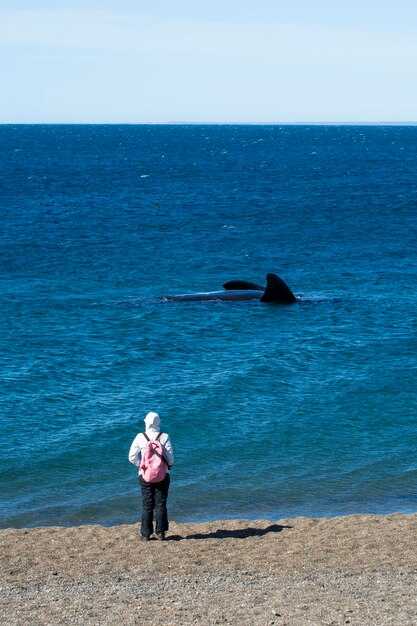
Start with a small-group launch at first light from shoreline to maximize chances of spotting fluking tails. This approach keeps you ready for tight sightlines and allows you to stay travel-ready, focused on what matters: weather, light, and quiet seas that suit wildlife viewing.
Peak activity runs from December through April, with a concentration around protected bays and submarine canyons that concentrate food and travelers. In this habitat, mothers and calves surface near shoreline, offering spouts, breaches, and long gliding dives. Operators report clear interactions with calm seas; wind and swell can reduce visibility, but on even days sightings climb.
When selecting a tour operator, consider grounds such as licensed crews, engine-speed restrictions, and strict distance rules. Respecting wildlife with quiet boats, predictable routes, and minimal wake reduces stress and improves your chances of natural behavior from marine visitors.
What to bring for comfort: layers that are warm, sunscreen, hat, water, binoculars, and a small, dry bag. A long-sleeve shirt and breathable fabrics keep you suitable for a full day, while a lightweight jacket protects you from wind as you launch. For a traveler intent on witnessing motion, packing a compact camera and a notepad helps capture what you observe and any fluking behavior.
On fridays, operators sometimes offer departures with a longer trek and multiple launches to balance crowds and increase odds of sightings. A steady, stable ride helps people stay alert and enjoy moments without fatigue.
In longer travel plans, merging this experience with coastal nature walks enriches understanding of how marine life fits into larger habitat. Many travelers believe that a short, focused session yields more meaningful moments than long, rushed trips. For every traveler, staying quiet and moving slowly aligns with respecting wildlife and keeps shoreline habitat intact for future visits. If you value authentic nature, plan multi-day stays that include field visits along dunes and mangrove pockets, giving people opportunities to observe seabirds, otters, and other creatures at eye level.
When is whale watching best in San José del Cabo? Seasonal windows and migrations
December through March offers best opportunities, with January and February delivering the highest probability of close encounters. Migrants travel from northern feeding grounds along a main Pacific route toward warm lagoons for breeding and calving. These months pair calm, light mornings with high activity, including breaches, tail slaps, and pectoral displays by humpbacks. You will see mothers with calves, a telltale sign of seasonal energy. Booking with expert crews adds another layer of safety and ethical means of viewing. Several species travel this corridor alongside them, increasing opportunities for observation.
Seasonal windows by month
Seasonal windows start in December and run through March, with January and February at peak. Sea state is typically calmer in dawn hours, offering clear light for spotting and photography. Booking starts months in advance, particularly for a 3-hour trek; accessible options exist for most budgets. In some years, late February ends main window as winds rise, but migration continues through late March. Crowds fluctuate with holidays, so midweek slots often provide a more relaxed experience.
Migration behaviour and practical tips
Migration signals include steady surface activity, exhalations, and tail and pectoral displays. Ethical viewing means maintaining distance and respecting speed limits to minimize disturbance, supporting natural behaviour. If youve got flexibility, choose midweek slots to reduce crowds and improve access to expert crews. For beginners, look for main ports with calm seas and predictable itineraries; this increases opportunities for close approaches without stressing wild beings. Margaritas and coastal sunsets often accompany evenings after a trek, rounding out a high-value day on shore.
Half-day vs. full-day tours: duration, pace, and what you’re likely to see
Choose half-day if limited on time; full-day if you’re committed to making the most of every moment and cover more waters across offshore spots. A half-day keeps pace easy and lets you stroll a town after, while you still net several strong looks at jumping dolphins and seabirds. That option reduces problems from fatigue and makes the experience broadly enjoyable for first‑time guests.
For a deeper, more immersive experience, a full-day cruise is more complex to arrange but yields higher chances to see more animals, including potential calves during birth season. Lunch on board helps sustain energy, and a longer day means less rushing and more sound of water down the hull as you move between spots. Participants often finish with unforgettable memories and a better sense of life in this salt‑water world. Some itineraries swing by a small park area near a marina for a quick snack.
Duration and pace at a glance
Half-day: roughly 3–4 hours on-water, with morning departures around 8:00–9:00am and a return by early afternoon. Pace stays very relaxed, making it easier to focus on a few prime spots where jumping dolphins, sea lions, and pelicans congregate. Limited on-time windows mean you’re unlikely to chase distant destinations, but you’ll cover strong, predictable harbor spots near town.
Full-day: about 6–9 hours, starting around 7:00–8:30am and including a mid-day break for lunch. You’ll cruise wider waters, move between several spots, and increase chances to see higher life forms across offshore and inshore parks. The day can be demanding but rewarding, with more opportunities to observe births and activity across different conditions. Down times are scheduled to keep guests comfortable and better prepared for long afternoons on deck.
What you’re likely to see and how to optimize
Half-day guests typically encounter quick dolphins in predictable patterns, sea lions basking on rocks, and a robust set of seabirds. You’ll get a strong, unforgettable impression of harbor life and often return with great photos from a few prime spots that fit within a limited window.
Full-day guests mix in additional wildlife, including more distant pods and varied behaviors. To optimize, listen to crew briefings, stay hydrated, and position yourself to catch wake sounds and the slap of waves as light changes. Bring sun protection and a light layer; mornings can be cool, warming by midday. This approach helps guests, whether first‑timers or seasoned participants, make the most of every moment–especially when light shifts and new opportunities arrive.
How to choose a tour operator: licenses, safety standards, and wildlife ethics
Always verify licenses and permits from state maritime authority before booking; request copies or confirm via official registry.
- Licenses and permits
- Request current business license, vessel registration, captain’s license, and liability insurance; confirm operator is registered with state maritime authority and provide contacts for verification in cabos region.
- Verify any permits for interactions with protected species and respect seasonal restrictions; avoid providers that cannot prove compliance.
- የአስተማማኝ ደህንነት ደረጃዎች
- Every vessel must equip PFDs for all aboard, a life ring, a functioning life raft, fire extinguisher, first aid kit, and VHF radio with backup power; crew should run a clear safety console briefing at boarding; check if there is a navigation console with GPS and escape routes.
- Ask about weather policy, man overboard drills, and daily safety log; ensure decks have non-slip surfaces to minimize problems on rough seas; ensure emergency procedures are practiced.
- Ensure decks and railings minimize slip hazards near bodies of water and that crew can respond calmly to changing conditions; this reduces noise and stress during close approaches and keeps sightings more reliable.
- Wildlife ethics and viewing practices
- Request distance guidelines (often 100 m or more for larger wild residents); enforce slow speeds and minimal engine noise to protect sightings and reduce stress.
- Demand no feeding or touching; avoid acrobatic approaches that disrupt natural behavior; prefer operators that publish a wildlife code of conduct; providing clear guidelines helps a great deal.
- Inspect whether boats maintain time limits around sensitive periods and designate pull-out point away from animals; this provides more respect for animals and their mates; if animals approach, allow them to decide to breach or surface rather than chasing them.
- thats why selecting operators with a published wildlife code matters.
- Booking considerations and extras
- Look for operators that publish environmental policies and providing real-time updates on sightings and weather; ask about allowed number of guests; bigger boats can feel busy yet may spread noise and fumes differently; some boats offer windows with clear views; others rely on open decks–check preference.
- Ask about non-swimmers accommodations; some boats offer safer seating and calmer viewing from side windows; consider a guide who can point out fin activity and explain body language of wildlife; this helps you interpret noises, fins, and acrobatic movements without stressing animals.
- Incorporate social moments after trip; margaritas or soft drinks often available on return; ensure alcohol policies align with safety guidelines.
- Provide a checklist before committing; including availability, cancellation policy, and potential refunds for bad weather or rough seas; this protects you from problems that could ruin a day on cabos waters.
- If plans come together with a responsible operator, you gain reliable sightings and calmer days on the water.
- Many options offer a great blend of guidance and flexibility, letting families, couples, or solo travelers enjoy awe-inspiring encounters without unnecessary risk.
What to bring and wear: packing list for a sea expedition
Begin with a compact, weather-sealed daypack and a waterproof liner to cover all essentials. noting that decks can be slick, pack breathable, quick-dry layers that can be combined into a single setup; a wide-brim hat helps shield your face from sun and spray. Spray against skin can feel like slapping.
Bring versatile garments designed for long hours at sea: a base of moisture-wicking tops, a couple of lightweight, fast-dry pants or shorts, and a wind- and water-resistant outer layer. Consider two outfits per person for a typical two-to-three day program, and plan for chilly mornings along arch coastlines as well as sunlit afternoons.
Clothing and layering
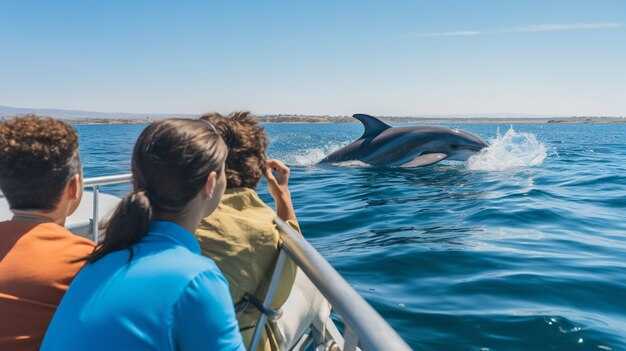
ይምረጡ ከክምችትዎ ዉስጥ የሚያስተናግዱዎትን በእርጋታ በጀልባ ሲጓዙ ወይንም ወደተራራዎች ጫፍ በፍጥነት ሲወጡ። ቀደምት አካሄድ መሰረታዊ ልብስ፣ መካከለኛ ልብስ እና የዉጭ ሽፋን ማዘጋጀት ነዉ። በቀላሉ የሚታዩ ቀለማት በአስቸጋሪ የአየር ሁኔታ ዉይም በተጨናነቁ ቦታዎች ላይ እንድትለዩ ይረዱዎታል። ለጀብደኝነት የተፈጠሩ እንደመሆናችሁ ከፀሀይ የሚከላከሉ UPF 30+ የጨርቅ አይነቶችን መምረጥ አለባችሁ።.
መሳሪያዎች፣ ደህንነት እና ተጨማሪ ነገሮች
የሚከተሉትን ዕቃዎች መያዝ መርከብን እና የመርከብ ላይ ስራዎችን በሰላም ለመምራት ይጠቅማል። በመጀመሪያ መከላከያ፡ የጸሐይ መከላከያ SPF 30–50፣ ከጸሐይ የሚከላከል የከንፈር ቅባት፣ ማሰሪያ ያለው መነጽር፣ ሰፋ ያለ ባርኔጣ። የታመቀ የዝናብ/የንፋስ ጃኬት፣ ተጨማሪ ሙቅ ልብስ እና ደረቅ ካልሲዎችን ይያዙ። ጠንካራ የውሃ ጫማ ወይም የተዘጉ ጫማዎች እግሮችን በእርጥብ ወለል ላይ ይከላከላሉ። ደረቅ ቦርሳ፣ ዚፐር ቦርሳዎች እና ትናንሽ የእጅ ቦርሳዎች እቃዎችን ከመበተን ለመጠበቅ ይጠቅማሉ። ተጨማሪ ባትሪ፣ የማስታወሻ ካርዶች እና ተንቀሳቃሽ ፓወር ባንክ ያለው ካሜራ ወይም ስማርትፎን ይያዙ፤ ቢኖክዮላስ በጉዞ ላይ ሩቅ ቦታዎችን ለመለየት ይረዳዎታል። የጉዞዎች ቀናት በአቅራቢዎች ይለያያሉ፣ እና ብዙዎቹ መክሰስ ያቀርባሉ፤ አቅራቢዎች ፈጣን ምግብ እንደ ኩኪስ፣ ለውዝ እና የሃይል ባር ሊያቀርቡ ይችላሉ።.
ባሕር ላይ ለመታመም ዝንጅብል ማስቲካ ወይም እንቅልፍ የማያመጣ መድኃኒት ይያዙ። መታወቂያ፣ ገንዘብ፣ መሰረታዊ የመጀመሪያ እርዳታ መስጫ ዕቃዎች እና ፀረ-ተባይ ማጽጃዎችን ይያዙ። ወደ መነሻ ቦታው ለመጓዝ እና ለረጅም ቀን የሚሆኑ መክሰስ ይያዙ። በመሠረታዊ የፍተሻ ዝርዝር መጀመር ቶሎ ቶሎ ለመሸከፍ ያፋጥናል፤ ይህ የፍተሻ ዝርዝር እቃዎች እንዳያልፉ ለመከላከል የሚያግዝ ከመሆኑም በላይ በጉዞው ላይ የሚገኙ የቡድን አባላት እንዲቀናጁ ያደርጋል። እነዚህ ምክሮች መቸኮልን ይቀንሳሉ።.
| ንጥል | Why | ማስታወሻዎች |
|---|---|---|
| Botelya ng tubig (1–1.5 L) | ሀይድሬሽን፤ ፀሐይ/ነፋስ ባለበት ድርቀትን ያስወግዱ | ሙሌት ብዙ ጊዜ፤ ኤሌክትሮላይት ዱቄትን አስቡበት |
| የፀሐይ መከላከያ SPF 30–50 | UV protection | ይድገሙ በየ 2 ሰዓቱ |
| መነጽር ምስ ማ strap | ቅልውላዌ ምቅናይ; ኣብ ላዕሊ መርከብ ድሕንቲ | የተመረጠ ፖላራይዝድ |
| Sombrero nga lapad og brim | መከላከያ ለፊት/አንገት | ቀላል ክብደት ያለው፣ መተንፈስ የሚችል |
| የውስጥ ልብስ (የላብ መመጠጫ) | የሙቀት ቁጥጥር | 2–3 እንብዛ። |
| ቀላል ክብደት ያለው ዝናብ/የንፋስ ጃኬት | ትረሓሳስ ጊዜ ምክልኻል። | ማሸግ የሚችል |
| ሸሚዝ እጅጌ-ረዥም ከአልትራቫዮሌት ጨረር የሚከላከል | ቁጽጽር ተጋላጥነት ጸሓይ | UPF 30+ |
| ካልሲ/ቁምጣ (ፍጥነት ደረቅ) | በነጻነት ተንቀሳቀስ; በፍጥነት ይደርቃል | 2 ጥንድ |
| ጫማ ውሃ ወይም ዝግ ጫማ ያላቸው ጫማ | መያዣ እና የእግር ጣት መከላከያ | የማይንሸራተት ሶል |
| ቦርሳ ደረቅ ወይም ዚፕ-መቆለፊያ | ኤሌክትሮኒክስ ዕቃዎች ከውኃ ይራቁ | አንድ ትልቅ፣ ብዙ ትናንሽ |
| ተንቀሳቃሲ ካሜራ/ቢኖኩላር + ተወሳኺ ባትሪ/መኽዘን | መዝገብ ምልከታዎች; በርቀት ያሉ ቦታዎችን መከታተል | ውኃ የማያስገባ ሳጥን የሚቻል ከሆነ |
| የመክሰስ ምግብ፦ ኩኪስ፣ ለውዝ፣ የኃይል አሞሌዎች | ኃይል በቦታው | ኅብረት ያለው፣ የማይቀልጥ |
| ቦርሳ መዳን ቀዳማይ + መድሃኒታት | ትሕቲ ደሕንነት | እዚ ንባሕሪ ሕማም መፍትሒ ኸኣ ይርከቦ። |
| የእጅ ማጽጃ እና መጥረጊያዎች | ንጽህና | ትናንሽ ፓኮች |
| መታወቂያ፣ ገንዘብ፣ የኢንሹራንስ ካርድ | መለያ እና መዳረሻ | ይደርቅ። |
የዓሚልያ ተስማሚ የዓሣ ነባሪ እይታ፡ የልጆች ምክሮች፣ ተደራሽነት እና የደህንነት ጉዳዮች
ኦፕሬተር ፍቃድ ዘለዎ ምስ ባህርያዊ ተመራማሪ ኣብ ልዕሊ መርከብ ዘለዎ ፡ውሱን፡ውሑስን ዝናወጽ ጉዕዞ ይህብ፡ኣብ ገምገም ባሕሪ ድምጺ ዘይብሎም ሞተራት ብምጥቃም ድማ እንስሳ ዘገዳም ኣይምብርህ። ምስ ሴማርናት ተሰማሚዑ ምዃኑ ኣረጋግጽን ንስድራቤታት ዝሰማማዕ መርከብ ምረጽን፤ መብዛሕትኡ ጉዕዞ 2–3 ሰዓታት ይወስድ፡ ልሙድ ከኣ ኣብ ወርሒ ሚያዝያ ኩነታት ባሕሪ ገርህ ምስ ዝኸውን ንግሆ ይጅምር።.
For families with kids, please plan a kid-friendly itinerary: pack snacks and drinks, keep children within sight, and ensure life jackets fit correctly. Start with a short safety briefing, rotate supervising adults, and aim for a calm, educational show that builds memories even before the first sighting.
መብጻዕቲ መተሓሳሰቢታት፦ ብዙሓት ጀላቡ ምቹእ መቀመጫታት፡ ሰፊሕ መደያይቢ ባይታታትን ቀሊል ምውጻእን የቕርባ፤ ጋሪት ህጻን ወይ ወረ ኢድ መንበር እንተ ኣጋጢሙ ፡ ቅድሚ ምብጋስኩም ምስ ኣካያዲ ስራሕ ብምውሳኽ መቀመጫ ወይ ኣብ ከባቢ ሎጉና ዝርከብ ናይ ገምገም ምርኣይ ክትገብሩ ትኽእሉ። እንግሊዘኛ ዝዛረብ ናይ ተፈጥሮ ተመራማሪ ንኹሎም ኣጋይሽ ባህርያት እንስሳትን ኣገባብ ምብዛሕን ንኽርድኡ ይሕግዝ።.
የደህንነት እርምጃዎች፦ በሚንቀሳቀስበት ወቅት መቀመጫዎን ይያዙ፣ የእጅ መያዣዎቹን ይያዙ፣ እንዲሁም ከማንኛውም የመራቢያ እንቅስቃሴ ቢያንስ 100 ሜትር ርቀት ይጠብቁ፤ በምንም ዓይነት ሁኔታ ወደዚያ ለመቅረብ አይሞክሩ፤ እንስሳትን በጭራሽ አይመግቡ ወይም አይንኩ፤ የአየር ሁኔታን እና የባሕር ሕመም ስጋትን ያረጋግጡ፤ የጤና ጉዳዮች የፀሐይ መከላከያ፣ የውሃ አቅርቦት እና የባሕር ሕመም መከላከያዎችን ያካትታሉ፤ ለአራስ ሕፃናት አጫጭር ጉዞዎችን ወይም የግል ቻርተሮችን ይምረጡ እና አስፈላጊ ከሆነ ሐኪም ያማክሩ።.
ዙሪያኣከባቢ ፕሮቶኮል፦ ናቹራሊስት መምርሒ ስዓቡ፡ ዓው ዝበለ ድምጺ ኣወግዱ፡ ከምኡ’ውን ካብ ምምጓትን ጫጫታን ተቖጠቡ፤ ጽሬትኩም ጽፉፍ ኣቢልኩም ናብ ወደብ ክትምለሱ ከለኹም፡ ኩሉ ትርፊ ኣግባብ ብዝኾነ መንገዲ ኣወግድዎ፤ ብኣወሃሃዲ ዝቐርብ መግቢ ከምኡ’ውን መቐለሲ ኣብ ዳግም ተጠቐምቲ ዝኾኑ መዳጎኒታት ክቐርቡ ኣለዎም፡ ምእንቲ ቆሻሻ ንምጉዳል፤ ብዛዕባ ከባቢ ስነ-ምህዳር ርኡይ ሓበሬታ ምሃብ፡ ነፍስ ወከፍ ኣብዚ ከባቢ ካብ ዘለዎ ሓላፍነት ከመይ ገይሩ ከም ዝሕልዎ ንምርዳእ ይሕግዝ።.
ናይ ትጽቢት መግለጺ ፦ ወርሒ ሚያዝያ መብዛሕትኡ ግዜ ዝረጋጋኣ ጽባሕ ከምኡ'ውን ኣብ ከባቢ መዕቆቢ ላጉና ዝርአዩ ሓይልታት ዝበዝሑ ጸገማት የምጽእ ፤ ምድላው ናይ ኩነታት ኣየርን ጸቢብ ባሕርታትን የጠቓልል ፤ ኣጋይሽ ቆብዕ ፣ መከላኸሊ ጸሓይ ፣ ማይን ቀላል አልባሳት ንነዊሕ ግዜ ኣብ ሰገነት ክህልዎም ይግባእ ።.
ልዩ ማስታወሻ፡ ርቀቶች እና መመሪያዎች በኦፕሬተር ሊለያዩ ይችላሉ፤ ሁልጊዜ የደህንነት ማብራሪያዎችን ያንብቡ፤ ከጉዞው በኋላ የአካባቢ ትዝታዎችን ከልጆች ጋር በመጋራት ጥበቃን የሚያጠናክሩ እርምጃዎችን ይውሰዱ፤ እንዲሁም ኃላፊነት የሚሰማውን ቱሪዝም ለመደገፍ የአካባቢ ደንቦችን ያክብሩ፤ ይህ ማለት በማንኛውም የመራቢያ ተግባር ወቅት የተከበረ ርቀትን መጠበቅና በውሃው ላይ ያሉ አዲስ የተወለዱ ግልገሎችን ከማወክ መቆጠብን ይጨምራል።.
እስከ ፎቶግራፊ ጠቃሚ ምክሮች ለዓሣ ነባሪ እይታ፡ መሣሪያዎች፣ ቅንብሮች እና አክብሮታዊ የእይታ ልምዶች
ምኽሪ ፦ 300–600ሚሜ ቴሌፎቶ በኦፕቲካል ማረጋጊያ እና የአየር ሁኔታ ጥበቃ ፣ በተጨማሪም ጠንካራ አካል፤ የእጅ ሥራው በሚንከባለልበት ጊዜ ለመረጋጋት በአንድ ሞኖፖድ ላይ ተጭኗል። ከሰዓት በኋላ ለሚደረጉ ክፍለ ጊዜዎች ተጨማሪ ባትሪዎችን፣ የማስታወሻ ካርዶችን እና ቀላል የዝናብ ሽፋን ይዘው ይምጡ፤ ፈጣን ፍጥነቶችን በምጥ ለመያዝ፤ ንጹሕ ምስልን እየጠበቁ ISO በተቻለ መጠን ዝቅተኛ ያድርጉ።.
መሳሪያ ኣወጣጠራ: ቀዳማይ 600ሚሜ ወይ’ውን ተለዋዋጢ 100–400ሚሜ ምስ ምክልኻል ኩነታት ኣየር፤ ቀልጣፋን ትኽክለኛን ኣውቶማቲክ ናይ ምቅያር ስርዓት ዘለዎን ኣብ ርጭራጭ ዝተረጋገጸ እምነት ዘለዎን ሌንሲ ምረጽ። ለውጢ ኣንግል እንተጋጢሙ ተወሳኺ ሌንስ ይሕግዝ፤ ጽኑዕ ሞኖፖድ ወይ ድማ ኣብ ዝተፈቕደሉ ንእሽቶ ትሪፖድ ጽዓንን ዉሃ ዚከላኸል ቦርሳ ይሓዝ። መሸፈኒ ሌንስ ኣብ ብሩህ ድሕሪ ቐትር ጸሓይ ንዘሎ ሃጓግታ ንምቅናስ ይሕግዝ። ጽዑቕ ዛንጣታት ሓዝ ምእንቲ ኣብ ልዕሊ እታ መርከብ ጽዓትካ ከምዘሎ ንምሕላው፤ ኣብ ፍቓድ ዝወሃቦ ጉብኝታት፣, plan ከዋኞች ጋር እና የመርከቧን የደህንነት ነጥቦችን እየጠበቁ መድረኩን ሳይጨናነቁ በተለያየ አቅጣጫ ይሸፍናሉ።.
ቅንጅቶች: ተጠቀም shutter priority ምስ 1/1000–1/2000 s ንምድፋር ምንቅስቓስ; aperture ከባቢ f/7.1–f/8 ንዝተረፈ ሓ depth; ኣቐምጥ ISO auto ምስ ላዕለዋይ ገደብ 3200 (ኣመዓራሪ ንብርሃን). ተጠቀም AI-Servo/AF-C ምስ ቀጻሊ ምክትታል; ሸቶ ኣብ ዓይኒ ወይ ማእከላይ ክፋል ናይ ተገዛእቲ; ተኩስ ኣብ RAW ን ተኸታታሊ ሰልፍታት (5–10 fps) ንምሓዝ ተኸታታሊ ፈንቅልታት, ጫጫታ, ወይ ምፍራስ ገጽ. ሕሰብ ብርሃን ናይ ወቅትን ኣመዓራሪ ሚዛን ጻዕዳ መሰረትኡ; ገለ ዘይትግመት ነገር ክኸውን ይኽእል እዩ, ስለዚ ድልው ኩን ንምስራሕ ቀልጢፍካ።.
በአክብሮት መመልከት ፡ ኣድሕኖ ርሕቀት ሓልዉ፡ እንስሳታት ካብ ምንሻው ተቖጠቡ፤ ፍቓድ ካብ ዘለዎም ኦፕረተራት (ኣካየድቲ)ን ከባቢ ሕግታት ተኸተሉ፡ ኩነታት እንተተባእሰ እውን ንውጥንታት ንምቕያር ድሉዋት ኩኑ። ርሕቀት ወይ ምርኣይ ኣጸጋሚ እንተኾይኑ፡ ኣብ ጥቓ ዳርጋት ካብ ምጽጋዕ፡ ምስ ጉጅለ ኾይንኩም ናብ ክፉት ማይ ስገሩ። ብኦፕረተራት ዝወሃብ ደረጃ ርሕቀት መምርሒ ተኸተሉ፤ ሞተር ታሕቲ ኣውርዱን ሃንደበታዊ ምንቅስቓስ ኣወግዱ።; listening ናይ መምርሒ ኣባላት ዕዮን ልኡም ስጉምቲ ምሓዝን። ድኻም ምስ በዝሐ ዕረፍቲ ምውሳድን፣ ዝተፈላለዩ ኣተሓሕዛታት ምኽታትን፣ ኣብ መንጎ ጉጅለ ኣቓልቦ ምዝውዋርን፤ መቐለብ ኣብ ርሑቕን ካብ ኣራዊትን ርሑቕ ካብ ባቡርን ክውሰድ ኣለዎ። እዚ ኣገባብ’ዚ ንሓለዋ ኣዝዩ ኣገዳሲ ኾይኑ ንዓመታት ንዝርያታት ጠቒሙ እዩ።.
ጥገናና ተደራሽነት፦ ንኽልተ-ዓይነት ተጠቃሚዎች ተደራሽ ዝኾነ መሳርሒ ተጠቐም፣ እታ ጃልባ ክትናወጽ ከላ ኣቑሑት ጽንጽይ፣ ከምኡ’ውን ለውጢ ኣየር ኣኽብር። ኩሉ ሳዕ። plan ይሁን እንጂ ፈቃድ ባላቸው ሥራዎች ይቀጥሉ፣ ልምድ ካላቸው ቡድኖች ጋር ይተባበሩ፣ እንዲሁም ጥበቃን ያክብሩ፤ ይህ አስተሳሰብ ግልጽና ኃይለኛ ምስሎችን በማቅረብም መኖሪያውን ለመጠበቅ ይረዳል።.
ቦታ ማስያዝ፣ ስረዛ መመሪያዎች እና በሎስ ካቦስ ዘላቂነት ግምት ውስጥ ማስገባት
ሁልጊዜ ተመላሽ የሚደረጉ ዋጋዎችን ምረጥ እና በኤጀንሲ በኩል አስይዝ፣ ከዚያ ክፍያ ከመፈጸምህ በፊት የስረዛ ጊዜያቶችን አረጋግጥ። የታመኑ የሆቴል አጋሮች ካሏቸው አማራጮች ጋር ለማነጻጸር የአገልግሎት አስተናጋጅህን ተጠቀም፣ በቦታው ፖሊሲ ዝርዝሮችን የሚናገሩ ሠራተኞችም ይኑሩ፣ እንዲሁም ካስያዝክ በኋላ ለጤና እና ደህንነት ምን እንደሚያስፈልግ ተመልከት። ይህ አካሄድ ጉዞህን በእውነት ዝግጁ ያደርገዋል፣ ጭንቀትን ይከላከላል፣ እንዲሁም ትክክለኛነት ያለው የማይረሳ ተሞክሮ ያረጋግጣል።.
መስተንግዶ ኣድላዪ ነገራትን ናይ ምስራዝ ፖሊሲታትን
የማቆያ ጊዜ በንብረት ይለያያል፤ ነጻ ስረዛ እስከ 24–72 ሰአታት ከመድረሱ በፊት ይፈልጉና የመመለሻ ዘዴ ያረጋግጡ (ሙሉ ክሬዲት ወይም ካርድ መቀልበስ)። ስለ ተለዋዋጭ እቅዶች ወኪልዎን ይጠይቁ፣ እና የእርስዎ አስተናጋጅ ያለ ቅጣት የሚገኙ አማራጮችን ያረጋግጥልዎ። ለብዙ ቆይታ የጉዞ እቅዶች፣ ለውጦች ከተደረጉ በኋላ ከፊል ገንዘብ መመለስ ተግባራዊ የሚሆን ከሆነ ይመልከቱ፤ ስለማቆያ እና ክሬዲት ያለውን ጥቃቅን ህግ ያንብቡ። ማንኛውንም ለውጥ በጽሁፍ ያረጋግጡ እና ማንኛውንም ለውጥ በኦፊሻል ቻናሎቻቸው ይከታተሉ።.
ሓ sustainability ንግምት ንተጓዓዝቲ
ምርጫኹም ኣብቲ ከባቢ ምዕባለ ንምሕጋዝ፣ ማይን ሓይልን ዝቆጥቡ፣ ንኣከባቢ ዝሕልዉ መደባት ዘለዎም መዕረፍታት ይኹን። ከምዚ ምግባር ነባራዊ ባህሊ ንኽንክብኽቦ ይሕግዝ፣ ነቲ ጉዕዞ ድማ ዘይርሳዕ ይገብሮ። ነቲ ንዓለማ ዝጠቅም መከላኸሊ ጸሓይ ተጠቐሙ፣ ካብ ጸሓይ ንርእስኹም ሓልዉ፣ ነቲ እንደገና ክትመልእዎ እትኽእሉ ቦቲል ብምሓዝ ፕላስቲክ ክትቅንሱ ፈትኑ። ነቲ ባህርያዊ እንስሳታት ብግቡእ ዝከናኸን ዓይነታት ጉዕዞ ምረጹ፣ ነቲ መጓዓዝያኹም ከኣ ኣብ ጥቓ እቲ archን ኣብቲ ከባቢ ዝርከብ ከበሳን ብዝተመደበ መስመር ኣቢልኩም ምረጹ፣ በዚ ከኣ እቲ ከባቢ ንነዊሕ ግዜ ከም ዘለዎ ኽቕጽል ይገብር። ክትከዱ ከለኹም ብእግርኹም ወይ ብሽክለታ ብምዝውታር ልቀት ኣየር ትንክዩ እንተኾንኩም፣ ምስ ጥዕናን ምስቲ ከባቢ ምዕቃብን ድማ ትሰማምዑ። ብፍቓድ ስእልታት ምውሳድ ነቲ ንሕብረተሰብን ንተፈጥሮን ምኽባር የመልክት፣ እዚ ከኣ መሰረታዊ ኣብ ኣገባብ ጉዕዞኻ ኽትኽተሎ ዘለካ ነገር እዩ።.