


 עִבְרִית
  English (UK)
  Русский
  বাংলা
বাংলা  العربية
  日本語
日本語  한국어
한국어  Magyar
  Norsk nynorsk
  Türkçe
  Español
  Čeština
  Svenska
  Português
  Ελληνικά
  Suomi
Suomi  Nederlands
  Română
  Italiano
  Français
  Polski
  Українська
  Deutsch
  简体中文
简体中文  Slovenčina
  Српски језик
  اردو
اردو  Azərbaycan dili
  O‘zbekcha
  አማርኛ
አማርኛ 
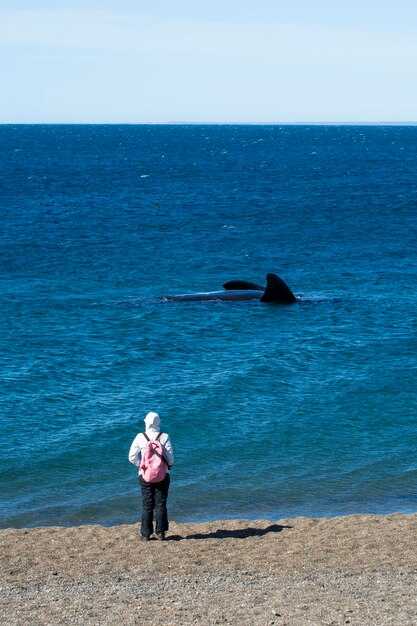
Start with a small-group launch at first light from shoreline to maximize chances of spotting fluking tails. This approach keeps you ready for tight sightlines and allows you to stay travel-ready, focused on what matters: weather, light, and quiet seas that suit wildlife viewing.
Peak activity runs from December through April, with a concentration around protected bays and submarine canyons that concentrate food and travelers. In this habitat, mothers and calves surface near shoreline, offering spouts, breaches, and long gliding dives. Operators report clear interactions with calm seas; wind and swell can reduce visibility, but on even days sightings climb.
When selecting a tour operator, consider grounds such as licensed crews, engine-speed restrictions, and strict distance rules. Respecting wildlife with quiet boats, predictable routes, and minimal wake reduces stress and improves your chances of natural behavior from marine visitors.
מה להביא לנוחות: layers that are warm, sunscreen, hat, water, binoculars, and a small, dry bag. A long-sleeve shirt and breathable fabrics keep you suitable for a full day, while a lightweight jacket protects you from wind as you launch. For a traveler intent on witnessing motion, packing a compact camera and a notepad helps capture what you observe and any fluking behavior.
On fridays, operators sometimes offer departures with a longer trek and multiple launches to balance crowds and increase odds of sightings. A steady, stable ride helps people stay alert and enjoy moments without fatigue.
In longer travel plans, merging this experience with coastal nature walks enriches understanding of how marine life fits into larger habitat. Many travelers believe that a short, focused session yields more meaningful moments than long, rushed trips. For every traveler, staying quiet and moving slowly aligns with respecting wildlife and keeps shoreline habitat intact for future visits. If you value authentic nature, plan multi-day stays that include field visits along dunes and mangrove pockets, giving people opportunities to observe seabirds, otters, and other creatures at eye level.
When is whale watching best in San José del Cabo? Seasonal windows and migrations
December through March offers best opportunities, with January and February delivering the highest probability of close encounters. Migrants travel from northern feeding grounds along a main Pacific route toward warm lagoons for breeding and calving. These months pair calm, light mornings with high activity, including breaches, tail slaps, and pectoral displays by humpbacks. You will see mothers with calves, a telltale sign of seasonal energy. Booking with expert crews adds another layer of safety and ethical means of viewing. Several species travel this corridor alongside them, increasing opportunities for observation.
Seasonal windows by month
Seasonal windows start in December and run through March, with January and February at peak. Sea state is typically calmer in dawn hours, offering clear light for spotting and photography. Booking starts months in advance, particularly for a 3-hour trek; accessible options exist for most budgets. In some years, late February ends main window as winds rise, but migration continues through late March. Crowds fluctuate with holidays, so midweek slots often provide a more relaxed experience.
Migration behaviour and practical tips
Migration signals include steady surface activity, exhalations, and tail and pectoral displays. Ethical viewing means maintaining distance and respecting speed limits to minimize disturbance, supporting natural behaviour. If youve got flexibility, choose midweek slots to reduce crowds and improve access to expert crews. For beginners, look for main ports with calm seas and predictable itineraries; this increases opportunities for close approaches without stressing wild beings. Margaritas and coastal sunsets often accompany evenings after a trek, rounding out a high-value day on shore.
Half-day vs. full-day tours: duration, pace, and what you’re likely to see
Choose half-day if limited on time; full-day if you’re committed to making the most of every moment and cover more waters across offshore spots. A half-day keeps pace easy and lets you stroll a town after, while you still net several strong looks at jumping dolphins and seabirds. That option reduces problems from fatigue and makes the experience broadly enjoyable for first‑time guests.
For a deeper, more immersive experience, a full-day cruise is more complex to arrange but yields higher chances to see more animals, including potential calves during birth season. Lunch on board helps sustain energy, and a longer day means less rushing and more sound of water down the hull as you move between spots. Participants often finish with unforgettable memories and a better sense of life in this salt‑water world. Some itineraries swing by a small park area near a marina for a quick snack.
Duration and pace at a glance
Half-day: roughly 3–4 hours on-water, with morning departures around 8:00–9:00am and a return by early afternoon. Pace stays very relaxed, making it easier to focus on a few prime spots where jumping dolphins, sea lions, and pelicans congregate. Limited on-time windows mean you’re unlikely to chase distant destinations, but you’ll cover strong, predictable harbor spots near town.
Full-day: about 6–9 hours, starting around 7:00–8:30am and including a mid-day break for lunch. You’ll cruise wider waters, move between several spots, and increase chances to see higher life forms across offshore and inshore parks. The day can be demanding but rewarding, with more opportunities to observe births and activity across different conditions. Down times are scheduled to keep guests comfortable and better prepared for long afternoons on deck.
What you’re likely to see and how to optimize
Half-day guests typically encounter quick dolphins in predictable patterns, sea lions basking on rocks, and a robust set of seabirds. You’ll get a strong, unforgettable impression of harbor life and often return with great photos from a few prime spots that fit within a limited window.
Full-day guests mix in additional wildlife, including more distant pods and varied behaviors. To optimize, listen to crew briefings, stay hydrated, and position yourself to catch wake sounds and the slap of waves as light changes. Bring sun protection and a light layer; mornings can be cool, warming by midday. This approach helps guests, whether first‑timers or seasoned participants, make the most of every moment–especially when light shifts and new opportunities arrive.
How to choose a tour operator: licenses, safety standards, and wildlife ethics
Always verify licenses and permits from state maritime authority before booking; request copies or confirm via official registry.
- Licenses and permits
- Request current business license, vessel registration, captain’s license, and liability insurance; confirm operator is registered with state maritime authority and provide contacts for verification in cabos region.
- Verify any permits for interactions with protected species and respect seasonal restrictions; avoid providers that cannot prove compliance.
- Safety standards
- Every vessel must equip PFDs for all aboard, a life ring, a functioning life raft, fire extinguisher, first aid kit, and VHF radio with backup power; crew should run a clear safety console briefing at boarding; check if there is a navigation console with GPS and escape routes.
- Ask about weather policy, man overboard drills, and daily safety log; ensure decks have non-slip surfaces to minimize problems on rough seas; ensure emergency procedures are practiced.
- Ensure decks and railings minimize slip hazards near bodies of water and that crew can respond calmly to changing conditions; this reduces noise and stress during close approaches and keeps sightings more reliable.
- Wildlife ethics and viewing practices
- Request distance guidelines (often 100 m or more for larger wild residents); enforce slow speeds and minimal engine noise to protect sightings and reduce stress.
- Demand no feeding or touching; avoid acrobatic approaches that disrupt natural behavior; prefer operators that publish a wildlife code of conduct; providing clear guidelines helps a great deal.
- Inspect whether boats maintain time limits around sensitive periods and designate pull-out point away from animals; this provides more respect for animals and their mates; if animals approach, allow them to decide to breach or surface rather than chasing them.
- thats why selecting operators with a published wildlife code matters.
- Booking considerations and extras
- Look for operators that publish environmental policies and providing real-time updates on sightings and weather; ask about allowed number of guests; bigger boats can feel busy yet may spread noise and fumes differently; some boats offer windows with clear views; others rely on open decks–check preference.
- Ask about non-swimmers accommodations; some boats offer safer seating and calmer viewing from side windows; consider a guide who can point out fin activity and explain body language of wildlife; this helps you interpret noises, fins, and acrobatic movements without stressing animals.
- Incorporate social moments after trip; margaritas or soft drinks often available on return; ensure alcohol policies align with safety guidelines.
- Provide a checklist before committing; including availability, cancellation policy, and potential refunds for bad weather or rough seas; this protects you from problems that could ruin a day on cabos waters.
- If plans come together with a responsible operator, you gain reliable sightings and calmer days on the water.
- Many options offer a great blend of guidance and flexibility, letting families, couples, or solo travelers enjoy awe-inspiring encounters without unnecessary risk.
What to bring and wear: packing list for a sea expedition
Begin with a compact, weather-sealed daypack and a waterproof liner to cover all essentials. noting that decks can be slick, pack breathable, quick-dry layers that can be combined into a single setup; a wide-brim hat helps shield your face from sun and spray. Spray against skin can feel like slapping.
Bring versatile garments designed for long hours at sea: a base of moisture-wicking tops, a couple of lightweight, fast-dry pants or shorts, and a wind- and water-resistant outer layer. Consider two outfits per person for a typical two-to-three day program, and plan for chilly mornings along arch coastlines as well as sunlit afternoons.
Clothing and layering
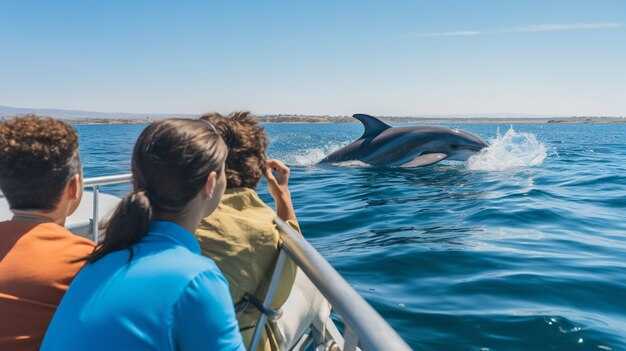
Choose pieces that move with you during calm walks on deck or quick hikes to lookouts. Known approach is to mix layers: base layer, mid-layer, and shell. High-visibility colors help you stand out in rough weather or crowded spots. born for adventure, you should also consider sun-protective fabrics with UPF 30+.
ציוד, בטיחות ותוספות
ארזו את הפריטים הבאים שיסייעו לניהול בטוח של המסע והפעולות על הסיפון. התחילו בהגנה: קרם הגנה SPF 30–50, שפתון עם SPF, משקפי שמש עם רצועה מאובטחת וכובע עם שוליים. הביאו מעיל גשם/רוח קומפקטי, שכבה חמה נוספת וגרביים יבשות. זוג נעלי מים יציבות או סנדלים סגורים מגנים על כפות הרגליים על סיפונים רטובים. כללו תיק יבש, שקיות רוכסן ותיק יום קטן לנשיאת חפצים נגד התזה. הביאו מצלמה או סמארטפון עם סוללה נוספת, כרטיסי זיכרון ובנק כוח נייד; משקפת יכולה לעזור לכם לאתר נקודות מרוחקות לאורך המסע. תאריכי הטיולים משתנים בהתאם למפעיל, ורבים מציעים חטיפים; ספק עשוי להציע עוגיות, אגוזים וחטיפי אנרגיה לאנרגיה מהירה.
למחלת ים, קחו סוכריות ג'ינג'ר או תרופה שאינה גורמת לנמנום. שמרו תעודות זהות, מזומנים וערכת עזרה ראשונה בסיסית, בתוספת מגבונים לחיטוי. ארזו חטיפים לשביל להליכה לנקודת השיגור וכמה פריטים חלופיים ליום ארוך. התחלה עם רשימת ביקורת בסיסית מאיצה את האריזה; רשימת ביקורת זו עצמה עוזרת להימנע מחוסר פריטים ושומרת על תיאום בין האנשים בקבוצה שלכם על נקודות לאורך המסע. טיפים אלה משמעותם פחות לחץ.
| פריט | Why | הערות |
|---|---|---|
| בקבוק מים (1–1.5 ליטר) | הידרציה; הימנע מהתייבשות בשמש/רוח | לעתים קרובות למלא; לשקול אבקת אלקטרוליטים |
| Sunscreen SPF 30–50 | UV protection | יש למרוח מחדש כל שעתיים |
| משקפי שמש עם רצועה | הפחתת סנוור; מאובטח על הסיפון | מקוטב מועדף |
| כובע רחב שוליים | הגנה על הפנים/צוואר | קל משקל, נושם |
| שכבות בסיס (מנדפות לחות) | ויסות טרמי | 2–3 טופס |
| מעיל גשם/רוח קל משקל | הגנה במהלך ריסוס | ניתן לאריזה |
| חולצת UV שרוול ארוך | שליטה בחשיפה לשמש | 30+ UPF |
| מכנסיים/מכנסיים קצרים (מתייבשים במהירות) | זז בתנועה חופשית; מתייבש במהירות | 2 זוגות |
| נעלי מים או סנדלים סגורים? | אחיזה והגנה על הבהונות | סוליה מונעת החלקה |
| תיקי ניילון אטומים למים או שקיות זיפלוק | שמור על מכשירים אלקטרוניים יבשים | אחד גדול, כמה קטנים |
| מצלמה/משקפת + סוללה/כרטיס זיכרון נוסף | תיעוד תצפיות; התבוננות בנקודות מרוחקות | מארז עמיד במים במידת האפשר |
| חטיפים: עוגיות, אגוזים, חטיפי אנרגיה | אנרגיה על הסיפון | קומפקטי, לא נמס |
| ערכת עזרה ראשונה ותרופות | בטיחות בסיסית | תרופה נגד בחילה: |
| חומר ניקוי ידיים ומגבונים | היגיינה | חבילות קטנות |
| תעודה מזהה, מזומן, כרטיס ביטוח | זיהוי וגישה | לשמור יבש |
צפייה בלווייתנים עם המשפחה: טיפים לילדים, נגישות ושיקולי בטיחות
מפעיל מורשה עם איש טבע על הסיפון מספק טיולים מובנים ובטוחים ומצמצם את הפרעת חיות הבר באמצעות מנועים שקטים לאורך קו החוף. ודאו עמידה בתקנות semarnat ובחרו כלי שיט המתאים למשפחות; רוב הטיולים נמשכים שעתיים-שלוש, ובדרך כלל יוצאים לדרך בבוקר כשמצב הים רגוע יותר באפריל.
למשפחות עם ילדים, אנא תכננו מסלול ידידותי לילדים: ארזו חטיפים ושתייה, שמרו על הילדים בטווח ראייה, וודאו שחגורות ההצלה מתאימות כראוי. התחילו בתדריך בטיחות קצר, סובבו מבוגרים משגיחים, ושאפו למופע רגוע וחינוכי שבונה זיכרונות עוד לפני הצפייה הראשונה.
נגישות: סירות רבות מציעות מקומות ישיבה נגישים, סיפונים רחבים וירידה ועליה נוחה; אם מעורבים עגלת ילדים או כיסא גלגלים, יש ליצור קשר עם המפעיל מראש כדי לארגן מקומות ישיבה או צפייה מהחוף באזור הלגונה; נטורליסט דובר אנגלית על הסיפון עוזר לכל האורחים להבין את התנהגות בעלי החיים ודפוסי הרבייה.
שלבי בטיחות: להישאר ישובים במהלך תנועה, להחזיק במעקות, ולשמור על מרחק של לפחות 100 מטרים מכל פעילות רבייה; לעולם אל תנסו להתקרב יותר; לעולם אל תאכילו או תיגעו בבעלי חיים; בדקו את מזג האוויר ואת הסיכון למחלת ים; שיקולי בריאות כוללים הגנה מפני השמש, שתייה מספקת ותרופות נגד מחלת ים; עבור новорождённых, העדיפו טיולים קצרים יותר או צ'רטרים פרטיים והתייעצו עם רופא במידת הצורך.
פרוטוקול סביבתי: יש לפעול על פי הנחיות נטורליסטיות, להימנע מקולות רמים ולהימנע ממרדף או רעש; יש להשליך את האשפה כראוי עם החזרה לנמל; חטיפים וארוחות שמספק המפעיל צריכים להגיע בכלים רב פעמיים כדי למזער פסולת; מתן פרשנות עדינה על המערכות האקולוגיות המקומיות עוזר לכולם להבין את תפקידם בהגנה על האזור.
הכנת ציפיות: אפריל מביא לעתים קרובות בקרים רגועים יותר ותצפיות תכופות יותר באזור קו החוף סביב בתי הגידול של הלגונה; ההכנה כוללת דפוסי מזג אוויר וימים רגועים; האורחים צריכים להביא כובעים, קרם הגנה, מים ובגדים קלים לתקופה ארוכה על הסיפון.
הערות מיוחדות: מרחקים והנחיות עשויים להשתנות בין מפעילי שיט; הקפידו לקרוא תמיד את תדריכי הבטיחות; לאחר הטיול, שתפו זיכרונות סביבתיים עם ילדים כדי לחזק פעולות מגוננות, ובבקשה הקפידו על החוקים המקומיים כדי לתמוך בתיירות אחראית, לרבות שמירה על מרחק מכבד במהלך כל פעילות רבייה והימנעות מכל הפרעה לילודים במים.
טיפים לצילום תמונות לווייתנים: ציוד, הגדרות ונהלי צפייה מכבדים
המלצה: השתמשו בעדשת טלה 300–600 מ"מ עם ייצוב אופטי ואטימות למזג אוויר, בתוספת גוף חזק; התקינו על מונופוד ליציבות כאשר כלי השיט מתגלגל. לצילומי אחר הצהריים, הביאו סוללות נוספות, כרטיסי זיכרון וכיסוי גשם קל; צלמו במהירויות מהירות כדי להקפיא התזות וזנבות, ושמרו על ISO נמוך ככל האפשר תוך שמירה על תמונה נקייה.
תצורה מומלצת: עדשת פריים 600 מ"מ או עדשת 100–400 מ"מ רב-תכליתית עם איטום מפני מזג אוויר; בחרו עדשה עם מערכת פוקוס אוטומטי מהירה ומדויקת ואמינות גבוהה בהתזה. עדשה חלופית עוזרת במקרה של שינוי בזווית; הצטיידו בחצובה חד-רגלית חזקה, או בחצובה קומפקטית במקומות המותרים, ובתיק אטום למים. מכסה עדשה עוזר להפחית סנוור בשמש אחר הצהריים הבהירה. ארזו חטיפים לשמירה על רמות אנרגיה גבוהות על הסיפון; בסיורים מורשים, plan עם מפעילים ושמרו על מרחק לאורך נקודות הבטיחות של כלי השיט תוך כיסוי זוויות שונות מבלי לדחוס את קצה הרציף.
הגדרות: השתמש בעדיפות תריס עם 1/1000–1/2000 ש' כדי להקפיא תנועה; צמצם סביב f/7.1–f/8 לעומק שדה מספיק; הגדר ISO אוטומטי עם גבול עליון 3200 (התאם בהתאם לאור). השתמש ב-AI-Servo/AF-C עם מעקב רציף; כוון לעין או למסה המרכזית של הנושאים; צלם ב-RAW וברצפים מהירים (5–10 פריימים לשנייה) כדי ללכוד רצף של זנבות, התזות או פריצות לפני השטח. קח בחשבון את האור של העונה והתאם את איזון הלבן בהתאם; משהו בלתי צפוי עשוי לקרות, אז היה מוכן להסתגל במהירות.
צפייה מכבדת: שמרו על מרחק בטוח והימנעו מלהפריע לבעלי החיים; פעלו על פי ההגבלות של מפעילי תיירות מורשים ובהתאם להנחיות המקומיות, והיו פתוחים לשינויים בתוכניות אם התנאים יחריפו. אם המרחק או הראות הופכים למאתגרים, עברו למים פתוחים לצד הקבוצה במקום לסגור על הקצה. פעלו על פי הנחיות מרחק מדורגות המסופקות על ידי מפעילי תיירות; שמרו על מנועים למטה והימנעו מתמרונים פתאומיים; מקשיב להוראות הצוות ולשמור על קצב נינוח. קחו הפסקה אם העייפות גוברת, כסו מגוון זוויות, וסובבו את תשומת הלב בין חברי הקבוצה; יש לצרוך חטיפים הרחק מחיות הבר והרחק מהמעקה. גישה זו הייתה חיונית לשימור והועילה למינים במשך שנים.
תחזוקה ונגישות: יש להשתמש בציוד הנגיש למשתמשים שונים, לשמור על ציוד מאובטח כאשר כלי השיט מתנדנד, ולכבד שינויים במזג האוויר. תמיד plan קדימה עם פעילות מורשית, הצטרפו לקבוצות מנוסות וכבדו אתוס שימור; הלך רוח זה עוזר להגן על בית הגידול תוך אספקת תמונות נקיות ועוצמתיות.
הזמנות, מדיניות ביטולים ושיקולי קיימות בלוס קאבוס
תמיד בחרו תעריפים הניתנים להחזר והזמינו דרך סוכנות, ואז אמת את חלונות הביטול לפני התשלום. השתמשו בקונסיירז' שלכם כדי להשוות אפשרויות זמינות משותפי מלון מהימנים, לצד צוות באתר שמדבר על פרטי המדיניות, ובדקו מה נדרש לבריאות ובטיחות לאחר ההזמנה. גישה זו שומרת על הנסיעה שלכם מוכנה באמת, מונעת מתח ומבטיחה חוויה בלתי נשכחת עם אותנטיות.
כל מה שחשוב לדעת לגבי הזמנות ומדיניות ביטולים
חלונות הביטול משתנים בהתאם לנכס; חפשו ביטול חינם עד 24–72 שעות לפני ההגעה ואשרו את שיטת ההחזר (זיכוי מלא, או ביטול עסקה). שאלו את הסוכן שלכם לגבי תוכניות גמישות, ובקשו מהקונסיירז' שלכם לאמת את האפשרויות הזמינות ללא קנסות. עבור מסלולי טיול מרובי שהיות, בדקו אם חלים החזרים חלקיים לאחר שינויים; קראו את האותיות הקטנות לגבי עיכובים וזיכויים. תמיד אשרו את המועד האחרון המדויק בכתב ועקבו אחר כל שינוי דרך הערוצים הרשמיים שלהם.
שיקולי קיימות למטיילים
בחרו מקומות לינה עם תוכניות ומדיניות סביבתית שמפחיתות את השימוש במים ובאנרגיה, ותומכות בשווקים ובמלאכות מקומיות לאורך החוף. גישה זו עוזרת לאותנטיות לזהור והופכת את הטיול לבלתי נשכח באמת. חפשו הנחיות לשימוש בקרם הגנה ידידותי לשונית האלמוגים, לבשו ביגוד מגן מפני השמש, וצמצמו את השימוש בפלסטיק על ידי נשיאת בקבוק רב פעמי. העדיפו סיורים הפועלים לפי שיטות אחראיות כלפי חיות הבר ופועלים בנתיבים ייעודיים ליד הקשת ובהרי הסיירה הסמוכים, כך שהנוף יישאר תוסס לאורך קילומטרים. דמיינו לעצמכם מסלול שמפחית פליטות על ידי העדפת הליכה או רכיבה על אופניים במידת האפשר, דבר התואם למטרות בריאות וסביבתיות המהדהדות עם כל מטייל; תמונות שצולמו בהסכמה מדגישות כבוד לקהילות ולטבע, וזהו עיקרון מרכזי של מסלול טיול מכבד.