


 اردو
اردو  English (UK)
  Русский
  বাংলা
বাংলা  العربية
  日本語
日本語  한국어
한국어  Magyar
  Norsk nynorsk
  Türkçe
  עִבְרִית
  Español
  Čeština
  Svenska
  Português
  Ελληνικά
  Suomi
Suomi  Nederlands
  Română
  Italiano
  Français
  Polski
  Українська
  Deutsch
  简体中文
简体中文  Slovenčina
  Српски језик
  Azərbaycan dili
  O‘zbekcha
  አማርኛ
አማርኛ 

ایک کروز وائی فائی پیکج خریدیں۔ سوار ہونے سے پہلے متوقع اخراجات کو یقینی بنانے اور جہاز پر بغیر کسی رکاوٹ کے جڑنے کے لیے۔ ان پیکجوں میں سے انتخاب کریں جو آپ کی ضروریات کے مطابق ہوں، چاہے وہ ٹیکسٹس ہوں یا اسٹریمنگ، اور انہیں سفر کے لیے اپنی بنیادی لائن کے طور پر استعمال کریں۔.
جہاز کے نیٹ ورک سے منسلک ہونے کے بعد، رومنگ پہلے سے بند رہتی ہے۔ زیادہ تر مواصلات کے لیے وائی فائی استعمال کریں اور سیلولر ڈیٹا پر صرف اس وقت سوئچ کریں جب آپ بندرگاہ پر ہوں اور ایک قابل اعتماد کیریئر نیٹ ورک۔ رابطے میں رہنے کے لیے دوستوں and fellow مسافروں, ، وائی فائی کے ذریعے ٹیکسٹ کریں اور جب آپ کے پاس ٹھوس پورٹ کوریج ہو تو صوتی کالوں کو محفوظ کریں۔ اگر آپ کو جہاز سے باہر رومنگ استعمال کرنی ہے، تو اپنے کیریئر اور بندرگاہ پر مقامی سم کے اختیارات دستیاب ہیں؛ شرحیں مختلف ہوتی ہیں، لیکن آپ ادا کر سکتے ہیں۔ ۱تیپی۴تی۵–۱تیپی۴تی۱۵ فی دن یا اس سے زیادہ ملک کے لحاظ سے۔.
آف لائن منصوبہ بندی کا کوئی مقابلہ نہیں: بحری سفر سے پہلے نقشے، بندرگاہ کے نظام الاوقات، اور اپنی پسندیدہ پلے لسٹس ڈاؤن لوڈ کریں۔ ڈیٹا کے استعمال کو کم کرنے کے لیے آف لائن وسائل استعمال کرنے کا کوئی مقابلہ نہیں؛ ڈیٹا سیور موڈز کو فعال کریں اور اپنی اسٹریمنگ ایپس میں خودکار پلے کو محدود کریں۔ یہ اقدامات آپ کے ڈیٹا بجٹ کو ضائع کیے بغیر جڑے رہنے میں مدد کرتے ہیں، جبکہ آپ کا دوستوں اور اہل خانہ فوری ردعمل کو سراہتے ہیں۔.
جہازوں پر معیار کے سگنلز مختلف ہوتے ہیں: درمیانے درجے کے پیکج عام طور پر مصروف اوقات میں 1-3 Mbps فی صارف فراہم کرتے ہیں، جبکہ پریمیم بنڈل خاموش اوقات میں 4-6 Mbps تک پہنچ سکتے ہیں۔ اگر آپ اسٹریمنگ کر رہے ہیں، تو فون پر ایپس کو 360p اور ٹیبلیٹ پر 480p پر سیٹ کریں؛ اعلیٰ ریزولیوشن محفوظ کریں۔ quality گھر پر وائی فائی کے لیے یا بندرگاہ کے دنوں میں۔ article معاونِ خصوصی نوٹ کرتا ہے کہ یہ رفتاریں بحری جہاز اور نظامِ سفر کے لحاظ سے مختلف ہوتی ہیں، اس لیے براہِ کرم جہاز کے اندرونی ایپ میں جہاز سے متعلق تازہ ترین اعداد و شمار چیک کریں۔ یہ quality سمندری نیٹ ورکس پر اتار چڑھاؤ معمول کی بات ہے۔.
اپنے گروپ کے ساتھ جُڑے رہنے کے لیے، انحصار کریں متون وائی فائی پر ٹیکسٹ اور چیٹ ایپس۔ ٹیکسٹ عام طور پر جلدی ڈیلیور ہو جاتے ہیں اور کالز اور اسٹریمنگ کے مقابلے میں بہت کم ڈیٹا استعمال کرتے ہیں۔. مسافرین ایک مربوط منصوبہ قابل تعریف ہوگا: جہاز کے ذریعہ اجازت ملنے کی صورت میں، متعدد سلسلے سے بچنے کے لیے گروپ کے ساتھ ایک ہی ڈیوائس کا ہاٹ اسپاٹ شئیر کریں۔. Only بیٹری کے استعمال اور ڈیٹا کے استعمال کو کم کرنے کے لیے ضرورت پڑنے پر کنیکٹ کریں۔.
یہ ایک عملی منصوبہ ہے جس پر آپ عمل کر سکتے ہیں: 1) ایک چنیں۔ پیکیجز طریقہ اختیار کریں؛ 2) آف لائن وسائل ڈاؤن لوڈ کریں؛ 3) بندرگاہ تک رومنگ آف رکھیں؛ 4) جہاں دستیاب ہو وہاں وائی فائی کالنگ فعال کریں؛ 5) جہاز کی ایپ میں ڈیٹا کی نگرانی کریں۔ یہ منصوبہ آپ کو حیرت سے بچائے ہوئے جڑے رہنے اور ڈیٹا کے ضیاع کو کم کرنے میں مدد دے گا۔ آپ اسے یہاں حسب ضرورت بنا سکتے ہیں۔.
مشہور سفری مصنفین اور سیلیبریٹیز سادہ چالیں: اپنا سفری پروگرام ڈاؤن لوڈ کریں، پیغامات کو ضروری حد تک محدود رکھیں متون, ، اور بندرگاہ کے دنوں کے لیے کالیں طے کریں۔ ان کا تجربہ بتاتا ہے کہ پیشگی منصوبہ بندی وقت اور پیسے کی بچت کرتی ہے اور ڈیک پر نیویگیشن کو آسان بناتی ہے۔.
بحری جہاز پر اپنا سیل فون استعمال کرنا: وائی فائی، رومنگ، ڈیٹا کی بچت؛ سمندر میں سیلولر کی وضاحت
ڈیٹا رومنگ اب بند کر دیں۔ اور جہاز کے Wi-Fi یا esims پر انحصار کریں تاکہ اخراجات کو قابو میں رکھا جا سکے۔ اس سے رومنگ چارجز آپ کو آج کی بندرگاہ کالز پر حیران نہیں کریں گے، چاہے آپ اکیلے سفر کر رہے ہوں یا اپنے کمرے میں کسی شخص کے ساتھ۔ اس بات کو یقینی بنائیں کہ آپ جانتے ہیں کہ کیا شامل ہے تاکہ آپ ہر چیز کا انتظام کر سکیں۔.
آج کی لائن آفرنگز چیک کریں۔ بہت سی کروز لائنیں فراہم کرتی ہیں۔ complimentary ریاستی کمروں اور عوامی مقامات میں رسائی دستیاب ہے، اگرچہ کوریج جہاز اور راستے کے لحاظ سے مختلف ہوتی ہے۔ عوامی جگہوں میں سگنل کے کنارے کی منصوبہ بندی کریں اور اپنے منصوبے کو ختم کیے بغیر منسلک رہنے کے لیے آف لائن ڈیٹا استعمال کریں۔.
ڈیٹا بچت کے لیے،, سرمایہ کاری کرنا عملی عادات میں: پس منظر کو محدود کریں چیکنگ, ، ایپس کو دستی فیچ پر سیٹ کریں، اور ڈاؤن لوڈ کریں۔ media اور تصاویر وائی فائی سے جڑے رہنے پر استعمال کو کم رکھیں۔ اگر آپ کوئی آلہ مشترکہ طور پر استعمال کر رہے ہیں، تو ہر شخص کی ضروریات کو ان کے اکاؤنٹس سے منسلک کر دیں تاکہ آپ اضافی اخراجات سے بچ سکیں اور برقرار رکھ سکیں۔ ای میلز منظم اور قابل رسائی جب اپ کو ان کی ضرورت ہو۔.
سمندر میں سیلولر کی وضاحت: رومنگ کے اختیارات آپ کے کیریئر اور جہاز پر منحصر ہیں، اگرچہ ای سم نیٹ ورکس کے درمیان ہموار منتقلی فراہم کر سکتے ہیں۔. چيک ڪريو آیا از سیمکارتهای الکترونیکی (eSIM) پشتیبانی میشود و چھڑانا اگر میسر ہو تو ایک پاس; اختیارات کا جائزہ لینا۔ سے پہلے تمہیں سفر کرنا مدد کرتا ہے رہنے میں۔ ان کا آپ کی ضروریات کے مطابق منصوبے اور اس سے زیادہ ادائیگی سے بچیں۔ سے زیادہ آپ یہی توقع کرتے ہیں۔.
بندرگاہ پر، آپ مقامی نیٹ ورکس پر جا سکتے ہیں۔ کوریج کے کنارے پر آپ کا connection گر سکتا ہے, اس لیے اہم رکھیں ای میلز اور گزر جاؤ کوڈز کے لیے تیار رہیں اور زیادہ استعمال کے لیے مقامی سم استعمال کرنے پر غور کریں۔ یہ طریقہ آپ کو covered اور آپ کو رہنے میں مدد کرتا ہے۔ یقینی طور پر۔ آپ بندر کی سیر کرتے ہوئے زیادہ ادائیگی نہیں کر رہے ہیں۔.
اپنے ڈیٹا کو محفوظ رکھنے کے لیے، ایک محفوظ استعمال کریں۔ connection اور بنیادی کو فعال کریں۔ تحفظ اقدامات۔ اگر آپ انعامات چاہتے ہیں تو ایسی سطریں منتخب کریں جو مہیا کرتی ہیں انعامات پروگرام اور فراہم کرنا complimentary access when possible, so you can enjoy لطف اندوز the voyage without sacrificing essential access to ای میلز یا تصاویر you need for day‑to‑day ضروریات.
Using Your Cell Phone on a Cruise: Wi-Fi, Roaming, and Data Management–What Cellular at Sea is and how it works
Set airplane mode on, then connect only to the ship’s wireless network when you need online access. This keeps data use low and prevents roaming charges while you sail, enabling texting through ship Wi-Fi.
What Cellular at Sea means: you won’t see the familiar land towers; the ship provides a private wireless network backed by satellite connectivity to access the internet. Guests connect to the onboard guest network and purchase a data plan or pay per minute. Calls may use Wi‑Fi calling or ship‑based voice services. This case keeps costs predictable while you’re on board.
Data management on board: speeds are shared among devices, and a robust onboard network supports those who need quick messages, checking emails, posting updates, or sharing photos. Typical throughput ranges from 1–5 Mbps per user at off‑peak times, with speeds dropping during busy hours. Download essential files before departure, check emails offline, and limit streaming. Use data saver modes and disable auto‑sync to reduce background traffic. For those who must post photos, use ship’s network to upload later when you have a stable connection, and coordinate with friends online to avoid extra data usage.
Roaming near port: Roaming outside the ship’s network can trigger charges, especially near beaches when you dock. Turn off roaming while at sea and use the ship’s wireless access for internet; if you need a quick check, send a message rather than place a call. You will keep a good link while you travel the world and avoid a big bill.
Booking and planning tips: Compare options before you cruise; check if a plan includes texting; identify whether the option fits your pattern of use. If you only need occasional access, a daily pass saves money; for heavy use, a robust unlimited package can be worth it. Techbuzz notes that celebritys share tips you can mirror on your trip.
| Plan type | Typical cost | Pros | Cons |
|---|---|---|---|
| Daily onboard pass | $9–$15 | Predictable, easy to manage | Data caps, slower speeds at peak times |
| Metered data (per MB) | varies by ship | Pay only for what you use | Costs can add up with background apps |
| Unlimited social/video | higher tier | Best for heavy users | May be wasted if you mainly text or check email |
What Cellular at Sea is and how ship networks differ from onshore networks
Plan ahead: purchasing a dedicated data package for the voyage and downloading photos, maps, tickets, and other content before you sail keeps your devices ready. If you have purchased a plan, you can stay within your budget and avoid big charges while at sea. This approach reduces worrying about unexpected bills and helps you stay connected for moments in ports.
Cellular at sea relies on satellite networks routed through the ship’s onboard router. This experience differs from onshore networks that connect to local cell towers, as ship connections share limited satellite bandwidth among many passengers, which yields higher latency and slower peak speeds. Streaming is often throttled, while emails and messaging stay responsive if you limit file sizes and use low‑resolution media.
Within the ship, a private Wi‑Fi network distributes the connection. In ports, you may pick up shore cellular signals briefly, but only if the operator allows roaming or you have a local plan. The transition in port may be smoother if your phone automatically selects the port’s network; check roaming settings and whether you should stay on the ship or switch to local coverage.
Strategies to stay connected without wasting data include planning with a data budget, turning off roaming by default, and using messaging apps with offline modes. Here are practical tips to apply during your cruise: On the ship, use the ship’s messaging services for quick updates, and practice sharing photos and pictures from ports when you have a stable link. For traveling between ports, consider purchasing local eSIM options if your device supports it, or use offline maps and saved routes to guide your planning. Keep devices updated and back up critical files before a day at sea so you can post later from a stable connection.
How to connect to ship Wi-Fi: access methods, login steps, and reliability tips
Connect to the ship’s Wi-Fi by selecting the network name shown in your cabin information or on the ship’s map, then open any browser to trigger the login portal. The landing page will guide you through access methods and available packages, so you can choose what fits your plans and start enjoying online activities right away.
Access methods vary: a captive portal launched in your browser, an onboard app that prompts for login, or SMS verification for guest access. Some networks let you sign in with your loyalty ID, cabin number, or a guest pass; others require you to buy a data package before you can browse. If you’re near a café or lounge, the signal may be stronger, so move there to surf more reliably.
Login steps: on connecting, load the portal, choose Guest or Loyalty, and enter the requested details (cabin and last name, or loyalty number). Pick a data package, confirm terms, and tap Start Online. You’ll likely land on a confirmation page; if you see a payment screen, complete the checkout or redeem loyalty rewards. When you’re done, log out to keep the network available for others.
Reliability tips: position yourself midship on a higher deck where signals tend to be steadier; avoid cabins with thick walls if possible. If your device supports it, switch to the best compatible band and limit the number of devices online at once. Disable a VPN during login, and turn off background apps that auto-update; streaming movies or other large files can slow the network for everyone. If a page fails to load, check onboard signals, then retry or switch to the ship’s app for access.
Data-saving and usage: plan with flexible packages and check coverage in port areas; if you’re traveling with others, consider loyalty or sharing options so one pass can serve multiple ones. Download videos or show episodes before going online, or in café areas with a stronger signal, so you can enjoy content offline. When you’re online, limit auto-play, pause cloud backups, and log out when not using to reduce data consumption. If you need help, visit the onboard support desk or ask staff near the café to guide you to the quickest login path and best access method.
Roaming on a cruise: charges, when to enable roaming, and how to minimize costs

Turn off roaming by default and rely on ship Wi‑Fi or a VOIP app over Wi‑Fi to control costs.
On most cruises, charges come from satellite connections: voice calls cost about $1–$5 per minute, texts about $0.50–$2 each, and data can run $4–$20 per MB unless purchasing a package. Ship Wi‑Fi programs offer daily, multi-day, or weekly options; calculate cost per day against your expected usage. Costs vary depending on route and package. If you enjoy staying online and sharing photos around the world, a cost-effective plan can still fit your budget by purchasing data as needed; you can also save favorite images and files for offline access. This protects your money by avoiding big roaming fees.
Enable roaming only in port when you can purchase a local SIM or access affordable Wi‑Fi; at sea keep it off. Depending on your itinerary and carrier, a cruise roaming option may exist, but rates at sea remain high. Users in your party arent aware of the exact rates, so verify before enabling roaming.
To minimize costs, rely on the ship’s data package for online needs and use offline features for photos and files. Simply set your mobile mode to airplane mode with Wi‑Fi on, so you can browse and message over the ship’s network. Download maps, images, and favorite content while on Wi‑Fi, and back up photos to the cloud only when you are online with a secure connection. Turn off auto-sync and background updates to protect data and provide added protection for online accounts. Look for the cruise line’s data program; available services and purchasing windows vary by ship and itinerary.
If you travel with a guest or as a contributor to a shared budget, align usage: set a data cap, turn off background refresh, and use a single device as a hotspot to provide connectivity for photos, images, and files that need uploading later. Guests and contributors can also avoid heavy streaming to keep costs predictable, and they can browse the world with ease.
Data-saving playbook: limits, settings, offline content, and app management
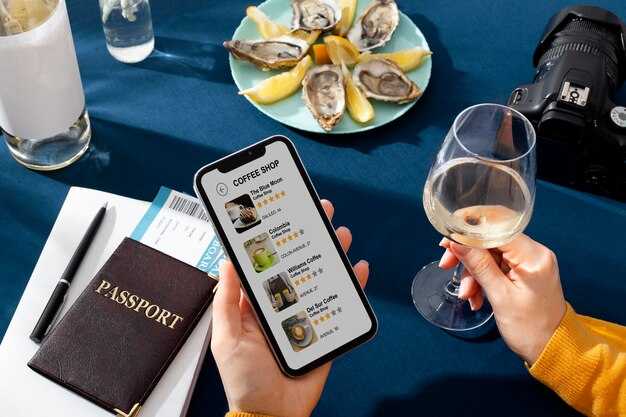
Turn off data roaming by default and download essential maps, playlists, and documents before you sail. Ship Wi‑Fi runs on a limited network and charges per megabyte, so you’ll likely save money by keeping light browsing and posting to a minimum; thanks to offline content, you can stay enjoying beaches and activities without constantly checking your bill. When you check your device, the indicator shows you’re on the ship’s network, and your offline downloads remain accessible.
Enable Data Saver mode on your device, restrict background data per app, and set updates to Wi‑Fi only. Disable auto‑updates and backups over cellular; set a daily cap of 25-50 MB for general use and reserve 100-200 MB only if you’ve purchased a plan, applying a limit for each app. Some ships offer complimentary messaging within the network; enable that as a lightweight alternative for posting and staying in touch with a favorite person.
Since you’ll often lack reliable signal between ports, pre-download your favorite podcasts, ebooks, and playlists, and save offline maps for the routes you’ll sail. In this article, you’ll find concrete steps to enable offline content and reduce data use. Use offline mode in navigation and streaming apps, so you can look up restaurant hours or movies without data. For those looking to stay connected with minimal cost, this approach is worth trying.
Review your installed apps, keeping only your favorite ones and removing the rest. Simply switch to a guest profile if you’re sharing the device, with tighter limits to avoid unexpected charges; turn off nonessential push notifications, and schedule checks so you’re not constantly monitoring usage. When you reconnect at the dock, your data can sync seamlessly, and rewards from your loyalty program could help with discounted or complimentary access during promotions.
Troubleshooting and security on cruise networks: common issues and protective practices
Disable auto-connect to open cruise wifi networks and enable roaming only on trusted networks, doing this beforehand.
On todays cruise networks, you’ll encounter issues across areas like staterooms, lounges, and edge decks. For example, a captive portal may fail to load, pages stall, or speeds drop when a large number of guests connect near water or in port areas.
- Spotty coverage in staterooms and in areas near the edge of the ship over waters, causing pages to load slowly or calls to drop.
- Captive portals fail to load after docking at port or while moving between zones.
- Slow speeds during peak hours on large networks with many users.
- کالز یا ویڈیو سٹریمز کے دوران منقطع ہونا جن کو نیٹ ورک سے دوبارہ جڑنے کی ضرورت ہوتی ہے۔.
- جہاز کے وائی فائی سے باہر کیریئر رومنگ کو فعال کرنے پر زیادہ فیسیں لاگو ہوں گی؛ سفر سے پہلے اپنے پلان کا جائزہ لیں اور جب ضرورت نہ ہو تو رومنگ بند کر دیں۔.
- آج کے سفر کے دوران، ایک مشہور شخصیت مہمان کے طور پر جڑ کر لائیو سٹریم کر سکتا ہے، جس سے ٹریفک میں اضافہ ہو سکتا ہے۔ اسی کے مطابق منصوبہ بندی کریں اور چوٹی کے اوقات میں بھاری استعمال سے گریز کریں۔.
تحفظی تدابیر
- وی پی این کے ذریعے مواد کو محفوظ بنائیں؛ وی پی این بحری جہاز کے نیٹ ورکس پر اینکرپشن کی اجازت دیتا ہے اور عوامی وائی فائی پر حساس معلومات کو زیادہ محفوظ رکھتا ہے۔.
- مشترکہ آلات پر نجی براؤزنگ کو فعال کریں یا پاس ورڈ کی خودکار تکمیل کو غیر فعال کریں۔ پاس ورڈ مینیجر مرتب کریں اور اہم اکاؤنٹس کے لیے MFA استعمال کریں۔.
- اوپن نیٹ ورکس سے از خود کنیکٹ ہونے کو بند کر دیں اور جہاز کے آفیشل لاگ ان پورٹل پر انحصار کریں۔ مشکوک پیغامات دکھانے والے آلات کو ان پلگ کریں اور جب ممکن ہو تو سیٹنگ کو پرائیویٹ پر ایڈجسٹ کریں۔.
- پس منظر کے ڈیٹا اور مطابقت پذیری کو محدود کریں؛ کروزنگ کے دوران بھاری اپ ڈیٹس سے گریز کریں؛ آج کے سفر کے لیے، ضروری مواد پہلے سے ڈاؤن لوڈ کریں۔.
- غیر محفوظ نیٹ ورکس پر ٹیکسٹنگ کرتے ہوئے محتاط رہیں؛ اینڈ-ٹو-اینڈ اینکرپٹڈ ایپس کو ترجیح دیں اور سادہ پیغامات میں حساس معلومات بھیجنے سے گریز کریں۔.
- اپنے کیریئر ایپ میں فیسوں اور ڈیٹا کے استعمال کی نگرانی کریں؛ اگر دستیاب ہو تو ڈیٹا الرٹ سیٹ کریں اور پورٹ کے لحاظ سے مخصوص منصوبہ منتخب کریں۔.
- آلات کو جدید ترین سیکیورٹی پیچز کے ساتھ اپ ڈیٹ رکھیں؛ اسٹیٹ روم کی سیٹنگ کا جائزہ لیں اور اس بات کو یقینی بنائیں کہ جہاز کا نیٹ ورک محفوظ رہے۔.
- اپنے ماحول سے باخبر رہیں اور جہاز کے کنارے پر وقت گزارنے کے بجائے، جب ممکن ہو تو مضبوط سگنل والے علاقوں میں رہیں۔.
- آج کل کی کروزنگ پر مشکوک اشارے دکھانے والے آلات کو ہمیشہ ان پلگ کریں اور اپنے مواد کو محفوظ رکھنے کے لیے قابل اعتماد نیٹ ورکس پر انحصار کریں۔.
شکریہ؛ بلاشبہ آپ کی تیاری مواد کو محفوظ رکھنے اور آج کے کروزنگ ایڈونچرز پر آپ کے سفر میں مدد کرتی ہے۔ اگر آپ کو مزید تفصیلات درکار ہیں، تو آپ کی ضروریات کے مطابق حفاظتی طریقوں کو تیار کرنے کے لیے مثال کے طور پر منظرناموں کو تلاش کیا جا سکتا ہے۔.