


 اردو
اردو  English (UK)
  Русский
  বাংলা
বাংলা  العربية
  日本語
日本語  한국어
한국어  Magyar
  Norsk nynorsk
  Türkçe
  עִבְרִית
  Español
  Čeština
  Svenska
  Português
  Ελληνικά
  Suomi
Suomi  Nederlands
  Română
  Italiano
  Français
  Polski
  Українська
  Deutsch
  简体中文
简体中文  Slovenčina
  Српски језик
  Azərbaycan dili
  O‘zbekcha
  አማርኛ
አማርኛ 
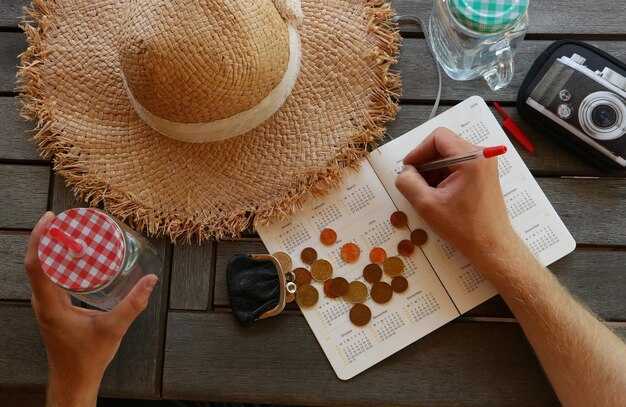
Recommendation: base your first trip in Marrakech for 4–5 days and pair it with a second city such as Fez or Essaouira. This focused start keeps you from overload and builds pleasant memories from day one. The grand energy of the medina, the stands of stalls at Jemaa el-Fnaa, and the Moroccans you meet set a popular, beginner-friendly rhythm.
Map a route that blends walking through markets with regular rest. If you are young or traveling with friends, short walks between sites keep energy high. Trains on the ONCF network connect Marrakech to Fez and Casablanca; booking online a few weeks ahead pays off, especially during holidays. Locals told me these routes are reliable for first-timers who want to minimize travel fatigue and avoid a sick pace.
In Medina markets you’ll taste fresh breads, tagines, and mint tea; the aroma of spices fills the air and becomes memories you carry home. Bargaining is part of the experience, but Moroccans would welcome fair prices. Bring cash for street stalls, but unless you plan to pay by card, keep small notes handy. For a quick, pleasant lunch, seek small cafes offering couscous or roasted chicken with salad.
Dress modestly in towns outside the big hubs and observe local etiquette. Some mosques are open to visitors on guided tours, but non-Muslims are often restricted from main prayer halls. When you enter sacred spaces, speak softly and photograph only where allowed. The warm hospitality you’ll encounter in guesthouses and cafes helps you connect with Moroccans and understand daily life.
Consider a desert or coastal detour for 2–3 days to balance city walking with calmer scenery. The Atlas mountains offer grand views and olive trees along winding roads. From Marrakech, a two- to three-hour drive brings you to valleys and dunes; these breaks turn into memories you’ll recall with a smile. For families or groups, schedule lighter days and quick breaks to avoid fatigue, and plan meals around local holidays to taste seasonal flavors.
بطورِ یک نمایاں کریں۔, treat your plan as a flexible framework: two bases, one organized tour, and space for spontaneous strolls. Holidays shift crowds, so check calendars and be ready to adjust. The vibrant دُنیا of markets, cafes, and crafts stand out when you pace your days thoughtfully. You’ll finish with a set of vivid memories that would travel with you long after the trip.
Language Strategies for a Smooth Moroccan Experience
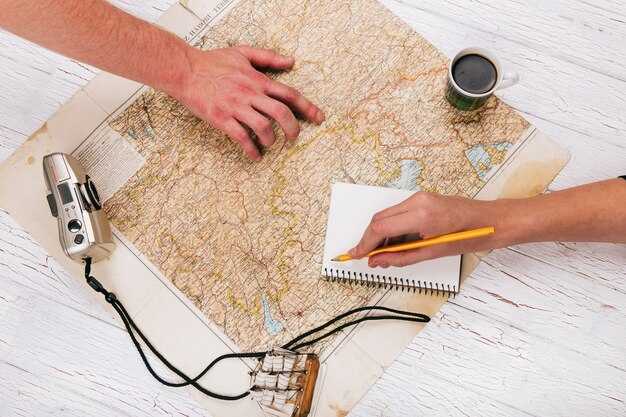
Start with a practical move: keep your front pocket phrasebook handy. Practice ten phrases in Moroccan Arabic and French before you travel. This front-loaded approach helps you enjoy conversations, arrange plans, and maintain a standard pace in daily life.
In Marrakech, a quick greeting near the Koutoubia tells a stranger you are open to help; that small moment often yields a friendly map, directions, or a warm lead to a quality spices seller. When you are visiting crowded souks, a polite tone and a smile tell vendors you respect their work and spark shared memories.
As you walked the winding lanes, you will discover how locals read your tone and respond. If a vendor offers an attractive option, consider the offering with calm questions rather than rushing; this keeps negotiations fair and builds trust. Waiting politely to compare options often yields better deals and smoother exchanges.
While exploring, you may have to wait, but a calm pace invites a better feeling and reduces misunderstandings. If a driver or guide suggests a short tour, consider it, unwind with tea, and decide what to visit next so your day flows naturally.
Useful phrases and tips:
- Keep greetings brief, and pair them with a smile to set a friendly tone.
- Ask for prices, directions, or how to arrange tickets for trains with concise questions.
- Point to items and use numbers to confirm quantities; this helps with bargaining in the average market.
- In conservative areas, pay attention to how locals dress–dresses and robes reflect tradition.
- Note landmarks like the Koutoubia to orient yourself and reduce getting lost on winding streets.
- When meeting locals, treat strangers as hosts and start with small talk about life or travels to create shared memories.
- Carry a small notebook with pattern phrases for spice sellers–asking about blends and origins helps you discover new tastes.
- Respect local etiquette at national sites; a calm, respectful approach makes visits smoother and more enjoyable.
- If you hear a pause in conversation, wait a moment and respond with gratitude; this helps conversations feel natural and less rushed.
- Use simple phrases to unwind after a long day and savor the timeless pace of life in the city.
These strategies help your trip feel genuine, front-to-back, and ensure the memories you create last beyond the visit.
15 practical Moroccan Arabic phrases for daily encounters
Salam alaykum – Hello. This simple phrase provides a warm opening that gives you confidence in conversations, giving you flexibility in encounters during your Morocco trip.
Kif dayr? – How are you? Use it to break the ice; about the day, you often hear a friendly reply that sets a comfortable tone.
Shukran – Thank you. Saying this often with a smile visibly helps hosts and vendors, and it creates goodwill in all interactions.
3afak – Please. Use 3afak when asking for directions or favors; it lowers tension in crowded places and under busy hours.
Fin kayn l-masjid? – Where is the mosque? In Chefchaouen or any other town, this phrase helps you connect with locals and locals may share land routes or tours.
Ch7al hada? – How much is this? In case you need a reference, say it plainly; tips: ask for the total and a receipt to avoid surprises.
Bghit tours – I want tours. Ask hosts or guides about the itinerary and details; many offer local experiences that blend age-old traditions with modern scents.
Ana mn Chefchaouen – I am from Chefchaouen. This background often earns hosts pride and can spark conversations about seasons, local foods, and culture; it helps you connect more deeply.
Smahli – Excuse me. Use this to pass through crowds or ask for attention; finding your way becomes smoother when you navigate politely, under shade leaves and trees around stalls.
Ma3lich – It’s okay. When plans shift or a door closes, Ma3lich keeps momentum and saves time; times and seasons change, but your tone stays respectful.
Shnu smiytk? – What’s your name? Finding someone’s name helps you start a real chat; already you feel more connected, and you may leave with memories from that initial exchange.
Tfaddal – Please proceed. Use this directly when offering a seat, starting a tour, or inviting someone to speak; it signals courtesy and keeps interactions smooth.
Kayn chi map? – Is there a map? If you have a map, you can plan rides and day tours without guesswork; this helps you land at your destinations faster.
Ma3andi mushkil – No problem. If a vendor makes a mistake or you miss a turn, this phrase keeps the conversation light; you may have spent more energy arguing than needed, so move on calmly.
Ch7al wa9t? – What time is it? Use it to coordinate times for markets, museum visits, and departure buses; ochre streets at dusk show the town’s age-old charm across seasons, and you’ll leave with local memories and pride.
French and Berber: When to use French, Arabic, or Amazigh in cities
Start by using French in hotels and museum desks, switch to Arabic for daily chats with locals in souks and lanes, and sprinkle Amazigh phrases when you’re in northern Berber communities. This blends efficiency with respect, and it keeps conversations natural even when you pause to listen to a unique local reply.
In northern cities like Tetouan, Chefchaouen, and Tangier, Amazigh phrases greet locals in smaller markets, but French signage remains common in hotels and museum spaces. In Casablanca, Rabat, and Marrakech, French generally gets you through reception desks, while street talk in Darija (Arabic) helps with directions, bargaining, and ordering foods at street stalls. Along the way you might have walked through narrow lanes, noticing how vendors mix languages to engage travellers.
For bargaining in souks and market lanes, Arabic is fastest; for museum entries or hotel check‑ins, French works smoothly; in Berber villages, Amazigh connects you with locals. Market hours vary by season, but most souks run from morning light to early evening, and signs in both French and Arabic guide you through hours and directions. If you couldnt find a vendor, taking a moment to listen and then asking again with a smile helps you connect with the seller.
Practical tips: mix languages as you move between hotels, market stalls, and museums. travellers from australia will notice the related blends of language in Morocco’s hospitality. In many souks you’ll find leather goods alongside textiles, and many travellers bought a belt after negotiating. If tours feel overbooked, choose a smaller, local guide to keep momentum and avoid crowds around a majestic backdrop.
Beyond cities, hiking in the Atlas foothills reveals expansive scenery shaped by majestic peaks and light filtering through trees; a local Amazigh guide can translate stories behind foods and traditions, giving your northern itinerary a unique rhythm. The routes you take shape your day and turn simple walks into memorable moments.
Local Etiquette: How to greet locals, address people, and show respect
Start every greeting with a warm ‘As-salamu alaykum’ and a light handshake; if the other person declines, smile, nod, and wait for cues.
مقامی لوگوں سے احترام سے مخاطب ہونے کے تین آسان طریقے: مردوں کے لیے ‘سیدی’ اور خواتین کے لیے ‘لالہ’ استعمال کریں، یا رسمی انگریزی میں ‘Mr.’/’Mrs.’؛ سوالات پوچھنے سے پہلے ہمیشہ اپنا نام اور اصل بتا کر اپنا تعارف کروائیں۔.
آنکھوں کا رابطہ معتدل رکھیں، آرام دہ فاصلے پر کھڑے ہوں، اور انگلی یا پاؤں سے اشارہ کرنے سے گریز کریں؛ جب کسی گھر میں مدعو کیا جائے تو، میزبان کے اشارے کے بعد ہی بیٹھیں اور مہمان نوازی کے طور پر ایک چھوٹا سا مشروب، ترجیحاً پودینے کی چائے وصول کریں؛ تعریفوں کا مثبت جواب دیں اور میزبان کے ہنر اور نگہداشت کا احترام کریں۔.
بازاروں میں اور جب کسی اجنبی سے ملیں تو دوستانہ انداز میں سر ہلائیں اور سمت دریافت کرنے سے پہلے ایک شائستہ سوال پوچھیں؛ اگر آپ بوٹسوانا یا کہیں اور سفر کر چکے ہیں، تو آپ کافی صبر سے کام لے سکتے ہیں – یہاں مقامی رفتار کے مطابق ڈھل جائیں، پُرسکون، باادب گفتگو کریں اور ایسے وقفے لیں جو فطری محسوس ہوں؛ اگر میزبان وضاحت کرنے میں وقت لیتا ہے، تو غور سے سنیں۔.
رباط میں، میزبان عام طور پر مہمانوں کا استقبال چائے اور ہلکی پھلکی گفتگو سے کرتے ہیں۔ اگر آپ نے شہر میں کچھ راتیں گزارنے کا ارادہ کیا ہے، تو اپنے میزبان کو ایک مختصر سفر نامہ بتائیں اور ملنے کے لیے تین اوقات تجویز کریں۔ جب آپ مہمان نوازی حاصل کریں، تو ایک چھوٹا سا کپ لیں اور چکن تاجين کی تعریف کریں، کاریگر کی مہارت کو سراہیں۔ اگر آپ دوسرے مہمانوں سے ملیں، تو اپنا مختصر تعارف کرائیں اور ان کے مشورے سننے کے لیے تیار رہیں۔.
اگر آپ فضائی راستوں سے پہنچتے ہیں، تو عملے اور میزبانوں کو بھی اتنی ہی عزت واحترام سے سلام کریں؛ جلدی تعلق قائم کرنے کے لیے اپنا لہجہ پُرسکون رکھیں اور سوالات مختصر کریں۔ مستمر سیکھنے کے لیے، مقامی آداب کے بارے میں تجاویز پر مبنی نیوز لیٹر سبسکرائب کریں تاکہ آپ کے قیام کے دوران عملی یاد دہانیاں ملتی رہیں، اور اپنے منصوبوں کو لچکدار رکھیں تاکہ آپ گھر سے دور اپنی چھٹی کے دوران موافقت اختیار کر سکیں۔.
اہم شہروں میں انگریزی بولنے والے گائیڈز اور مترجم کہاں سے ملیں؟
مراکش کے مدینہ میں ایک معتبر ایجنسی کے ذریعے لائسنس یافتہ انگریزی بولنے والے گائیڈ کی بکنگ کروائیں عشان مصالحے سے بھرپور پروگراموں کی پیشکش کے ساتھ قابلِ اعتماد، فوری مدد مل سکے۔.
مراکش، فاس، رباط، کازابلانکا، صویره اور شفشاون میں، ریاض، ہوٹل ڈیسک اور ٹرپ ایڈوائزر، گیٹ یور گائیڈ یا ویاٹر جیسے پلیٹ فارمز کے ذریعے گائیڈ تلاش کریں؛ مراکش کی وزارت سیاحت سے لائسنس کی تصدیق کریں۔ اگر آپ کو آف لائن منصوبہ بندی کی ضرورت ہے، تو پہلے سے نقشے ڈاؤن لوڈ کریں اور رابطے کی تفصیلات نوٹ کر لیں، تاکہ اگر آپ ڈیٹا کھو دیں اور اے ٹی ایم کم ہوں تو بھی آپ کسی گائیڈ تک پہنچ سکیں۔.
مراکش میں، 3-4 گھنٹے کی واکنگ ٹور کا انتخاب کریں جو آپ کو مدینہ کی دیواروں، مصالحوں کے بازاروں اور جامع الفنا کے قریب رکھے۔ ایک گائیڈ جو عام پکوان اور مقامی مصالحوں کی وضاحت کرتا ہے سیکھنے میں اضافہ کرے گا، اور وہ آپ کی رفتار کے مطابق ڈھل سکتا ہے جب آپ پہاڑیوں پر افق کو وسیع ہوتے ہوئے دیکھتے ہیں۔ گرم دنوں میں سایہ کے لیے، ایک ایسے راستے کے لیے پوچھیں جو درختوں سے جڑی سڑکوں اور سائے دار ریاض کے قریب رہے۔.
شیفشاون کے نیلے راستوں اور آس پاس کی چٹانوں کی سیر کے لیے کسی ایسے مترجم کی خدمات حاصل کرنا بہتر ہے جو آسانی سے انگریزی اور فرانسیسی میں بات کر سکے۔ قریبی ریاض کاؤنٹر آپ کو کسی ایسے گائیڈ سے ملوا سکتا ہے جو قریبی قدرتی ذخائر میں جنگلی حیات تلاش کرنے کے راستوں سے واقف ہو، اگر آپ ایک دن کی سیر کرنا چاہتے ہیں۔ بھیڑ بھاڑ والی جگہوں پر گھومنے پھرنے کی پیشکش کرنے والے اجنبیوں سے گریز کریں؛ اس کے بجائے کسی تصدیق شدہ آپریٹر کا انتخاب کریں۔.
ایسویرا اور ساحلی قصبات ایسے گائیڈز کو نوازتے ہیں جو بندرگاہ، مچھلی بازار اور فصیلوں پر موجود گلی کے موسیقاروں پر بات کر سکتے ہیں۔ عام طریقہ یہ ہے کہ اکٹھے مدینہ میں گھوما جائے، پھر نیلے بحر اوقیانوس کے نظارے کے ساتھ ایک سایہ دار کیفے میں چائے پی جائے۔ گائیڈ آپ کو دکھا سکتا ہے کہ بازار میں نمک اور مصالحے کہاں ملتے ہیں اور بعد میں آپ جو پکوان آزماتے ہیں ان کی وضاحت کر سکتا ہے۔.
کاسابلانکا اور رباط میں اکثر مقامات کے درمیان مختصر سفر کے لیے ٹیکسیوں پر انحصار کیا جاتا ہے۔ کئی گائیڈز آپ کے ساتھ رہتے ہیں اور موثر راستوں کی منصوبہ بندی کرتے ہیں۔ کافی ہموار تجربے کے لیے، دن کے لیے ایک مقررہ قیمت کی درخواست کریں اور پک اپ کے اوقات کی تصدیق کریں تاکہ آپ زیادہ خرچ نہ کریں۔ اگر آپ کا بجٹ کم ہے تو گائیڈ سے راستے کو مختصر کرنے یا آدھے دن کا آپشن دینے کے لیے کہیں۔.
اخراجات مختلف ہوتی ہیں; بیشتر آدھے دن کے دورے تقریباً 25–40 EUR میں پڑتے ہیں، پورے دن کے اختیارات تقریباً 60–100 EUR میں ہوتے ہیں، اور کچھ تجربات میں ٹرانسپورٹ شامل ہوتی ہے۔ ٹپس اور مارکیٹ کی خریداریوں کے لیے نقد رقم لائیں; ہلکے، آرام دہ جوتے، ایک ٹوپی، سن اسکرین اور پانی کی ایک چھوٹی بوتل پیک کریں۔ شہر کے آف لائن نقشے آپ کو نیویگیٹ کرنے میں مدد کرتے ہیں اور اگر آپ چاہیں تو لمبی سیر کے لیے اسنیکس لانا آسان ہے۔.
جب آپ کسی مترجم یا گائیڈ سے رابطہ کریں تو موجودہ لائسنس کی تصدیق کریں اور حالیہ جائزے پڑھیں۔ اگر آپ نے کینیا میں ٹھوس معیار دیکھے ہیں تو انہیں یہاں لاگو کریں: واضح قیمتوں کا تعین، پیشہ ورانہ طرز عمل، اور رفتار یا اسٹاپ میں تبدیلیوں کے لیے لچک۔ ہمیشہ کسی عوامی جگہ پر ملیں اور ٹرانسپورٹ حب کے قریب اجنبیوں کی پیشکشوں سے گریز کریں۔ ریاض کے دربان سے کہیں کہ وہ ایک تجویز کردہ انگریزی بولنے والے گائیڈ کا بندوبست کرے جو آپ کے شیڈول اور سیکھنے کے اہداف کے مطابق ہو۔.
ڈیجیٹل معاون: بہترین ترجمے کی ایپس اور آف لائن فقروں کی لائبریریاں
Google Translate اور Microsoft Translator انسٹال کریں، اس کے علاوہ ایک کمپیکٹ آف لائن فریز لائبریری بھی۔ مراکشی عربی (دارجہ) اور فرانسیسی کے لیے آف لائن پیک لینڈ کرنے سے پہلے ڈاؤن لوڈ کریں؛ یہ دیر سہ پہر کی مارکیٹوں، شہر کے کنارے ٹیکسیوں، یا صحارا کی خاموش گلیوں میں ڈیٹا کے بغیر ترجمہ کرے گا۔ ان ٹولز نے صدیوں سے مسافروں کی رہنمائی کی ہے، اور یہ مختلف طریقے پیش کرتے ہیں، اس لیے آپ اپنے انداز کے لیے ایک بہتر انتخاب کر سکتے ہیں۔.
ہدایات، کھانے، خریداری اور ایمرجنسی کے لیے مرکوز جملوں کے ساتھ آغاز کریں۔ ان کو جلد سیکھنے سے آپ الفاظ پر کم اور لمحے پر زیادہ توجہ مرکوز کرتے ہیں، اور آپ کو صدیوں پرانی گلیوں، چھوٹے محلوں، اور خم دار راستوں، درختوں اور پتوں والی جگہوں پر زیادہ اعتماد محسوس ہوگا۔ اگر آپ کوئی جملہ بھول جائیں تو اسکرین دکھا دیں، اور اگر آپ کو کوئی براہِ راست ترجمہ نہ ملے تو آپ قریبی لفظ کو تبدیل کر کے موافقت کر سکتے ہیں۔ بنیادی جملوں کا ایک فوری ذخیرہ آپ کو نئے ماحول میں صحیح راستہ اختیار کرنے میں مدد کرتا ہے، اور ہر گفتگو کا آغاز آسان ہو جاتا ہے۔ ہو سکتا ہے کہ آپ کو ایسے گھر بھی مل جائیں جن میں آپ جانا یا ٹھہرنا چاہیں، جس سے آپ کے دریافت کرنے کے مقامات کی فہرست میں اضافہ ہو جائے۔.
دوپہر میں فرصت کے لمحات میں، کسی کیفے میں یا بس کا انتظار کرتے ہوئے مشق کرنے کے لیے آف لائن موڈ استعمال کریں۔ یہ ٹولز مقامی لوگوں کے ساتھ غلط فہمیوں کو کم کریں گے، حفاظت کو بہتر بنائیں گے اور آپ کو تجربے سے زیادہ لطف اندوز ہونے میں مدد کریں گے۔ ایک مضبوط مجموعہ روزمرہ کی گفتگو کے لیے ایک وقف شدہ آف لائن فقروں کی لائبریری کا ہونا ہے – اسے ایک چھوٹی سی صندوق کے طور پر سوچیں جو آپ کے ساتھ بڑھتا ہے۔ یہ گفتگو کو صحیح جملہ تلاش کرنے کے ایک کھیل میں بدل دیتا ہے، چاہے آپ کسی مارکیٹ میں سودے بازی کر رہے ہوں، اگلی جگہ کے لیے ہدایات پوچھ رہے ہوں، یا صحرائی سفر کے دوران جنگلی حیات دیکھ رہے ہوں۔ اگر آپ چاہیں تو، مزید مکمل آف لائن پیکجز کو سبسکرائب کریں؛ آپ کو صحارا کے راستوں اور مختلف مقامات پر علاقائی بولیوں کی گہری کوریج مل جائے گی۔.
| ایپ | Languages | آف لائن سپورٹ | طاقتیں۔ | Limitations |
|---|---|---|---|---|
| گوگل ٹرانسلیٹ | الدارجة, الفرنسية, الإنجليزية | Yes | تیز، صوتی ان پٹ، کیمرہ ترجمہ؛ وسیع کوریج | کچھ فقرے اپ ڈیٹس پر منحصر ہوتے ہیں؛ آف لائن معیار مختلف ہوتا ہے۔ |
| مائیکروسافٹ مترجم | الدارجة, الفرنسية, الإنجليزية | Yes | مضبوط گفتگو موڈ؛ ریئل ٹائم چیٹس کے لیے بہترین | انٹرفیس کم بدیہی ہو سکتا ہے۔ |
| آف لائن فریز لائبریری ایپ | الدارجة، الفرنسية | Yes | سفر کے لیے منتخب کردہ جملے: سودے بازی، سمتیں، نقل و حمل | محدود لچک؛ تجدید اشتراک پر منحصر تازہ ترین معلومات |