


 العربية
  English (UK)
  Русский
  বাংলা
বাংলা  日本語
日本語  한국어
한국어  Magyar
  Norsk nynorsk
  Türkçe
  עִבְרִית
  Español
  Čeština
  Svenska
  Português
  Ελληνικά
  Suomi
Suomi  Nederlands
  Română
  Italiano
  Français
  Polski
  Українська
  Deutsch
  简体中文
简体中文  Slovenčina
  Српски језик
  اردو
اردو  Azərbaycan dili
  O‘zbekcha
  አማርኛ
አማርኛ 
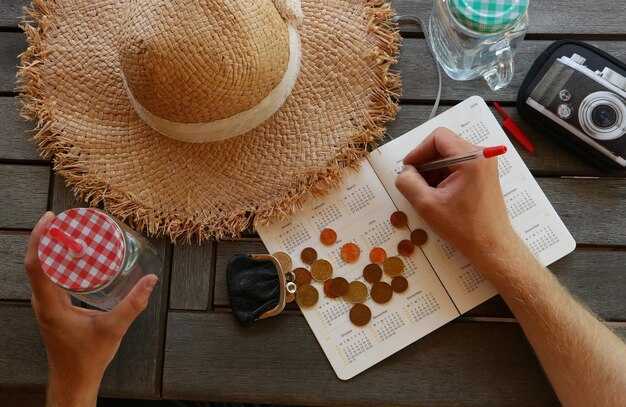
Recommendation: base your first trip in Marrakech for 4–5 days and pair it with a second city such as Fez or Essaouira. This focused start keeps you from overload and builds pleasant memories from day one. The grand energy of the medina, the stands of stalls at Jemaa el-Fnaa, and the Moroccans you meet set a popular, beginner-friendly rhythm.
Map a route that blends walking through markets with regular rest. If you are young or traveling with friends, short walks between sites keep energy high. Trains on the ONCF network connect Marrakech to Fez and Casablanca; booking online a few weeks ahead pays off, especially during holidays. Locals told me these routes are reliable for first-timers who want to minimize travel fatigue and avoid a sick pace.
In Medina markets you’ll taste fresh breads, tagines, and mint tea; the aroma of spices fills the air and becomes memories you carry home. Bargaining is part of the experience, but Moroccans would welcome fair prices. Bring cash for street stalls, but unless you plan to pay by card, keep small notes handy. For a quick, pleasant lunch, seek small cafes offering couscous or roasted chicken with salad.
Dress modestly in towns outside the big hubs and observe local etiquette. Some mosques are open to visitors on guided tours, but non-Muslims are often restricted from main prayer halls. When you enter sacred spaces, speak softly and photograph only where allowed. The warm hospitality you’ll encounter in guesthouses and cafes helps you connect with Moroccans and understand daily life.
Consider a desert or coastal detour for 2–3 days to balance city walking with calmer scenery. The Atlas mountains offer grand views and olive trees along winding roads. From Marrakech, a two- to three-hour drive brings you to valleys and dunes; these breaks turn into memories you’ll recall with a smile. For families or groups, schedule lighter days and quick breaks to avoid fatigue, and plan meals around local holidays to taste seasonal flavors.
As a highlight, treat your plan as a flexible framework: two bases, one organized tour, and space for spontaneous strolls. Holidays shift crowds, so check calendars and be ready to adjust. The vibrant worlds of markets, cafes, and crafts stand out when you pace your days thoughtfully. You’ll finish with a set of vivid memories that would travel with you long after the trip.
Language Strategies for a Smooth Moroccan Experience
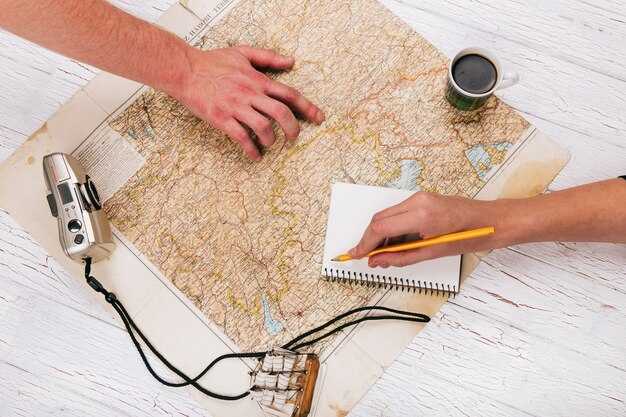
Start with a practical move: keep your front pocket phrasebook handy. Practice ten phrases in Moroccan Arabic and French before you travel. This front-loaded approach helps you enjoy conversations, arrange plans, and maintain a standard pace in daily life.
In Marrakech, a quick greeting near the Koutoubia tells a stranger you are open to help; that small moment often yields a friendly map, directions, or a warm lead to a quality spices seller. When you are visiting crowded souks, a polite tone and a smile tell vendors you respect their work and spark shared memories.
As you walked the winding lanes, you will discover how locals read your tone and respond. If a vendor offers an attractive option, consider the offering with calm questions rather than rushing; this keeps negotiations fair and builds trust. Waiting politely to compare options often yields better deals and smoother exchanges.
While exploring, you may have to wait, but a calm pace invites a better feeling and reduces misunderstandings. If a driver or guide suggests a short tour, consider it, unwind with tea, and decide what to visit next so your day flows naturally.
Useful phrases and tips:
- Keep greetings brief, and pair them with a smile to set a friendly tone.
- Ask for prices, directions, or how to arrange tickets for trains with concise questions.
- Point to items and use numbers to confirm quantities; this helps with bargaining in the average market.
- In conservative areas, pay attention to how locals dress–dresses and robes reflect tradition.
- Note landmarks like the Koutoubia to orient yourself and reduce getting lost on winding streets.
- When meeting locals, treat strangers as hosts and start with small talk about life or travels to create shared memories.
- Carry a small notebook with pattern phrases for spice sellers–asking about blends and origins helps you discover new tastes.
- Respect local etiquette at national sites; a calm, respectful approach makes visits smoother and more enjoyable.
- If you hear a pause in conversation, wait a moment and respond with gratitude; this helps conversations feel natural and less rushed.
- Use simple phrases to unwind after a long day and savor the timeless pace of life in the city.
These strategies help your trip feel genuine, front-to-back, and ensure the memories you create last beyond the visit.
15 practical Moroccan Arabic phrases for daily encounters
Salam alaykum – Hello. This simple phrase provides a warm opening that gives you confidence in conversations, giving you flexibility in encounters during your Morocco trip.
Kif dayr? – How are you? Use it to break the ice; about the day, you often hear a friendly reply that sets a comfortable tone.
Shukran – Thank you. Saying this often with a smile visibly helps hosts and vendors, and it creates goodwill in all interactions.
3afak – Please. Use 3afak when asking for directions or favors; it lowers tension in crowded places and under busy hours.
Fin kayn l-masjid? – Where is the mosque? In Chefchaouen or any other town, this phrase helps you connect with locals and locals may share land routes or tours.
Ch7al hada? – How much is this? In case you need a reference, say it plainly; tips: ask for the total and a receipt to avoid surprises.
Bghit tours – I want tours. Ask hosts or guides about the itinerary and details; many offer local experiences that blend age-old traditions with modern scents.
Ana mn Chefchaouen – I am from Chefchaouen. This background often earns hosts pride and can spark conversations about seasons, local foods, and culture; it helps you connect more deeply.
Smahli – Excuse me. Use this to pass through crowds or ask for attention; finding your way becomes smoother when you navigate politely, under shade leaves and trees around stalls.
Ma3lich – It’s okay. When plans shift or a door closes, Ma3lich keeps momentum and saves time; times and seasons change, but your tone stays respectful.
Shnu smiytk? – What’s your name? Finding someone’s name helps you start a real chat; already you feel more connected, and you may leave with memories from that initial exchange.
Tfaddal – Please proceed. Use this directly when offering a seat, starting a tour, or inviting someone to speak; it signals courtesy and keeps interactions smooth.
Kayn chi map? – Is there a map? If you have a map, you can plan rides and day tours without guesswork; this helps you land at your destinations faster.
Ma3andi mushkil – No problem. If a vendor makes a mistake or you miss a turn, this phrase keeps the conversation light; you may have spent more energy arguing than needed, so move on calmly.
Ch7al wa9t? – What time is it? Use it to coordinate times for markets, museum visits, and departure buses; ochre streets at dusk show the town’s age-old charm across seasons, and you’ll leave with local memories and pride.
French and Berber: When to use French, Arabic, or Amazigh in cities
Start by using French in hotels and museum desks, switch to Arabic for daily chats with locals in souks and lanes, and sprinkle Amazigh phrases when you’re in northern Berber communities. This blends efficiency with respect, and it keeps conversations natural even when you pause to listen to a unique local reply.
In northern cities like Tetouan, Chefchaouen, and Tangier, Amazigh phrases greet locals in smaller markets, but French signage remains common in hotels and museum spaces. In Casablanca, Rabat, and Marrakech, French generally gets you through reception desks, while street talk in Darija (Arabic) helps with directions, bargaining, and ordering foods at street stalls. Along the way you might have walked through narrow lanes, noticing how vendors mix languages to engage travellers.
For bargaining in souks and market lanes, Arabic is fastest; for museum entries or hotel check‑ins, French works smoothly; in Berber villages, Amazigh connects you with locals. Market hours vary by season, but most souks run from morning light to early evening, and signs in both French and Arabic guide you through hours and directions. If you couldnt find a vendor, taking a moment to listen and then asking again with a smile helps you connect with the seller.
Practical tips: mix languages as you move between hotels, market stalls, and museums. travellers from australia will notice the related blends of language in Morocco’s hospitality. In many souks you’ll find leather goods alongside textiles, and many travellers bought a belt after negotiating. If tours feel overbooked, choose a smaller, local guide to keep momentum and avoid crowds around a majestic backdrop.
Beyond cities, hiking in the Atlas foothills reveals expansive scenery shaped by majestic peaks and light filtering through trees; a local Amazigh guide can translate stories behind foods and traditions, giving your northern itinerary a unique rhythm. The routes you take shape your day and turn simple walks into memorable moments.
Local Etiquette: How to greet locals, address people, and show respect
Start every greeting with a warm ‘As-salamu alaykum’ and a light handshake; if the other person declines, smile, nod, and wait for cues.
Three simple ways to address locals show respect: use ‘Sidi’ for men and ‘Lalla’ for women, or ‘Mr.’/’Mrs.’ in formal English; always introduce yourself with your name and origin before asking questions.
حافظ على نبرة رسمية إلى حد ما ولكن ودودة: حافظ على التواصل البصري بشكل معتدل، وقف على مسافة مريحة، وتجنب الإشارة بإصبعك أو بقدميك؛ عند دعوتك إلى منزل، اجلس فقط بعد أن يشير المضيف بذلك، وتقبل مشروبًا صغيرًا، ويفضل أن يكون شاي بالنعناع، كعلامة على حسن الضيافة؛ استجب جيدًا للمجاملات وكرم المضيف وعنايته.
في الأسواق وعند مقابلة غريب، بادر بالترحيب بإيماءة ودودة وسؤال مهذب قبل طلب الاتجاهات؛ إذا كنت قد سافرت في بتسوانا أو أي مكان آخر، يمكنك أن تكون صبورًا جدًا - تفاعل مع الوتيرة المحلية هنا، مع كلام هادئ ومحترم وفواصل تبدو طبيعية؛ إذا استغرق المضيف وقتًا للشرح، استمع جيدًا.
في الرباط، يرحب المضيفون عادة بالضيوف بالشاي والمحادثات الخفيفة؛ إذا كنت قد خططت لبضع ليالٍ في المدينة، شارك خط سير رحلة موجز ووفر ثلاثة خيارات لمواعيد اللقاء لمضيفك؛ عندما تتلقى الضيافة، خذ فنجانًا صغيرًا وأثنِ على طاجن الدجاج، مع ملاحظة براعة الطاهي؛ إذا قابلت ضيوفًا آخرين، عرف عن نفسك بإيجاز وكن منفتحًا لتعلم نصائحهم.
إذا قدمت عبر الجو، فحيّ الطاقم والمضيفين بنفس الطاقة المليئة بالاحترام؛ حافظ على هدوء نبرتك وإيجاز أسئلتك لتتواصل بسرعة. للاستمرار في التعلم، اشترك في نشرة إخبارية تحتوي على نصائح حول الآداب المحلية لتلقي تذكيرات عملية أثناء إقامتك، وحافظ على مرونة خططك لتتمكن من التكيف خلال عطلتك بعيداً عن المنزل.
أين أجد مرشدين ومترجمين يتحدثون الإنجليزية في المدن الرئيسية
احجز مرشدًا مرخصًا يتحدث الإنجليزية عبر وكالة مرموقة في المدينة القديمة بمراكش للمساعدة الموثوقة عند الطلب مع تقديم مسارات غنية بالتوابل.
في مراكش، فاس، الرباط، الدار البيضاء، الصويرة، وشفشاون، ابحث عن مرشدين عبر رياض الفنادق، مكاتب الاستقبال بالفنادق، ومنصات مثل تريب أدفايزر، GetYourGuide، أو Viator؛ تحقق من وجود ترخيص من وزارة السياحة المغربية. إذا كنت بحاجة للتخطيط بدون اتصال بالإنترنت، قم بتنزيل الخرائط مسبقًا ودون تفاصيل الاتصال، حتى تتمكن من الوصول إلى مرشد حتى لو فقدت الاتصال بالبيانات وكانت أجهزة الصراف الآلي قليلة.
في مراكش، اختر جولة مشي مدتها 3-4 ساعات تبقيك قريبًا من أسوار المدينة القديمة وأسواق التوابل وساحة جامع الفنا. سيرشدك دليل يشرح الأطباق الشائعة والتوابل المحلية، ويمكنه التكيف مع وتيرتك بينما تراقب الأفق يتسع فوق التلال. للحصول على الظل في الأيام الحارة، اطلب مسارًا يمر في شوارع تصطف على جانبيها الأشجار وبالقرب من رياضات مظللة.
أفضل طريقة لاستكشاف الممرات الزرقاء شفشاون والمنحدرات المحيطة بها هي بصحبة مترجم يمكنه التنقل بسهولة بين الإنجليزية والفرنسية. يمكن لمكتب رياض قريب أن يوصلك بدليل يعرف طرق اكتشاف الحياة البرية في المحميات الطبيعية القريبة، إذا كنت ترغب في رحلة ليوم واحد. تجنب الغرباء الذين يعرضون جولات في الأماكن المزدحمة؛ اختر مشغلًا معتمدًا بدلاً من ذلك.
تَكافِئ الصويرة والمدن الساحلية المرشدين الذين يمكنهم مناقشة الميناء وسوق السمك وموسيقيي الشوارع على طول الأسوار. النهج الشائع هو التجول في المدينة العتيقة معًا، ثم تناول الشاي في مقهى مليء بالظل يطل على المحيط الأطلسي الأزرق. يمكن للمرشد أن يريك أين تجد الملح والتوابل في السوق ويشرح لك الأطباق التي ستجربها لاحقًا.
غالبًا ما تعتمد الدار البيضاء والرباط على سيارات الأجرة للتنقل بين المواقع لمسافات قصيرة؛ يبقى معك العديد من المرشدين ويخططون لمسارات فعالة. لتجربة سلسة إلى حد ما، اطلب سعرًا ثابتًا لليوم وحدد أوقات اصطحاب محددة حتى لا تنفق أكثر من اللازم. إذا كانت ميزانيتك محدودة للغاية، فاطلب من المرشد تقصير المسار أو تقديم خيار نصف يوم.
تتفاوت التكاليف؛ معظم الجولات نصف اليوم تكلف ما يقرب من 25-40 يورو، مع خيارات اليوم الكامل حوالي 60-100 يورو، وبعض التجارب تشمل النقل. أحضر معك نقوداً لتغطية البقشيش والمشتريات السوقية؛ وحزم أمتعة خفيفة، وأحذية مريحة، وقبعة، وواقي شمسي، وزجاجة ماء صغيرة. الحصول على خرائط غير متصلة بالإنترنت للمدينة يساعدك على التنقل، وإحضار وجبات خفيفة مفيد للمشي لمسافات طويلة إذا كنت تحب ذلك.
عند التواصل مع مترجم أو مرشد، تحقق من ترخيصه الحالي واقرأ التقييمات الحديثة. إذا رأيت معايير قوية في كينيا، فطبقها هنا: تسعير واضح، سلوك مهني، ومرونة في التغييرات في الوتيرة أو التوقفات. اجتمع دائمًا في مكان عام وتجنب عروض الغرباء بالقرب من محطات النقل؛ اطلب من موظف الاستقبال في رياض أن يرتب دليلًا موصى به يتحدث الإنجليزية ويمكنه التكيف مع جدولك الزمني وأهدافك التعليمية.
الأدوات الرقمية: أفضل تطبيقات الترجمة ومكتبات العبارات دون اتصال بالإنترنت
قم بتثبيت مترجم Google ومترجم Microsoft، بالإضافة إلى مكتبة عبارات مدمجة وغير متصلة بالإنترنت. قم بتنزيل حزم غير متصلة بالإنترنت للغة العربية المغربية (الدارجة) والفرنسية قبل الوصول؛ سيترجم هذا دون بيانات في أسواق وقت متأخر بعد الظهر، سيارات الأجرة على حافة المدينة، أو في ممرات الصحراء الهادئة. لقد أرشدت هذه الأدوات المسافرين لقرون، وهي تقدم طرقًا مختلفة، لذا يمكنك اختيار ما يناسب أسلوبك بشكل أفضل.
ابدأ بمجموعة مركزة من العبارات للاتجاهات، والوجبات، والتسوق، وحالات الطوارئ. تعلمها مبكرًا يجعلك تفكر بشكل أقل في الصياغة والمزيد في اللحظة، وستشعر بمزيد من الثقة في الشوارع القديمة، والأحياء الصغيرة، والأماكن ذات الممرات المتعرجة والأشجار والأوراق. إذا فاتتك عبارة، فاعرض الشاشة بدلاً من ذلك، وإذا لم تجد ترجمة مباشرة، يمكنك تكييفها وتبديل كلمة قريبة. صندوق سريع من العبارات الأساسية يساعدك على اتخاذ المسار الصحيح في البيئات الجديدة، ويصبح بداية كل محادثة أسهل. قد تكتشف حتى المنازل التي ترغب في زيارتها أو الإقامة فيها، مما يوسع قائمة الأماكن التي يمكنك استكشافها.
استخدم الوضع غير المتصل بالإنترنت للممارسة خلال اللحظات الهادئة في فترة ما بعد الظهيرة، في مقهى، أو أثناء انتظار الحافلة. ستعمل هذه الأدوات على تقليل سوء الفهم مع السكان المحليين، وتحسين السلامة، ومساعدتك على الاستمتاع بالتجربة بشكل كامل. مزيج قوي هو الحصول على مكتبة عبارات مخصصة غير متصلة بالإنترنت للمحادثات اليومية - فكر فيها كصندوق صغير تحمله معك ينمو. هذا يحول المحادثات إلى لعبة للعثور على العبارة الصحيحة، سواء كنت تتفاوض في السوق، أو تسأل عن الاتجاهات إلى المكان التالي، أو تكتشف الحياة البرية في رحلة صحراوية. إذا أردت، اشترك في حزم غير متصلة بالإنترنت أكثر ثراءً؛ ستجد تغطية أعمق للهجات الإقليمية عبر طرق الصحراء والأماكن المختلفة.
| تطبيق | Languages | دعم غير متصل بالإنترنت | نقاط القوة | محددات. |
|---|---|---|---|---|
| ترجمة جوجل | دارجة، فرنسية، إنجليزية | Yes | الترجمة الصوتية السريعة، الادخال الصوتي، الكاميرا؛ تغطية واسعة | تعتمد بعض العبارات على التحديثات؛ جودة الوضع دون اتصال تختلف |
| مترجم مايكروسوفت | دارجة، فرنسية، إنجليزية | Yes | وضع المحادثات القوية؛ جيد للمحادثات في الوقت الفعلي | قد تكون الواجهة أقل بديهية |
| تطبيق مكتبة عبارات غير متصل بالإنترنت | دارجة، فرنسية | Yes | عبارات مختارة للسفر: المساومة، الاتجاهات، النقل | مرونة محدودة؛ التحديثات تعتمد على الاشتراك |