


 বাংলা
বাংলা  English (UK)
  Русский
  العربية
  日本語
日本語  한국어
한국어  Magyar
  Norsk nynorsk
  Türkçe
  עִבְרִית
  Español
  Čeština
  Svenska
  Português
  Ελληνικά
  Suomi
Suomi  Nederlands
  Română
  Italiano
  Français
  Polski
  Українська
  Deutsch
  简体中文
简体中文  Slovenčina
  Српски језик
  اردو
اردو  Azərbaycan dili
  O‘zbekcha
  አማርኛ
አማርኛ 
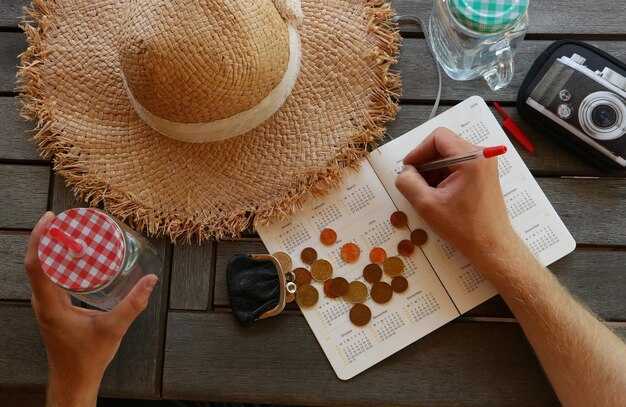
Recommendation: base your first trip in Marrakech for 4–5 days and pair it with a second city such as Fez or Essaouira. This focused start keeps you from overload and builds pleasant memories from day one. The grand energy of the medina, the stands of stalls at Jemaa el-Fnaa, and the Moroccans you meet set a popular, beginner-friendly rhythm.
Map a route that blends walking through markets with regular rest. If you are young or traveling with friends, short walks between sites keep energy high. Trains on the ONCF network connect Marrakech to Fez and Casablanca; booking online a few weeks ahead pays off, especially during holidays. Locals told me these routes are reliable for first-timers who want to minimize travel fatigue and avoid a sick pace.
In Medina markets you’ll taste fresh breads, tagines, and mint tea; the aroma of spices fills the air and becomes memories you carry home. Bargaining is part of the experience, but Moroccans would welcome fair prices. Bring cash for street stalls, but unless you plan to pay by card, keep small notes handy. For a quick, pleasant lunch, seek small cafes offering couscous or roasted chicken with salad.
Dress modestly in towns outside the big hubs and observe local etiquette. Some mosques are open to visitors on guided tours, but non-Muslims are often restricted from main prayer halls. When you enter sacred spaces, speak softly and photograph only where allowed. The warm hospitality you’ll encounter in guesthouses and cafes helps you connect with Moroccans and understand daily life.
Consider a desert or coastal detour for 2–3 days to balance city walking with calmer scenery. The Atlas mountains offer grand views and olive trees along winding roads. From Marrakech, a two- to three-hour drive brings you to valleys and dunes; these breaks turn into memories you’ll recall with a smile. For families or groups, schedule lighter days and quick breaks to avoid fatigue, and plan meals around local holidays to taste seasonal flavors.
As a হাইলাইট, treat your plan as a flexible framework: two bases, one organized tour, and space for spontaneous strolls. Holidays shift crowds, so check calendars and be ready to adjust. The vibrant পৃথিবীসমূহ of markets, cafes, and crafts stand out when you pace your days thoughtfully. You’ll finish with a set of vivid memories that would travel with you long after the trip.
Language Strategies for a Smooth Moroccan Experience
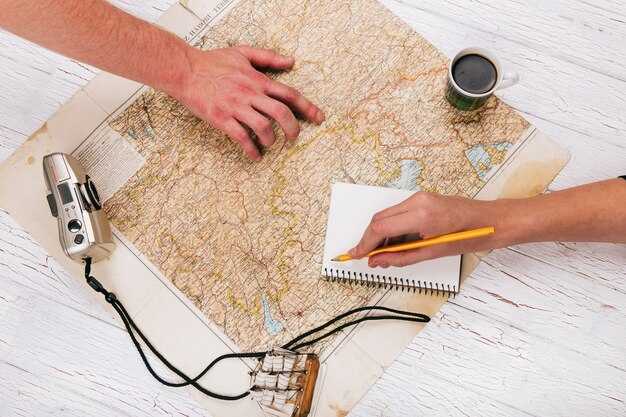
Start with a practical move: keep your front pocket phrasebook handy. Practice ten phrases in Moroccan Arabic and French before you travel. This front-loaded approach helps you enjoy conversations, arrange plans, and maintain a standard pace in daily life.
In Marrakech, a quick greeting near the Koutoubia tells a stranger you are open to help; that small moment often yields a friendly map, directions, or a warm lead to a quality spices seller. When you are visiting crowded souks, a polite tone and a smile tell vendors you respect their work and spark shared memories.
As you walked the winding lanes, you will discover how locals read your tone and respond. If a vendor offers an attractive option, consider the offering with calm questions rather than rushing; this keeps negotiations fair and builds trust. Waiting politely to compare options often yields better deals and smoother exchanges.
While exploring, you may have to wait, but a calm pace invites a better feeling and reduces misunderstandings. If a driver or guide suggests a short tour, consider it, unwind with tea, and decide what to visit next so your day flows naturally.
Useful phrases and tips:
- Keep greetings brief, and pair them with a smile to set a friendly tone.
- Ask for prices, directions, or how to arrange tickets for trains with concise questions.
- Point to items and use numbers to confirm quantities; this helps with bargaining in the average market.
- In conservative areas, pay attention to how locals dress–dresses and robes reflect tradition.
- Note landmarks like the Koutoubia to orient yourself and reduce getting lost on winding streets.
- When meeting locals, treat strangers as hosts and start with small talk about life or travels to create shared memories.
- Carry a small notebook with pattern phrases for spice sellers–asking about blends and origins helps you discover new tastes.
- Respect local etiquette at national sites; a calm, respectful approach makes visits smoother and more enjoyable.
- If you hear a pause in conversation, wait a moment and respond with gratitude; this helps conversations feel natural and less rushed.
- Use simple phrases to unwind after a long day and savor the timeless pace of life in the city.
These strategies help your trip feel genuine, front-to-back, and ensure the memories you create last beyond the visit.
15 practical Moroccan Arabic phrases for daily encounters
Salam alaykum – Hello. This simple phrase provides a warm opening that gives you confidence in conversations, giving you flexibility in encounters during your Morocco trip.
Kif dayr? – How are you? Use it to break the ice; about the day, you often hear a friendly reply that sets a comfortable tone.
Shukran – Thank you. Saying this often with a smile visibly helps hosts and vendors, and it creates goodwill in all interactions.
3afak – Please. Use 3afak when asking for directions or favors; it lowers tension in crowded places and under busy hours.
Fin kayn l-masjid? – Where is the mosque? In Chefchaouen or any other town, this phrase helps you connect with locals and locals may share land routes or tours.
Ch7al hada? – How much is this? In case you need a reference, say it plainly; tips: ask for the total and a receipt to avoid surprises.
Bghit tours – I want tours. Ask hosts or guides about the itinerary and details; many offer local experiences that blend age-old traditions with modern scents.
Ana mn Chefchaouen – I am from Chefchaouen. This background often earns hosts pride and can spark conversations about seasons, local foods, and culture; it helps you connect more deeply.
Smahli – Excuse me. Use this to pass through crowds or ask for attention; finding your way becomes smoother when you navigate politely, under shade leaves and trees around stalls.
Ma3lich – It’s okay. When plans shift or a door closes, Ma3lich keeps momentum and saves time; times and seasons change, but your tone stays respectful.
Shnu smiytk? – What’s your name? Finding someone’s name helps you start a real chat; already you feel more connected, and you may leave with memories from that initial exchange.
Tfaddal – Please proceed. Use this directly when offering a seat, starting a tour, or inviting someone to speak; it signals courtesy and keeps interactions smooth.
Kayn chi map? – Is there a map? If you have a map, you can plan rides and day tours without guesswork; this helps you land at your destinations faster.
Ma3andi mushkil – No problem. If a vendor makes a mistake or you miss a turn, this phrase keeps the conversation light; you may have spent more energy arguing than needed, so move on calmly.
Ch7al wa9t? – What time is it? Use it to coordinate times for markets, museum visits, and departure buses; ochre streets at dusk show the town’s age-old charm across seasons, and you’ll leave with local memories and pride.
French and Berber: When to use French, Arabic, or Amazigh in cities
Start by using French in hotels and museum desks, switch to Arabic for daily chats with locals in souks and lanes, and sprinkle Amazigh phrases when you’re in northern Berber communities. This blends efficiency with respect, and it keeps conversations natural even when you pause to listen to a unique local reply.
In northern cities like Tetouan, Chefchaouen, and Tangier, Amazigh phrases greet locals in smaller markets, but French signage remains common in hotels and museum spaces. In Casablanca, Rabat, and Marrakech, French generally gets you through reception desks, while street talk in Darija (Arabic) helps with directions, bargaining, and ordering foods at street stalls. Along the way you might have walked through narrow lanes, noticing how vendors mix languages to engage travellers.
For bargaining in souks and market lanes, Arabic is fastest; for museum entries or hotel check‑ins, French works smoothly; in Berber villages, Amazigh connects you with locals. Market hours vary by season, but most souks run from morning light to early evening, and signs in both French and Arabic guide you through hours and directions. If you couldnt find a vendor, taking a moment to listen and then asking again with a smile helps you connect with the seller.
Practical tips: mix languages as you move between hotels, market stalls, and museums. travellers from australia will notice the related blends of language in Morocco’s hospitality. In many souks you’ll find leather goods alongside textiles, and many travellers bought a belt after negotiating. If tours feel overbooked, choose a smaller, local guide to keep momentum and avoid crowds around a majestic backdrop.
Beyond cities, hiking in the Atlas foothills reveals expansive scenery shaped by majestic peaks and light filtering through trees; a local Amazigh guide can translate stories behind foods and traditions, giving your northern itinerary a unique rhythm. The routes you take shape your day and turn simple walks into memorable moments.
Local Etiquette: How to greet locals, address people, and show respect
Start every greeting with a warm ‘As-salamu alaykum’ and a light handshake; if the other person declines, smile, nod, and wait for cues.
Three simple ways to address locals show respect: use ‘Sidi’ for men and ‘Lalla’ for women, or ‘Mr.’/’Mrs.’ in formal English; always introduce yourself with your name and origin before asking questions.
Maintain a somewhat formal but friendly tone: keep eye contact moderate, stand at a comfortable distance, and avoid pointing with a finger or with feet; when invited into a home, take a seat only after your host gestures and receive a small drink, preferably mint tea, as a sign of hospitality; respond well to compliments and honor the host’s craftsmanship and care.
In markets and when you meet a stranger, greet with a friendly nod and a polite question before asking directions; if youve travelled in Botswana or elsewhere, you can be quite patient–adjust to the local tempo here, with calm, respectful speech and pauses that feel natural; if the host takes time to explain, listen closely.
In Rabat, hosts typically welcome guests with tea and light conversation; if youve planned a few nights in the city, share a concise itinerary and offer three options for meeting times to your host; when you receive hospitality, take a small cup and compliment the chicken tagine, noting the cook’s craftsmanship; if you meet other guests, introduce yourself briefly and stay open to learning their tips.
If you fly in via airways, greet crew and hosts with the same respectful energy; keep your tone calm and your questions brief to connect quickly. For ongoing learning, subscribe to a newsletter with local etiquette tips to receive practical reminders during your stay, and keep your plans flexible so you can adapt during your holiday away from home.
Where to find English-speaking guides and translators in key cities
Book a licensed English-speaking guide through a reputable agency in Marrakech’s medina for reliable, on-demand help with an offering of spice-rich itineraries.
In Marrakech, Fez, Rabat, Casablanca, Essaouira, and Chefchaouen, look for guides via riads, hotel desks, and platforms like TripAdvisor, GetYourGuide, or Viator; verify a license from the Moroccan Ministry of Tourism. If you need offline planning, download maps ahead of time and note the contact details, so you can reach a guide even if you lose data and the atms are scarce.
In Marrakech, choose a 3–4 hour walking tour that keeps you close to the medina walls, the spice markets, and Jemaa el-Fna. A guide who explains common dishes and the local spices will boost learning, and they can adapt to your pace as you watch the horizon widen over the hills. For shade on hot days, ask for a route that stays in tree-lined streets and near shaded riads.
Chefchaouen’s blue lanes and surrounding cliffs are best explored with a translator who can switch easily between English and French. A nearby riad desk can connect you with a guide who knows wildlife spotting routes in the nearby nature reserves, if you want a day trip. Avoid strangers offering tours at crowded spots; choose a verified operator instead.
Essaouira and coastal towns reward guides who can discuss the port, fish market, and street musicians along the ramparts. The common approach is to walk the medina together, then grab tea at a shade-filled café with a view of the blue Atlantic. The guide can show you where to find salt and spices in the market and explain the dishes you try later.
Casablanca and Rabat often rely on taxis for short hops between sites; many guides stay with you and plan efficient routes. For a quite smooth experience, request a fixed price for the day and confirm pick-up times so you don’t overspend. If you’re on a shoestring budget, ask the guide to trim the route or offer a half-day option.
Costs vary; most half-day tours cost roughly 25–40 EUR, with full-day options around 60–100 EUR, and some experiences including transport. Bring cash to cover tips and market purchases; pack light, comfortable shoes, a hat, sunscreen, and a small bottle of water. Having offline maps of the city helps you navigate, and bringing snacks is handy for longer walks if you like.
When you connect with a translator or guide, verify a current license and read recent reviews. If you’ve seen solid standards in kenya, apply them here: clear pricing, professional conduct, and flexibility for changes in pace or stops. Always meet in a public place and avoid stranger offers near transport hubs; ask the riad concierge to arrange a recommended English-speaking guide who can adjust to your schedule and learning goals.
Digital aids: Best translation apps and offline phrase libraries
Install Google Translate and Microsoft Translator, plus a compact offline phrase library. Download offline packs for Moroccan Arabic (Darija) and French before you land; this will translate without data in late afternoon markets, taxis at the edge of town, or in the Sahara’s quiet lanes. These tools have guided travelers for centuries, and they offer different approaches, so you can pick a better fit for your style.
Start with a focused set of phrases for directions, meals, shopping, and emergencies. Learning them early makes you think less about wording and more about the moment, and you will feel more confident on age-old streets, little neighborhoods, and places with winding lanes, trees, and leaves. If you miss a phrase, show the screen instead, and couldnt find a direct translation you can adapt and swap a nearby word. A quick chest of core phrases helps you take the right path in new environments, and the beginning of each conversation becomes easier. You might even discover houses you’d like to visit or stay in, expanding your list of places to explore.
Use offline mode to practice during quiet moments in the afternoon, in a cafe, or while waiting for a bus. These tools will reduce miscommunications with locals, improve safety, and help you enjoy the experience more fully. A strong combination is to have a dedicated offline phrase library for everyday chatter–think of it as a little chest you carry that grows with you. This turns conversations into a game of finding the right phrase, whether you are bargaining at a market, asking for directions to the next place, or spotting wildlife on a desert excursion. If you wish, subscribe to richer offline packs; you will have found deeper coverage of regional dialects across sahara routes and different places.
| অ্যাপ | ভাষাসমূহ | Offline support | শক্তিশালী দিকসমূহ | Limitations |
|---|---|---|---|---|
| Google Translate | Darija, French, English | হ্যাঁ। | Fast, voice input, camera translate; broad coverage | Some phrases rely on updates; offline quality varies |
| Microsoft Translator | Darija, French, English | হ্যাঁ। | Strong conversations mode; good for real-time chats | Interface can be less intuitive |
| Offline phrase library app | Darija, French | হ্যাঁ। | Curated phrases for travel: bargaining, directions, transport | Limited flexibility; updates depend on subscription |