


 اردو
اردو  English (UK)
  Русский
  বাংলা
বাংলা  العربية
  日本語
日本語  한국어
한국어  Magyar
  Norsk nynorsk
  Türkçe
  עִבְרִית
  Español
  Čeština
  Svenska
  Português
  Ελληνικά
  Suomi
Suomi  Nederlands
  Română
  Italiano
  Français
  Polski
  Українська
  Deutsch
  简体中文
简体中文  Slovenčina
  Српски језик
  Azərbaycan dili
  O‘zbekcha
  አማርኛ
አማርኛ 
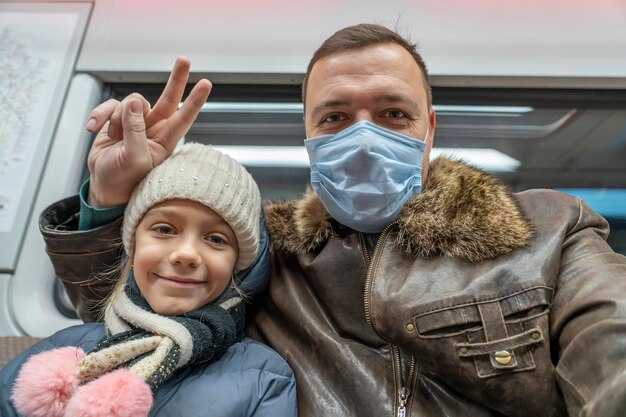
سفارش: Equip every child aged 2 and older with a well-fitting mask, preferably a pediatric N95 or snug surgical mask, and test fit before boarding the airportairplane experience. Bring at least two spare masks per child to cover duration and contingencies.
Mask options by age: For younger children (2–5), choose a child-size mask or a pediatric respirator with a soft seal; for ages 6–12, a pediatric KN95 or well-fitted adult mask can work, provided the nose clip and edges seal well and respiration remains comfortable. If a child cannot tolerate a tighter mask, consider a face shield as an adjunct while still using a mask most of the time.
On-board practices: Keep masks on during boarding, seating, and most of the flight; remove only for meals or medications, and promptly replace if damp. Follow procedural steps: wash or sanitize hands before touching masks, avoid touching the front of the mask, and store used masks in a clean bag between uses. This approach helps everyone, including younger travelers, stay protected.
Air quality and risk factors: Cabins use HEPA filtration and exchange cabin air roughly every 2–3 minutes, reducing particle concentration, a significant reduction in potential exposure. Masks remain a key layer of protection, especially for younger children who may have medical considerations; if a child has a health condition, consult a doctor before travel and carry any necessary medical documentation.
Ticketing and enrollment considerations: Check airline rules and enrollment in safety programs for families, including options for accessibility and meal service. Some carriers offer dedicated assistance at the airport for various purposes. Be aware that commercial flights follow different procedural steps across regions, so review specific policies ahead of time.
Financial planning and duration: Budget for disposable masks, a mix of reusable and disposable options, and replacements per leg of the trip. For a typical family, expect to spend a few dollars per mask and plan for extra costs on longer trips, since duration of travel increases the number of masks needed and the likelihood of replacements.
Mask maker notes and practical tips: Prefer masks from reputable makers with pediatric sizes and certified filtration; verify the liner and nose bridge design, test ear-loop tension, and ensure comfort for daily wear. Include everyone in the packing routine: designate a small kit with spare masks, wipes, sanitizer, and a storage bag so masks stay clean between uses.
Medical and practical safeguards: If a child has specific medical needs, obtain a physician’s note and review any required documentation for travel. For meals, keep shields on during service if allowed by the airline and remove masks only briefly with supervision. Effective protection relies on consistent use and clear routines for every traveler.
Mask Options and Risk Mitigation for Safe Air Travel with Kids
Start with a pediatric certification mask that fits snugly and lets kids breathe easily for the entire in-flight period; choose a minimum three-layer design, replace the mask when damp, and keep extra masks in your carry-on.
Options vary by age and comfort: virgin cotton masks with multi-layer construction for younger kids, surgical-style masks for older children, and respirator-style options for those who can wear them safely. Some masks incorporate puri filters to boost performance while staying within pediatric size, and always verify the model has proper certification and a good fit for your child; although some families prioritize comfort, ensure the filtration level remains adequate.
Fit and comfort drive protection more than the brand alone; use adjustable ear loops, nose bridge clips, or mask braces to reduce gaps and limit movement during talking or chewing. Check that the mask covers the nose and chin and that leaks appear minimal when the child breathes normally. If the fit feels off, try another option.
Risk mitigation while traveling follows a simple plan: three levels of protection–masking, cabin ventilation, and behavior. Keep the mask on during most of the flight, switch to a fresh mask if damp, and provide water to keep breath steady and reduce lip-touching. If a child has a running nose, swap to a clean mask and perform a quick break at the seat exit or during gate time before takeoff.
Evidence-based guidance and bazant research support layered protection; using a filtration mask along with proper ventilation reduces the potential inhaled dose. figure 1 on a trusted site helps you evaluate protection levels; the goal is to limit exposure rather than chase perfect filtration. This approach appears effective for both kids and adults.
Practical tips for packing and at-boarding: bring multiple masks for each child and one for adults; label each with initials; check for a snug fit by a quick breath test, and have a backup plan if a child resists wearing a mask for long stretches. Incorporate short practice sessions before the trip to build comfort and ensure smooth following of the plan.
Mask Types by Age: toddlers, school‑age children, and teens
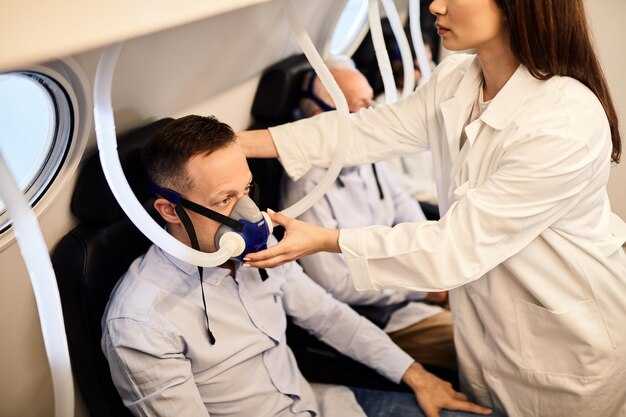
Choose kid-sized masks that fit snugly and stay worn throughout flying to protect everyone on board.
Toddlers (2–4 years) require masks that stay put without distress. Use a small, three-layer disposable or fabric mask with a soft inner layer and a flexible nose bridge. Pick options with gentle ear loops or ties; test fit at home and adjust before flying. If a mask causes distress, switch to supervised mask breaks and ensure hands are clean before handling. Keep a spare mask in a clean bag and practice hand hygiene before donning. fdas guidance emphasizes fit and comfort for pediatric masks. Recent guidance reinforces this, and the advice provides a simple approach for parents and caregivers. Watch for masks that irritate the skin or slip off too easily.
School‑age children (5–12 years) do well with a three-layer mask or a fabric mask that has a nose wire and adjustable ear loops. Look for a well‑fitting mask that covers nose and mouth with minimal gaps and sits under the chin for a secure seal. A disposable option or a reusable mask with a filter pocket adds protection, and you can rotate between options on longer trips. Ensure it remains worn during boarding, taxi, takeoff, and landing, and when the seatmate is within arm’s reach. JetBlue and other carriers provide policy guidance; follow the current rules, and carry a spare mask for longer flights. Keep hands clean before touching the mask and avoid touching the front while wearing it. These options have been adopted by many families and schools to support safer travel.
Teens (13–18 years) can use higher‑filtration options such as niosh‑approved N95 or KN95 masks when allowed, or a high‑quality three‑layer mask with a snug seal and nose bridge. Select a size that fits well and use straps securing a tight seal during talking or sipping. For glasses wearers, choose a mask with a firm nose bridge to reduce fogging. Have a back‑up mask and a small bag for soiled ones. To review the latest airline requirements, click jetblue policy.
| عمر کا گروپ | Mask Type | Fit Tips | نوٹس |
|---|---|---|---|
| Toddlers | Small 3‑layer disposable or fabric mask with nose bridge | Soft ear loops; test fit; avoid gaps at nose and cheeks | Supervise wear; carry spare; hand hygiene before handling |
| School‑age | 3‑layer disposable or reusable fabric with nose wire; adjustable ear loops | Seal at nose and chin; check with movement | Carry spare; consider filter pocket option; follow airline rules |
| Teens | niosh‑approved N95/KN95 or high‑quality 3‑ply with nose wire | Ensure tight seal; straps securing a strong fit; prevent fogging | Bring back‑up; follow crew directions; germs reduction when worn properly |
Achieving a Secure Fit for Small Faces: sizing, ear loops, nose bridge, and adjustable straps
Use a pediatric face-mask with a moldable nose bridge and adjustable straps to achieve the strictest seal on small faces. When selecting, verify the top edge sits along the nose bridge and the bottom edge extends under the chin; ensure coverage across the cheek areas. Look for three-layer quality materials and a fine inner lining. Purchase from a trusted healthcare site or retailer to avoid dirty or counterfeit products. The provided labeling should indicate pediatric sizing and a minimum filtration level for droplets protection, supporting planning for conveyances such as planes or trains.
- Sizing and nose-bridge alignment: Pick pediatric size that fits the width from cheek to cheek and sits high on the nose without pressing into the eye area. Mold the nose bridge by pinching it firmly with fingers to seal the contour, then check that the mask covers under the chin and there are no gaps along the cheeks. If the seal doesnt hold during movement, re-pinching the nose bridge and re-adjusting the ear loops.
- Ear loops and strap types: Favor masks with adjustable ear loops or a behind-the-head strap system to reduce ear discomfort and keep the seal tight on small faces. If loops pull the mask away from the nose bridge, switch to a design that allows behind-the-head anchoring. Ensure loops are not so tight that they pinch or irritate the skin.
- Adjustable strap mechanics and fit tuning: Choose models with adjustable sliders or a harness that can be tightened in quarter-turn increments to balance tension across the face. Keep the mask centered on the nose bridge and mouth as the child moves, so the fit remains stable during talking or laughing.
- Fit validation and usage checks: Perform a quick seal check by having the child gently inhale and exhale with the mask on; no air should leak from the sides. If fogging occurs on glasses or leaks persist, re-pinching the nose bridge and re-adjusting the straps is encouraged. Hand hygiene before and after handling the mask reduces contamination risk during usage.
- Maintenance, duration and hygiene: Inspect masks for wear, tears or soiling; discard if dirty or damaged. Replace after longer durations of use or if the child shows signs of breathing discomfort. Plan for purchases of extra masks before trips and store replacements in a clean, dedicated site in the carry-on to keep quality high.
اس کے علاوہ، بچوں کے مسافر ایک عملی معمول سے فائدہ اٹھاتے ہیں: واقفیت اور اعتماد پیدا کرنے کے لیے گھر پر فٹنگ کے عمل کی مشق کریں۔ بھیڑ بھاڑ والے علاقوں میں نقل و حمل کے لیے حوصلہ افزائی کی منصوبہ بندی قطرے کے ذریعے لگنے کا خدشہ کم کرتی ہے اور بچوں کی صحت کے اہداف سے ہم آہنگ ہوتی ہے۔ مقصد ایک مخصوص، مستقل ورک فلو تلاش کرنا ہے جو سفری منصوبہ بندی کے ساتھ مل کر کام کرے، جس سے خاندانوں کے لیے تجربہ آسان ہو جائے اور سفر کے تمام شعبوں میں حفاظت برقرار رہے۔.
پرواز کے دوران پروٹوکول: پہننے کی عادات، وقفے اور محفوظ طریقے سے اتارنے کے رہنما اصول
جہاز پر چڑھنے سے لے کر پہنچنے تک اچھی طرح فٹ ہونے والا ماسک پہنیں، صرف کھانے کے لیے یا جب آپ بیٹھے ہوں اور فاصلہ برقرار رکھ سکیں تو اتاریں۔ ایسے مواد کا انتخاب کریں جو چہرے کے ساتھ مضبوطی سے جڑے ہوں، نمی جذب کریں اور سانس لینے کے قابل رہیں؛ گیلے ماسک کو فوری طور پر تبدیل کریں۔ ماسک کیبن کی ترتیبات سے قطع نظر بوندوں کی نمائش کو کم کرتے ہیں، خاص طور پر کیبن کے سامنے جہاں سے بہت سے مسافر اکثر گزرتے ہیں۔.
ہر 90 سے 120 منٹ کے بعد حرکت اور پانی پینے کے لیے وقفہ لیں، خاص طور پر لمبے روٹوں پر۔ وقفوں کے دوران، قطار سے ہٹ کر پانی پئیں؛ اپنی سیٹ پر واپس آتے ہی دوبارہ پہن لیں۔ یہ طریقہ بہت سے مسافروں کی صحت اور آرام میں مدد کرتا ہے، اور ایئر لائنز کی جانب سے براہ راست اپ ڈیٹس ہر پرواز کے لیے عین وقت کی رہنمائی کر سکتی ہیں۔ پاس اور پی پی ای کو ایک ساتھ منظم کرنے کا منصوبہ بنائیں، اور اگر کیبن کا ماحول بدل جائے تو ایڈجسٹ کرنے کے لیے تیار رہیں۔.
محفوظ طریقے سے اُتارنے کے مراحل: ماسک کو چھونے سے پہلے ہاتھ دھوئیں یا سینیٹائز کریں، پٹیاں پکڑیں اور سامنے کو چھوئے بغیر ماسک کو چہرے سے ہٹا لیں۔ دوبارہ استعمال کرنے تک ماسک کو صاف آستین یا بیگ میں رکھیں، پھر سائز اور سالمیت کا معائنہ کریں؛ اگر گیلا یا کھنچا ہوا ہو تو تبدیل کریں۔ دوبارہ لگاتے وقت، اس بات کو یقینی بنائیں کہ رطوبت کے اخراج کو کم کرنے کے لیے یہ اچھی طرح سے بند ہو۔ یہ معمول پرواز کے دورانیے یا منزل سے قطع نظر، نمائش کو کم کرتا ہے۔.
nwpp اور حکومتی ایڈوائزری سے رہنمائی حاصل ہوتی ہے۔ ورجن جیسی ایئرلائنز منزل کے لحاظ سے مخصوص قوانین شائع کرتی ہیں، اور ترتیبات حب کے لحاظ سے مختلف ہو سکتی ہیں۔ تازہ ترین تقاضوں کے لیے اپنی بکنگ ایپ میں موجود آفیشل لنک چیک کریں، خاص طور پر ہوائی روٹس اور دیگر مصروف ایوی ایشن حب پر، اور اس کے مطابق ایڈجسٹ کریں۔ بچوں کے لیے موزوں سائز اور مواد متعارف کروانے سے خاندانوں کو پالیسیوں کے جلد تیار ہونے کے ساتھ اعتماد سے پرواز جاری رکھنے میں مدد مل سکتی ہے، کیا آپ تازہ ترین ورژن کو ایک ساتھ دیکھنا چاہیں گے؟
طبی پہلو اور متبادل: استثنیٰ، بچاؤ، اور دیگر سہولیات
سفر سے 10-14 دن پہلے ایئر لائن کے عملے اور اپنے ڈاکٹر سے رابطہ کریں تاکہ آپ کی طبی ضروریات کے مطابق استثنیٰ اور حفاظتی آپشنز کا بندوبست کیا جا سکے، اور سفر کے لیے دستاویزی تقاضوں کی تصدیق کریں۔ ایک طبیب کا خط ساتھ لائیں جس میں آپ کی حالت، تجویز کردہ تحفظ، اور سفر کے لیے کسی بھی تاریخ کی حد کا ذکر ہو۔ پروازوں میں تاخیر سے بچنے کے لیے چیک ان اور گیٹ پر یہ دستاویزات تیار رکھیں۔.
طبی اعتبارات آپ کے پہننے، اٹھانے اور سفر میں آپ کے وقت کی مقدار کا تعین کرتے ہیں۔ دائمی حالات، حالیہ طریقہ کار، یا امیون خدشات کے لیے، ادویات کا خلاصہ، آلات کی فہرست، اور اپنے معالج کی طرف سے ایک مختصر تفصیل ساتھ رکھیں۔ بہت سے مسافر اپنے معالج کے ساتھ خطرے کی ایک سادہ شکل استعمال کرتے ہیں تاکہ گیئر کے انتخاب میں رہنمائی حاصل کی جا سکے۔ اپنے روانگی والے ملک اور منزل کے لیے حکومتی ہدایات چیک کریں، اور کسی بھی خطے سے متعلقہ اصولوں کے بارے میں ایئر لائن سے پوچھیں۔ ایک مقبول طریقہ یہ ہے کہ عملے کے ساتھ رابطہ کریں اور سیکیورٹی سے گزرتے وقت ہوائی اڈے پر ظاہر ہونے والے انتظار کے اوقات کو کم کرنے کے لیے جلد منصوبہ بندی کریں۔.
استثنی طبی دستاویزات پر انحصار کرتی ہیں اور ائیرلائن عملے یا سرکاری حکام کے ذریعہ تصدیق سے مشروط ہیں۔ کچھ دائرہ اختیار میں لازمی جانچ پڑتال شامل ہے، لیکن صحیح دستاویزات کے ساتھ چھوٹ دی جا سکتی ہے۔ منظور ہونے پر، آپ معیاری ماسک کی بجائے شیلڈ یا ریسپریٹر استعمال کر سکتے ہیں، اور آپ کو ائیرپورٹ کے طریقہ کار کے دوران اور جہاز میں کھانے کے اوقات کے علاوہ، منتخب کردہ تحفظ پہننا جاری رکھنا چاہیے۔ بعض صورتوں میں، ایک پلاٹینم ریسپریٹر یا اسی طرح کا اعلیٰ درجے کا آپشن عملے کی طرف سے پرواز کے دوران اضافی تحفظ کے لیے فراہم یا تجویز کیا جا سکتا ہے۔ اگر اجازت ہو تو یہ آپشن مسافروں کے منصوبے کے حصے کے طور پر پیش کیا جا سکتا ہے۔.
متبادل انتظامات میں پری بورڈنگ اسسٹنس، نشستوں میں ایڈجسٹمنٹ، اور ضرورت پڑنے پر ایک پرسکون جگہ تک رسائی شامل ہے۔ تصدیق کریں کہ ایئرپورٹ/ایئرپلین سسٹم استثنیٰ سے کیسے نمٹتا ہے اور ٹرمینل پر آپ کو اپنی دستاویزات کہاں پیش کرنی ہیں۔ اگر آپ گردن کے علاقے کے لیے اضافی تحفظ کی تلاش میں ہیں، تو عملے سے بات کریں اور ایسا سامان منتخب کریں جو آرام دہ اور غیر نمایاں نظر آئے جبکہ پروازوں کے دوران تحفظ کے لیے آپ ڈھکے رہیں۔.
عملی اقدامات: دستاویزات کی نقول ڈیجیٹل اور کاغذی شکل میں ساتھ رکھیں، سفر سے پہلے ایک چھوٹا ٹیسٹ کریں، اور ایمریٹس یا دیگر کیریئرز سے نشست اور سروس کے اختیارات کی تصدیق کریں۔ پوچھیں کہ سانس لینے والے آلات کو کیسے ذخیرہ کیا جائے، استعمال کے درمیان سامان کو کیسے صاف کیا جائے، اور اگر آپ کو پرواز کے دوران طبی طریقہ کار کے لیے آلہ ہٹانے کی ضرورت ہو تو کیا کریں۔ حکومتیں اور ایئر لائنز پالیسیوں کو اپ ڈیٹ کرتی رہتی ہیں؛ باخبر رہیں اور اپنے منصوبے کو سفر کے دن کیریئر کی فراہم کردہ حتمی منظور شدہ خاکہ کے مطابق رکھیں۔ بحر اوقیانوس کے راستوں پر اکثر اضافی جانچ پڑتال ہوتی ہے، اس لیے ان پروازوں کے لیے کوریج اور مطلوبہ دستاویزات کی تصدیق کریں۔ بہت سے مسافر پروازوں پر خطرے کو کم کرنے کے لیے واضح مواصلات اور ایک سادہ منصوبے پر انحصار کرتے ہیں۔ ایمریٹس اور دیگر کیریئرز چھوٹ کے لیے مشترکہ طریقہ کار کا اشتراک کرتے ہیں، لیکن ہمیشہ اپنی پرواز کے لیے مخصوصات کی تصدیق کریں۔.
برٹش ایئرویز فیملی گائیڈلائنز: پری فلائٹ پلاننگ، آن بورڈ آداب، اور ایک ہموار سفر کے لیے مدد
سفری منصوبے کا آغاز سامان کی ترتیب اور بچوں کے لئے موزوں کیری آن سے کریں، جس میں خوراک، اسنیکس، ایک چھوٹا کھلونا اور ایک اضافی جوڑے کے لئے کافی جگہ موجود ہو۔ موسم کے لحاظ سے ایک جوڑا کپڑے اور ایک ماسک آسان رسائی میں رکھیں، نیز سیکورٹی کو تیز کرنے کے لئے مائع اشیاء کے لئے ایک چھوٹا بیگ رکھیں۔ گھر سے ہوائی اڈے جانے تک ضروری اشیاء کو فوری رسائی کے لئے ایک بیگ میں گروپوں کی شکل میں رکھیں۔.
حفاظت کی خاطر، درست فٹنگ اور گردن کی کوریج کے لیے ریسپائریٹرز کی جانچ کریں، اور بورڈنگ سے پہلے تصدیق کریں کہ ماسک درست طریقے سے پہنا گیا ہے۔ والدین اپنے بچے کے ساتھ ماسک پہننے اور آرام کو یقینی بنانے کے لیے رابطہ کریں۔ بچوں کے ساتھ پرواز کرنے والے خاندانوں کے ایک مطالعے سے پتہ چلتا ہے کہ مناسب طریقے سے فٹ ماسک، سانس لینے کے قابل کپڑوں اور والدین کی واضح رہنمائی کے امتزاج سے خطرات کم ہوتے ہیں اور تعاون بہتر ہوتا ہے، خاص طور پر طویل پروازوں والے ممالک میں۔ ماسک کا انتخاب کرتے وقت، واضح لیبلنگ والے بنانے والے اور دکان سے منتخب کریں، بشمول این آئی او ایس ایچ کے نشانات، تاکہ قدر اور قابل اعتماد کارکردگی کو یقینی بنایا جا سکے۔ ڈسپوزایبل آپشنز فوری استعمال کی پیشکش کرتے ہیں، لیکن زیادہ فضلے کو کم کرنے کے لیے طویل سفر کے لیے دوبارہ قابل استعمال منصوبہ رکھیں۔ حقیقی زندگی کے ٹرائلز کے نتائج زیادہ راحت اور ہموار اسکریننگ کی نشاندہی کرتے ہیں۔.
ہوائی جہاز میں سوار ہونے کے آداب پُرسکون معمولات اور ساتھی مسافروں کے احترام پر مبنی ہیں۔ اس عمل کے بارے میں، سیٹ بیلٹ کو ضرورت کے وقت باندھ کر رکھیں، حفاظتی قوانین کے اندر نقل و حرکت کے لیے مختصر وقفے دیں، اور منتقلی کو آسان بنانے کے لیے وائپس، خوراک اور چھوٹے کھلونے پر مشتمل ایک کٹ استعمال کریں۔ مناسب فٹنگ کے ساتھ آرام دہ ماسک کا انتخاب بچے کو تعاون کرنے میں مدد کرتا ہے، اور بغیر کسی جھنجھٹ کے اسے پہننا سب کے لیے پرواز کو بہتر بناتا ہے۔.
ہموار پرواز کے لیے تجاویز میں جلدی پہنچنا، دستیاب ہونے پر اپ گریڈ شدہ چیک ان کا انتخاب کرنا اور ضروری اشیاء کو کیری آن میں شامل کرنا شامل ہے۔ سامان میں پانی، خوراک اور متبادل لباس کے لیے کافی جگہ یقینی بنائیں۔ صحیح سیٹ کے انتخاب سے لے کر فوری طور پر تقسیم ہونے والے اسنیکس کی دکان تک، یہ طریقہ آسان ہے اور قیمت فراہم کرتا ہے۔ اگر آپ کو کوئی رکاوٹ پیش آتی ہے، تو ایک مختصر وقفہ لیں اور تازہ اسنیک اور ایک فوری گیم کے ساتھ ری سیٹ کریں۔ ایک تحقیق سے پتہ چلتا ہے کہ مختصر وقفے بچوں میں بے چینی کو کم کرتے ہیں اور مزاج کو بہتر بناتے ہیں۔ ڈسپوزایبل اشیاء سہولت فراہم کرتی ہیں، لیکن اس سے کٹ پیچیدہ نہیں ہوتی ہے۔ ری یوزایبل اشیاء کے ساتھ توازن برقرار رکھیں تاکہ قیمت زیادہ رہے۔ ہوائی اڈے سے ہوائی جہاز تک گیٹ تک ضروری اشیاء قابل رسائی رکھیں اور فوری تبدیلیوں کے لیے تیار رہیں۔.