


 Српски језик
  English (UK)
  Русский
  বাংলা
বাংলা  العربية
  日本語
日本語  한국어
한국어  Magyar
  Norsk nynorsk
  Türkçe
  עִבְרִית
  Español
  Čeština
  Svenska
  Português
  Ελληνικά
  Suomi
Suomi  Nederlands
  Română
  Italiano
  Français
  Polski
  Українська
  Deutsch
  简体中文
简体中文  Slovenčina
  اردو
اردو  Azərbaycan dili
  O‘zbekcha
  አማርኛ
አማርኛ 
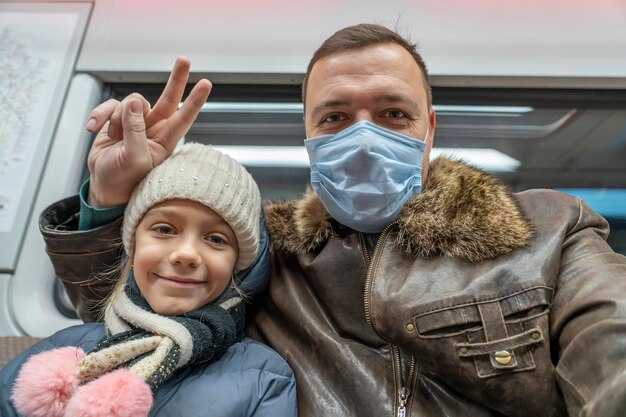
Препорука: Equip every child aged 2 and older with a well-fitting mask, preferably a pediatric N95 or snug surgical mask, and test fit before boarding the airportairplane experience. Bring at least two spare masks per child to cover duration and contingencies.
Mask options by age: For younger children (2–5), choose a child-size mask or a pediatric respirator with a soft seal; for ages 6–12, a pediatric KN95 or well-fitted adult mask can work, provided the nose clip and edges seal well and respiration remains comfortable. If a child cannot tolerate a tighter mask, consider a face shield as an adjunct while still using a mask most of the time.
On-board practices: Keep masks on during boarding, seating, and most of the flight; remove only for meals or medications, and promptly replace if damp. Follow procedural steps: wash or sanitize hands before touching masks, avoid touching the front of the mask, and store used masks in a clean bag between uses. This approach helps everyone, including younger travelers, stay protected.
Air quality and risk factors: Cabins use HEPA filtration and exchange cabin air roughly every 2–3 minutes, reducing particle concentration, a significant reduction in potential exposure. Masks remain a key layer of protection, especially for younger children who may have medical considerations; if a child has a health condition, consult a doctor before travel and carry any necessary medical documentation.
Ticketing and enrollment considerations: Check airline rules and enrollment in safety programs for families, including options for accessibility and meal service. Some carriers offer dedicated assistance at the airport for various purposes. Be aware that commercial flights follow different procedural steps across regions, so review specific policies ahead of time.
Financial planning and duration: Budget for disposable masks, a mix of reusable and disposable options, and replacements per leg of the trip. For a typical family, expect to spend a few dollars per mask and plan for extra costs on longer trips, since duration of travel increases the number of masks needed and the likelihood of replacements.
Mask maker notes and practical tips: Prefer masks from reputable makers with pediatric sizes and certified filtration; verify the liner and nose bridge design, test ear-loop tension, and ensure comfort for daily wear. Include everyone in the packing routine: designate a small kit with spare masks, wipes, sanitizer, and a storage bag so masks stay clean between uses.
Medical and practical safeguards: If a child has specific medical needs, obtain a physician’s note and review any required documentation for travel. For meals, keep shields on during service if allowed by the airline and remove masks only briefly with supervision. Effective protection relies on consistent use and clear routines for every traveler.
Mask Options and Risk Mitigation for Safe Air Travel with Kids
Start with a pediatric certification mask that fits snugly and lets kids breathe easily for the entire in-flight period; choose a minimum three-layer design, replace the mask when damp, and keep extra masks in your carry-on.
Options vary by age and comfort: virgin cotton masks with multi-layer construction for younger kids, surgical-style masks for older children, and respirator-style options for those who can wear them safely. Some masks incorporate puri filters to boost performance while staying within pediatric size, and always verify the model has proper certification and a good fit for your child; although some families prioritize comfort, ensure the filtration level remains adequate.
Fit and comfort drive protection more than the brand alone; use adjustable ear loops, nose bridge clips, or mask braces to reduce gaps and limit movement during talking or chewing. Check that the mask covers the nose and chin and that leaks appear minimal when the child breathes normally. If the fit feels off, try another option.
Risk mitigation while traveling follows a simple plan: three levels of protection–masking, cabin ventilation, and behavior. Keep the mask on during most of the flight, switch to a fresh mask if damp, and provide water to keep breath steady and reduce lip-touching. If a child has a running nose, swap to a clean mask and perform a quick break at the seat exit or during gate time before takeoff.
Evidence-based guidance and bazant research support layered protection; using a filtration mask along with proper ventilation reduces the potential inhaled dose. figure 1 on a trusted site helps you evaluate protection levels; the goal is to limit exposure rather than chase perfect filtration. This approach appears effective for both kids and adults.
Practical tips for packing and at-boarding: bring multiple masks for each child and one for adults; label each with initials; check for a snug fit by a quick breath test, and have a backup plan if a child resists wearing a mask for long stretches. Incorporate short practice sessions before the trip to build comfort and ensure smooth following of the plan.
Mask Types by Age: toddlers, school‑age children, and teens
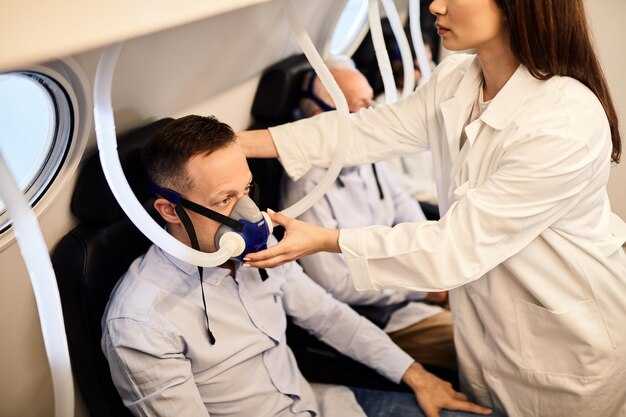
Choose kid-sized masks that fit snugly and stay worn throughout flying to protect everyone on board.
Toddlers (2–4 years) require masks that stay put without distress. Use a small, three-layer disposable or fabric mask with a soft inner layer and a flexible nose bridge. Pick options with gentle ear loops or ties; test fit at home and adjust before flying. If a mask causes distress, switch to supervised mask breaks and ensure hands are clean before handling. Keep a spare mask in a clean bag and practice hand hygiene before donning. fdas guidance emphasizes fit and comfort for pediatric masks. Recent guidance reinforces this, and the advice provides a simple approach for parents and caregivers. Watch for masks that irritate the skin or slip off too easily.
School‑age children (5–12 years) do well with a three-layer mask or a fabric mask that has a nose wire and adjustable ear loops. Look for a well‑fitting mask that covers nose and mouth with minimal gaps and sits under the chin for a secure seal. A disposable option or a reusable mask with a filter pocket adds protection, and you can rotate between options on longer trips. Ensure it remains worn during boarding, taxi, takeoff, and landing, and when the seatmate is within arm’s reach. JetBlue and other carriers provide policy guidance; follow the current rules, and carry a spare mask for longer flights. Keep hands clean before touching the mask and avoid touching the front while wearing it. These options have been adopted by many families and schools to support safer travel.
Teens (13–18 years) can use higher‑filtration options such as niosh‑approved N95 or KN95 masks when allowed, or a high‑quality three‑layer mask with a snug seal and nose bridge. Select a size that fits well and use straps securing a tight seal during talking or sipping. For glasses wearers, choose a mask with a firm nose bridge to reduce fogging. Have a back‑up mask and a small bag for soiled ones. To review the latest airline requirements, click jetblue policy.
| Узрасна група | Mask Type | Fit Tips | Белешке |
|---|---|---|---|
| Toddlers | Small 3‑layer disposable or fabric mask with nose bridge | Soft ear loops; test fit; avoid gaps at nose and cheeks | Supervise wear; carry spare; hand hygiene before handling |
| School‑age | 3‑layer disposable or reusable fabric with nose wire; adjustable ear loops | Seal at nose and chin; check with movement | Carry spare; consider filter pocket option; follow airline rules |
| Teens | niosh‑approved N95/KN95 or high‑quality 3‑ply with nose wire | Ensure tight seal; straps securing a strong fit; prevent fogging | Bring back‑up; follow crew directions; germs reduction when worn properly |
Achieving a Secure Fit for Small Faces: sizing, ear loops, nose bridge, and adjustable straps
Use a pediatric face-mask with a moldable nose bridge and adjustable straps to achieve the strictest seal on small faces. When selecting, verify the top edge sits along the nose bridge and the bottom edge extends under the chin; ensure coverage across the cheek areas. Look for three-layer quality materials and a fine inner lining. Purchase from a trusted healthcare site or retailer to avoid dirty or counterfeit products. The provided labeling should indicate pediatric sizing and a minimum filtration level for droplets protection, supporting planning for conveyances such as planes or trains.
- Sizing and nose-bridge alignment: Pick pediatric size that fits the width from cheek to cheek and sits high on the nose without pressing into the eye area. Mold the nose bridge by pinching it firmly with fingers to seal the contour, then check that the mask covers under the chin and there are no gaps along the cheeks. If the seal doesnt hold during movement, re-pinching the nose bridge and re-adjusting the ear loops.
- Ear loops and strap types: Favor masks with adjustable ear loops or a behind-the-head strap system to reduce ear discomfort and keep the seal tight on small faces. If loops pull the mask away from the nose bridge, switch to a design that allows behind-the-head anchoring. Ensure loops are not so tight that they pinch or irritate the skin.
- Adjustable strap mechanics and fit tuning: Choose models with adjustable sliders or a harness that can be tightened in quarter-turn increments to balance tension across the face. Keep the mask centered on the nose bridge and mouth as the child moves, so the fit remains stable during talking or laughing.
- Fit validation and usage checks: Perform a quick seal check by having the child gently inhale and exhale with the mask on; no air should leak from the sides. If fogging occurs on glasses or leaks persist, re-pinching the nose bridge and re-adjusting the straps is encouraged. Hand hygiene before and after handling the mask reduces contamination risk during usage.
- Maintenance, duration and hygiene: Inspect masks for wear, tears or soiling; discard if dirty or damaged. Replace after longer durations of use or if the child shows signs of breathing discomfort. Plan for purchases of extra masks before trips and store replacements in a clean, dedicated site in the carry-on to keep quality high.
Поред тога, деци путницима користи практична рутина: увежбавање процеса постављања код куће како би се изградила познатост и самопоуздање. Подстицање планирања превоза у препуним подручјима смањује могућност излагања капљицама и усклађује се са циљевима здравља деце. Циљ остаје проналажење специфичног, доследног тока посла који функционише заједно са планирањем путовања, што олакшава искуство породицама и чува безбедност на свим подручјима путовања.
Протоколи током лета: навике ношења, паузе и смернице за безбедно уклањање
Носите добро прилеглу маску од уласка до доласка, скидајући је само за време оброка или када седите и можете да одржавате растојање. Бирајте материјале који добро пристају уз лице, упијају влагу и остају прозрачни; одмах замените влажне маске. Маске смањују изложеност капљицама без обзира на подешавања у кабини, посебно у предњем делу кабине где многи путници често пролазе.
Направите паузе за кретање и хидратацију сваких 90 до 120 минута, посебно на дужим рутама. Током пауза, удаљите се од реда седишта и хидрирајте; поново ставите заштитну опрему чим се вратите на своје место. Овај приступ помаже здрављу и удобности многих путника, а ажурирања уживо од авио-компанија могу да вас усмере у вези са тачним временима за сваки лет. Имајте план за управљање пропусницама и личном заштитном опремом заједно и будите спремни да се прилагодите ако се промени окружење у кабини.
Bezbedni koraci za uklanjanje: operite ili dezinfikujte ruke pre dodirivanja maske, uhvatite trake i podignite masku sa lica bez dodirivanja prednje strane. Čuvajte masku u čistoj navlaci ili kesi do ponovne upotrebe, a zatim proverite veličinu i integritet; zamenite je ako je vlažna ili rastegljiva. Kada je ponovo stavite, obezbedite dobro prijanjanje kako biste smanjili izlazak kapljica. Ova rutina smanjuje izloženost bez obzira na dužinu leta ili destinaciju.
Смернице долазе од нвпп и владиних савета; авио-компаније као што је „Virgin“ објављују правила специфична за дестинацију, а подешавања могу да варирају у зависности од чворишта. Проверите званичну везу у апликацији за резервације за најновије захтеве, посебно на рутама за Хаваје и другим прометним авио-чвориштима, и прилагодите се у складу с тим. Увођење величина и материјала прилагођених деци може помоћи породицама да наставе да лете са поверењем како се политике буду ускоро развијале, да ли бисте желели да заједно прегледамо најновију верзију?
Медицинска разматрања и алтернативе: изузећа, заштита и друге погодности
Obratite se osoblju avio-kompanije i svom lekaru 10–14 dana pre putovanja da biste dogovorili izuzeća i zaštitne opcije koje odgovaraju vašim medicinskim potrebama i potvrdite potrebnu dokumentaciju za putovanje. Ponesite pismo od lekara u kojem se navodi vaše stanje, preporučena zaštita i sva vremenska ograničenja za putovanje. Pripremite ovu dokumentaciju na prijavi i na izlazu da biste izbegli kašnjenja na letovima.
Medicinski razlozi utiču na to šta nosite, šta nosite sa sobom i koliko dugo možete da budete u tranzitu. Ako imate hronične bolesti, nedavne procedure ili probleme sa imunitetom, nosite sa sobom rezime lekova, spisak uređaja i kratak opis od svog lekara. Mnogi putnici koriste jednostavnu procenu rizika sa svojim lekarom kako bi usmerili izbor opreme. Proverite smernice vlade za zemlju iz koje polazite i odredište, i pitajte avio-kompaniju o pravilima specifičnim za određeni region. Popularan pristup je da se koordinirate sa osobljem i planirate rano kako biste smanjili vreme čekanja koje se može pojaviti na aerodromu kada prolazite kroz obezbeđenje.
Изузеци се заснивају на медицинској документацији и подлежу провери од стране особља авио-компаније или државних органа. Неке јурисдикције укључују обавезне провере, али се изузеци могу одобрити уз одговарајућу документацију. Када буде одобрено, можете користити штитнике или респираторе уместо стандардне маске и требало би да наставите да носите изабрану заштиту током процедура на аеродрому и у авиону, изузев времена за оброке. У неким случајевима, платинасти респиратор или слична опција високог квалитета може бити обезбеђена или препоручена од стране особља ради додатне заштите током лета. Та опција се може понудити као део плана за путнике, ако је дозвољено.
Алтернативни видови смештаја укључују помоћ при укрцавању пре осталих путника, прилагођавање седишта и приступ тихом простору ако је потребно. Проверите како аеродромски систем управља изузецима и где да покажете своју документацију на терминалу. Ако тражите додатну заштиту за врат, разговарајте са особљем и одаберите опрему која изгледа удобно и ненаметљиво, док и даље остајете заштићени током лета.
Praktični koraci: nosite kopije dokumenata digitalno i na papiru, sprovedite mini-test pre putovanja i potvrdite opcije sedenja i usluge sa kompanijom Emirates ili drugim prevoznicima. Raspitajte se o tome kako da skladištite respiratorne uređaje, kako da dezinfikujete opremu između upotreba i šta da radite ako treba da uklonite uređaj za medicinsku proceduru tokom leta. Vlade i avio-kompanije nastavljaju da ažuriraju politike; budite informisani i držite se plana unutar konačnog odobrenog nacrta koji je obezbedio prevoznik na dan putovanja. Atlantske rute često imaju dodatne provere, pa proverite pokrivenost i potrebna dokumenta za te letove. Mnogi putnici se oslanjaju na jasnu komunikaciju i jednostavan plan kako bi smanjili rizik na letovima. Emirates i drugi prevoznici dele zajedničke procedure za izuzeća, ali uvek potvrdite specifičnosti za vaš let.
Smernice za porodice Britiš ervejza: planiranje pre leta, pravila ponašanja u avionu i saveti za mirno putovanje
Preporučeno planiranje pre leta počinje urednim postavljanjem prtljaga i ručnim prtljagom prilagođenim deci, uključujući dovoljno prostora za hranu, grickalice, kompaktnu igračku i rezervnu odevnu kombinaciju. Spakujte rezervnu odeću prikladnu vremenskim prilikama i masku na dohvat ruke, plus malu torbu za tečnosti da biste ubrzali obezbeđenje. Od kuće do aerodroma, držite osnovne stvari grupisane po nameni u jednoj torbi za brzi pristup.
Из безбедносних разлога, проверите да ли респиратори правилно пристају и покривају врат, и уверите се да се маска правилно носи пре укрцавања. Родитељи се координирају са дететом како би осигурали ношење маске и удобност. Студија породица које лете са децом показује да комбинације добро постављених маски, материјала који дишу и јасних родитељских смерница смањују ризике и побољшавају сарадњу, посебно у земљама са дужим летовима. При избору маски, бирајте од произвођача и продавнице са јасним означавањем, укључујући ниосх ознаке, како бисте осигурали вредност и поуздане перформансе. Опције за једнократну употребу нуде брзу употребу, али имајте план за поновну употребу за дужа путовања како бисте смањили отпад. Резултати из стварних испитивања указују на већу удобност и лакши преглед.
Bonton u avionu se zasniva na smirenim rutinama i poštovanju saputnika. Što se tiče samog procesa, držite vezan pojas kada je potrebno, ponudite kratke pauze za kretanje u okviru bezbednosnih pravila i koristite komplet sa vlažnim maramicama, hranom i malom igračkom da olakšate prelazne periode. Odabir udobne maske koja dobro pristaje pomaže detetu da bude kooperativno, a nošenje maske bez negodovanja poboljšava let za sve.
Saveti za mirniji let uključuju rani dolazak, opciju nadogradnje prijave gde je dostupna i popisivanje osnovnih stvari u ručnom prtljagu. Obezbedite dovoljno prostora u prtljagu za vodu, hranu i rezervnu odevnu kombinaciju. Od odabira pravog sedišta do opremanja prodavnice grickalicama koje se brzo dele, ovaj pristup je lakši i pruža vrednost. Ako naiđete na problem, kratko se odmorite i resetujte uz svežu užinu i brzu igru; studija pokazuje da kratke pauze smanjuju nemir i poboljšavaju raspoloženje kod dece. Predmeti za jednokratnu upotrebu nude udobnost, ali ovo ne komplikuje komplet; balans sa višekratnim izborima održava visoku vrednost. Od aerodroma do aviona do kapije, držite osnovne stvari dostupnim i spremnim za brze promene.