


 English (UK)
  Русский
  বাংলা
বাংলা  العربية
  日本語
日本語  한국어
한국어  Magyar
  Norsk nynorsk
  Türkçe
  עִבְרִית
  Español
  Čeština
  Svenska
  Português
  Ελληνικά
  Suomi
Suomi  Nederlands
  Română
  Italiano
  Français
  Polski
  Українська
  Deutsch
  简体中文
简体中文  Slovenčina
  Српски језик
  اردو
اردو  Azərbaycan dili
  O‘zbekcha
  አማርኛ
አማርኛ 
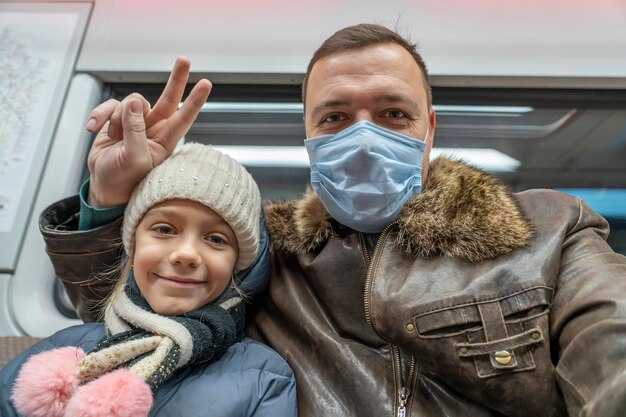
Recommendation: Equip every child aged 2 and older with a well-fitting mask, preferably a pediatric N95 or snug surgical mask, and test fit before boarding the airportairplane experience. Bring at least two spare masks per child to cover duration and contingencies.
Mask options by age: For younger children (2–5), choose a child-size mask or a pediatric respirator with a soft seal; for ages 6–12, a pediatric KN95 or well-fitted adult mask can work, provided the nose clip and edges seal well and respiration remains comfortable. If a child cannot tolerate a tighter mask, consider a face shield as an adjunct while still using a mask most of the time.
On-board practices: Keep masks on during boarding, seating, and most of the flight; remove only for meals or medications, and promptly replace if damp. Follow procedural steps: wash or sanitize hands before touching masks, avoid touching the front of the mask, and store used masks in a clean bag between uses. This approach helps everyone, including younger travelers, stay protected.
Air quality and risk factors: Cabins use HEPA filtration and exchange cabin air roughly every 2–3 minutes, reducing particle concentration, a significant reduction in potential exposure. Masks remain a key layer of protection, especially for younger children who may have medical considerations; if a child has a health condition, consult a doctor before travel and carry any necessary medical documentation.
Ticketing and enrollment considerations: Check airline rules and enrollment in safety programs for families, including options for accessibility and meal service. Some carriers offer dedicated assistance at the airport for various purposes. Be aware that commercial flights follow different procedural steps across regions, so review specific policies ahead of time.
Financial planning and duration: Budget for disposable masks, a mix of reusable and disposable options, and replacements per leg of the trip. For a typical family, expect to spend a few dollars per mask and plan for extra costs on longer trips, since duration of travel increases the number of masks needed and the likelihood of replacements.
Mask maker notes and practical tips: Prefer masks from reputable makers with pediatric sizes and certified filtration; verify the liner and nose bridge design, test ear-loop tension, and ensure comfort for daily wear. Include everyone in the packing routine: designate a small kit with spare masks, wipes, sanitizer, and a storage bag so masks stay clean between uses.
Medical and practical safeguards: If a child has specific medical needs, obtain a physician’s note and review any required documentation for travel. For meals, keep shields on during service if allowed by the airline and remove masks only briefly with supervision. Effective protection relies on consistent use and clear routines for every traveler.
Mask Options and Risk Mitigation for Safe Air Travel with Kids
Start with a pediatric certification mask that fits snugly and lets kids breathe easily for the entire in-flight period; choose a minimum three-layer design, replace the mask when damp, and keep extra masks in your carry-on.
Options vary by age and comfort: virgin cotton masks with multi-layer construction for younger kids, surgical-style masks for older children, and respirator-style options for those who can wear them safely. Some masks incorporate puri filters to boost performance while staying within pediatric size, and always verify the model has proper certification and a good fit for your child; although some families prioritize comfort, ensure the filtration level remains adequate.
Fit and comfort drive protection more than the brand alone; use adjustable ear loops, nose bridge clips, or mask braces to reduce gaps and limit movement during talking or chewing. Check that the mask covers the nose and chin and that leaks appear minimal when the child breathes normally. If the fit feels off, try another option.
Risk mitigation while traveling follows a simple plan: three levels of protection–masking, cabin ventilation, and behavior. Keep the mask on during most of the flight, switch to a fresh mask if damp, and provide water to keep breath steady and reduce lip-touching. If a child has a running nose, swap to a clean mask and perform a quick break at the seat exit or during gate time before takeoff.
Evidence-based guidance and bazant research support layered protection; using a filtration mask along with proper ventilation reduces the potential inhaled dose. figure 1 on a trusted site helps you evaluate protection levels; the goal is to limit exposure rather than chase perfect filtration. This approach appears effective for both kids and adults.
Practical tips for packing and at-boarding: bring multiple masks for each child and one for adults; label each with initials; check for a snug fit by a quick breath test, and have a backup plan if a child resists wearing a mask for long stretches. Incorporate short practice sessions before the trip to build comfort and ensure smooth following of the plan.
Mask Types by Age: toddlers, school‑age children, and teens
Choose kid-sized masks that fit snugly and stay worn throughout flying to protect everyone on board.
Toddlers (2–4 years) require masks that stay put without distress. Use a small, three-layer disposable or fabric mask with a soft inner layer and a flexible nose bridge. Pick options with gentle ear loops or ties; test fit at home and adjust before flying. If a mask causes distress, switch to supervised mask breaks and ensure hands are clean before handling. Keep a spare mask in a clean bag and practice hand hygiene before donning. fdas guidance emphasizes fit and comfort for pediatric masks. Recent guidance reinforces this, and the advice provides a simple approach for parents and caregivers. Watch for masks that irritate the skin or slip off too easily.
School‑age children (5–12 years) do well with a three-layer mask or a fabric mask that has a nose wire and adjustable ear loops. Look for a well‑fitting mask that covers nose and mouth with minimal gaps and sits under the chin for a secure seal. A disposable option or a reusable mask with a filter pocket adds protection, and you can rotate between options on longer trips. Ensure it remains worn during boarding, taxi, takeoff, and landing, and when the seatmate is within arm’s reach. JetBlue and other carriers provide policy guidance; follow the current rules, and carry a spare mask for longer flights. Keep hands clean before touching the mask and avoid touching the front while wearing it. These options have been adopted by many families and schools to support safer travel.
Teens (13–18 years) can use higher‑filtration options such as niosh‑approved N95 or KN95 masks when allowed, or a high‑quality three‑layer mask with a snug seal and nose bridge. Select a size that fits well and use straps securing a tight seal during talking or sipping. For glasses wearers, choose a mask with a firm nose bridge to reduce fogging. Have a back‑up mask and a small bag for soiled ones. To review the latest airline requirements, click jetblue policy.
| Age Group | Mask Type | Fit Tips | Notes |
|---|---|---|---|
| Toddlers | Small 3‑layer disposable or fabric mask with nose bridge | Soft ear loops; test fit; avoid gaps at nose and cheeks | Supervise wear; carry spare; hand hygiene before handling |
| School‑age | 3‑layer disposable or reusable fabric with nose wire; adjustable ear loops | Seal at nose and chin; check with movement | Carry spare; consider filter pocket option; follow airline rules |
| Teens | niosh‑approved N95/KN95 or high‑quality 3‑ply with nose wire | Ensure tight seal; straps securing a strong fit; prevent fogging | Bring back‑up; follow crew directions; germs reduction when worn properly |
Achieving a Secure Fit for Small Faces: sizing, ear loops, nose bridge, and adjustable straps
Use a pediatric face-mask with a moldable nose bridge and adjustable straps to achieve the strictest seal on small faces. When selecting, verify the top edge sits along the nose bridge and the bottom edge extends under the chin; ensure coverage across the cheek areas. Look for three-layer quality materials and a fine inner lining. Purchase from a trusted healthcare site or retailer to avoid dirty or counterfeit products. The provided labeling should indicate pediatric sizing and a minimum filtration level for droplets protection, supporting planning for conveyances such as planes or trains.
- Sizing and nose-bridge alignment: Pick pediatric size that fits the width from cheek to cheek and sits high on the nose without pressing into the eye area. Mold the nose bridge by pinching it firmly with fingers to seal the contour, then check that the mask covers under the chin and there are no gaps along the cheeks. If the seal doesnt hold during movement, re-pinching the nose bridge and re-adjusting the ear loops.
- Ear loops and strap types: Favor masks with adjustable ear loops or a behind-the-head strap system to reduce ear discomfort and keep the seal tight on small faces. If loops pull the mask away from the nose bridge, switch to a design that allows behind-the-head anchoring. Ensure loops are not so tight that they pinch or irritate the skin.
- Adjustable strap mechanics and fit tuning: Choose models with adjustable sliders or a harness that can be tightened in quarter-turn increments to balance tension across the face. Keep the mask centered on the nose bridge and mouth as the child moves, so the fit remains stable during talking or laughing.
- Fit validation and usage checks: Perform a quick seal check by having the child gently inhale and exhale with the mask on; no air should leak from the sides. If fogging occurs on glasses or leaks persist, re-pinching the nose bridge and re-adjusting the straps is encouraged. Hand hygiene before and after handling the mask reduces contamination risk during usage.
- Maintenance, duration and hygiene: Inspect masks for wear, tears or soiling; discard if dirty or damaged. Replace after longer durations of use or if the child shows signs of breathing discomfort. Plan for purchases of extra masks before trips and store replacements in a clean, dedicated site in the carry-on to keep quality high.
In addition, pediatric travelers benefit from a practical routine: practice the fitting process at home to build familiarity and confidence. Encouraged planning for conveyances in crowded areas reduces the chance of droplet exposure and aligns with pediatric health goals. The goal remains to find a specific, consistent workflow that works together with travel planning, making the experience easier for families and preserving safety across all areas of travel.
In-Flight Protocols: wearing habits, breaks, and safe removal guidelines
Keep a well-fitted mask on from boarding to arrival, removing only for meals or when you are seated and can maintain distance. Choose materials that sit snugly against the face, wick moisture, and stay breathable; replace damp masks immediately. Masks reduce droplets exposure regardless of cabin settings, especially in the front of the cabin where many passengers pass by often.
Schedule breaks for movement and hydration every 90 to 120 minutes, especially on longer routes. During breaks, step away from the row and hydrate; re-don as soon as you return to your seat. This approach helps health and comfort for many travelers, and live updates from airlines can guide exact timings for each flight. Have a plan to manage pass and PPE together, and be ready to adjust if the cabin environment changes.
Safe removal steps: wash or sanitize hands before touching the mask, grasp the straps, and lift the mask away from the face without touching the front. Store the mask in a clean sleeve or bag until reuse, then inspect size and integrity; replace if damp or stretched. When you reapply, ensure a snug seal to minimize droplets escaping. This routine minimizes exposure regardless of flight duration or destination.
Guidance comes from nwpp and government advisories; airlines such as Virgin publish destination-specific rules, and settings can vary by hub. Check the official link in your booking app for the latest requirements, especially on hawaii routes and other busy aviation hubs, and adjust accordingly. Introducing child-friendly sizes and materials can help families continue flying with confidence as policies evolve soon, would you like to review the latest version together?
Medical Considerations and Alternatives: exemptions, shields, and other accommodations
Contact the airline staff and your doctor 10–14 days before travel to arrange exemptions and protective options that fit your medical needs, and confirm documentation requirements for the trip. Bring a physician letter that states your condition, the recommended protection, and any date limits for travel. Have this documentation ready at check-in and at the gate to avoid delays on flights.
Medical considerations shape what you wear, what you carry, and how long you can be in transit. For chronic conditions, recent procedures, or immune concerns, carry a summary of medications, device lists, and a short description from your physician. Many travelers use a simple figure of risk with their clinician to guide gear choices. Check government guidance for your departure country and destination, and ask the airline about any region-specific rules. A popular approach is to coordinate with staff and plan early to reduce wait times that may appear at the airport when you go through security.
Exemptions rely on medical documentation and are subject to verification by airline staff or government authorities. Some jurisdictions include mandatory checks, but exemptions can be granted with the right documentation. When approved, you may use shields or respirators instead of a standard mask, and you should continue wearing the chosen protection during airport procedures and on board, excluding mealtimes. In some cases, a platinum respirator or similar high-grade option may be provided or recommended by the staff for added protection during flights. That option may be offered as part of the passenger plan if allowed.
Alternative accommodations include pre-boarding assistance, seating adjustments, and access to a quiet area if needed. Verify how the airportairplane system handles exemptions and where to present your documentation at the terminal. If you look for additional protection for the neck area, discuss with the staff and choose equipment that appears to be comfortable and unobtrusive while you continue to stay covered for protection during flights.
Practical steps: carry copies of documents digitally and on paper, conduct a mini-test before the trip, and confirm seating and service options with Emirates or other carriers. Ask about how to store respiratory devices, how to sanitize equipment between uses, and what to do if you need to remove the device for a medical procedure during the flight. Governments and airlines continue to update policies; stay informed and keep your plan within the final approved outline provided by the carrier on the day of travel. atlantic routes often have additional checks, so verify coverage and required documents for those flights. Many travelers rely on clear communication and a simple plan to minimize risk on flights. emirates and other carriers share common procedures for exemptions, but always confirm specifics for your flight.
British Airways Family Guidelines: preflight planning, onboard etiquette, and helps for a smooth journey
Recommended preflight planning starts with a tidy luggage setup and a kid-friendly carry-on, including plenty of room for food, snacks, a compact toy, and a listed spare outfit. Pack a weather-appropriate change of clothes and a listed mask inside easy reach, plus a small bag for liquids to speed security. From home to airportairplane, keep essentials grouped by purpose in one bag for quick access.
For safety, check respirators for proper fitting and neck coverage, and verify the mask is worn correctly before boarding. Parents coordinate with their child to ensure mask wearing and comfort. A study of families flying with children shows that combinations of well-fitted masks, breathable fabrics, and clear parent guidance reduce risks and improve cooperation, especially in countries with longer flights. When choosing masks, select from a maker and shop with clear labeling, including niosh markings, to ensure value and reliable performance. Disposable options offer quick use, but keep a reusable plan for longer trips to cut waste. Results from real-life trials indicate higher comfort and smoother screening.
Onboard etiquette centers on calm routines and respect for fellow flyers. About the process, keep the seat belt on when required, offer short breaks for movement within safety rules, and use a listed kit with wipes, food, and a small toy to ease transitions. Selecting a comfortable mask with proper fitting helps the child stay cooperative, and wearing it without fuss improves the flight for everyone.
Tips for a smoother flight include arriving early, opting for upgraded check-in where available, and listing essential items in the carry-on. Ensure plenty of room in luggage for water, food, and a backup outfit. From selecting the right seat to stocking a shop with quick-dispensing snacks, this approach is easier and provides value. If you encounter a hiccup, take a short break and reset with a fresh snack and a quick game; a study shows that brief pauses reduce restlessness and improve mood in kids. Disposable items offer convenience, but this doesnt complicate the kit; balance with reusable picks to keep value high. From airportairplane to gate, keep essentials accessible and ready for quick changes.