


 اردو
اردو  English (UK)
  Русский
  বাংলা
বাংলা  العربية
  日本語
日本語  한국어
한국어  Magyar
  Norsk nynorsk
  Türkçe
  עִבְרִית
  Español
  Čeština
  Svenska
  Português
  Ελληνικά
  Suomi
Suomi  Nederlands
  Română
  Italiano
  Français
  Polski
  Українська
  Deutsch
  简体中文
简体中文  Slovenčina
  Српски језик
  Azərbaycan dili
  O‘zbekcha
  አማርኛ
አማርኛ  روم میں بورگیز گیلری کے پانچ نمایاں پہلو کارڈنلز اور فن کے قدردانوں کے لیے">
Start with a practical plan: focus on the first two rooms where scipione’s collection is exhibited, then move to the intimate painting gallery. This home to world-famous sculpture and painting rewards patient looking, not rushed tours. The halls are surrounded by light, and the adjacent Borghese gardens invite a calm preface to what you will see. Guides stand by to tailor a route for cardinals and connoisseurs alike. From centuries of patronage to modern curatorship, the experience unfolds with clarity and purpose, and it truly invites comparisons with other museums.
Highlight 1: Bernini’s David leaps from the marble with a vitality that feels almost new. The twisting posture catches the moment before the fight, and the work is displayed in a hall that amplifies its motion. You’ll notice that the texture, the gaze, and the tension invite a close study–perfect for connoisseurs who want to see how baroque mastery translates into physical presence. The piece is world-famous and worth a longer look, especially when you consider how it sits in dialogue with other sculptures in the same room. Its gaze catches the light from side windows.
Highlight 2: Paolina Borghese as Venus Victrix by Canova elevates the gallery’s neoclassical voice. The venus figure emerges from the marble as if released from a dream, while the surrounding lighting softens the lines and highlights the sitter’s pose. This world-famous portrait is popular with guides and visitors who crave a clear, visceral sense of form, and it offers another point of comparison for connoisseurs.
Highlight 3: Caravaggio’s luminous canvases anchor the collection’s dramatic core. A tightly composed scene with deep chiaroscuro demonstrates how a single figure can create a theater within a frame. The painting is exhibited beside others from the same era, inviting comparisons for older patrons who know how lighting shifts mood, pardon the interruption of time, this painting rewards extended looking. Expect a strong, direct stare from the figures, and a sense that every brushstroke has a purpose.
Highlight 4: Bernini’s Apollo and Daphne captures motion frozen in stone, with leaves and texture that seem to tremble in your sightline. The sculpture’s narrative is clear at a glance, yet a closer examination reveals the technician’s discipline: the way forms morph, the tension in the torsos, and the precise weathering of marble. The work makes a decisive statement about the baroque in a space that invites quiet reflection and discussion among visitors.
Highlight 5: the architecture, setting, and the museum experience place the objects in a rhythm that invites conversation with guides and fellow guests. The home itself–set within the world-famous Borghese villa–surrounds you with rooms that display related subjects in clusters, making it easy to compare myth, history, and portraiture. For those with limited time, ask for an abbreviated route that still covers the key works from scipione Borghese’s early collection to the modern displays. A quick break in the little courtyard cafe gives you time to ponder what you’ve seen before returning to the next room. If you notice a cupid motif in a relief or sculpture, it’s a reminder that beauty shows in small details too.
Focused guide for discerning patrons exploring Rubens in Borghese
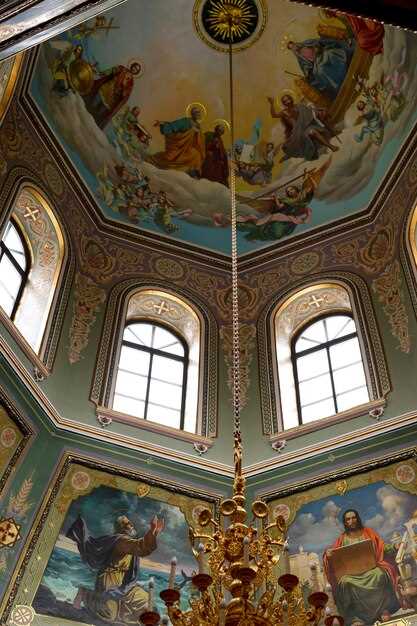
Begin at the entrance of the Rubens rooms and focus on the five paintings that greet you; take a photo from the right-hand side, then approach each work to study brushwork and color.
Secure tickets ahead; choose a time with lighter crowds; street access can be busy, but the interior calm eventually helps you notice finer details and catch the painter’s technique in the round.
Read the wall texts for details on subjects, provenance, and dating; note unknown or debated attributions, and pay attention to catalog notes that may mention a letter or a term like vincis as part of archival references.
Observe composition: Rubens builds momentum through strong figures and tactile fabrics; some scenes feature apollos or Apollo-like figures, while the backdrop includes older trees and a luminous landscape; a bowl or vessel often anchors the focal point, guiding the eye across the canvas and reinforcing the renowned display of skill.
Engage with the labels and staff notes about provenance and working condition; the unknown works invite closer inspection for underdrawings or later interventions, and a brief conversation can clarify which pieces align with your desires and which introduces new questions for discussion.
Conclude with a quick second pass on your favorites, comparing light and texture as you move down the room’s rhythm; keep voices down and respect the gradual sightlines, then plan a short revisit to confirm impressions and solidify your will to own the details you value in Rubens’ Borghese presence.
Locate Rubens works: room-by-room map and artwork list
Begin in Room 3 to locate Rubens works first; take the printed map from the basket at the entrance and review the online guide upon this visit. This helps you stay focused, and it ensures you received clear directions without backtracking.
Room 3 showcases two Rubens works: a portrait and a large allegory; the display is built around dramatic composition, includes subject notes and date, and the golden ceiling above is befitting the tone.
Room 5 holds smaller studies and preparatory drawings; the image labels show provenance and medium, and the displays are clearly separated from neighboring walls.
Room 7 presents a pair of large canvases along the main wall; along this aisle you can compare the Rubens works with nearby Roman sculptures, noting how color and light fall across the subjects.
Room 9 holds a dynamic mythic scene; the label links the work to micheangelos influences, notes on attribution and subject, and points to an unknown provenance that staff can clarify.
Visiting tips: arrive with companions, read each label, and use the online checklist to mark what you wanted; when you tour with tours, plan a short stop for gallery-hopping and photography, while respecting displays and not touching anything.
Optimal viewing times and private-access options for elite visitors
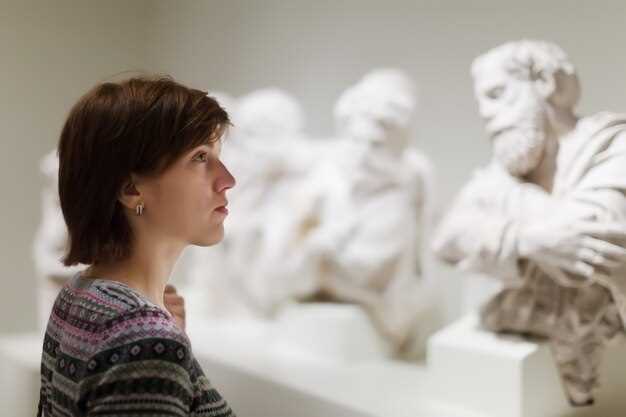
Begin with a private, pre-opening session or an after-hours visit to secure quiet rooms and intimate access to masterpieces. Online booking is essential; reserve a 90-minute slot four to six weeks in advance to ensure your elite group avoids crowds. Private-access options include curator-led tours and private room reservations that let you focus on raffaello’s image, numerous portraits, and mosaics, all lit by allegri lighting that enhances handsome sculptures.
Optimal times emphasize the first half of the day and the final hours before closing. Because light shifts, target morning or late-afternoon sessions. The gallery’s architecture features curves in the palace, and the size of major works becomes clearer as illumination changes. Look closely at the eye-level details, while arrows on the floor guide you along preferred sightlines to compare image and sculpture without rushing, even when visits elsewhere swell.
Private-access options for elite visitors include private guides, private entry to select rooms, and exclusive, limited-capacity visits that let you linger with a handful of works. These arrangements carry you through spaces tied to the palace’s past, from caracalla-inspired halls to rooms associated with the pope and Romans, while you examine mosaics and large paintings known for their human presence. For difficult compositions, the guide can pause at exact details to ensure you grasp nuance.
To maximize value, plan around your preferred artists: request focused looks at raffaello and other painters, then compare with image-rich canvases across the galleries. After the visits, review notes online and share impressions; this transforming experience often becomes a benchmark for discerning taste.
For 18-25-year-old connoisseurs, private sessions can be tailored to introduce key themes–portraits, allegri light, and the transforming architecture–without sacrificing pace. If you travel with a group, the team can set a concise route that covers the main sculpture clusters and admired works, while still letting you step back to enjoy the palace’s human scale.
Identify signature Rubens elements: composition, color palette, and brushwork
Focus on three elements–composition, color palette, and brushwork–to identify Rubens’s signature style in the Borghese context.
-
Composition and structure
- Dynamic arrangement drives motion across the scene; Rubens models a pyramidal plan with diagonals that propel the eye toward the central figure.
- A small ‘viii’ motif appears as a decorative touch in drapery, linking to classical plans.
- Nymphs and animals appear as decorative accents that keep the rhythm without interrupting hierarchy.
- The pose of principal figures echoes classical models–David and Raphael studies–while Urbino’s sculptural clarity and Bernini’s energy shape the rhythm, prompting a question about space and movement.
- Light and shadow sculpt volume, guiding the gaze toward the ceiling and floor and creating depth that notice and soon readers can appreciate.
- Viewed in a photo study, the motion and plan become legible in close detail.
- The last gesture anchors the composition; the plan seems transforming as the viewer shifts angle, inviting time to slow.
-
Color palette
- Rubens favors a saturated palette of warm flesh tones, deep reds, and azure shadows; the colors stay harmonious across figures, fabrics, and landscape cues.
- Glazes build a smooth surface, with light interacting through layered transitions that give mosaics of glow on skin and cloth.
- Contrasts between warm tones and cool shadows deepen space and keep form readable in a Borghese hall; the palette supports the motion of the scene.
- Earthy yellows and browns anchor the composition, while touches of ultramarine and emerald lift the central drama.
- The color plan reinforces composition, and soon the viewer notices how hue shifts emphasize key gestures and the path of motion.
-
Brushwork and technique
- قلم کاری پراعتماد اور ہموار ہے۔ مختصر، واضح ضربیں اعضاء، پردوں اور پتوں کو نمایاں کرتی ہیں، جس سے موزیک کی یاد تازہ کرنے والی ایک لمسی ساخت پیدا ہوتی ہے۔.
- تہوں والی گلیز حجم کو ماڈل کرتی ہے۔ نمایاں حصے نرم، روشن کنارے کے ساتھ کناروں کو چھوتے ہیں جو سخت ضربوں کے بغیر شکل کو محفوظ رکھتے ہیں۔.
- ضرورت کے مطابق کناروں کو تیز کیا جاتا ہے تاکہ فوکل پوائنٹس واضح رہیں، جبکہ ماحول وسیع رہے۔ روشنی اور سائے کا منصوبہ مربوط رہے۔.
- بلا جھجھک، روبنز کے برش ورک توانائی اور درد مندی پیش کرتے ہیں، ایک زندہ سطح کے ساتھ جو دور سے یا قریب سے دیکھنے پر بھی قابلِ فہم رہتی ہے۔.
- اُربینو سے برنینی تک کے باہمی اثرات مصورانہ آہنگ میں ظاہر ہوتے ہیں؛ برش ورک کا ردھم مجسماتی توازن اور شخصیات میں متحرک حرکت کی عکاسی کرتا ہے۔.
بورغیز مجموعوں میں کمیشنوں اور اصلیت کو سمجھنا
جن کاموں کا آپ مطالعہ کرنے کا ارادہ رکھتے ہیں ان کے لیے اصل دستاویزات اور کمیشن نوٹس طلب کریں۔ یہ ریکارڈ ہر چیز کو اصل کمیشن سے لے کر بعد کے مالکان تک پہنچاتے ہیں، ایک طویل، مشہور نسب کو ظاہر کرتے ہیں جو بورگیز کہانی میں اس ٹکڑے کے بارے میں آپ کے احساس کو شکل دیتا ہے۔ آپ کو تاریخیں، خریدار، اور اسٹوڈیو کے نشانات نظر آئیں گے، نیز اس بارے میں نوٹ کہ آیا کوئی چیز زوال کے بعد یا اسٹریٹجک تحائف کے ذریعے مجموعہ میں داخل ہوئی ہے، جس سے آپ کو مارکیٹ کی قیمت اور تاریخی تناظر کا جائزہ لینے میں مدد ملے گی، بشمول سرپرستی اور ذوق کے بارے میں تفصیلات۔.
گیلری کے موضوعاتی لے آؤٹ کے ساتھ آئٹمز کی جانچ پڑتال کریں؛ بورگیز کلیکشن کمروں میں ٹکڑوں کو گروپ کرتا ہے لہذا ایک کمیشن اکثر ایک خاص پروگرام یا سرپرست کی عکاسی کرتا ہے، نہ کہ ایک بے ترتیب حصول کی۔ کمیشن نوٹوں اور کمرے کے داخلی دروازوں کے درمیان ایک کراس ریفرنس ظاہر کرتا ہے کہ کیوں مشتری کا مجسمہ ایک سلسلے کو کھولتا ہے یا کیوں زہرہ، ایفرودائٹ کی نمائندگیوں کے قریب کھڑی ہے۔ یہ آپ کو عوامی ڈسپلے کے پیچھے ارادے اور اشیاء کے معنی کو سمجھنے میں مدد کرتا ہے۔.
اصل و نسب ایک زندہ ریکارڈ ہے، نہ کہ ایک جامد لیبل۔ بہت سے معاملات میں، کوئی فن پارہ ولا کے تبادلوں، تحائف یا وصیتوں کے نیٹ ورک کے ذریعے پہنچا جو اہم واقعات سے جڑے ہوتے ہیں – جو ایک بااثر حلقے میں پیدا ہوا، زندہ یا مردہ – اور جمع کرنے کے موسموں میں نئی شکل اختیار کی۔ غسل خانوں، یا آبپاشی اور پانی کی خصوصیات پر موجود نوٹوں کی جانچ پڑتال کریں جو اس ٹکڑے کے نصب ہونے کے وقت اس کے ساتھ تھے؛ اس طرح کی تفصیلات سے انکشاف ہوتا ہے کہ جب ولا بڑھتا گیا تو یہ شے مجموعے میں کیسے منتقل ہوئی۔ ان تبدیلیوں کی وضاحت آپ کو پورے مجموعے کو الگ تھلگ اشیاء کے بجائے بحیثیت مجموعی پڑھنے میں مدد کرتی ہے، اور وقت کے ساتھ ساتھ یہ کیوریٹرز اور اسکالرز کے لیے یکساں طور پر ایک رہنما دھاگہ بن جاتا ہے۔.
جب آپ اصلیت کا مطالعہ کریں تو، تیار ذرائع پر توجہ دیں: سرکاری فہرستیں، کیوریٹرز کی خط و کتابت، اور شائع شدہ کیٹلاگ۔ عوامی سراغ تلاش کریں: کون سی اشیاء نجی مجموعہ سے گیلریوں میں منتقل ہوئیں، قیمتوں میں کیسے تبدیلیاں آئیں، اور کون سے حصے نسلوں تک بورگیز کے ہاتھوں میں رہے۔ یہ طریقہ کار ٹھوس ڈیٹا مہیا کرتا ہے جسے آپ اپنے ساتھیوں کے ساتھ بانٹ سکتے ہیں اور آپ کے اگلے دورے کی رہنمائی کرتا ہے۔.
آخر میں، فہم کو زیادہ سے زیادہ کرنے کے لیے اپنے راستے کی منصوبہ بندی کریں: حوالہ جات کو ٹریک کریں، متضاد نشانات پر نوٹس لیں، اور توقع کریں کہ نئے دستاویزات سامنے آنے کے ساتھ بورگیز کی کہانی تبدیل ہو رہی ہے۔ کمیشنوں اور اصلیت کی پیروی کرتے ہوئے، آپ دیکھیں گے کہ کس طرح مشتری کا ایک مجسمہ یا زہرہ کی پینٹنگ ایک وسیع تر داستان کے لیے محور بن جاتی ہے، اور کس طرح گیلری کے اثاثے بتدریج بڑھتے ہیں، ولا اور اس کے عوام کے لیے تیار جگہوں کے دروازوں سے داخل ہوتے ہی زائرین کو مشغول کرنے کے لیے تیار ہیں۔.
تحفظی تناظر: نمائش کے حالات، روشنی اور مرمت کے نوٹس
بالواسطہ، UV فلٹر شدہ لائٹنگ سیٹ کریں جس میں پینٹنگز کے لیے سطحی لیولز 120–150 lux اور نازک کاموں کے لیے 50–80 lux ہوں؛ فن پاروں پر براہ راست پڑنے والی شعاعوں سے گریز کریں اور روغنوں اور کاغذات کو محفوظ رکھنے کے لیے تیز شدت کے دھماکوں کو محدود کریں۔ ایک مستحکم ماحول کو 18–22°C اور 45–50% رشتہ دار نمی پر برقرار رکھیں، موسمی تغیرات کو ±5% کے اندر رکھیں۔ روشنی کے ہاٹ اسپاٹ سے بچنے کے لیے پھیلاؤ کو یکساں رکھیں۔.
یہ مجموعہ ولا بورگیس باغات کے اندر ایک محل میں رکھا گیا ہے، اور ستونوں کے ساتھ داخلی راستے فن پاروں پر چکاچوند کے بغیر قدرتی روشنی کی رہنمائی کرتے ہیں۔ نازک سطحوں پر سورج کی روشنی پڑنے سے روکنے کے لیے بلائنڈز یا اسکرینیں استعمال کریں، اور شیشے پر انعکاس کو کم سے کم کرنے کے لیے کیسز کو اس طرح رکھیں ۔.
بحالی کے نوٹس میں تبدیلی پذیری اور مکمل دستاویزات پر زور دیا جاتا ہے۔ مرمت کرنے والے ہر کام کے لیے پس منظر کی تفصیلات ریکارڈ کرتے ہیں، بشمول پچھلی صفائی، مواد، اور کوئی بھی فنکارانہ مداخلت۔ ایک وضاحت بیان کرتی ہے کہ علاج کا انتخاب کیوں قابلِ یقین ہے اور اصل فنش اور آب و ہوا کے ساتھ مطابقت رکھتا ہے۔.
عریاں مطالعات اور مجسماتی ٹکڑوں کے لیے، روشنی کی سطح کم رکھیں اور زائرین کے راستوں پر نمائش کے دوران حفاظتی کیس یا رکاوٹیں استعمال کریں۔ ان فن پاروں کے قریب سیاحوں کے ہجوم کو کم کرنے کے لیے ٹور کا شیڈول بنائیں، اور آپ خود بھی محفوظ فاصلے سے ان کا مطالعہ کر سکتے ہیں، شاید کسی گائیڈ کے ساتھ جو ان کا پس منظر بیان کرے۔.
پس منظر کا سیاق و سباق: کچھ حصے اساطیری مناظر جیسے اینیاس اور دیگر رومیوں کی یاد دلاتے ہیں۔ لائٹنگ کو پس منظر کی تفصیلات کو واضح طور پر پیش کرنا چاہیے، بناوٹ کو چپٹا کیے بغیر۔ جب فکسچر کسی چیپل یا مقبرے کے ڈسپلے کے قریب نصب کیے جائیں، تو سطح کو معمولی رکھیں تاکہ بدتمیزی کی چمک سے بچا جا سکے اور دیکھنے والے کے ذریعے سمجھی جانے والی خوبصورتی کو برقرار رکھا جا سکے۔.
انشانکن اور انتظام فوکس پیلاٹینی محور اور باغ کے ماحول پر ہے۔ روشنی کے میٹر موسمی دن کی روشنی کی تبدیلیوں کے لیے داخلی راستوں پر ایڈجسٹ ہوتے ہیں۔ مقصد تجربے کو قابلِ یقین رکھنا، مواد کی حفاظت کرنا اور اس بات کو یقینی بنانا ہے کہ دیکھنے والا بغیر کسی خلفشار کے مستغرق ہو سکے۔ یہ نقطہ نظر بورگیزے مجموعہ کو اس دنیا میں دیکھنے کے قابل بناتا ہے، جہاں ٹورز، خوبصورتی اور تاریخ ایک نفاست پسند ناظرین کے لیے ملتے ہیں۔.