


 አማርኛ
አማርኛ  English (UK)
  Русский
  বাংলা
বাংলা  العربية
  日本語
日本語  한국어
한국어  Magyar
  Norsk nynorsk
  Türkçe
  עִבְרִית
  Español
  Čeština
  Svenska
  Português
  Ελληνικά
  Suomi
Suomi  Nederlands
  Română
  Italiano
  Français
  Polski
  Українська
  Deutsch
  简体中文
简体中文  Slovenčina
  Српски језик
  اردو
اردو  Azərbaycan dili
  O‘zbekcha
 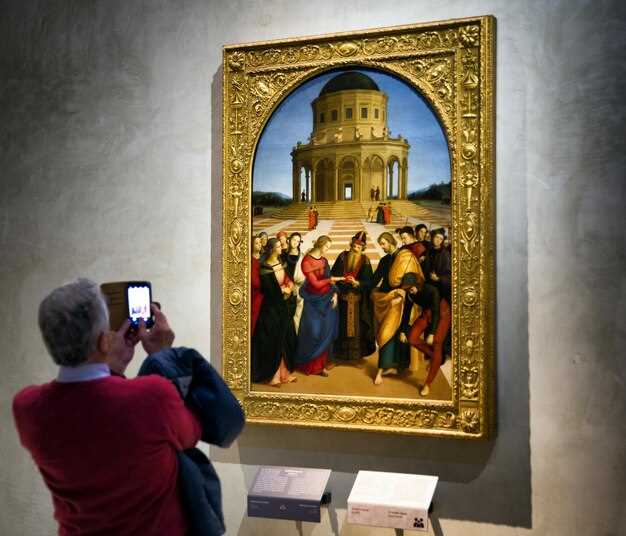 ሓሙሽተ ፍሉጣት ትእይንታት ጋለሪ ቦርጌዝ ኣብ ሮሜ ንካርዲናላትን ፈለጥትን">
Start with a practical plan: focus on the first two rooms where scipione’s collection is exhibited, then move to the intimate painting gallery. This home to world-famous sculpture and painting rewards patient looking, not rushed tours. The halls are surrounded by light, and the adjacent Borghese gardens invite a calm preface to what you will see. Guides stand by to tailor a route for cardinals and connoisseurs alike. From centuries of patronage to modern curatorship, the experience unfolds with clarity and purpose, and it truly invites comparisons with other museums.
Highlight 1: Bernini’s David leaps from the marble with a vitality that feels almost new. The twisting posture catches the moment before the fight, and the work is displayed in a hall that amplifies its motion. You’ll notice that the texture, the gaze, and the tension invite a close study–perfect for connoisseurs who want to see how baroque mastery translates into physical presence. The piece is world-famous and worth a longer look, especially when you consider how it sits in dialogue with other sculptures in the same room. Its gaze catches the light from side windows.
Highlight 2: Paolina Borghese as Venus Victrix by Canova elevates the gallery’s neoclassical voice. The ቬነስ figure emerges from the marble as if released from a dream, while the surrounding lighting softens the lines and highlights the sitter’s pose. This world-famous portrait is popular with guides and visitors who crave a clear, visceral sense of form, and it offers another point of comparison for connoisseurs.
Highlight 3: Caravaggio’s luminous canvases anchor the collection’s dramatic core. A tightly composed scene with deep chiaroscuro demonstrates how a single figure can create a theater within a frame. The painting is exhibited beside others from the same era, inviting comparisons for older patrons who know how lighting shifts mood, pardon the interruption of time, this painting rewards extended looking. Expect a strong, direct stare from the figures, and a sense that every brushstroke has a purpose.
Highlight 4: Bernini’s Apollo and Daphne captures motion frozen in stone, with leaves and texture that seem to tremble in your sightline. The sculpture’s narrative is clear at a glance, yet a closer examination reveals the technician’s discipline: the way forms morph, the tension in the torsos, and the precise weathering of marble. The work makes a decisive statement about the baroque in a space that invites quiet reflection and discussion among visitors.
Highlight 5: the architecture, setting, and the museum experience place the objects in a rhythm that invites conversation with guides and fellow guests. The home itself–set within the world-famous Borghese villa–surrounds you with rooms that display related subjects in clusters, making it easy to compare myth, history, and portraiture. For those with limited time, ask for an abbreviated route that still covers the key works from scipione Borghese’s early collection to the modern displays. A quick break in the little courtyard cafe gives you time to ponder what you’ve seen before returning to the next room. If you notice a cupid motif in a relief or sculpture, it’s a reminder that beauty shows in small details too.
Focused guide for discerning patrons exploring Rubens in Borghese
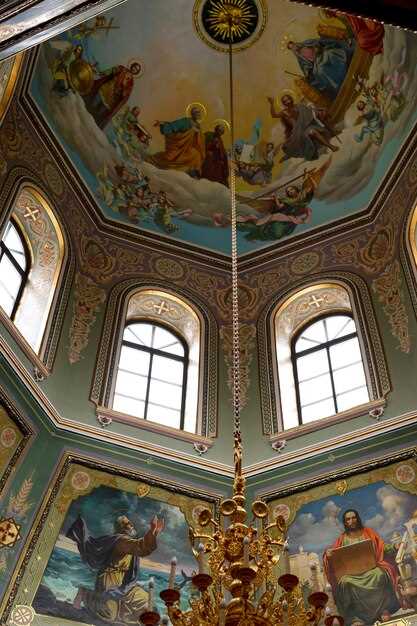
Begin at the entrance of the Rubens rooms and focus on the five paintings that greet you; take a photo from the right-hand side, then approach each work to study brushwork and color.
Secure tickets ahead; choose a time with lighter crowds; street access can be busy, but the interior calm eventually helps you notice finer details and catch the painter’s technique in the round.
Read the wall texts for details on subjects, provenance, and dating; note unknown or debated attributions, and pay attention to catalog notes that may mention a letter or a term like vincis as part of archival references.
Observe composition: Rubens builds momentum through strong figures and tactile fabrics; some scenes feature apollos or Apollo-like figures, while the backdrop includes older trees and a luminous landscape; a bowl or vessel often anchors the focal point, guiding the eye across the canvas and reinforcing the renowned display of skill.
Engage with the labels and staff notes about provenance and working condition; the unknown works invite closer inspection for underdrawings or later interventions, and a brief conversation can clarify which pieces align with your desires and which introduces new questions for discussion.
Conclude with a quick second pass on your favorites, comparing light and texture as you move down the room’s rhythm; keep voices down and respect the gradual sightlines, then plan a short revisit to confirm impressions and solidify your will to own the details you value in Rubens’ Borghese presence.
Locate Rubens works: room-by-room map and artwork list
Begin in Room 3 to locate Rubens works first; take the printed map from the basket at the entrance and review the online guide upon this visit. This helps you stay focused, and it ensures you received clear directions without backtracking.
Room 3 showcases two Rubens works: a portrait and a large allegory; the display is built around dramatic composition, includes subject notes and date, and the golden ceiling above is befitting the tone.
Room 5 holds smaller studies and preparatory drawings; the image labels show provenance and medium, and the displays are clearly separated from neighboring walls.
Room 7 presents a pair of large canvases along the main wall; along this aisle you can compare the Rubens works with nearby Roman sculptures, noting how color and light fall across the subjects.
Room 9 holds a dynamic mythic scene; the label links the work to micheangelos influences, notes on attribution and subject, and points to an unknown provenance that staff can clarify.
Visiting tips: arrive with companions, read each label, and use the online checklist to mark what you wanted; when you tour with tours, plan a short stop for gallery-hopping and photography, while respecting displays and not touching anything.
Optimal viewing times and private-access options for elite visitors
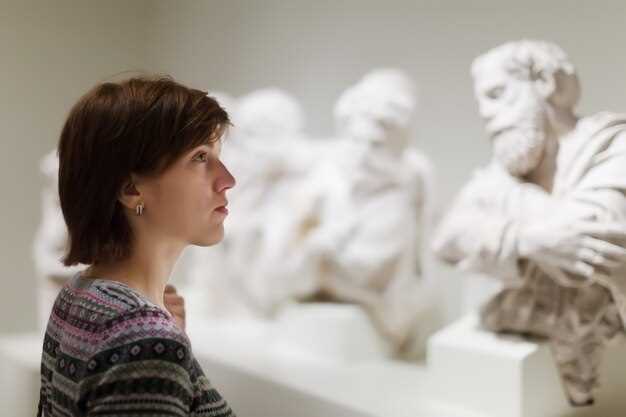
Begin with a private, pre-opening session or an after-hours visit to secure quiet rooms and intimate access to masterpieces. Online booking is essential; reserve a 90-minute slot four to six weeks in advance to ensure your elite group avoids crowds. Private-access options include curator-led tours and private room reservations that let you focus on raffaello’s image, numerous portraits, and mosaics, all lit by allegri lighting that enhances handsome sculptures.
Optimal times emphasize the first half of the day and the final hours before closing. Because light shifts, target morning or late-afternoon sessions. The gallery’s architecture features curves in the palace, and the size of major works becomes clearer as illumination changes. Look closely at the eye-level details, while arrows on the floor guide you along preferred sightlines to compare image and sculpture without rushing, even when visits elsewhere swell.
Private-access options for elite visitors include private guides, private entry to select rooms, and exclusive, limited-capacity visits that let you linger with a handful of works. These arrangements carry you through spaces tied to the palace’s past, from caracalla-inspired halls to rooms associated with the pope and Romans, while you examine mosaics and large paintings known for their human presence. For difficult compositions, the guide can pause at exact details to ensure you grasp nuance.
To maximize value, plan around your preferred artists: request focused looks at raffaello and other painters, then compare with image-rich canvases across the galleries. After the visits, review notes online and share impressions; this transforming experience often becomes a benchmark for discerning taste.
For 18-25-year-old connoisseurs, private sessions can be tailored to introduce key themes–portraits, allegri light, and the transforming architecture–without sacrificing pace. If you travel with a group, the team can set a concise route that covers the main sculpture clusters and admired works, while still letting you step back to enjoy the palace’s human scale.
Identify signature Rubens elements: composition, color palette, and brushwork
Focus on three elements–composition, color palette, and brushwork–to identify Rubens’s signature style in the Borghese context.
-
Composition and structure
- Dynamic arrangement drives motion across the scene; Rubens models a pyramidal plan with diagonals that propel the eye toward the central figure.
- A small ‘viii’ motif appears as a decorative touch in drapery, linking to classical plans.
- Nymphs and animals appear as decorative accents that keep the rhythm without interrupting hierarchy.
- The pose of principal figures echoes classical models–David and Raphael studies–while Urbino’s sculptural clarity and Bernini’s energy shape the rhythm, prompting a question about space and movement.
- Light and shadow sculpt volume, guiding the gaze toward the ceiling and floor and creating depth that notice and soon readers can appreciate.
- Viewed in a photo study, the motion and plan become legible in close detail.
- The last gesture anchors the composition; the plan seems transforming as the viewer shifts angle, inviting time to slow.
-
Color palette
- Rubens favors a saturated palette of warm flesh tones, deep reds, and azure shadows; the colors stay harmonious across figures, fabrics, and landscape cues.
- Glazes build a smooth surface, with light interacting through layered transitions that give mosaics of glow on skin and cloth.
- Contrasts between warm tones and cool shadows deepen space and keep form readable in a Borghese hall; the palette supports the motion of the scene.
- Earthy yellows and browns anchor the composition, while touches of ultramarine and emerald lift the central drama.
- The color plan reinforces composition, and soon the viewer notices how hue shifts emphasize key gestures and the path of motion.
-
Brushwork and technique
- Brushwork is confident and smooth; short, crisp hits define limbs, drapery, and foliage, producing a tactile texture reminiscent of mosaics.
- የተነባበሩ ግላሳዎች መጠንን ያስመስላሉ፤ ድምቀቶች ጠርዞቹን ለስላሳ፣ ብሩህ ጠርዝ ይዘው ይቃኛሉ፣ ይህም ቅርጽን በከባድ ምቶች ሳይሆን ይጠብቃል።.
- ጠርዞች ትኩረት የሚሹ ቦታዎች እንዲነበቡ በሚያስችል መልኩ የጠሩ ይሆናሉ፣ የአየር ንብረት ግን ሰፊ ሆኖ ይቀጥላል፤ የብርሃንና የጥላ ፕላኑም የተቀናጀ ነው።.
- በሙሉ ልብ፣ የRubens ስዕላዊ ቅብ ብርታትና ርህራሄን የሚሰጥ ከመሆኑም በላይ፡ በርቀትም ይሁን በቅርብ ሲታይ ግልጽና ሕያው የሆነ ገጽታ አለው።.
- ተጽዕኖዎች ከኡርቢኖ ወደ ቤርኒኒ በቀለማት ስልት ይታያሉ፤ የብሩሽ ስራ ምት ቅርጻ ቅርጽ ያለው ሚዛን እና በቁጥሮች ላይ ተለዋዋጭ እንቅስቃሴን ያንጸባርቃል።.
እወቁ ኮሚሽኖችን እና አመጣጥን በቦርጌዝ ስብስቦች ውስጥ
የጥናት ሐሳብ ላቀረብካቸው የሥራዎች የመነሻ መዛግብት እና የኮሚሽን ማስታወሻዎችን ጠይቅ። እነዚህ መዛግብት እያንዳንዱን ንጥል ከመጀመሪያው ኮሚሽን አንስቶ እስከ ቀጣዮቹ ባለቤቶች ድረስ በመከታተል በቦርጌሴ ታሪክ ውስጥ ስላለው ቁራጭ ያለህን ስሜት የሚቀርፅ ረጅም እና ዝነኛ የዘር ሐረግ ያሳያሉ። ቀኖች፣ ገዢዎች እና የስቱዲዮ ምልክቶችን እንዲሁም ንጥሉ ከውድቀት በኋላ ወይም በስጦታ ስጦታዎች አማካይነት ወደ ስብስቡ ስለመግባቱ ማስታወሻዎችን ታያለህ፣ ይህም የገበያ ዋጋን እና ታሪካዊ ሁኔታን፣ ስለ ደጋፊነት እና ጣዕም ዝርዝሮችን ጨምሮ እንድትገመግም ይረዳሃል።.
ቼክ ንጥሎች ጋለሪ ውስጥ ካለው ጭብጥ አቀማመጥ ጋር ፤ የቦርጌዝ ስብስቦች ክፍሎችን በክፍሎች ይመድባሉ ስለዚህም ተልእኮ በዘፈቀደ ግዥ ሳይሆን አንድ የተወሰነ ፕሮግራምን ወይም ደጋፊን ያንፀባርቃል። በተልእኮ ማስታወሻዎች እና በክፍሎቹ መግቢያዎች መካከል ያለው መስቀለኛ ማመሳከሪያ ጁፒተር ሐውልት ቅደም ተከተልን ለምን እንደሚከፍት ወይም ቬነስ ከአፍሮዳይት ውክልናዎች አጠገብ ለምን እንደሚቆም ያሳያል።ይህ የህዝብ ማሳያውን እና የእቃዎቹን ትርጉም ከጀርባ ያለውን ሀሳብ ለመረዳት ይረዳዎታል።.
ምንጭ ሕያው መዝገብ ነው፣ የማይንቀሳቀስ መለያ አይደለም። በብዙ አጋጣሚዎች፣ አንድ ሥራ የተገኘው ከቪላው ዝውውሮች፣ ስጦታዎች ወይም ውርስ መረብ በኩል ሲሆን ይህም ከጠቃሚ ክስተቶች ጋር የሚያያዝ ነው—ተደማጭነት ባለው ክበብ ውስጥ የተወለደ፣ በሕይወትም ይሁን የሞተ—እና በመሰብሰብ ወቅቶች ሁሉ እንደ አዲስ ቅርጽ ይዞ የቀረበ። ዕቃው በተተከለበት ወቅት አብሮት ስለ ነበሩ የመታጠቢያዎች፣ መስኖዎችና የውሃ መገለጫዎች ማስታወሻዎችን ያረጋግጡ፤ እነዚህ ዓይነት ዝርዝሮች ቪላው እያደገ ሲሄድ ዕቃው በስብስቡ ውስጥ እንዴት እንደተዘዋወረ ያሳያሉ። የእነዚያ ዝውውሮች ማብራሪያ ስብስቡን እንደ ነጠላ ዕቃዎች ሳይሆን እንደ አንድ ሙሉ እንድታነቡ ያግዘዎታል፣ ከጊዜ በኋላም ለአሳላፊዎችና ምሁራን መመሪያ ይሆናል።.
ምንጮችህን ስትመረምር ትኩረትህ በተዘጋጁ ምንጮች ላይ ይሁን፦ በባለሥልጣናት ዝርዝሮች፣ ከአለቆች በተላላኩ ደብዳቤዎችና በታተሙ ካታሎጎች ላይ። ለሕዝብ ይፋ በሆኑ ፍንጮች ላይ አተኩር፦ ምን ዓይነት ዕቃዎች ከግል ስብስብ ወደ ማዕከለ ስዕላት እንደተሻገሩ፣ የእሴት ለውጦች ምን ይመስሉ እንደነበርና የትኞቹ ክፍሎች ለትውልዶች በቦርጌዝ እጅ እንደቆዩ። ይህ አካሄድ ለመማር የሚረዱ ጠጣር መረጃዎችን የሚሰጥ ከመሆኑም በላይ ቀጣዩን ጉብኝትህን ይመራል።.
በመጨረሻም፣ ግንዛቤን ከፍ ለማድረግ መስመርዎን ያቅዱ፡ የመስቀል ማመሳከሪያዎችን ይከታተሉ፣ በሚቃረኑ ምልክቶች ላይ ማስታወሻ ይያዙ፣ እና አዳዲስ ሰነዶች ሲወጡ የቦርጌዝ ታሪክ እየተለወጠ እንደሆነ ይጠብቁ። ኮሚሽኖችን እና አመጣጥን በመከተል እንደ ጁፒተር ያለ አንድ ነጠላ ሐውልት ወይም የቬኑስ ሥዕል እንዴት ሰፋ ያለ ትረካ ማጠፊያ እንደሚሆን እና የጋለሪው ይዞታዎች ቀስ በቀስ እንዴት እንደሚያድጉ፣ ወደ ቪላ እና ይፋዊ ቦታዎቹ በሮች እንደገቡ ጎብኚዎችን ለመሳብ ዝግጁ እንደሆኑ ይመለከታሉ።.
ቦታውን መጠበቅ ፡ የማሳያ ሁኔታዎች፣ መብራቶች እና የማደስ ማስታወሻዎች
በተዘዋዋሪ፣ በ UV የተጣራ ብርሃን ለሥዕሎች ከ120–150 ሉክስ እና ለስሱ ሥራዎች ከ50–80 ሉክስ ባለው የወለል ደረጃ ያብሩ፤ ጨረሮች በቀጥታ የጥበብ ሥራዎችን ከመምታት ይቆጠቡ እና ቀለሞችን እና ወረቀቶችን ለመጠበቅ ከፍተኛ የብርሃን መጠን ያላቸውን ፍንጣቂዎች ይገድቡ። የተረጋጋ የአየር ንብረት በ18–22°ሴ እና 45–50% አንጻራዊ እርጥበት ይጠብቁ፣ ወቅታዊ መዋዠቆች በ ±5% ውስጥ እንዲቆዩ ያድርጉ። የብርሃን ትኩስ ቦታዎችን ለመከላከል ስርጭቱ እኩል ያድርጉት።.
እዚ ስብስብ ኣብ ውሽጢ ቪላ ቦርጋዝ ኣብ ዝርከብ ቤተ መንግስቲ ዝተቐመጠ ኮይኑ፣ ኣብቲ ዓምዲ ጽላል ዘለዎ መእተዊ በቲ ስነ-ጥበባዊ ስራሓት ጸላም ዘይብሉ ተፈጥሯዊ ብርሃን ይመራሕ። ነቲ ጸሓይ ንኣዝዩ ተዳፋሪ ገጽ ከየጥቅዕ መጋረጃ ወይ መከላኸሊ ተጠቐም፣ መርገጽ ከኣ ነቲ ኣብ መስታውት ዘሎ ነጸብራቕ ንምንካይ ኣቀምጦ።.
ማስታወሻዎች ስለ እድሳት የሚናገሩት ስለሚቀለበስ እና ጥልቅ ማስረጃ ላይ አትኩረው ነው። ጠባቂዎች ለእያንዳንዱ ስራ የቀድሞ ጽዳቶችን፣ ግብዓቶችን እና ማንኛውንም የኪነ-ጥበብ ጣልቃ ገብነቶችን ጨምሮ የጀርባ ዝርዝሮችን ይመዘግባሉ። ማብራሪያ የሕክምና ምርጫው ለምን ሊታመን የሚችል እና ከመጀመሪያው አጨራረስ እና ፓቲና ጋር የሚስማማ እንደሆነ ይገልጻል።.
እርቃን የሰውነት ጥናቶችን እና የቅርጻ ቅርጽ ቁርጥራጮችን ለማሳየት ዝቅተኛ የብርሃን ደረጃዎችን ይጠቀሙ፣ እንዲሁም ጎብኚዎች በሚዘዋወሩባቸው መንገዶች ላይ የመከላከያ መያዣዎችን ወይም ማገጃዎችን ይጠቀሙ። በእነዚህ ቅርሶች አቅራቢያ የሚኖረውን የሰዎች መጨናነቅ ለመገደብ ጉብኝቶች መመደብ አለባቸው። በተጨማሪም ስለ ቅርሱ አውድ የሚያብራራ መመሪያ በመያዝ ደህንነቱ በተጠበቀ ርቀት ላይ ሆነው እርስዎም ሊያጠኗቸው ይችላሉ።.
ኣውደ ጽብ: ገለ ክፋላት ከም ኤኔስን ካልኦት ሮማውያንን ዝኣመሰሉ ተረታ ዛንታታት የዘኻኽሩ; ብርሃን ድማ ዝርዝር ድሕረ ባይታኦም ብንጹር ክገልጽ ኣለዎ፣ ክስቶም ከየጥፍእ። መብራህቲ ኣብ ጥቓ ቤተ ጸሎት ወይ መቓብር ምስ ዝቕመጡ፣ ደረጃኦም ትሑት ይኹን ከመይ ኣብ ቅድሚ ተመልካቲ ውርደት ከየስዕብን ጽባቔ ከይዕቅብ።.
ካሊብሬሽንንና አስተዳደርን በፓላቲን ኣክሲስና በአትክልት ስፍራ ላይ ያተኩራሉ። የብርሃን መለኪያዎች በወቅታዊ የብርሃን ለውጦች ለመግቢያዎች ተስተካክለዋል፤ ግቡም ተዓማኒነቱን ጠብቆ ማቆየት፣ ጥሬ እቃዎቹን መከላከል፣ እንዲሁም አንድ ተመልካች ትኩረቱ ሳይከፋፈል ሊዋጥ መቻሉን ማረጋገጥ ነው። ይህ አካሄድ የቦርጌዝ ስብስብ በዚህ ዓለም የሚደነቅ ያደርገዋል፤ በዚህ ዓለም ጉብኝቶች፣ ውበትና ታሪክ ለተጣራ ታዳሚ ይሰባሰባሉ።.