


 Ελληνικά
  English (UK)
  Русский
  বাংলা
বাংলা  العربية
  日本語
日本語  한국어
한국어  Magyar
  Norsk nynorsk
  Türkçe
  עִבְרִית
  Español
  Čeština
  Svenska
  Português
  Suomi
Suomi  Nederlands
  Română
  Italiano
  Français
  Polski
  Українська
  Deutsch
  简体中文
简体中文  Slovenčina
  Српски језик
  اردو
اردو  Azərbaycan dili
  O‘zbekcha
  አማርኛ
አማርኛ 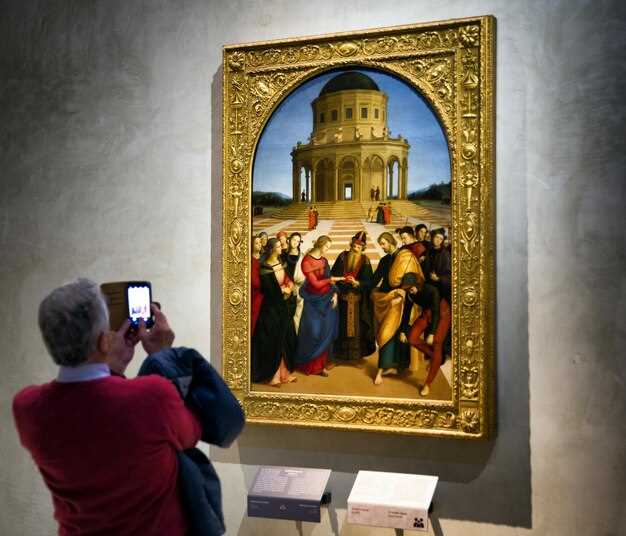 Πέντε Στιγμιότυπα της Πινακοθήκης Μποργκέζε στη Ρώμη για Καρδινάλιους και Γνώστες">
Start with a practical plan: focus on the first two rooms where scipione’s collection is exhibited, then move to the intimate painting gallery. This home to world-famous sculpture and painting rewards patient looking, not rushed tours. The halls are surrounded by light, and the adjacent Borghese gardens invite a calm preface to what you will see. Guides stand by to tailor a route for cardinals and connoisseurs alike. From centuries of patronage to modern curatorship, the experience unfolds with clarity and purpose, and it truly invites comparisons with other museums.
Highlight 1: Bernini’s David leaps from the marble with a vitality that feels almost new. The twisting posture catches the moment before the fight, and the work is displayed in a hall that amplifies its motion. You’ll notice that the texture, the gaze, and the tension invite a close study–perfect for connoisseurs who want to see how baroque mastery translates into physical presence. The piece is world-famous and worth a longer look, especially when you consider how it sits in dialogue with other sculptures in the same room. Its gaze catches the light from side windows.
Highlight 2: Paolina Borghese as Venus Victrix by Canova elevates the gallery’s neoclassical voice. The venus figure emerges from the marble as if released from a dream, while the surrounding lighting softens the lines and highlights the sitter’s pose. This world-famous portrait is popular with guides and visitors who crave a clear, visceral sense of form, and it offers another point of comparison for connoisseurs.
Highlight 3: Caravaggio’s luminous canvases anchor the collection’s dramatic core. A tightly composed scene with deep chiaroscuro demonstrates how a single figure can create a theater within a frame. The painting is exhibited beside others from the same era, inviting comparisons for older patrons who know how lighting shifts mood, pardon the interruption of time, this painting rewards extended looking. Expect a strong, direct stare from the figures, and a sense that every brushstroke has a purpose.
Highlight 4: Bernini’s Apollo and Daphne captures motion frozen in stone, with leaves and texture that seem to tremble in your sightline. The sculpture’s narrative is clear at a glance, yet a closer examination reveals the technician’s discipline: the way forms morph, the tension in the torsos, and the precise weathering of marble. The work makes a decisive statement about the baroque in a space that invites quiet reflection and discussion among visitors.
Highlight 5: the architecture, setting, and the museum experience place the objects in a rhythm that invites conversation with guides and fellow guests. The home itself–set within the world-famous Borghese villa–surrounds you with rooms that display related subjects in clusters, making it easy to compare myth, history, and portraiture. For those with limited time, ask for an abbreviated route that still covers the key works from scipione Borghese’s early collection to the modern displays. A quick break in the little courtyard cafe gives you time to ponder what you’ve seen before returning to the next room. If you notice a cupid motif in a relief or sculpture, it’s a reminder that beauty shows in small details too.
Focused guide for discerning patrons exploring Rubens in Borghese
Begin at the entrance of the Rubens rooms and focus on the five paintings that greet you; take a photo from the right-hand side, then approach each work to study brushwork and color.
Secure tickets ahead; choose a time with lighter crowds; street access can be busy, but the interior calm eventually helps you notice finer details and catch the painter’s technique in the round.
Read the wall texts for details on subjects, provenance, and dating; note unknown or debated attributions, and pay attention to catalog notes that may mention a letter or a term like vincis as part of archival references.
Observe composition: Rubens builds momentum through strong figures and tactile fabrics; some scenes feature apollos or Apollo-like figures, while the backdrop includes older trees and a luminous landscape; a bowl or vessel often anchors the focal point, guiding the eye across the canvas and reinforcing the renowned display of skill.
Engage with the labels and staff notes about provenance and working condition; the unknown works invite closer inspection for underdrawings or later interventions, and a brief conversation can clarify which pieces align with your desires and which introduces new questions for discussion.
Conclude with a quick second pass on your favorites, comparing light and texture as you move down the room’s rhythm; keep voices down and respect the gradual sightlines, then plan a short revisit to confirm impressions and solidify your will to own the details you value in Rubens’ Borghese presence.
Locate Rubens works: room-by-room map and artwork list
Begin in Room 3 to locate Rubens works first; take the printed map from the basket at the entrance and review the online guide upon this visit. This helps you stay focused, and it ensures you received clear directions without backtracking.
Room 3 showcases two Rubens works: a portrait and a large allegory; the display is built around dramatic composition, includes subject notes and date, and the golden ceiling above is befitting the tone.
Room 5 holds smaller studies and preparatory drawings; the image labels show provenance and medium, and the displays are clearly separated from neighboring walls.
Room 7 presents a pair of large canvases along the main wall; along this aisle you can compare the Rubens works with nearby Roman sculptures, noting how color and light fall across the subjects.
Room 9 holds a dynamic mythic scene; the label links the work to micheangelos influences, notes on attribution and subject, and points to an unknown provenance that staff can clarify.
Visiting tips: arrive with companions, read each label, and use the online checklist to mark what you wanted; when you tour with tours, plan a short stop for gallery-hopping and photography, while respecting displays and not touching anything.
Optimal viewing times and private-access options for elite visitors
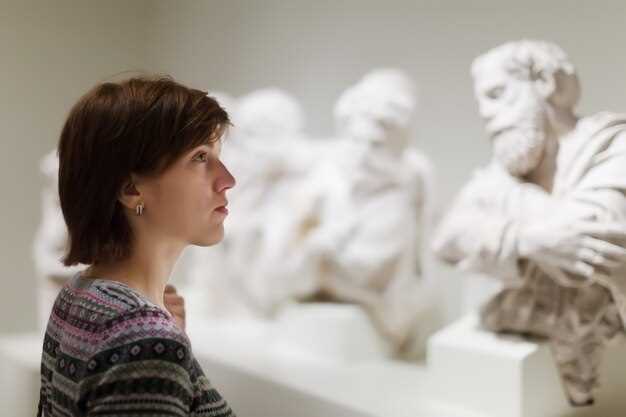
Begin with a private, pre-opening session or an after-hours visit to secure quiet rooms and intimate access to masterpieces. Online booking is essential; reserve a 90-minute slot four to six weeks in advance to ensure your elite group avoids crowds. Private-access options include curator-led tours and private room reservations that let you focus on raffaello’s image, numerous portraits, and mosaics, all lit by allegri lighting that enhances handsome sculptures.
Optimal times emphasize the first half of the day and the final hours before closing. Because light shifts, target morning or late-afternoon sessions. The gallery’s architecture features curves in the palace, and the size of major works becomes clearer as illumination changes. Look closely at the eye-level details, while arrows on the floor guide you along preferred sightlines to compare image and sculpture without rushing, even when visits elsewhere swell.
Private-access options for elite visitors include private guides, private entry to select rooms, and exclusive, limited-capacity visits that let you linger with a handful of works. These arrangements carry you through spaces tied to the palace’s past, from caracalla-inspired halls to rooms associated with the pope and Romans, while you examine mosaics and large paintings known for their human presence. For difficult compositions, the guide can pause at exact details to ensure you grasp nuance.
To maximize value, plan around your preferred artists: request focused looks at raffaello and other painters, then compare with image-rich canvases across the galleries. After the visits, review notes online and share impressions; this transforming experience often becomes a benchmark for discerning taste.
For 18-25-year-old connoisseurs, private sessions can be tailored to introduce key themes–portraits, allegri light, and the transforming architecture–without sacrificing pace. If you travel with a group, the team can set a concise route that covers the main sculpture clusters and admired works, while still letting you step back to enjoy the palace’s human scale.
Identify signature Rubens elements: composition, color palette, and brushwork
Focus on three elements–composition, color palette, and brushwork–to identify Rubens’s signature style in the Borghese context.
-
Composition and structure
- Dynamic arrangement drives motion across the scene; Rubens models a pyramidal plan with diagonals that propel the eye toward the central figure.
- A small ‘viii’ motif appears as a decorative touch in drapery, linking to classical plans.
- Nymphs and animals appear as decorative accents that keep the rhythm without interrupting hierarchy.
- The pose of principal figures echoes classical models–David and Raphael studies–while Urbino’s sculptural clarity and Bernini’s energy shape the rhythm, prompting a question about space and movement.
- Light and shadow sculpt volume, guiding the gaze toward the ceiling and floor and creating depth that notice and soon readers can appreciate.
- Viewed in a photo study, the motion and plan become legible in close detail.
- The last gesture anchors the composition; the plan seems transforming as the viewer shifts angle, inviting time to slow.
-
Color palette
- Rubens favors a saturated palette of warm flesh tones, deep reds, and azure shadows; the colors stay harmonious across figures, fabrics, and landscape cues.
- Glazes build a smooth surface, with light interacting through layered transitions that give mosaics of glow on skin and cloth.
- Contrasts between warm tones and cool shadows deepen space and keep form readable in a Borghese hall; the palette supports the motion of the scene.
- Earthy yellows and browns anchor the composition, while touches of ultramarine and emerald lift the central drama.
- The color plan reinforces composition, and soon the viewer notices how hue shifts emphasize key gestures and the path of motion.
-
Brushwork and technique
- Η τεχνική της πινελιάς είναι σίγουρη και ομαλή. σύντομες, καθαρές πινελιές ορίζουν τα άκρα, τις πτυχώσεις των υφασμάτων και το φύλλωμα, δημιουργώντας μια απτική υφή που θυμίζει ψηφιδωτά.
- Στρώσεις γυαλισμάτων διαμορφώνουν τον όγκο. οι ανταύγειες αγγίζουν απαλά τις άκρες, με μια απαλή, φωτεινή οριοθέτηση που διατηρεί τη φόρμα χωρίς έντονες αντιθέσεις.
- Οι άκρες οξύνονται όπου χρειάζεται για να διασφαλιστεί ότι τα εστιακά σημεία παραμένουν ευανάγνωστα, ενώ η ατμόσφαιρα παραμένει εκτεταμένη. το σχέδιο για το φως και τη σκιά παραμένει συνεκτικό.
- Χωρίς επιφύλαξη, η πινελιά του Ρούμπενς αποδίδει ενέργεια και πάθος, με μια ζωντανή επιφάνεια που παραμένει ευανάγνωστη όταν τη βλέπεις από απόσταση ή από κοντά.
- Διασταυρούμενες επιρροές από το Ουρμπίνο στον Μπερνίνι εμφανίζονται στην ζωγραφική χάρη· ο ρυθμός της πινελιάς αντικατοπτρίζει τη γλυπτική ισορροπία και τη δυναμική κίνηση στις φιγούρες.
Κατανόηση των παραγγελιών και της προέλευσης στις συλλογές Μποργκέζε
Ζητήστε αρχεία προέλευσης και σημειώσεις παραγγελίας για τα έργα που σκοπεύετε να μελετήσετε. Αυτά τα αρχεία εντοπίζουν κάθε αντικείμενο από την αρχική παραγγελία έως τους επόμενους ιδιοκτήτες, αποκαλύπτοντας μια μακρά, διάσημη γενεαλογία που διαμορφώνει το πώς αισθάνεστε για το έργο μέσα στην ιστορία των Borghese. Θα δείτε ημερομηνίες, αγοραστές και σημάδια εργαστηρίου, καθώς και σημειώσεις για το εάν το αντικείμενο εισήλθε στη συλλογή μετά από πτώση της περιουσίας ή μέσω στρατηγικών δώρων, βοηθώντας σας να αξιολογήσετε την αξία της αγοράς και το ιστορικό πλαίσιο, συμπεριλαμβανομένων λεπτομερειών σχετικά με την προστασία και το γούστο.
Ελέγξτε τα αντικείμενα σε σχέση με τη θεματική διάταξη της γκαλερί· η συλλογή Borghese ομαδοποιεί τα κομμάτια σε δωμάτια, επομένως μια παραγγελία συχνά αντικατοπτρίζει ένα συγκεκριμένο πρόγραμμα ή έναν προστάτη και όχι μια τυχαία απόκτηση. Μια διασταύρωση μεταξύ των σημειώσεων παραγγελίας και των εισόδων των δωματίων αποκαλύπτει γιατί ένα άγαλμα του Δία ανοίγει μια ακολουθία ή γιατί η Αφροδίτη στέκεται κοντά σε αναπαραστάσεις της Αφροδίτης. Αυτό σας βοηθά να κατανοήσετε την πρόθεση πίσω από τη δημόσια έκθεση και τη σημασία των αντικειμένων.
Η προέλευση είναι ένα ζωντανό αρχείο, όχι μια στατική ετικέτα. Σε πολλές περιπτώσεις, ένα έργο έφτασε μέσω του δικτύου μεταβιβάσεων, δώρων ή κληροδοτημάτων της βίλας που συνδέονται με σημαντικά γεγονότα –γεννημένο σε έναν প্রভাবশালী κύκλο, νεκρό ή ζωντανό– και αναδιαμορφώθηκε σε διάφορες περιόδους συλλογής. Ελέγξτε για σημειώσεις σχετικά με λουτρά ή αρδευτικά και υδάτινα στοιχεία που συνόδευαν το έργο όταν εγκαταστάθηκε. τέτοιες λεπτομέρειες αποκαλύπτουν πώς το αντικείμενο μετακινήθηκε εντός της συλλογής καθώς η βίλα μεγάλωνε. Η εξήγηση αυτών των κινήσεων σάς βοηθά να διαβάσετε τη συλλογή ως σύνολο και όχι ως μεμονωμένα αντικείμενα και, με την πάροδο του χρόνου, γίνεται ένας καθοδηγητικός γνώμονας για τους επιμελητές και τους μελετητές.
Όταν μελετάτε την προέλευση, επικεντρωθείτε σε έτοιμες πηγές: επίσημα αποθέματα, αλληλογραφία από επιμελητές και δημοσιευμένους καταλόγους. Αναζητήστε το δημόσιο ίχνος: ποια αντικείμενα πέρασαν από ιδιωτική συλλογή σε γκαλερί, πώς άλλαξαν οι αποτιμήσεις και ποια κομμάτια παρέμειναν στα χέρια των Βοργέζων για γενιές. Αυτή η προσέγγιση αποδίδει συγκεκριμένα δεδομένα που μπορείτε να μοιραστείτε με συναδέλφους και καθοδηγεί την επόμενη επίσκεψή σας.
Τέλος, σχεδιάστε τη διαδρομή σας για να μεγιστοποιήσετε την κατανόηση: παρακολουθήστε τις παραπομπές, κρατήστε σημειώσεις για τις αντιθετικές ενδείξεις και να αναμένετε ότι η ιστορία των Μποργκέζε μεταμορφώνεται καθώς προκύπτουν νέα έγγραφα. Ακολουθώντας τις παραγγελίες και την προέλευση, θα δείτε πώς ένα μεμονωμένο άγαλμα όπως ο Δίας ή ένας πίνακας της Αφροδίτης γίνεται άξονας για μια ευρύτερη αφήγηση και πώς τα περιουσιακά στοιχεία της γκαλερί αυξάνονται σταθερά, έτοιμα να εμπλέξουν τους επισκέπτες μόλις περάσετε τις πόρτες της έπαυλης και τους δημόσιους χώρους της.
Πλαίσιο συντήρησης: συνθήκες έκθεσης, φωτισμός και σημειώσεις αποκατάστασης
Ρυθμίστε έμμεσο, φιλτραρισμένο με UV φωτισμό με επίπεδα επιφανείας στα 120–150 lux για πίνακες και 50–80 lux για ευαίσθητα έργα· αποφύγετε τις ακτίνες να χτυπούν απευθείας τα έργα τέχνης και περιορίστε τις εκρήξεις υψηλής έντασης για να προστατεύσετε τις χρωστικές ουσίες και τα χαρτιά. Διατηρήστε ένα σταθερό κλίμα στους 18–22°C και 45–50% σχετική υγρασία, με τις εποχιακές διακυμάνσεις να διατηρούνται εντός ±5%. Διατηρήστε την διάχυση ομοιόμορφη για να αποφύγετε τα θερμά σημεία φωτός.
Η συλλογή στεγάζεται σε ένα παλάτι μέσα στους κήπους της Villa Borghese, και οι είσοδοι κατά μήκος της κιονοστοιχίας καθοδηγούν το φυσικό φως χωρίς να θαμπώνει τα έργα τέχνης. Χρησιμοποιήστε περσίδες ή οθόνες για να αποτρέψετε το ηλιακό φως από το να χτυπήσει εύθραυστες επιφάνειες και τοποθετήστε τις προθήκες για να ελαχιστοποιήσετε τις αντανακλάσεις στο γυαλί.
Οι σημειώσεις αποκατάστασης δίνουν έμφαση στην αναστρεψιμότητα και την ενδελεχή τεκμηρίωση. Οι συντηρητές καταγράφουν λεπτομέρειες ιστορικού για κάθε έργο, συμπεριλαμβανομένων προηγούμενων καθαρισμών, υλικών και τυχόν καλλιτεχνικών παρεμβάσεων. Μια εξήγηση περιγράφει γιατί μια επιλογή θεραπείας είναι πιστευτή και συμβατή με το αρχικό φινίρισμα και την πατίνα.
Για γυμνές μελέτες και γλυπτά θραύσματα, εφαρμόστε χαμηλότερα επίπεδα φωτισμού και χρησιμοποιήστε προστατευτικές θήκες ή φράγματα όταν εκτίθενται κατά μήκος των διαδρομών των επισκεπτών. Οι ξεναγήσεις πρέπει να προγραμματίζονται για να περιορίζουν τον συνωστισμό κοντά σε αυτά τα έργα και μπορείτε να τα μελετήσετε μόνοι σας από ασφαλή απόσταση, ίσως με έναν οδηγό να εξηγεί το πλαίσιο.
Ιστορικό πλαίσιο: ορισμένα κομμάτια θυμίζουν μυθικές σκηνές όπως ο Αινείας και άλλοι Ρωμαίοι· ο φωτισμός πρέπει να αποδίδει τις λεπτομέρειες του φόντου τους με σαφήνεια, χωρίς να ισοπεδώνει τις υφές. Όταν τα φωτιστικά βρίσκονται κοντά σε παρεκκλήσι ή σε έκθεση τάφων, διατηρήστε τα επίπεδα μέτρια για να αποφύγετε την βέβηλη λάμψη και να διατηρήσετε την ομορφιά όπως την αντιλαμβάνεται ο θεατής.
Η βαθμονόμηση και η διαχείριση επικεντρώνονται στον άξονα του Παλατίνου και στον κήπο. Τα φωτόμετρα προσαρμόζονται στις εποχιακές αλλαγές του φωτός της ημέρας κατά μήκος των εισόδων. Ο στόχος παραμένει να διατηρηθεί η εμπειρία πιστευτή, να προστατευτούν τα υλικά και να διασφαλιστεί ότι ένας θεατής μπορεί να αφεθεί στην ατμόσφαιρα χωρίς περισπασμούς. Αυτή η προσέγγιση κάνει τη συλλογή Borghese άξια θέασης σε αυτόν τον κόσμο, όπου οι περιηγήσεις, η ομορφιά και η ιστορία συγκλίνουν για ένα εκλεπτυσμένο κοινό.