


 اردو
اردو  English (UK)
  Русский
  বাংলা
বাংলা  العربية
  日本語
日本語  한국어
한국어  Magyar
  Norsk nynorsk
  Türkçe
  עִבְרִית
  Español
  Čeština
  Svenska
  Português
  Ελληνικά
  Suomi
Suomi  Nederlands
  Română
  Italiano
  Français
  Polski
  Українська
  Deutsch
  简体中文
简体中文  Slovenčina
  Српски језик
  Azərbaycan dili
  O‘zbekcha
  አማርኛ
አማርኛ 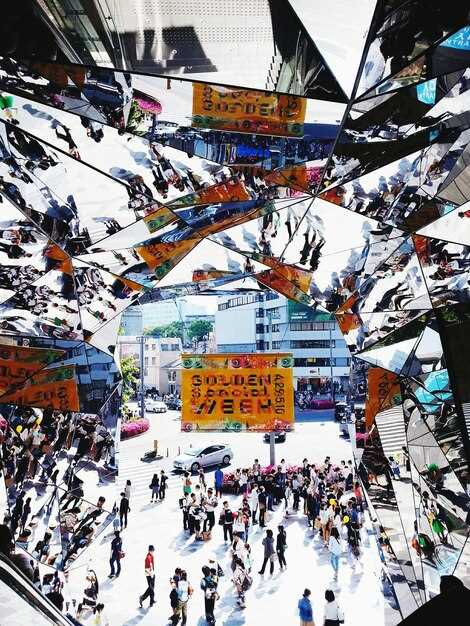 ۲۰۲۵ نارا اٹریکشن ٹریول گائیڈ - ہیگاشی موکی شاپنگ اسٹریٹ (ستمبر میں اپ ڈیٹ کیا گیا)">

Start your visit with a morning stroll along Higashimuki Shopping Street, grab coffee from a local cafe, and plan your route to the famous sights at your own pace.
From the first block to the far end, Higashimuki blends shops, street snacks, and tiny galleries. Try onion skewers and a cup of coffee, then enjoy a street overlook from a second-floor cafe as you watch the flow of visitors.
Where to stay: a nearby ryokan offers easy access and a traditional touch after a day of exploring. Cost details vary by season, with typical room rates ranging from around 8,000 to 20,000 yen per person for a night, excluding meals. For parking, nearby city lots charge roughly 1,000–1,500 yen per day; downtown street spots can be 400–600 yen for 30 minutes during peak times. Restrooms are clearly signposted along Higashimuki and inside major shops for visitor use.
Multilingual guides cover both English and Japanese and offer tips tailored to first-time visitors. For fresh openings and events, check the ماخذ of local updates and rely on trusted sources in the area. Visiting Higashimuki in Sep keeps shops refreshed with seasonal goods and limited-time specials, letting you find something new on every visit.
When planning your time, mix relaxing breaks with quick purchases: pause at a café, chat with shop staff, and compare options before you buy. This approach helps you spend much time exploring, discover hidden gems, and leave with memorable souvenirs that capture your Nara moment.
Higashimuki Street: practical shopper’s guide for 2025
Begin at kagami-ike and take the stairs down toward Higashimuki Street; this route puts you in proximity to the best shops and discounts in 2025. Within minutes you’ll see multilingual signs and staff ready to help you pick items that fit your taste and budget.
Spot ceramic pieces and souvenirs along white storefronts, then compare options at nearby shoten to gauge quality and cost. Seek items that come with neat wrapping and clear care instructions, so you can leave with a ready-to-gift keepsake that fits your bag.
Cost ranges keep you focused: small souvenir 300–700 yen, ceramic mug 600–1200 yen, decorative plate 900–1800 yen, senbei packs 150–350 yen per pack, premium pieces up to 3000 yen. Different stores price similarly sized items, so spend a few minutes on 2–3 shops to feel out value before you buy.
Hidden corners reward attention: side streets behind the main blocks hold quiet galleries and limited-run shoten where you can find unique pieces for a fair cost. Overlook viewpoints near the street corners provide a moment to compare finishes and see if a glaze or white tone matches your other keepsakes. The time you invest here yields a more contemplated purchase, not a rushed impulse.
Discount signaling helps you optimize spend: scan for daily discounts, seasonal sets, or bundled offers, especially around midday and early afternoon. Within a single block you can snag two or three practical items at a reduced price, then move on to the next shop without backtracking.
Take a break at a nearby café or port-side spot to recharge; a quiet café offers multilingual menus and quick service, perfect after a busy morning. If you crave a savory bite, try freshly baked senbei from a small shop and pair it with tea while you review your picks.
Leave Higashimuki Street with a curated mix: a ceramic piece, a souvenir, and a few practical items that fit your time and budget. This route keeps you efficient, yet relaxed, letting you enjoy the street’s rhythm, parks nearby, and the sense that you’ve seen the best shops without overspending.
Best times to visit Higashimuki Street for deals and light crowds
Visit on weekday mornings (9:00–11:00) to lock in the best deals while crowds are light. Shops open around 9:30–10:00, displays update quickly, and you can enter without rush–perfect for planning a relaxed walk and comparing prices across multiple shoten. If you’re arriving from a nearby station, the first stretch is usually the quietest, making it easier to spot visually striking signs and seasonal specials.
- Morning window (weekday 9:00–11:00): best for prices, shorter lines, and personal guidance from multilingual staff. Expect 15–25% lower crowd density than weekend mornings, which means faster entry at most stores and quicker decisions on blends of snacks and souvenirs.
- Midday balance (Tuesday–Thursday 11:30–14:00): a sweet spot for steady activity without the peak rush. You’ll still find ongoing promotions, especially at fatty snack counters and fresh food stalls, with the option to sample items while waiting for a seat at a nearby gate or cafe.
- Evening ease (17:00–19:30): last-hour discounts appear as shops prepare to close, and some offer bundle deals on light sightseeing mementos. This window is ideal for a memorable stroll after seeing nearby sights in the area, with a calmer pace than weekend nights.
During the golden weeks and holiday periods, crowds rise, but you can still plan to enter near opening hours or during the late afternoon lull to catch exclusive sales. If you’re combining Higashimuki with broader sightseeing, map a route that passes Sarutahiko Shrine for a pure, brief detour–a quiet, visually pleasing counterpoint to the busy street.
For a smooth experience, plan to spend 30–60 minutes per cluster of shops, especially around the near gate areas and the station exits. The practical size of the street means you can cover most of the main stretch on foot in under 90 minutes, allowing time for quick snack tastings and a few multilingual conversations with shop staff. If you’re arriving from Dotonbori, this route becomes a convenient, efficient extension of a world-class food and shopping day, with chances to compare prices directly and securely enter deals you wouldn’t spot from a passing glance.
Where to find affordable souvenirs and local crafts
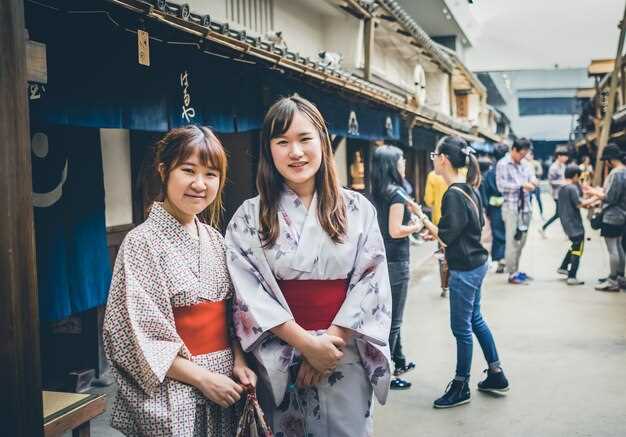
Hit the covered arcade at the east end of Higashimuki Shopping Street and head to stalls with woodwork, textiles, and pottery. You’ll see clear price tags and discount signs, so you can compare quickly. The inventory shifts daily, so you’ll find fresh options on each visit. Look for small, travel-friendly keepsakes such as hand-stained wooden spoons, compact vases, and printed fabrics that fold flat for packing.
For bigger savings, combine a few pieces from one stall and ask for a discount on a second item. If you want a keepsake that travels, consider a foldable tenugui or a compact ceramic pin; vendors often offer a better rate when you buy in bulk. If you speak with the seller and show interest, they may throw in a small gift or a free sample tasting of local snacks to accompany your purchase.
While browsing, check the rental signs for small display items or travel-friendly crafts; some stalls offer simple wrapping services for gifts. Note stall numbers and store your favorites; revisiting top spots lets you compare inventory and choose the best buy before you leave.
Must-try snacks and top stalls along Higashimuki
Start your tasting with the nakagawa stall just outside the outer gate, where the golden taiyaki delivers a crisp shell and velvety custard that melts on your tongue. The aroma pulls you in and the line moves quickly, so you can explore other stalls without losing momentum. The staff here explain each snack briefly, offering tips on the best way to eat them, and youll leave with a clean wrapper and a smile. Photos here capture the glossy crust and steam rising from the filling.
Move next to the kasuga corner for dango skewers with a soy glaze and a hint of sesame. The dango is japanese, soft, and the glaze balances sweet and savory, making a perfect mid-walk bite. A small demonstration shows how to dip the skewer for even coating, an offering that helps you enjoy without making a mess. The atmosphere feels welcoming, and foot traffic weaves smoothly between stalls, always with friendly chatter from the attendants, and youll feel inspired to try a second flavor on the spot.
The sika stall presents deer-shaped senbei and mochi, a full pairing with green tea. This stall offers a good balance of crunch and chew, and you can taste the seasonality of local ingredients. The staff accommodate disabilities with accessible seating and clear paths, and they also help you order samples to try before buying.
Near the buddha-inspired corner, try sesame-manju or bean-paste pastry, beautifully crafted with a delicate crust. A quick demonstration reveals the hands-on technique, and the offering includes a complimentary sample to savor. The outer alley hums with a warm, friendly energy that invites you to explore further and savor every bite.
| Stall | Snack | نوٹس | قیمت | رسائی |
|---|---|---|---|---|
| nakagawa | Taiyaki (custard) | golden crust, velvety center | 180–260 JPY | mostly flat, helpful staff |
| kasuga | Dango with soy glaze | sesame-kissed, tender chew | 120–180 JPY | short queue, seating nearby |
| sika stall | Sika mochi & senbei | crispy bite, subtle sweetness | 140–200 JPY | accessible paths, assistive options |
| بدھا کارنر | سمسم منجو | مندر سے متاثر، ہموار بھرائی | 150–210 JPY | مظاہرہ دستیاب ہے، نمونہ پیش کیا جاتا ہے |
| جاپانی مٹھائیوں کا بوتھ | یوکان / ماچا ڈانگو | خوش ذائقہ، مٹی کی خوشبو | 160–230 JPY | پُرسکون نشست، کشاده جا |
رسائی اور راستہ کی منصوبہ بندی: ٹرین اور پیدل چل کر ہِگا شی مُکی کیسے پہنچیں۔
یہاں کنسائی ریل کے مرکزی حب سے ہگاشی موکی تک جانے کا تیز ترین راستہ ہے: جے آر یاماتوجی لائن پر جے آر نارا اسٹیشن تک جائیں، مشرق کی طرف باہر نکلیں، اور سانجو-دوری کے ساتھ تقریباً 8-12 منٹ تک ہگاشی موکی آرکیڈ میں چلیں۔.
کنٹسو نارا اسٹیشن سے، ہِگا شی مُکی کی طرف اشاروں کی پیروی کریں اور مرکزی دروازے سے تقریباً 7 منٹ چہل قدمی کریں۔ ڈھکا ہوا آرکیڈ آپ کو دکانوں کو دیکھنے اور جاپانی کھانوں سے لطف اندوز ہوتے ہوئے آرام دہ رکھتا ہے۔.
پیدل چلتے ہوئے آپ آس پاس کے آثار سے سمت کا تعین کر سکتے ہیں: تودائی جی مغرب کی جانب بلند ہے، جبکہ ساروتاہیکو مزار، کاگامی-ائیکے کے قریب سیکہ ہرن، اور دیگر مقامات ایک خوشگوار راستے کا نقشہ پیش کرتے ہیں۔ آرکیڈ کے داخلی راستے پر واضح نشانات موجود ہیں؛ برابر راستوں پر رہنے اور مشرقی داخلی دروازے تک پہنچنے کے لیے زیبرا کراسنگ پر سیڑھیاں استعمال کریں۔.
نقشے اور لائیو ریٹ آپ کو ایڈجسٹ کرنے میں مدد کرتے ہیں: موجودہ اوقات اور ٹکٹ کی قیمتوں کے لیے ٹرانزٹ ایپ چیک کریں۔ صبح کی سیر آپ کو لنچ سے پہلے آرکیڈ کو دریافت کرنے دیتی ہے، جبکہ دوپہر میں آپ بہت سی دکانوں سے خریداری کو کھانے کے نمونے اور اسنیکس کے ساتھ جوڑ سکتے ہیں۔.
کیوٹو اوساکا کی طرف جانے والے کیوٹو-اوساکا کوریڈور استعمال کر سکتے ہیں، جہاں ہِگاشی مُکی تاریخ، پکوان اور جدید خریداری کے ذائقے کے لیے ایک موزوں مقام کا کام کرتا ہے۔ ایک چھوٹا نقشہ ساتھ رکھیں، 1-2 گھنٹے کے بلاکس کی منصوبہ بندی کریں، اور آرکیڈ اور اس کے کھانے پینے کے مقامات میں زیادہ سے زیادہ وقت گزارنے کے لیے ریل حب سے اپنا راستہ شروع کریں۔.
کھلنے کے اوقات، ستمبر کی پروموشنز، اور ہیگاشی مُکی اسٹورز پر موسمی سیلز۔
یہاں صبح 10:00 بجے شروع کریں تاکہ کھلنے کے اوقات میں پہنچ سکیں، پھر ہجوم بڑھنے سے پہلے اپنی پسندیدہ دکانوں کا رُخ کریں، اور Higashimuki کے ساتھ روایتی اور جدید دونوں نمائشوں کا احساس حاصل کریں۔.
کھُلنے کے اوقات
- زیادہ تر روایتی اسٹورز روزانہ 10:00 سے 19:00 تک کھلتے ہیں۔.
- جدید فیشن اور طرز زندگی کے دکانیں عموماً 10:30 سے 20:30 تک کھلی رہتی ہیں، ہفتہ اور اتوار کو اضافی اوقات کے ساتھ (اکثر 10:30–21:00)۔.
- بیرونی لینوں کے قریب کافی کے دھبے صبح سویرے، تقریباً 08:30 سے 20:00 تک کھل جاتے ہیں، جو آپ کی تلاش کے لیے ایک فوری اور سچی شروعات کے لیے مثالی ہیں۔.
- رسائی: اکثر اہم داخلی راستوں پر ویل چیئر تک رسائی کے لیے ریمپ موجود ہیں۔ کئی عمارتوں میں مکمل رسائی والے بیت الخلا دستیاب ہیں، اور عملہ معذور افراد یا سننے سے محروم صارفین کی مدد کر سکتا ہے۔ اگر آپ کو قابل رسائی راستہ تلاش کرنے میں مدد کی ضرورت ہو، تو تاریخ پر مبنی کھڑکیوں کے ڈسپلے میں ساروتھیکو نقش کے قریب معلوماتی مقام پر پوچھ گچھ کریں۔.
ستمبر پروموشنز
- سیزن کِک آف یکم تا 10 ستمبر تک جاری رہے گا: منتخب ملبوسات اور بیگز پر 10 سے 20 فیصد تک کی چھوٹ مخصوص اسٹورز پر دستیاب ہے۔ متعدد دکانوں نے پسندیدہ اشیاء پر روشن ٹیگز لگائے ہیں، جس سے اضافی تلاش کے بغیر اچھی ڈسکاؤنٹس کو تلاش کرنا آسان ہو جاتا ہے۔.
- وسط ستمبر میں اضافہ: کسی بھی دو کی خریداری پر 20% کی بچت کی ڈیلز گھر کی سجاوٹ، باورچی خانے کے سامان، اور کافی کے لوازمات پر مین آرک سے باہر اسٹورز کی اوپر والی قطاروں میں۔.
- ویک اینڈ پر اور بھی واضح قدر: سیاح دوست بنڈلز پر اضافی 5–10% کی چھوٹ، بشمول بہت سے آؤٹ لیٹس پر 3,000 ین سے زیادہ کی خریداریوں پر چھوٹے تحائف۔.
- عملے سے محدود وقت کے لیے دستیاب مقامی اسنیکس اور روایتی دستکاریوں کے بارے میں پوچھیں – یہ عام طور پر روزانہ تبدیل ہوتے رہتے ہیں اور زیادہ قیمت ادا کیے بغیر ایک فوری یادگار بن سکتے ہیں۔.
موسمی سیل اور دریافت کے لیے تجاویز
- خزاں کی فصل کی سیل وسط ستمبر سے آخر ستمبر تک جاری رہے گی، جس میں خزاں کے فیشن، اسکارف اور ہاتھ سے بنے برتنوں پر قیمتیں واضح طور پر کم کی گئی ہیں۔ بہترین ڈیلز کو نشان زد کرنے والے غیر مرئی چھوٹے ٹیگز تلاش کریں؛ جب آپ یہاں ہوں تو انہیں تلاش کرنا آسان ہے۔.
- نارا کی مقامی کافی اور اسنیکس پر روشنی ڈالتے ہوئے: کئی دکانیں پیسٹری کی خریداری کے ساتھ کافی کا نمونہ بنڈل کریں گی، جو نارا کی کافی ثقافت کی تاریخ کا تجربہ کرنے کا ایک دوستانہ طریقہ ہے اور ساتھ ہی اچھی قیمت بھی حاصل کی جا سکتی ہے۔.
- مین لین سے باہر سائیڈ اسٹریٹ کی دکانوں میں اکثر موسمی رعایتیں (20-40%) زیادہ جارحانہ ہوتی ہیں، اس لیے اپنے پسندیدہ اسٹورز کے پہلے راؤنڈ کے بعد وہاں سے بھی جلدی سے گزر جائیں۔.
- خاندانوں اور معذور افراد کے ساتھ سفر کرنے والوں کے لیے، بہت سے اسٹور واضح طور پر لیبل والے قابل رسائی داخلی راستے اور بیٹھنے کی جگہیں رکھتے ہیں۔ آپ بغیر کسی جلدی کے اپنی جگہوں کے درمیان رفتار برقرار رکھ سکتے ہیں۔ اگر آپ وہیل چیئر کے ساتھ یہاں سیاح ہیں، تو مرکزی بلاکس میں رہنے کا منصوبہ بنائیں جہاں اشارے زیادہ واضح ہیں اور عملہ مدد کرنے کا عادی ہے۔.
- یہ ایک عملی منصوبہ ہے: ساروتایکو نشان زدہ کونے سے شروع کریں، پھر فلیگ شپ شاپس کے بند ہونے سے پہلے انہیں پکڑنے کے لیے گھڑی وار لوپ پر چلیں، اور دن کی تلاشوں پر غور کرنے کے لیے ایک کافی کی جگہ پر ختم کریں۔.