


 Slovenčina
  English (UK)
  Русский
  বাংলা
বাংলা  العربية
  日本語
日本語  한국어
한국어  Magyar
  Norsk nynorsk
  Türkçe
  עִבְרִית
  Español
  Čeština
  Svenska
  Português
  Ελληνικά
  Suomi
Suomi  Nederlands
  Română
  Italiano
  Français
  Polski
  Українська
  Deutsch
  简体中文
简体中文  Српски језик
  اردو
اردو  Azərbaycan dili
  O‘zbekcha
  አማርኛ
አማርኛ 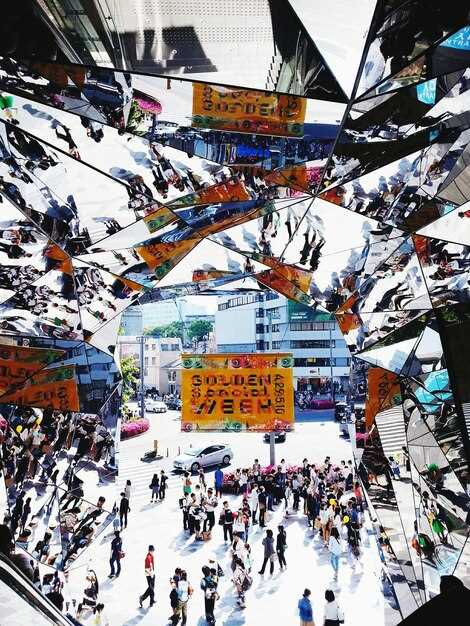 2025 Nara Attraction Travel Guide – Higashimuki Shopping Street (Aktualizované Sep)">

Start your visit with a morning stroll along Higashimuki Shopping Street, grab coffee from a local cafe, and plan your route to the famous sights at your own pace.
From the first block to the far end, Higashimuki blends shops, street snacks, and tiny galleries. Try onion skewers and a cup of coffee, then enjoy a street overlook from a second-floor cafe as you watch the flow of visitors.
Where to stay: a nearby ryokan offers easy access and a traditional touch after a day of exploring. Cost details vary by season, with typical room rates ranging from around 8,000 to 20,000 yen per person for a night, excluding meals. For parking, nearby city lots charge roughly 1,000–1,500 yen per day; downtown street spots can be 400–600 yen for 30 minutes during peak times. Restrooms are clearly signposted along Higashimuki and inside major shops for visitor use.
Multilingual guides cover both English and Japanese and offer tips tailored to first-time visitors. For fresh openings and events, check the zdroj of local updates and rely on trusted sources in the area. Visiting Higashimuki in Sep keeps shops refreshed with seasonal goods and limited-time specials, letting you find something new on every visit.
When planning your time, mix relaxing breaks with quick purchases: pause at a café, chat with shop staff, and compare options before you buy. This approach helps you spend much time exploring, discover hidden gems, and leave with memorable souvenirs that capture your Nara moment.
Higashimuki Street: practical shopper’s guide for 2025
Begin at kagami-ike and take the stairs down toward Higashimuki Street; this route puts you in proximity to the best shops and discounts in 2025. Within minutes you’ll see multilingual signs and staff ready to help you pick items that fit your taste and budget.
Spot ceramic pieces and souvenirs along white storefronts, then compare options at nearby shoten to gauge quality and cost. Seek items that come with neat wrapping and clear care instructions, so you can leave with a ready-to-gift keepsake that fits your bag.
Cost ranges keep you focused: small souvenir 300–700 yen, ceramic mug 600–1200 yen, decorative plate 900–1800 yen, senbei packs 150–350 yen per pack, premium pieces up to 3000 yen. Different stores price similarly sized items, so spend a few minutes on 2–3 shops to feel out value before you buy.
Hidden corners reward attention: side streets behind the main blocks hold quiet galleries and limited-run shoten where you can find unique pieces for a fair cost. Overlook viewpoints near the street corners provide a moment to compare finishes and see if a glaze or white tone matches your other keepsakes. The time you invest here yields a more contemplated purchase, not a rushed impulse.
Discount signaling helps you optimize spend: scan for daily discounts, seasonal sets, or bundled offers, especially around midday and early afternoon. Within a single block you can snag two or three practical items at a reduced price, then move on to the next shop without backtracking.
Take a break at a nearby café or port-side spot to recharge; a quiet café offers multilingual menus and quick service, perfect after a busy morning. If you crave a savory bite, try freshly baked senbei from a small shop and pair it with tea while you review your picks.
Leave Higashimuki Street with a curated mix: a ceramic piece, a souvenir, and a few practical items that fit your time and budget. This route keeps you efficient, yet relaxed, letting you enjoy the street’s rhythm, parks nearby, and the sense that you’ve seen the best shops without overspending.
Best times to visit Higashimuki Street for deals and light crowds
Visit on weekday mornings (9:00–11:00) to lock in the best deals while crowds are light. Shops open around 9:30–10:00, displays update quickly, and you can enter without rush–perfect for planning a relaxed walk and comparing prices across multiple shoten. If you’re arriving from a nearby station, the first stretch is usually the quietest, making it easier to spot visually striking signs and seasonal specials.
- Morning window (weekday 9:00–11:00): best for prices, shorter lines, and personal guidance from multilingual staff. Expect 15–25% lower crowd density than weekend mornings, which means faster entry at most stores and quicker decisions on blends of snacks and souvenirs.
- Midday balance (Tuesday–Thursday 11:30–14:00): a sweet spot for steady activity without the peak rush. You’ll still find ongoing promotions, especially at fatty snack counters and fresh food stalls, with the option to sample items while waiting for a seat at a nearby gate or cafe.
- Evening ease (17:00–19:30): last-hour discounts appear as shops prepare to close, and some offer bundle deals on light sightseeing mementos. This window is ideal for a memorable stroll after seeing nearby sights in the area, with a calmer pace than weekend nights.
During the golden weeks and holiday periods, crowds rise, but you can still plan to enter near opening hours or during the late afternoon lull to catch exclusive sales. If you’re combining Higashimuki with broader sightseeing, map a route that passes Sarutahiko Shrine for a pure, brief detour–a quiet, visually pleasing counterpoint to the busy street.
For a smooth experience, plan to spend 30–60 minutes per cluster of shops, especially around the near gate areas and the station exits. The practical size of the street means you can cover most of the main stretch on foot in under 90 minutes, allowing time for quick snack tastings and a few multilingual conversations with shop staff. If you’re arriving from Dotonbori, this route becomes a convenient, efficient extension of a world-class food and shopping day, with chances to compare prices directly and securely enter deals you wouldn’t spot from a passing glance.
Where to find affordable souvenirs and local crafts
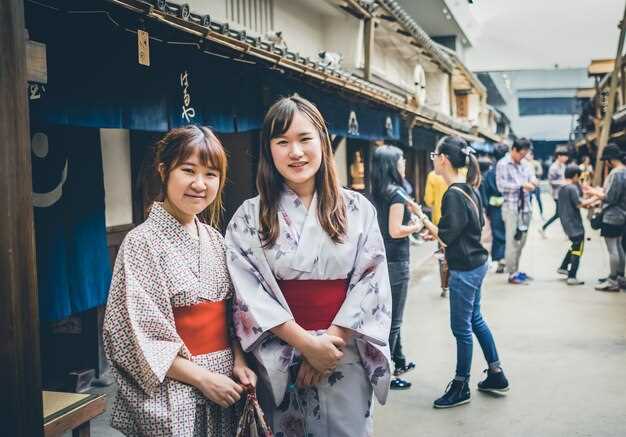
Hit the covered arcade at the east end of Higashimuki Shopping Street and head to stalls with woodwork, textiles, and pottery. You’ll see clear price tags and discount signs, so you can compare quickly. The inventory shifts daily, so you’ll find fresh options on each visit. Look for small, travel-friendly keepsakes such as hand-stained wooden spoons, compact vases, and printed fabrics that fold flat for packing.
For bigger savings, combine a few pieces from one stall and ask for a discount on a second item. If you want a keepsake that travels, consider a foldable tenugui or a compact ceramic pin; vendors often offer a better rate when you buy in bulk. If you speak with the seller and show interest, they may throw in a small gift or a free sample tasting of local snacks to accompany your purchase.
While browsing, check the rental signs for small display items or travel-friendly crafts; some stalls offer simple wrapping services for gifts. Note stall numbers and store your favorites; revisiting top spots lets you compare inventory and choose the best buy before you leave.
Must-try snacks and top stalls along Higashimuki
Start your tasting with the nakagawa stall just outside the outer gate, where the golden taiyaki delivers a crisp shell and velvety custard that melts on your tongue. The aroma pulls you in and the line moves quickly, so you can explore other stalls without losing momentum. The staff here explain each snack briefly, offering tips on the best way to eat them, and youll leave with a clean wrapper and a smile. Photos here capture the glossy crust and steam rising from the filling.
Move next to the kasuga corner for dango skewers with a soy glaze and a hint of sesame. The dango is japanese, soft, and the glaze balances sweet and savory, making a perfect mid-walk bite. A small demonstration shows how to dip the skewer for even coating, an offering that helps you enjoy without making a mess. The atmosphere feels welcoming, and foot traffic weaves smoothly between stalls, always with friendly chatter from the attendants, and youll feel inspired to try a second flavor on the spot.
The sika stall presents deer-shaped senbei and mochi, a full pairing with green tea. This stall offers a good balance of crunch and chew, and you can taste the seasonality of local ingredients. The staff accommodate disabilities with accessible seating and clear paths, and they also help you order samples to try before buying.
Near the buddha-inspired corner, try sesame-manju or bean-paste pastry, beautifully crafted with a delicate crust. A quick demonstration reveals the hands-on technique, and the offering includes a complimentary sample to savor. The outer alley hums with a warm, friendly energy that invites you to explore further and savor every bite.
| Stall | Snack | Poznámky | Price | Prístupnosť |
|---|---|---|---|---|
| nakagawa | Taiyaki (custard) | golden crust, velvety center | 180–260 JPY | mostly flat, helpful staff |
| kasuga | Dango with soy glaze | sesame-kissed, tender chew | 120–180 JPY | short queue, seating nearby |
| sika stall | Sika mochi & senbei | crispy bite, subtle sweetness | 140–200 JPY | accessible paths, assistive options |
| buddha corner | Sesame-manju | inšpirácia chrámom, hladké plnenie | 150–210 JPY | demonstrácia dostupná, vzorka ponúkaná |
| japonský stánok s sladkosťami | Yokan / matcha dango | bohatá chuť, zemitá vôňa | 160–230 JPY | tiché posedenie, dostatok priestoru |
Prístup a plánovanie trasy: ako sa dostať do Higashimuki vlakom a pešo
Najrýchlejšia trasa z centrálnych železničných uzlov v Kansai do Higashimuki: povoľte si JR Yamatoji Line na stanici JR Nara, vystúpte smerom na východ a prejdite sa približne 8–12 minút po Sanjo-dori do arkády Higashimuki.
Z vlakovej stanice Kintetsu Nara postupujte podľa značiek smerom k Higashimuki a prejdite peši približne 7 minút hlavným vchodom. Krytá arkáda vás udrží v pohodlí počas prehliadky obchodov a vychutnávania si japonských sladkostí.
Peši, môžete sa orientovať podľa blízkych pamiatok: todai-ji sa týči na západ, zatiaľ čo svätyňa sarutahiko, jelene sika pri kagami-ike a ďalšie miesta vytvárajú príjemnú okružnú trasu. Vstup do arkády je jasne označený; použite schody pri prechode pri chodciach, aby ste zostali na rovinatých cestách a dostali sa k východnému vchodu.
Mapy a živé kurzy vám pomáhajú prispôsobiť sa: skontrolujte prepravnú aplikáciu pre aktuálne časy a ceny lístkov; ranné návštevy vám umožnia preskúmať arkádu pred obedom, zatiaľ čo popoludní môžete kombinovať nakupovanie s ochutnávkou kuchyne a občerstvením z mnohých obchodov.
Tí, ktorí smerujú do Kyotoosaka, môžu využiť koridor Kyotoosaka, pričom Higashimuki slúži ako výhodná zastávka na ochutnávku histórie, kuchyne a moderného nakupovania. Vezmite si s sebou kompaktnú mapu, naplánujte si bloky 1–2 hodín a začnite svoju trasu z ktorokoľvek železničného uzla, aby ste maximalizovali čas v arкаде a jej jedáleňach.
Otváracie hodiny, októbrové akcie a sezónne výpredaje v obchodoch Higashimuki
Začnite tu o 10:00, aby ste stihli otváracie hodiny, potom sa vyberte do svojich obľúbených obchodov predtým, ako sa davy zväčšia, a zistite, aká je atmosféra tradičných aj moderných expozícií po Higashimuki.
Otváracie hodiny
- Väčšina tradičných obchodov má otváracie hodiny od 10:00 do 19:00 denne.
- Moderné obchody s módou a životným štýlom zvyčajne fungujú od 10:30 do 20:30, s predĺženou otváracou dobou v sobotu a nedeľu (často 10:30–21:00).
- Kávové miesta blízko vonkajších jazdných pruhov sa otvárajú skôr, približne od 08:30 do 20:00, ideálne pre rýchly a povzbudzujúci štart vášho objavovania.
- Prístupnosť: väčšina hlavných vchodov je bezbariérová s rampami; k dispozícii sú plne bezbariérové toalety v niekoľkých budovách a personál môže pomôcť zákazníkom so zdravotným postihnutím alebo so sluchovým postihnutím. Ak potrebujete pomoc pri nájdení bezbariérového chodníka, opýtajte sa na informačnom mieste pri motíve Sarutahiko v historických okenných vitrínach.
Sep promotions
- Sezónny štart prebieha od 1. do 10. septembra: 10–20% zľava na vybrané oblečenie a tašky v zapojených predajniach; mnohé predajne označujú obľúbené položky jasnými štítkami, čo uľahčuje spozorovanie dobrých zliav bez toho, aby bolo potrebné extra hľadať.
- Zvýhodnenie v polovici septembra: akcie kup-dve, ušetri-20% na bytové dekorácie, kuchynské potreby a príslušenstvo na kávu v najvyšších radoch predajní mimo hlavnej arkády.
- Ešte jasnejšia hodnota počas víkendov: extra 5–10% zľava na balíčky pre turistov, vrátane malých darčekov pri nákupoch nad 3 000 jenov v mnohých predajniach.
- Opýtajte sa personálu na akcie s časovým obmedzením na miestne pochutiny a tradičné remeslá – tieto sa zvyčajne dennodenne menia a dajú sa rýchlo premeniť na suvenír bez toho, aby ste príliš zaplatili.
Sezónne výpredaje a tipy na objavovanie
- Jesenný výpredaj potrvá od polovice septembra do konca septembra, pričom ceny budú zreteľne znížené na jarnom modeli, šatkách a ručne vyrábanom keramickom výrobku. Hľadajte éterické malé štítky, ktoré označujú najlepšie ponuky; pri návšteve ich ľahko uvidíte.
- Osvetlenie lokálnej kávy a občerstvenia: niekoľko obchodov bude spájať vzorku kávy s nákupom pečiva, priateľský spôsob, ako ochutnať históriu kávy v Nare a zároveň získať dobrú cenu.
- Obchody na vedľajších uličkách mimo hlavnej triedy často ponúkajú agresívnejšie sezónne zľavy (20–40%), takže tam urobte rýchly prieskum po vašej prvej runde obľúbených obchodov.
- Pre rodiny a cestovateľov so zdravotným postihnutím mnohé obchody udržiavajú zreteľne označené prístupné vchody a sedacie zóny; môžete si rozložiť presuny medzi miestami bez toho, aby ste sa ponáhľali. Ak ste tu turista s invalidným vozíkom, naplánujte si pobyt v centrálnych blokoch, kde je značenie jasnejšie a zamestnanci sú zvyknutí pomáhať.
- Tu je praktický plán: začnite v rohu označenom Sarutahikom, potom prejdite po slučke proti smeru hodinových ručičiek, aby ste navštívili vlajkové obchody predtým, ako zavrú, a ukončite to v kaviareni, kde budete rozjímať o dnešných nálezoch.