


 עִבְרִית
  English (UK)
  Русский
  বাংলা
বাংলা  العربية
  日本語
日本語  한국어
한국어  Magyar
  Norsk nynorsk
  Türkçe
  Español
  Čeština
  Svenska
  Português
  Ελληνικά
  Suomi
Suomi  Nederlands
  Română
  Italiano
  Français
  Polski
  Українська
  Deutsch
  简体中文
简体中文  Slovenčina
  Српски језик
  اردو
اردو  Azərbaycan dili
  O‘zbekcha
  አማርኛ
አማርኛ 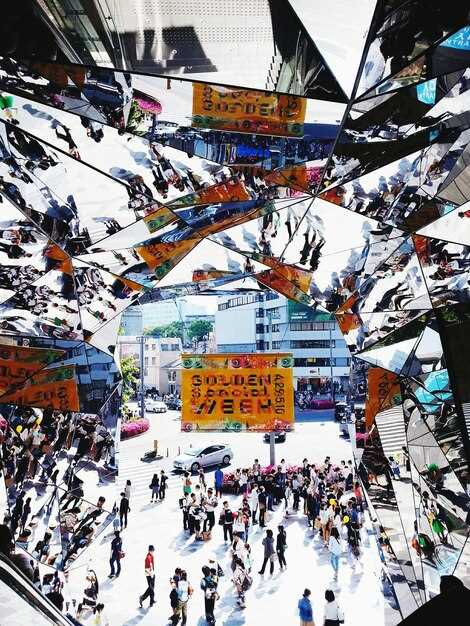 מדריך טיולים לאטרקציות בנארה 2025 - רחוב הקניות היגאשימוקי (עודכן בספטמבר)">

Start your visit with a morning stroll along Higashimuki Shopping Street, grab coffee from a local cafe, and plan your route to the famous sights at your own pace.
From the first block to the far end, Higashimuki blends shops, street snacks, and tiny galleries. Try onion skewers and a cup of coffee, then enjoy a street overlook from a second-floor cafe as you watch the flow of visitors.
Where to stay: a nearby ryokan offers easy access and a traditional touch after a day of exploring. Cost details vary by season, with typical room rates ranging from around 8,000 to 20,000 yen per person for a night, excluding meals. For parking, nearby city lots charge roughly 1,000–1,500 yen per day; downtown street spots can be 400–600 yen for 30 minutes during peak times. Restrooms are clearly signposted along Higashimuki and inside major shops for visitor use.
Multilingual guides cover both English and Japanese and offer tips tailored to first-time visitors. For fresh openings and events, check the מָקוֹר of local updates and rely on trusted sources in the area. Visiting Higashimuki in Sep keeps shops refreshed with seasonal goods and limited-time specials, letting you find something new on every visit.
When planning your time, mix relaxing breaks with quick purchases: pause at a café, chat with shop staff, and compare options before you buy. This approach helps you spend much time exploring, discover hidden gems, and leave with memorable souvenirs that capture your Nara moment.
Higashimuki Street: practical shopper’s guide for 2025
Begin at kagami-ike and take the stairs down toward Higashimuki Street; this route puts you in proximity to the best shops and discounts in 2025. Within minutes you’ll see multilingual signs and staff ready to help you pick items that fit your taste and budget.
Spot ceramic pieces and souvenirs along white storefronts, then compare options at nearby shoten to gauge quality and cost. Seek items that come with neat wrapping and clear care instructions, so you can leave with a ready-to-gift keepsake that fits your bag.
Cost ranges keep you focused: small souvenir 300–700 yen, ceramic mug 600–1200 yen, decorative plate 900–1800 yen, senbei packs 150–350 yen per pack, premium pieces up to 3000 yen. Different stores price similarly sized items, so spend a few minutes on 2–3 shops to feel out value before you buy.
Hidden corners reward attention: side streets behind the main blocks hold quiet galleries and limited-run shoten where you can find unique pieces for a fair cost. Overlook viewpoints near the street corners provide a moment to compare finishes and see if a glaze or white tone matches your other keepsakes. The time you invest here yields a more contemplated purchase, not a rushed impulse.
Discount signaling helps you optimize spend: scan for daily discounts, seasonal sets, or bundled offers, especially around midday and early afternoon. Within a single block you can snag two or three practical items at a reduced price, then move on to the next shop without backtracking.
Take a break at a nearby café or port-side spot to recharge; a quiet café offers multilingual menus and quick service, perfect after a busy morning. If you crave a savory bite, try freshly baked senbei from a small shop and pair it with tea while you review your picks.
Leave Higashimuki Street with a curated mix: a ceramic piece, a souvenir, and a few practical items that fit your time and budget. This route keeps you efficient, yet relaxed, letting you enjoy the street’s rhythm, parks nearby, and the sense that you’ve seen the best shops without overspending.
Best times to visit Higashimuki Street for deals and light crowds
Visit on weekday mornings (9:00–11:00) to lock in the best deals while crowds are light. Shops open around 9:30–10:00, displays update quickly, and you can enter without rush–perfect for planning a relaxed walk and comparing prices across multiple shoten. If you’re arriving from a nearby station, the first stretch is usually the quietest, making it easier to spot visually striking signs and seasonal specials.
- Morning window (weekday 9:00–11:00): best for prices, shorter lines, and personal guidance from multilingual staff. Expect 15–25% lower crowd density than weekend mornings, which means faster entry at most stores and quicker decisions on blends of snacks and souvenirs.
- Midday balance (Tuesday–Thursday 11:30–14:00): a sweet spot for steady activity without the peak rush. You’ll still find ongoing promotions, especially at fatty snack counters and fresh food stalls, with the option to sample items while waiting for a seat at a nearby gate or cafe.
- Evening ease (17:00–19:30): last-hour discounts appear as shops prepare to close, and some offer bundle deals on light sightseeing mementos. This window is ideal for a memorable stroll after seeing nearby sights in the area, with a calmer pace than weekend nights.
During the golden weeks and holiday periods, crowds rise, but you can still plan to enter near opening hours or during the late afternoon lull to catch exclusive sales. If you’re combining Higashimuki with broader sightseeing, map a route that passes Sarutahiko Shrine for a pure, brief detour–a quiet, visually pleasing counterpoint to the busy street.
For a smooth experience, plan to spend 30–60 minutes per cluster of shops, especially around the near gate areas and the station exits. The practical size of the street means you can cover most of the main stretch on foot in under 90 minutes, allowing time for quick snack tastings and a few multilingual conversations with shop staff. If you’re arriving from Dotonbori, this route becomes a convenient, efficient extension of a world-class food and shopping day, with chances to compare prices directly and securely enter deals you wouldn’t spot from a passing glance.
Where to find affordable souvenirs and local crafts
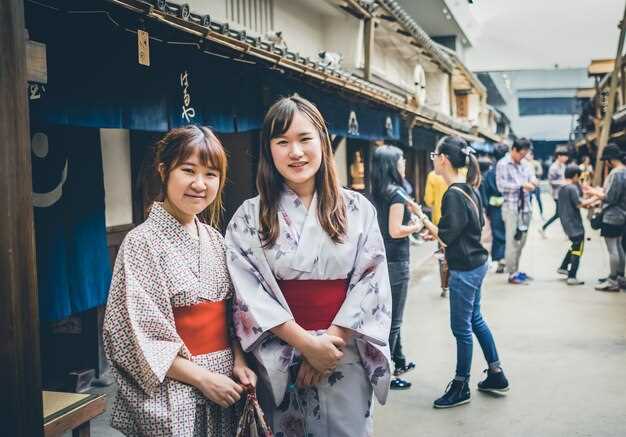
Hit the covered arcade at the east end of Higashimuki Shopping Street and head to stalls with woodwork, textiles, and pottery. You’ll see clear price tags and discount signs, so you can compare quickly. The inventory shifts daily, so you’ll find fresh options on each visit. Look for small, travel-friendly keepsakes such as hand-stained wooden spoons, compact vases, and printed fabrics that fold flat for packing.
For bigger savings, combine a few pieces from one stall and ask for a discount on a second item. If you want a keepsake that travels, consider a foldable tenugui or a compact ceramic pin; vendors often offer a better rate when you buy in bulk. If you speak with the seller and show interest, they may throw in a small gift or a free sample tasting of local snacks to accompany your purchase.
While browsing, check the rental signs for small display items or travel-friendly crafts; some stalls offer simple wrapping services for gifts. Note stall numbers and store your favorites; revisiting top spots lets you compare inventory and choose the best buy before you leave.
Must-try snacks and top stalls along Higashimuki
Start your tasting with the nakagawa stall just outside the outer gate, where the golden taiyaki delivers a crisp shell and velvety custard that melts on your tongue. The aroma pulls you in and the line moves quickly, so you can explore other stalls without losing momentum. The staff here explain each snack briefly, offering tips on the best way to eat them, and youll leave with a clean wrapper and a smile. Photos here capture the glossy crust and steam rising from the filling.
Move next to the kasuga corner for dango skewers with a soy glaze and a hint of sesame. The dango is japanese, soft, and the glaze balances sweet and savory, making a perfect mid-walk bite. A small demonstration shows how to dip the skewer for even coating, an offering that helps you enjoy without making a mess. The atmosphere feels welcoming, and foot traffic weaves smoothly between stalls, always with friendly chatter from the attendants, and youll feel inspired to try a second flavor on the spot.
The sika stall presents deer-shaped senbei and mochi, a full pairing with green tea. This stall offers a good balance of crunch and chew, and you can taste the seasonality of local ingredients. The staff accommodate disabilities with accessible seating and clear paths, and they also help you order samples to try before buying.
Near the buddha-inspired corner, try sesame-manju or bean-paste pastry, beautifully crafted with a delicate crust. A quick demonstration reveals the hands-on technique, and the offering includes a complimentary sample to savor. The outer alley hums with a warm, friendly energy that invites you to explore further and savor every bite.
| דוכן | חטיף | הערות | מחיר | נגישות |
|---|---|---|---|---|
| nakagawa | Taiyaki (custard) | golden crust, velvety center | 180–260 JPY | mostly flat, helpful staff |
| kasuga | Dango with soy glaze | sesame-kissed, tender chew | 120–180 JPY | short queue, seating nearby |
| sika stall | Sika mochi & senbei | crispy bite, subtle sweetness | 140–200 JPY | accessible paths, assistive options |
| buddha corner | Sesame-manju | temple-inspired, smooth filling | 150–210 JPY | demonstration available, sample offered |
| דוכן ממתקים יפניים | יוקאן / דנגו מאצ'ה | טעם עשיר, ארומה אדמתית | 160–230 ין יפני | ישיבה שקטה, מרחב נרחב |
גישה ותכנון מסלול: איך להגיע להיגאשימוקי ברכבת וברגל
הנה המסלול המהיר ביותר ממרכזי הרכבות הראשיים של קנסאי להיגאשימוקי: קחו את קו JR Yamatoji לתחנת JR נארה, צאו לכיוון מזרח, ולכו כ-8–12 דקות לאורך סאנג'ו-דורי אל תוך ארקייד היגאשימוקי.
מתחנת קינטצו נארה, עקבו אחר השילוט לכיוון היגאשימוקי וטיילו כ-7 דקות דרך הכניסה הראשית. הארקייד המקורה שומר עליכם בנוח בזמן שאתם מעיינים בחנויות ונהנים ממאכלים יפניים.
ברגל, תוכלו להתמצא לפי נקודות ציון סמוכות: טודאי-ג'י מתנשא ממערב, בעוד שמקדש סארוטאהיקו, איילי סיקה ליד קגאמי-איקה ואתרים אחרים יוצרים מסלול נעים. הכניסה לארקייד מסומנת בבירור; השתמשו במדרגות במעברי חציה כדי להישאר בשבילים ישרים ולהגיע לכניסה המזרחית.
מפות ושערי המרה בזמן אמת עוזרים לך להתאים את עצמך: בדוק אפליקציית תחבורה ציבורית לזמנים ומחירי כרטיסים עדכניים; ביקורים בבוקר מאפשרים לך לחקור את הארקייד לפני ארוחת הצהריים, ואילו אחר הצהריים תוכל לשלב קניות עם דגימות קולינריות וחטיפים מהחנויות הרבות.
הנוסעים לכיוון קיוטוסאקה יכולים להשתמש במסדרון קיוטוסאקה, כאשר היגשימוקי משמשת כעצירה נוחה לטעימה מההיסטוריה, מהמטבח ומהקניות המודרניות. הצטיידו במפה קומפקטית, תכננו בלוקים של שעה-שעתיים, והתחילו את המסלול שלכם מכל אחד ממרכזי הרכבות כדי למקסם את הזמן בארקייד ובמסעדות שבו.
שעות פתיחה, מבצעי ספטמבר ומכירות עונתיות בחנויות היגאשימוקי
התחילו כאן ב-10:00 כדי להספיק לשעות הפתיחה, ואז לכו לחנויות האהובות עליכם לפני שהקהל גדל, ותתחילו להרגיש גם תצוגות מסורתיות ומודרניות לאורך היגאשימוקי.
שעות פתיחה
- רוב החנויות המסורתיות פתוחות מדי יום בין השעות 10:00-19:00.
- חנויות אופנה ולייף סטייל מודרניות פועלות בדרך כלל בין השעות 10:30 ל-20:30, עם שעות נוספות בשבתות ובימי ראשון (לרוב 10:30–21:00).
- בתי קפה ליד השבילים החיצוניים נפתחים מוקדם יותר, בסביבות 08:30 עד 20:00, אידיאלי להתנעה מהירה ואמיתית של המסע שלכם.
- נגישות: רוב הכניסות הראשיות נגישות לכיסאות גלגלים עם רמפות; שירותי נכים נגישים במלואם זמינים במספר בניינים, והצוות יכול לסייע ללקוחות עם מוגבלויות או צרכי שמיעה. אם אתם זקוקים לעזרה במציאת נתיב נגיש, שאלו בנקודת המידע ליד מוטיב סארוטאהיקו בתצוגות החלון המתמקדות בהיסטוריה.
קידומי מכירות לספטמבר
- עונת הפתיחה תתקיים בין ה-1 ל-10 בספטמבר: 10–20% הנחה על ביגוד ותיקים נבחרים בחנויות המשתתפות; חנויות רבות מסמנות פריטים מועדפים בתגיות צבעוניות, מה שמקל על זיהוי הנחות טובות מבלי לחפש יותר מדי.
- דחיפה באמצע ספטמבר: קנו כל שניים, חסכו 20% הנחה על מבצעים על פני עיצוב הבית, כלי מטבח ואביזרי קפה בשורות העליונות של החנויות מחוץ לקשת הראשית.
- ערך ברור עוד יותר בסופי שבוע: הנחה נוספת של 5–10% על חבילות ידידותיות לתיירים, כולל מתנות קטנות ברכישות מעל 3,000 ין במגוון חנויות.
- שאלו את הצוות על מבצעים לזמן מוגבל על חטיפים מקומיים ומלאכות מסורתיות – אלה בדרך כלל מתחלפים מדי יום וניתן להפוך אותם למזכרת מהירה בלי לשלם יותר מדי.
מבצעי סוף עונה וטיפים לטיולים
- מבצע קציר הסתיו יתקיים מאמצע ספטמבר ועד סוף ספטמבר, עם הוזלות גלויות על אופנת סתיו, צעיפים וכלי קרמיקה בעבודת יד. חפשו את התגיות הספקטרליות הקטנות שמסמנות את המבצעים הטובים ביותר; קל לזהות אותן כשאתם כאן.
- זרקור על קפה וחטיפים מקומיים: מספר חנויות יאגדו דוגמית קפה עם רכישת מאפים, דרך ידידותית לטעום את ההיסטוריה של תרבות הקפה של נארה וגם לקבל מחיר טוב.
- חנויות צדדיות מחוץ לשדרה הראשית מציעות לרוב הנחות עונתיות משמעותיות יותר (20–40%), אז עשו סיבוב קצר שם לאחר השלב הראשון בחנויות האהובות עליכם.
- עבור משפחות ומטיילים עם מוגבלויות, חנויות רבות מקפידות על שילוט ברור של כניסות נגישות ואזורי ישיבה; אתם יכולים לקבוע את הקצב שלכם בין המקומות בלי למהר. אם אתם תיירים כאן עם כיסא גלגלים, תכננו לשהות בגושים המרכזיים שבהם השילוט ברור יותר והצוות רגיל לעזור.
- הנה תוכנית מעשית: להתחיל בפינה המסומנת על ידי סארוטאהיקו, ואז ללכת בלולאה עם כיוון השעון כדי לתפוס חנויות דגל לפני שהן נסגרות, ולסיים בבית קפה כדי להרהר בממצאי היום.