


 Українська
  English (UK)
  Русский
  বাংলা
বাংলা  العربية
  日本語
日本語  한국어
한국어  Magyar
  Norsk nynorsk
  Türkçe
  עִבְרִית
  Español
  Čeština
  Svenska
  Português
  Ελληνικά
  Suomi
Suomi  Nederlands
  Română
  Italiano
  Français
  Polski
  Deutsch
  简体中文
简体中文  Slovenčina
  Српски језик
  اردو
اردو  Azərbaycan dili
  O‘zbekcha
  አማርኛ
አማርኛ 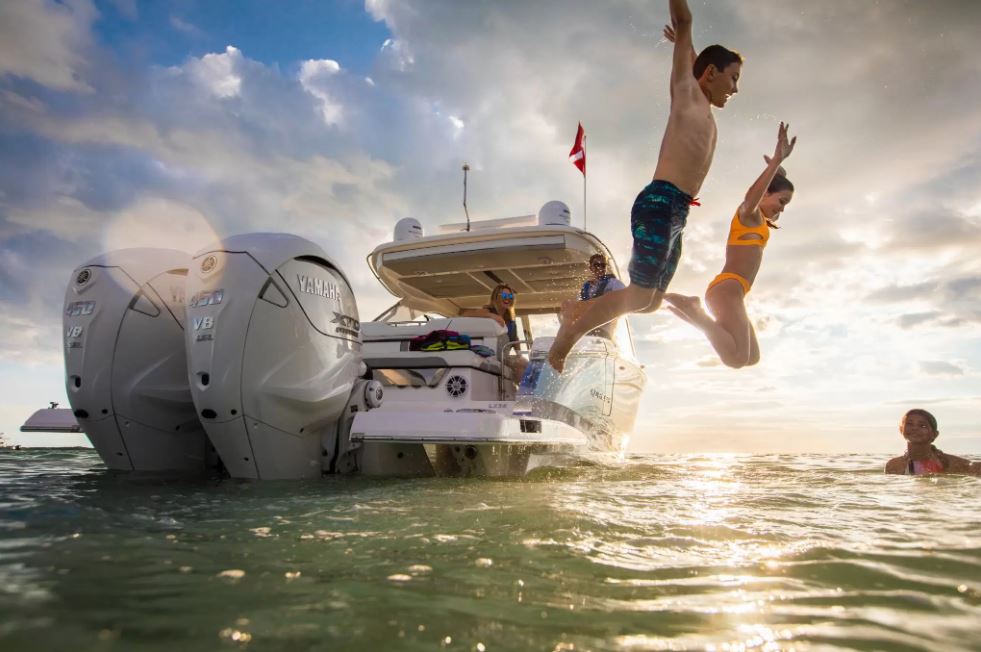 How First-Time Boaters Are Reshaping Marinas, Charters and Coastal Tourism">

Nearly 420,000 individuals bought their first boat in the United States in 2021, accounting for roughly 34% of all boat sales that year; the surge has immediate effects on marina capacity, berth allocation, charter availability, and local transport networks as ports adapt to higher transient demand.
Digital education and accessibility at a glance
Today’s newcomers are less likely to learn at a family dock and more likely to arrive with pre-trip research from online channels. Step‑by‑step tutorials, forums, and short-form videos have become core elements of the onboarding process, reducing psychological barriers and changing the profile of a competent boater. This shift has logistical consequences: marinas and charter operators must assume a baseline familiarity among customers while also maintaining accessible in-person briefings and safety checks.
Formal training and certification
Alongside peer-to-peer learning, formal courses and certification programmes have expanded. Many sailing clubs and maritime schools now offer modular classes that match busy schedules and different learning styles. The result is a safer, more confident cohort of users who expect clear documentation, efficient booking flows, and predictable service standards from providers.
Shared ownership, subscriptions, and the economics of access
Historically, high ownership costs meant boating was limited to households who could absorb storage, maintenance and insurance. New models – boat clubs, fractional ownership and subscription-style memberships – redistribute those costs, aligning with broader consumer trends that favour access over ownership. For tourism operators, this means fluctuating but expanding demand for short-term charters, guided excursions, and experiential packages.
| Модель | Typical Upfront Cost | Maintenance & Insurance | Flexibility |
|---|---|---|---|
| Full Ownership | High | Owner-responsible | High but costly |
| Boat Club / Fractional | Moderate | Shared | High (time-limited) |
| Charter / Hire | Low | Provider-responsible | Very high (on-demand) |
Why operators should care
- Membership models drive repeat visitation and predictable revenue.
- Short-term charters open up the market to tourists seeking yacht parties, cruise packages, or day trips without a long-term commitment.
- Marinas must invest in flexible berthing and quick-turn provisioning to support varied demand cycles.
Changing demographics and tourism patterns
First-generation boaters tend to be younger, more diverse, and digitally native compared to the traditional Baby Boomer customer base. Many come from urban or suburban settings and discover boating through rentals, charters, or social media-driven lifestyle content rather than inheritance. The COVID-19 pandemic accelerated interest in outdoor, distanced leisure—boosting demand for activities that dovetail with tourism: adventure rafting trips, eco-friendly wildlife safaris by sea, and curated museum tours with live guides paired with shore excursions.
Impact on local tourism products
Destinations and tour operators should note that these new boaters value: convenience, authentic local experiences, and the ability to combine work and leisure (remote-work weekends on the water). That preference increases demand for tailored offerings such as exclusive yacht charters for events, small-group cruise packages, and experiential shore activities that integrate local culture.
Operational considerations for service providers
Operators need streamlined booking systems, clear safety onboarding, and modular add-ons (fuel packages, provisioning, guided tours). Investment in digital check-ins, flexible cancellation policies, and real-time berth management helps reduce friction for first-time users and tourists alike.
To have a mind to capture this market, providers should also adapt marketing to highlight inclusivity and practical entry points: rentals, beginner-friendly instruction, and crewed charters that lower the threshold for participation.
Highlights: the rise of first-generation boaters signals broader shifts—marinas must rethink logistics, operators must diversify products, and tourism experiences can leverage this growth to sell more short-term, high-value excursions. However, the best reviews and most honest feedback still can’t replace personal experience. On GetExperience, you book your experience from verified providers at reasonable prices. The platform allows secure online payments with voucher confirmation issued afterward and offers the option to submit requests tailored to your needs so providers can send matching offers—making it easy to find the right charter, guided island tour, or yacht party without guesswork. Book now GetExperience.com
In summary, the influx of nearly 420,000 first-time boat owners has altered mooring demand, changed how maritime education is delivered, and accelerated shared-access models that tie directly into tourism opportunities. Service providers who respond with flexible berthing, modular experiences, and strong digital booking and safety workflows can convert new boaters into repeat visitors. The result is a richer landscape of travel experiences—ranging from adventure activities and exclusive yacht charters to cruise packages and museum tours with live guides—ready to meet evolving demand.