


 Українська
  English (UK)
  Русский
  বাংলা
বাংলা  العربية
  日本語
日本語  한국어
한국어  Magyar
  Norsk nynorsk
  Türkçe
  עִבְרִית
  Español
  Čeština
  Svenska
  Português
  Ελληνικά
  Suomi
Suomi  Nederlands
  Română
  Italiano
  Français
  Polski
  Deutsch
  简体中文
简体中文  Slovenčina
  Српски језик
  اردو
اردو  Azərbaycan dili
  O‘zbekcha
  አማርኛ
አማርኛ  Вечерня з гейшами в Кіото в районі Гіон – Культурна пішохідна екскурсія">
Book a guided Kyoto Geisha dinner in Gion and arrive early to secure a seat near the center of the action. A licensed guide will introduce the route, explain etiquette, and set expectations for a true cultural walk that begins at a nearby ryokan and threads through the district’s historic lanes.
Exploring the streets, you cover long stretches between lantern-lit teahouses and wooden machiya, while your guide shares the apprenticeship stories that shape a geisha’s training. The narrative blends history with practical tips for respectful viewing and comfortable pacing.
Process details matter: meet at a designated ryokan, listen to a short briefing, and walk with a licensed guide. A monthly rotation keeps the routes fresh, and the dinner features seasonal ingredients. The cost is published upfront, with a portion supporting cultural stations and a tea service that complements the meal. A short etiquette briefing is required for all participants.
Between the lanterns and gardens, there are clear boundaries between visitors and spectators. Your guide will point out where photography is allowed and where silence is requested to preserve the intimate atmosphere at the center of Gion. In november, the climate cools and the streets glow with warm light as you walk through alleys that once hosted secret teahouse gatherings.
monthly tours often pair with a short hospitality tradition at a nearby ryokan, where guests hear about the apprenticeship system and how ochaya operate. Some venues offer a glimpse into the courtyard process, and you may be taken through a brief ritual that signals the evening’s closing through the neighborhood.
For a smooth experience, stay at a traditional ryokan in Gion after the walk; this keeps you close to daily life and supports local culture. Arrive with respectful attire and a curious mind, and you’ll leave with genuine insights into a living tradition rather than a staged performance.
Geisha Dinner in Gion: Practical Guide to a Cultural Walking Experience
Book a guided, early afternoon walk with a licensed host to experience higashiyama’s quiet lanes before the Geisha Dinner in Gion begins.
The route consists of three segments: narrow lanes, wooden machiya, and tea houses; it follows key dori routes such as Hanamikoji-dori and Shirakawa-dori, weaving toward the geisha districts of Gion.
Along the way you hear secrets about lives in higashiyama, including the daughters who train and the dancers who keep a wide repertoire; you gain insights into how the heart of the district beats. The guide may reference ichriki houses as part of the Meiji-era network that shaped performances.
The evening culminates in a captivating performance that unfolds along a few short dori blocks; the dancers, known for decades, showcase graceful moves and precise timing that reveal Meiji-meets-modern choreography.
During the dinner, the cuisine blends seasonal ingredients with refined preparations, offering a concise menu that suits participating guests who want a balanced taste of tradition and modern touches.
Practical tips: arrive in an afternoon slot within the weeks outside major festivals; Yasui corner and the geisha districts stay busy, so book early. Walking pace remains wide, and participating hosts provide clear insights. No vehicle is allowed on the walking path; taxis can drop you off nearby.
Know etiquette: bow softly, speak respectfully, and request consent before photos; train your eye for subtle gestures as a way to connect with the dancers and hosts; if you want a memory, request a post-dinner picture with consent.
Participating in a Geisha Dinner in Gion offers a wide, sensory glimpse into a living culture; plan to reserve a seat, respect the setting, and leave with a richer sense of the city’s secrets and its people.
Best time to reserve a Geisha dinner and cultural walk
Reserve at least 3 weeks ahead for weekend slots in Higashiyama and kamogawa, especially during sakura in spring or maple season in autumn, to secure a maikoya seating and a full cultural walk without hurrying. This course blends dinner with a cultural walk, giving you a compact, immersive experience in a single evening. If you stayed near kamogawa, plan to arrive early to settle in.
Spring and autumn attract the most artists and visitors, bringing history and customs to life through narrow lanes and temple precincts. Weekdays stay calmer, making a 5:30–6:30 pm start feasible and letting you enjoy the atmosphere without the middle-of-the-evening rush. The surrounding mountain foothills and park areas provide pleasant pauses, with rock lanterns and quiet corners along the river as you move between venues.
Getting to the Maikoya and back takes only a short walk from nearby guesthouses in Higashiyama, and operators typically set fixed schedules to preserve the flow of the experience. Nevertheless, deadlines can shift due to weather or local events, so a disclaimer at booking is wise. Maikoya operate with seasonal calendars, and you must confirm the exact start time and route to avoid missing key moments, especially if you are staying in a busy area.
Disclaimer: schedules vary by maikoya and by date; always confirm the exact start time and the walking route before you arrive. For a great memory, choose a slot that begins near sunset and allows time for a short stroll along the kamogawa river, a visit to Shinto shrines, and a final dining course being hosted by attentive artists who honor Kyoto’s history and customs.
| Сценарій | Recommended start time | Why it works |
|---|---|---|
| Peak seasons (sakura, autumn leaves) | 5:30–6:00 pm | Maximizes light for photos, aligns with maikoya schedules, and allows a relaxed walk before dark |
| Off-peak weeks | 5:00–6:30 pm | Greater seating availability; you can extend the stroll and savor the atmosphere without crowding |
| Staying near Higashiyama or kamogawa | 5:30–6:15 pm | Short travel from lodging; lowers getting stuck in transit and preserves the park-and-river ambiance |
How to select an authentic Geisha house in Gion
Ask directly for a verified itinerary and pricing, and choose a house based in Gion with strict guest policies and transparent timing. If you are asking for details, verify that the house is part of a recognized community and request a named host who can answer questions directly about the talk order, safety, and what is included in the evening.
Look for spaces that honor gardens and foliage, with bamboo accents and quiet courtyards. A genuine Geisha house tends gardens and uses traditional decor that signals a profession rooted in centuries of practice. If you visit in January or spring, confirm how the season influences performances and guest flow, and whether menus, props, and crafts rely on locally-sourced materials.
Validate the performers by asking about training and whether the artists are maiko or geiko, and how exhibitions rotate between intimate talk and stage performances in dedicated theaters. Some houses schedule eight exhibitions per season, offering gems of storytelling and skill crafted by seasoned performers.
Confirm the entertainment model: does the program entertain through a curated talk, or include music, dance, and etiquette demonstrations? A very thoughtful house will explain boundaries, safety, and how to interact with performers, so you can enjoy the evening with respect and warmth.
Etiquette for geisha encounters and during the stroll
Ask permission before photographing and bow gently when a geisha or shes companions pass by; a calm nod shows respect and sets a considerate tone for the walk through Tegara lanes.
-
Before you approach, keep your pace steady and your hands relaxed. If a group is moving in formation, stay in the middle of the crowd and let the guide lead. This shows you value the rhythm of the odori and the special balance between hosts and guests during the April evening light.
-
When you meet a geisha, address them with a polite greeting such as “good evening” and a single bow. If you’re unsure who to address, use a courteous umbrella of silence until they speak. Remember that each one has trained in years of training, and your restraint allows their shows to unfold without distraction.
The following guidelines help you navigate photography, conversation, and movement without drawing attention away from the moment.
-
Photography is allowed only with explicit permission. If permission is granted, keep the frame wide and the distance respectful; avoid lingering on skin or intimate details, and never step underneath the guests’ path or obstruct the line of travel.
-
Limit questions to craft, tradition, and the odori rather than personal life. You can ask about the festival, the features of a performance, or the history of the tea houses; ones that show curiosity about culture are well received.
-
During the stroll, walk in a single file or in a quiet crowd to preserve space. If a geisha pauses near a shop window, give them space to move; stepping aside beneath awnings helps maintain the flow of the line and keeps the group comfortable in the middle of busy streets.
-
Touch is not appropriate. Do not touch sleeves, obi, or fans, and avoid reaching for belongings that trail behind a person. Underneath the sleeve folds, the craft remains delicate and easily disrupted by careless contact.
-
Use respectful silence during conversations. If a geisha shares a memory of a movie or a past performance, listen intently and respond with brief, appreciative phrases. This demonstrates you learned something from the moment and value the artistry behind each shows.
Після прогулянки, коротке, вдячне прощання допомагає закріпити позитивне враження. Просте "дякую" та ввічливий кивок визнають спільний досвід між гостями, господарями та дочками окії, які вас вітали. Якщо ви погодилися допомогти з невеликим благодійним заходом чи подією, дотримуйтеся вказівок господаря та робіть внесок непомітно, що вважається продуманим у цьому контексті.
Поради, які слід пам’ятати, коли ви починаєте прогулянку: пристосовуйте свій темп, щоб не поспішати з процесією, спостерігайте за ритмом одорі на вулиці та пам’ятайте, що мета – спостерігати за майстерністю та гостинністю, а не збирати моменти для публікації в Інтернеті. Досвід відчувається дуже захоплюючим, коли ви залишаєтеся присутніми, помічаєте особливості навколишнього середовища та вчитеся з тонких підказок гіда. У квіткових вечорах ця усвідомленість може стати тривалою пам’яттю, тихим фільмом у вашій голові про те, як культура та традиції рухаються через Тегара та Гіон, крок за кроком.
Що одягнути для вечора в Гіоні: дрес-код та догляд.
Одягніть вишуканий, напівформальний одяг для вечора в Гіоні: сукню до коліна з чіткими лініями або ансамбль, натхненний кімоно, з тонким обі. Якщо ви одягли кімоно, переконайтеся, що край акуратно сидить, коли ви прогулюєтеся ланами, освітленими ліхтарями; якщо ви берете участь у вечері, це допоможе вам почуватися комфортно та поважно.
Обирайте кольори, які гармоніюють із сутінковим світлом Кіото – індиго, вугільний, моховий зелений або м’який тауп. Уникайте помітних логотипів; додайте вишуканості за допомогою розкішного обі або тонких металевих акцентів. Якщо хтось одягає сміливий аксесуар, тримайте його в мінімалістичному стилі.
Взуття має бути тихим і зручним: низькі шкіряні балетки, м'які сандалі або закриті зорі. Це допомагає запобігти втомі та зберігає м'який ритм дерев'яної підлоги, коли ви рухаєтесь ґіоном. Якщо ви чуєте спів з сусідніх чайних будинків, ходіть тихо, щоб не порушити виступи.
Догляд: зачісуйте волосся назад або акуратно укладайте; використовуйте легкий макіяж і натуральний манікюр; мінімальна кількість прикрас довершує образ. Образ, що нагадує тиху елегантність міяко, поєднується зі стриманим стилем. Хоча й непомітний, ефект виглядає охайним.
Поради для компаньйонів: вона подорожує з групою, узгоджуйте одяг з господарем, щоб зберегти цілісний вигляд. Візьміть невеликий шаль для прохолодних вечорів; носіть компактну сумку для необхідних речей та, можливо, декількох сувенірів; якщо ви придбали щось під час вечора, зберігайте це надійно, щоб уникнути безладу.
Етикет та безпека: уникайте сильних парфумів та гучних розмов; робіть фотографії непомітно біля виконавців; якщо господар пропонує допомогу з вашим обі, відповідайте "окотоварі", якщо ви віддаєте перевагу не приймати допомогу – витончені відмови прийнятні. Будьте уважні до таких ситуацій, як натовп, який проходить повз.
За межами району Гіон, Арашіяма пропонує інші враження, а район Міяко додає інший настрій під час нічної прогулянки. Цьогорічний план має поєднувати енергію з спокоєм; найкращі спогади виникають завдяки одягу, який відповідає обстановці, акуратному догляду та поважній поведінці.
Шопінг на вулиці Шідзьо в Гіоні: ключові бутіки та поради для покупців
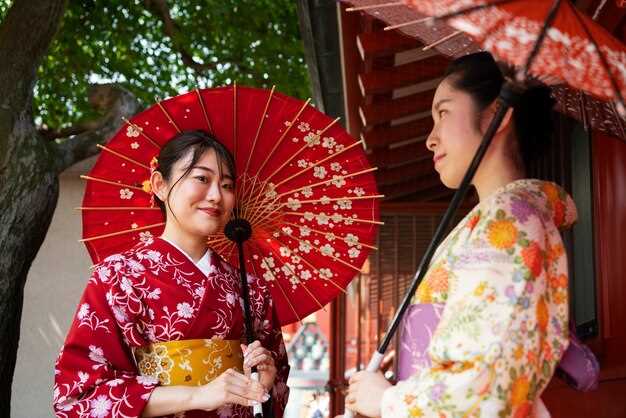
Заплануйте свій маршрут, починаючи з трьох обов'язкових для відвідування місць вздовж Шіджо Дорі в Гіоні, а потім прокладіть свій шлях тихими вуличками, щоб темп був невимушеним і приємним. Кожне з місць вздовж Шіджо Дорі має свою атмосферу, тому знайдіть час, щоб поблукати між магазинами.
Бутики збираються в традиційних будівлях з лакованими балками та вивісками оshiroi. Шукайте місцевих дизайнерів, які пропонують силуети, натхненні Кіото, лаковані вироби та невеликі шкіряні аксесуари; пекарня на розі пропонує швидку перерву на випічку, а поруч розташовані кафе, де можна освіжитися напоями між покупками.
Техніки розумного шопінгу: перевірка розмірів, поради щодо догляду за тканиною та запит на місцеві зміни від кваліфікованих співробітників. Професійні продавці-консультанти пояснюють походження тканини та варіанти пошиття без тиску, завдяки чому кожна покупка здається вартим витраченим часом.
Деякі місця поєднують комерцію з культурою: ви можете мимоволі помітити гейш чи майко, звернути увагу на те, як вони носили шари кімоно та обі, і, можливо, побачити акторів у віконних сценах. Ви також можете знайти сувеніри на тему ніндзя у грайливих магазинах, які підтримують легкий настрій під час перегляду.
Логістика проста: носіть компактну сумку, об'єднуйте покупки та запитуйте в магазинах про транспортування або доставку товарів у ваш готель. Маршрут проходить повз святилища, кафе та ресторани, тому знайдіть час для культурної паузи. Нижче наведено швидкий контрольний список для легкого поводження: сплануйте свій маршрут, тримайте покупки разом і перевіряйте варіанти доставки, якщо вам це потрібно.
Як заключна нотачка, Арашіяма пропонує освіжаюче продовження після вашої прогулянки Шіджо-дорі; поїздка на місцевому транспорті дарує мальовничий контраст метушливій вулиці, а бамбуковий гай біля станції ідеально підходить для розслаблення. Мотиви драконів на магазинах або вивісках виринають вздовж маршруту, додаючи до дня легкості та веселощів. Ви не можете не помітити баланс вишуканого мистецтва та жвавої вуличної енергії на Шіджо-дорі.