


 አማርኛ
አማርኛ  English (UK)
  Русский
  বাংলা
বাংলা  العربية
  日本語
日本語  한국어
한국어  Magyar
  Norsk nynorsk
  Türkçe
  עִבְרִית
  Español
  Čeština
  Svenska
  Português
  Ελληνικά
  Suomi
Suomi  Nederlands
  Română
  Italiano
  Français
  Polski
  Українська
  Deutsch
  简体中文
简体中文  Slovenčina
  Српски језик
  اردو
اردو  Azərbaycan dili
  O‘zbekcha
 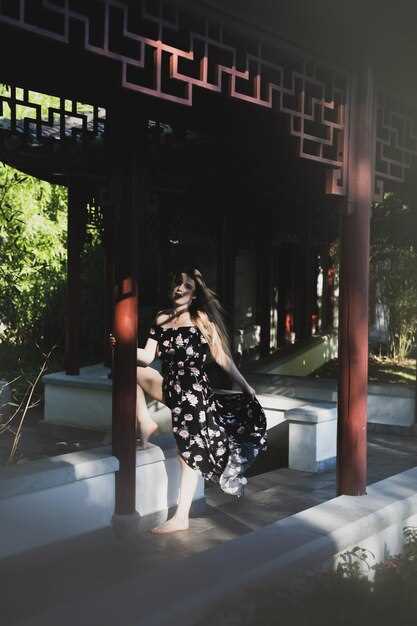 የኪዮቶ ጂሻ እራት በጊዮን – የባህላዊ የእግር ጉዞ ልምድ">
Book a guided Kyoto Geisha dinner in Gion and arrive early to secure a seat near the center of the action. A licensed guide will introduce the route, explain etiquette, and set expectations for a true cultural walk that begins at a nearby ryokan and threads through the district’s historic lanes.
Exploring the streets, you cover long stretches between lantern-lit teahouses and wooden machiya, while your guide shares the apprenticeship stories that shape a geisha’s training. The narrative blends history with practical tips for respectful viewing and comfortable pacing.
Process details matter: meet at a designated ryokan, listen to a short briefing, and walk with a licensed guide. A monthly rotation keeps the routes fresh, and the dinner features seasonal ingredients. The cost is published upfront, with a portion supporting cultural stations and a tea service that complements the meal. A short etiquette briefing is required for all participants.
Between the lanterns and gardens, there are clear boundaries between visitors and spectators. Your guide will point out where photography is allowed and where silence is requested to preserve the intimate atmosphere at the center of Gion. In november, the climate cools and the streets glow with warm light as you walk through alleys that once hosted secret teahouse gatherings.
monthly tours often pair with a short hospitality tradition at a nearby ryokan, where guests hear about the apprenticeship system and how ochaya operate. Some venues offer a glimpse into the courtyard process, and you may be taken through a brief ritual that signals the evening’s closing through the neighborhood.
For a smooth experience, stay at a traditional ryokan in Gion after the walk; this keeps you close to daily life and supports local culture. Arrive with respectful attire and a curious mind, and you’ll leave with genuine insights into a living tradition rather than a staged performance.
Geisha Dinner in Gion: Practical Guide to a Cultural Walking Experience
Book a guided, early afternoon walk with a licensed host to experience higashiyama’s quiet lanes before the Geisha Dinner in Gion begins.
The route consists of three segments: narrow lanes, wooden machiya, and tea houses; it follows key dori routes such as Hanamikoji-dori and Shirakawa-dori, weaving toward the geisha districts of Gion.
Along the way you hear secrets about lives in higashiyama, including the daughters who train and the dancers who keep a wide repertoire; you gain insights into how the heart of the district beats. The guide may reference ichriki houses as part of the Meiji-era network that shaped performances.
The evening culminates in a captivating performance that unfolds along a few short dori blocks; the dancers, known for decades, showcase graceful moves and precise timing that reveal Meiji-meets-modern choreography.
During the dinner, the cuisine blends seasonal ingredients with refined preparations, offering a concise menu that suits participating guests who want a balanced taste of tradition and modern touches.
Practical tips: arrive in an afternoon slot within the weeks outside major festivals; Yasui corner and the geisha districts stay busy, so book early. Walking pace remains wide, and participating hosts provide clear insights. No vehicle is allowed on the walking path; taxis can drop you off nearby.
Know etiquette: bow softly, speak respectfully, and request consent before photos; train your eye for subtle gestures as a way to connect with the dancers and hosts; if you want a memory, request a post-dinner picture with consent.
Participating in a Geisha Dinner in Gion offers a wide, sensory glimpse into a living culture; plan to reserve a seat, respect the setting, and leave with a richer sense of the city’s secrets and its people.
Best time to reserve a Geisha dinner and cultural walk
Reserve at least 3 weeks ahead for weekend slots in Higashiyama and kamogawa, especially during sakura in spring or maple season in autumn, to secure a maikoya seating and a full cultural walk without hurrying. This course blends dinner with a cultural walk, giving you a compact, immersive experience in a single evening. If you stayed near kamogawa, plan to arrive early to settle in.
Spring and autumn attract the most artists and visitors, bringing history and customs to life through narrow lanes and temple precincts. Weekdays stay calmer, making a 5:30–6:30 pm start feasible and letting you enjoy the atmosphere without the middle-of-the-evening rush. The surrounding mountain foothills and park areas provide pleasant pauses, with rock lanterns and quiet corners along the river as you move between venues.
Getting to the Maikoya and back takes only a short walk from nearby guesthouses in Higashiyama, and operators typically set fixed schedules to preserve the flow of the experience. Nevertheless, deadlines can shift due to weather or local events, so a disclaimer at booking is wise. Maikoya operate with seasonal calendars, and you must confirm the exact start time and route to avoid missing key moments, especially if you are staying in a busy area.
Disclaimer: schedules vary by maikoya and by date; always confirm the exact start time and the walking route before you arrive. For a great memory, choose a slot that begins near sunset and allows time for a short stroll along the kamogawa river, a visit to Shinto shrines, and a final dining course being hosted by attentive artists who honor Kyoto’s history and customs.
| Scenario | Recommended start time | Why it works |
|---|---|---|
| Peak seasons (sakura, autumn leaves) | 5:30–6:00 pm | Maximizes light for photos, aligns with maikoya schedules, and allows a relaxed walk before dark |
| Off-peak weeks | 5:00–6:30 pm | Greater seating availability; you can extend the stroll and savor the atmosphere without crowding |
| Staying near Higashiyama or kamogawa | 5:30–6:15 pm | Short travel from lodging; lowers getting stuck in transit and preserves the park-and-river ambiance |
How to select an authentic Geisha house in Gion
Ask directly for a verified itinerary and pricing, and choose a house based in Gion with strict guest policies and transparent timing. If you are asking for details, verify that the house is part of a recognized community and request a named host who can answer questions directly about the talk order, safety, and what is included in the evening.
Look for spaces that honor gardens and foliage, with bamboo accents and quiet courtyards. A genuine Geisha house tends gardens and uses traditional decor that signals a profession rooted in centuries of practice. If you visit in January or spring, confirm how the season influences performances and guest flow, and whether menus, props, and crafts rely on locally-sourced materials.
Validate the performers by asking about training and whether the artists are maiko or geiko, and how exhibitions rotate between intimate talk and stage performances in dedicated theaters. Some houses schedule eight exhibitions per season, offering gems of storytelling and skill crafted by seasoned performers.
Confirm the entertainment model: does the program entertain through a curated talk, or include music, dance, and etiquette demonstrations? A very thoughtful house will explain boundaries, safety, and how to interact with performers, so you can enjoy the evening with respect and warmth.
Etiquette for geisha encounters and during the stroll
Ask permission before photographing and bow gently when a geisha or shes companions pass by; a calm nod shows respect and sets a considerate tone for the walk through Tegara lanes.
-
Before you approach, keep your pace steady and your hands relaxed. If a group is moving in formation, stay in the middle of the crowd and let the guide lead. This shows you value the rhythm of the odori and the special balance between hosts and guests during the April evening light.
-
When you meet a geisha, address them with a polite greeting such as “good evening” and a single bow. If you’re unsure who to address, use a courteous umbrella of silence until they speak. Remember that each one has trained in years of training, and your restraint allows their shows to unfold without distraction.
The following guidelines help you navigate photography, conversation, and movement without drawing attention away from the moment.
-
Photography is allowed only with explicit permission. If permission is granted, keep the frame wide and the distance respectful; avoid lingering on skin or intimate details, and never step underneath the guests’ path or obstruct the line of travel.
-
Limit questions to craft, tradition, and the odori rather than personal life. You can ask about the festival, the features of a performance, or the history of the tea houses; ones that show curiosity about culture are well received.
-
During the stroll, walk in a single file or in a quiet crowd to preserve space. If a geisha pauses near a shop window, give them space to move; stepping aside beneath awnings helps maintain the flow of the line and keeps the group comfortable in the middle of busy streets.
-
Touch is not appropriate. Do not touch sleeves, obi, or fans, and avoid reaching for belongings that trail behind a person. Underneath the sleeve folds, the craft remains delicate and easily disrupted by careless contact.
-
Use respectful silence during conversations. If a geisha shares a memory of a movie or a past performance, listen intently and respond with brief, appreciative phrases. This demonstrates you learned something from the moment and value the artistry behind each shows.
After the stroll, a brief, gracious closing helps seal a positive impression. A simple thank you and a courteous nod acknowledge the shared experience between guests, hosts, and the Daughters of the okiya who welcomed you. If you volunteered to help with a small charity or event, follow the host’s guidance and contribute discreetly, which is deemed thoughtful in this context.
Tips to keep in mind as you begin the walk: pace yourself so you don’t rush the procession, observe the rhythm of odori in the street, and remember that the purpose is to witness skill and hospitality rather than to collect moments to post online. The experience feels very immersive when you stay present, notice the features of the surroundings, and learn from the subtle cues of the guide. In april evenings, that awareness can become a lasting memory, a quiet movie in your mind about how culture and tradition move through Tegara and Gion, one step at a time.
What to wear for a Gion evening: dress code and grooming
Հագեք իրատեսական, կիսա պաշտոնական միջերևույթ Գիոնի երեկոյի համար. սմոքինգի երկարության զգեստ ուղիղ գծերով կամ կիմոնո-անալոգային հագուստ նուրբ օբիով: Եթե հագնեք կիմոնո, համոզվեք, որ ծայրերը ճիշտ գտնվում են, երբ քայլում եք լապտեր-լույսերի փողոցներով. եթե մասնակցում եք ընթրիքին, սա պահում է ձեզ հարմարավետ և հարգալից:.
Ընտրեք գույներ, որոնք ներդաշնակ են Քիոտոյի երեկոյան լույսին՝ ինդիգո, ածուխ, խոտի зелեն, կամ մեղմ տաուպ։ Հետաձգեք բարձրաձայն լոգոներ; հավելեք փայլվաութ opulent obi-ով կամ նուրբ մետաղական շեշտադրություններով։ Եթե մեկը կրում է Bold աքսեսուար, թող մնա նվազագույն։.
Կարող է գալուստ ոտնաքարերը լինեն նվագանկյուն և հարմարավետ՝ ցածր միակ աջուսներ, نرم սանդալներ, կամ ծածկված մատների զորիներ։ Սա օգնում է հեռացնել հոգնածությունը և պահել փեղկերային օղակավորման նուրբ ռիթմը, երբ դուք շարժվում եք Գիոնի մեջ։ Եթե լսում եք երգեր մոտակա թեյանոցներից, քայլեք հանգիստ, որպեսզի չխանգարեք ներկայացումներին։.
Բնականություն. մազերը կապել կամ ճոխ կտրել; դիմահարդարումը պահել թեթև, իսկ եղունգները՝ բնական; նվազագույն զարդերը ամբողջացնում են տեսքը: Մայակոյի հանգիստ ունկնդիրությունը միացնում է զուսպ ոճավորումը: Թեպետ նուրբ է, արդյունքն ընթերցվում է ճկուն:.
Տեսահոլովակների խորհուրդներ. Նա ճանապարհորդում է թիմով, coordinates outfits with the host to maintain a cohesive look. Bring a small shawl for cool evenings; carry a compact bag for essentials and a souvenir or two; if you purchased something during the evening, store it securely to avoid clutter.
Էթիկա և անվտանգություն. Հնարավորինս խուսափեք ուժգին հոտերից և բարձր խոսակցություններից. Պահեք լուսանկարները համեստ մոտեցմամբ ներկայացնողներին. Եթե հյուրընկալողը առաջարկի օգնել ձեր օբիի հետ, արձագանքեք «ոքոտովարի», եթե նախընտրում եք մերժել օգնությունը՝ նուրբ մերժումները ընդունելի են: Բացել ध्यान տուր նման դեպքերը, ինչպիսիք են ամբոխները, որոնք անցնում են կողքով:.
Գիոնից դուրս, Արաշիյաման առաջարկում է այլ փորձեր, իսկ Միակո շրջանը ավելացնում է մի տարբեր տրամադրություն գիշերային զբոսանքի ժամանակ: Այս տարվա պլանը պետք է համահունչ լինի էներգիայի և հանգստի միջև; լավագույն հիշողությունները գալիս են այն հագուստներից, որոնք համապատասխանում են միջավայրին, ուշադրալեր զարդարանքից և հարգալից վարքից:.
Shijo Dori գնումները Գիոնում: հիմնական խանութներ և գնումների խորհուրդներ
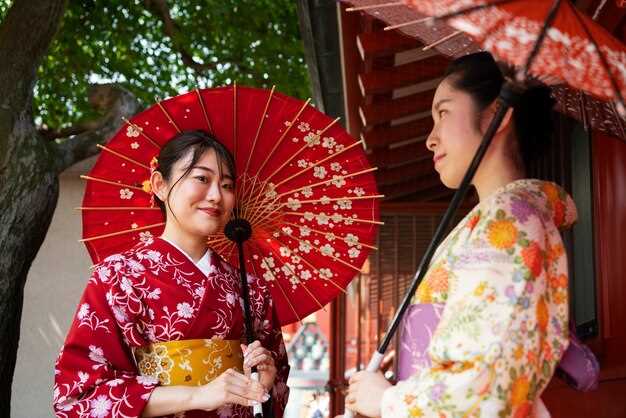
Նշեք ձեր ուղին՝ սկսելով երեք պարտադիր այցելություն տնակում ՇիՋո Դորի երկայնքով Գիոնում, ապա շարժվել կողային փողոցներով, որպեսզի պահեք ռիթմը հանգիստ և հաճելի: Յուրաքանչյուր վայր ՇիՋո Դորի երկայնքով ունի յուրահատուկ մթնոլորտ, այնպես որ՝ թույլ տվեք ժամանակից դուրս գալ զարգացող խանութների միջև:.
Բուտիկները հավաքվում են ավանդական շենքերում՝ լաքապատ beams և oshiroi ցուցանակներով: Արվարձում տեղացիների դիզայներներին՝ վերջիններիս Կիոթոյի ոգով ոճավորված հայելիները, լաքապատ իրերը և մանր մաշկային իրերը; անկյունում գտնվող մի պեստերիկ ապահովում է արագ խաբվելու համար՝ և մոտակա սրճարանները մատուցում են ըմպելիքներ՝ ձեզ թարմացնելու համար խանութների միջև:.
Խելացի գնումների տեխնիկաներ՝ չափերի ստուգում, գործվածքների խնամքի խորհուրդներ և հմտացված անձնակազմից տեղում փոփոխություններ խնդրել։ Հ profesionales վաճառողները բացատրում են գործվածքների ծագումը և կարի տարբերակները՝ առանց ճնշման, յուրաքանչյուր գնումը դարձնելով ժամանակի արժանի։.
Որոնք միացնելու առևտուրը մշակույթի հետ՝ կարող եք տեսնել գեյշաներ կամ մաիկոներ, նկատել, թե ինչպես են դրանք կրում խորունկ կիմոնոներ և օբի, և կարող եք տեսնել դերասանների պատուհանային տեսարաններում: Ավելին, կարող եք գտնել նինջա-թեմայով նվերներ խաղացողի խանութներում, որոնք պահպանում են մթնոլորտը հաճելի, մինչ դուք գնում եք:.
Լոգիզմերը պարզ են՝ կրել կոմպակտ պայուսակ, համախմբել գնումները, և հարցնել խանութներին ձեր հյուրանոց տեղափոխելու կամ առաքելու մասին: Ստեղծված երթուղին անցնում է չալանների, սրճարանների և ռեստորանների կողքով, այնպես որ ժամանակ հատկացրեք մշակութային դադարակի համար: Ներսում արագ ստուգելով ցանկը պարզ կազմակերպվելու համար՝ պլանավորեք ձեր երթուղին, պահեք գնումները միասին, և ստուգեք առաքման տարբերակները եթե դուք ուշադրություն դարձնում եք:.
Վերջում նշենք, որ Արաշիյաման առաջարկում է վերանորոգիչ ընդլայնում Շիժո դորի զբոսանքի հետո; տեղի տրանսպորտով ճանապարհորդությունը տալիս է տեսողական հակասություն զբաղված փողոցի հետ, իսկ կանգառի մոտ գտնվող բամբուկային անտառն իդեալական հանգստանալու վայր է։ Արծետների մոնտաժները խանութների կամ նշանների վրա հանդիպում են ճանապարհի երկայնքով, ավելացնելով օրվա հաճելիությունը։ Դուք չեք կարող բաց թողնել Շիժո դորին ներգրավող արհեստների և աշխույժ փողոցային էներգիայի հավասարակշռությունը։.