


 Polski
  English (UK)
  Русский
  বাংলা
বাংলা  العربية
  日本語
日本語  한국어
한국어  Magyar
  Norsk nynorsk
  Türkçe
  עִבְרִית
  Español
  Čeština
  Svenska
  Português
  Ελληνικά
  Suomi
Suomi  Nederlands
  Română
  Italiano
  Français
  Українська
  Deutsch
  简体中文
简体中文  Slovenčina
  Српски језик
  اردو
اردو  Azərbaycan dili
  O‘zbekcha
  አማርኛ
አማርኛ 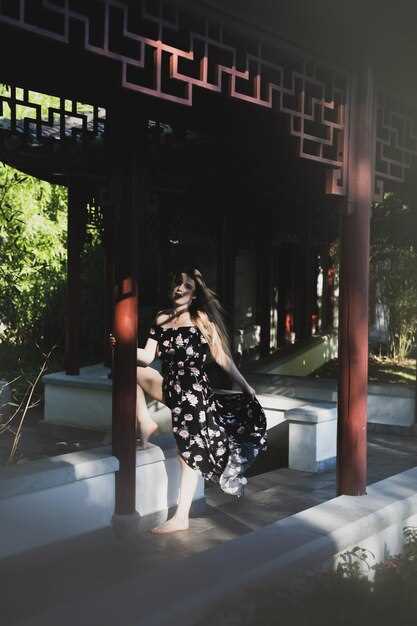 Kolacja z Gejszą w Kioto w Gion – Kulturowe Doświadczenie Spaceru">
Book a guided Kyoto Geisha dinner in Gion and arrive early to secure a seat near the center of the action. A licensed guide will introduce the route, explain etiquette, and set expectations for a true cultural walk that begins at a nearby ryokan and threads through the district’s historic lanes.
Exploring the streets, you cover long stretches between lantern-lit teahouses and wooden machiya, while your guide shares the apprenticeship stories that shape a geisha’s training. The narrative blends history with practical tips for respectful viewing and comfortable pacing.
Process details matter: meet at a designated ryokan, listen to a short briefing, and walk with a licensed guide. A monthly rotation keeps the routes fresh, and the dinner features seasonal ingredients. The cost is published upfront, with a portion supporting cultural stations and a tea service that complements the meal. A short etiquette briefing is required for all participants.
Between the lanterns and gardens, there are clear boundaries between visitors and spectators. Your guide will point out where photography is allowed and where silence is requested to preserve the intimate atmosphere at the center of Gion. In november, the climate cools and the streets glow with warm light as you walk through alleys that once hosted secret teahouse gatherings.
monthly tours often pair with a short hospitality tradition at a nearby ryokan, where guests hear about the apprenticeship system and how ochaya operate. Some venues offer a glimpse into the courtyard process, and you may be taken through a brief ritual that signals the evening’s closing through the neighborhood.
For a smooth experience, stay at a traditional ryokan in Gion after the walk; this keeps you close to daily life and supports local culture. Arrive with respectful attire and a curious mind, and you’ll leave with genuine insights into a living tradition rather than a staged performance.
Geisha Dinner in Gion: Practical Guide to a Cultural Walking Experience
Book a guided, early afternoon walk with a licensed host to experience higashiyama’s quiet lanes before the Geisha Dinner in Gion begins.
The route consists of three segments: narrow lanes, wooden machiya, and tea houses; it follows key dori routes such as Hanamikoji-dori and Shirakawa-dori, weaving toward the geisha districts of Gion.
Along the way you hear secrets about lives in higashiyama, including the daughters who train and the dancers who keep a wide repertoire; you gain insights into how the heart of the district beats. The guide may reference ichriki houses as part of the Meiji-era network that shaped performances.
The evening culminates in a captivating performance that unfolds along a few short dori blocks; the dancers, known for decades, showcase graceful moves and precise timing that reveal Meiji-meets-modern choreography.
During the dinner, the cuisine blends seasonal ingredients with refined preparations, offering a concise menu that suits participating guests who want a balanced taste of tradition and modern touches.
Practical tips: arrive in an afternoon slot within the weeks outside major festivals; Yasui corner and the geisha districts stay busy, so book early. Walking pace remains wide, and participating hosts provide clear insights. No vehicle is allowed on the walking path; taxis can drop you off nearby.
Know etiquette: bow softly, speak respectfully, and request consent before photos; train your eye for subtle gestures as a way to connect with the dancers and hosts; if you want a memory, request a post-dinner picture with consent.
Participating in a Geisha Dinner in Gion offers a wide, sensory glimpse into a living culture; plan to reserve a seat, respect the setting, and leave with a richer sense of the city’s secrets and its people.
Best time to reserve a Geisha dinner and cultural walk
Reserve at least 3 weeks ahead for weekend slots in Higashiyama and kamogawa, especially during sakura in spring or maple season in autumn, to secure a maikoya seating and a full cultural walk without hurrying. This course blends dinner with a cultural walk, giving you a compact, immersive experience in a single evening. If you stayed near kamogawa, plan to arrive early to settle in.
Spring and autumn attract the most artists and visitors, bringing history and customs to life through narrow lanes and temple precincts. Weekdays stay calmer, making a 5:30–6:30 pm start feasible and letting you enjoy the atmosphere without the middle-of-the-evening rush. The surrounding mountain foothills and park areas provide pleasant pauses, with rock lanterns and quiet corners along the river as you move between venues.
Getting to the Maikoya and back takes only a short walk from nearby guesthouses in Higashiyama, and operators typically set fixed schedules to preserve the flow of the experience. Nevertheless, deadlines can shift due to weather or local events, so a disclaimer at booking is wise. Maikoya operate with seasonal calendars, and you must confirm the exact start time and route to avoid missing key moments, especially if you are staying in a busy area.
Disclaimer: schedules vary by maikoya and by date; always confirm the exact start time and the walking route before you arrive. For a great memory, choose a slot that begins near sunset and allows time for a short stroll along the kamogawa river, a visit to Shinto shrines, and a final dining course being hosted by attentive artists who honor Kyoto’s history and customs.
| Scenariusz | Recommended start time | Why it works |
|---|---|---|
| Peak seasons (sakura, autumn leaves) | 5:30–6:00 pm | Maximizes light for photos, aligns with maikoya schedules, and allows a relaxed walk before dark |
| Off-peak weeks | 5:00–6:30 pm | Greater seating availability; you can extend the stroll and savor the atmosphere without crowding |
| Staying near Higashiyama or kamogawa | 5:30–6:15 pm | Short travel from lodging; lowers getting stuck in transit and preserves the park-and-river ambiance |
How to select an authentic Geisha house in Gion
Ask directly for a verified itinerary and pricing, and choose a house based in Gion with strict guest policies and transparent timing. If you are asking for details, verify that the house is part of a recognized community and request a named host who can answer questions directly about the talk order, safety, and what is included in the evening.
Look for spaces that honor gardens and foliage, with bamboo accents and quiet courtyards. A genuine Geisha house tends gardens and uses traditional decor that signals a profession rooted in centuries of practice. If you visit in January or spring, confirm how the season influences performances and guest flow, and whether menus, props, and crafts rely on locally-sourced materials.
Validate the performers by asking about training and whether the artists are maiko or geiko, and how exhibitions rotate between intimate talk and stage performances in dedicated theaters. Some houses schedule eight exhibitions per season, offering gems of storytelling and skill crafted by seasoned performers.
Confirm the entertainment model: does the program entertain through a curated talk, or include music, dance, and etiquette demonstrations? A very thoughtful house will explain boundaries, safety, and how to interact with performers, so you can enjoy the evening with respect and warmth.
Etiquette for geisha encounters and during the stroll
Ask permission before photographing and bow gently when a geisha or shes companions pass by; a calm nod shows respect and sets a considerate tone for the walk through Tegara lanes.
-
Before you approach, keep your pace steady and your hands relaxed. If a group is moving in formation, stay in the middle of the crowd and let the guide lead. This shows you value the rhythm of the odori and the special balance between hosts and guests during the April evening light.
-
When you meet a geisha, address them with a polite greeting such as “good evening” and a single bow. If you’re unsure who to address, use a courteous umbrella of silence until they speak. Remember that each one has trained in years of training, and your restraint allows their shows to unfold without distraction.
The following guidelines help you navigate photography, conversation, and movement without drawing attention away from the moment.
-
Photography is allowed only with explicit permission. If permission is granted, keep the frame wide and the distance respectful; avoid lingering on skin or intimate details, and never step underneath the guests’ path or obstruct the line of travel.
-
Limit questions to craft, tradition, and the odori rather than personal life. You can ask about the festival, the features of a performance, or the history of the tea houses; ones that show curiosity about culture are well received.
-
During the stroll, walk in a single file or in a quiet crowd to preserve space. If a geisha pauses near a shop window, give them space to move; stepping aside beneath awnings helps maintain the flow of the line and keeps the group comfortable in the middle of busy streets.
-
Touch is not appropriate. Do not touch sleeves, obi, or fans, and avoid reaching for belongings that trail behind a person. Underneath the sleeve folds, the craft remains delicate and easily disrupted by careless contact.
-
Use respectful silence during conversations. If a geisha shares a memory of a movie or a past performance, listen intently and respond with brief, appreciative phrases. This demonstrates you learned something from the moment and value the artistry behind each shows.
After the stroll, a brief, gracious closing helps seal a positive impression. A simple thank you and a courteous nod acknowledge the shared experience between guests, hosts, and the Daughters of the okiya who welcomed you. If you volunteered to help with a small charity or event, follow the host’s guidance and contribute discreetly, which is deemed thoughtful in this context.
Tips to keep in mind as you begin the walk: pace yourself so you don’t rush the procession, observe the rhythm of odori in the street, and remember that the purpose is to witness skill and hospitality rather than to collect moments to post online. The experience feels very immersive when you stay present, notice the features of the surroundings, and learn from the subtle cues of the guide. In april evenings, that awareness can become a lasting memory, a quiet movie in your mind about how culture and tradition move through Tegara and Gion, one step at a time.
What to wear for a Gion evening: dress code and grooming
Na wieczorny spacer po Gion załóż wyrafinowany, półformalny strój: sukienkę do kolan o czystych liniach lub inspirowany kimonem zestaw ze smukłym obi. Jeśli masz na sobie kimono, upewnij się, że jego brzeg układa się schludnie, gdy przechadzasz się oświetlonymi lampionami uliczkami; jeśli bierzesz udział w kolacji, zapewni ci to wygodę i okaże szacunek.
Wybierz kolory harmonizujące ze światłem zmierzchu w Kioto – indygo, grafit, mechową zieleń lub delikatny taupe. Unikaj krzykliwych logotypów; dodaj elegancji za pomocą bogatego obi lub subtelnych metalicznych akcentów. Jeśli ktoś nosi wyrazisty dodatek, postaw na minimalizm w reszcie.
Obuwie powinno być ciche i wygodne: skórzane baleriny na niskim obcasie, miękkie sandały lub zakryte zori. Pomaga to zapobiegać zmęczeniu i zachowuje delikatny rytm drewnianych podłóg podczas przemieszczania się po Gion. Jeśli usłyszysz śpiew z pobliskich herbaciarni, idź cicho, aby nie zakłócać występów.
Fryzura: zwiąż włosy lub starannie je ułóż; makijaż powinien być delikatny, a paznokcie naturalne; minimalistyczna biżuteria dopełnia całość. Wygląd przywodzi na myśl cichą elegancję miyako, w połączeniu z powściągliwą stylizacją. Choć subtelny, efekt jest dopracowany.
Porady dla towarzyszek: podróżuje w grupie, skoordynuj stroje z gospodynią, aby zachować spójny wygląd. Weź ze sobą mały szal na chłodne wieczory; noś ze sobą kompaktową torbę na niezbędne rzeczy i pamiątkę lub dwie; jeśli coś kupiłaś wieczorem, przechowuj to bezpiecznie, aby uniknąć bałaganu.
Etykieta i bezpieczeństwo: unikaj silnych zapachów i głośnych rozmów; rób dyskretne zdjęcia blisko wykonawców; jeśli gospodarz oferuje pomoc z obi, odpowiedz okotowari, jeśli wolisz nie przyjmować pomocy – uprzejme odmowy są w porządku. Uważaj na incydenty, takie jak przepychanie się w tłumie.
Poza Gion, Arashiyama oferuje inne doznania, a dzielnica Miyako dodaje odmienny nastród podczas nocnego spaceru. Tegoroczny plan powinien równoważyć energię ze spokojem; najlepsze wspomnienia pochodzą ze strojów pasujących do otoczenia, starannej pielęgnacji i pełnego szacunku zachowania.
Zakupy na Shijo Dori w Gion: najważniejsze butiki i porady dla kupujących
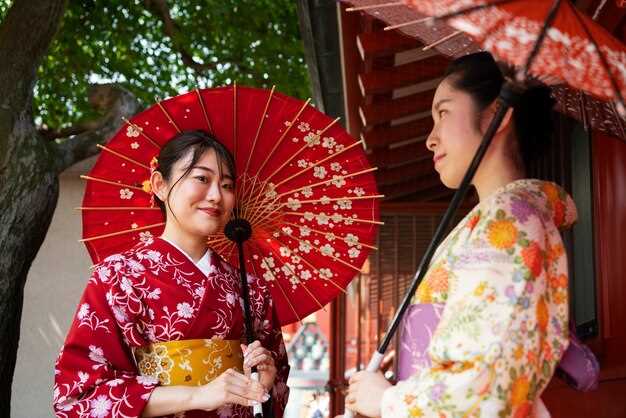
Zaplanuj swoją trasę, zaczynając od trzech miejsc, które musisz odwiedzić wzdłuż Shijo Dori w Gion, a następnie przeplataj się bocznymi uliczkami, aby utrzymać tempo relaksujące i przyjemne. Każde z miejsc wzdłuż Shijo Dori ma swój własny klimat, więc zarezerwuj czas na wędrówkę między wystawami sklepowymi.
Butiki skupiają się w tradycyjnych budynkach z lakierowanymi belkami i szyldami oshiroi. Rozglądaj się za lokalnymi projektantami oferującymi sylwetki inspirowane Kyoto, wyrobami z laki i drobną galanterią skórzaną; cukiernia na rogu pozwoli na szybką przerwę na ciastko, a pobliskie kawiarnie zapewnią napoje, które odświeżą cię między sklepami.
Techniki inteligentnych zakupów: sprawdzanie rozmiarów, porady dotyczące pielęgnacji tkanin i możliwość zamówienia poprawek na miejscu u wykwalifikowanych pracowników. Profesjonalni sprzedawcy wyjaśniają pochodzenie tkanin i opcje krawieckie bez presji, sprawiając, że każdy zakup wydaje się wart poświęconego czasu.
Niektóre miejsca łączą handel z kulturą: możesz dostrzec gejsze lub maiko, zwrócić uwagę na to, jak noszą warstwowe kimono i obi, a także możesz zobaczyć aktorów w scenach na wystawach. Możesz również znaleźć pamiątki związane z ninja w zabawnych sklepach, które podtrzymują pogodny nastrój podczas przeglądania.
Logistyka jest prosta: noś kompaktową torbę, łącz zakupy i pytaj w sklepach o transport lub wysyłkę przedmiotów do hotelu. Trasa przebiega obok świątyń, kawiarni i restauracji, więc znajdź czas na kulturalną przerwę. Poniżej znajduje się krótka lista kontrolna ułatwiająca obsługę: zaplanuj trasę, trzymaj zakupy razem i sprawdź opcje wysyłki, jeśli potrzebujesz.
Na koniec, Arashiyama oferuje odświeżające przedłużenie spaceru po Shijo Dori; przejażdżka lokalnym transportem zapewnia malowniczy kontrast do ruchliwej ulicy, a bambusowy gaj w pobliżu stacji to idealne miejsce na relaks. Motywy smoka na witrynach sklepowych lub znakach pojawiają się po drodze, dodając kaprysu do dnia. Nie można przegapić równowagi wyrafinowanego rzemiosła i żywiołowej energii ulicznej na Shijo Dori.