


 Türkçe
  English (UK)
  Русский
  বাংলা
বাংলা  العربية
  日本語
日本語  한국어
한국어  Magyar
  Norsk nynorsk
  עִבְרִית
  Español
  Čeština
  Svenska
  Português
  Ελληνικά
  Suomi
Suomi  Nederlands
  Română
  Italiano
  Français
  Polski
  Українська
  Deutsch
  简体中文
简体中文  Slovenčina
  Српски језик
  اردو
اردو  Azərbaycan dili
  O‘zbekcha
  አማርኛ
አማርኛ 
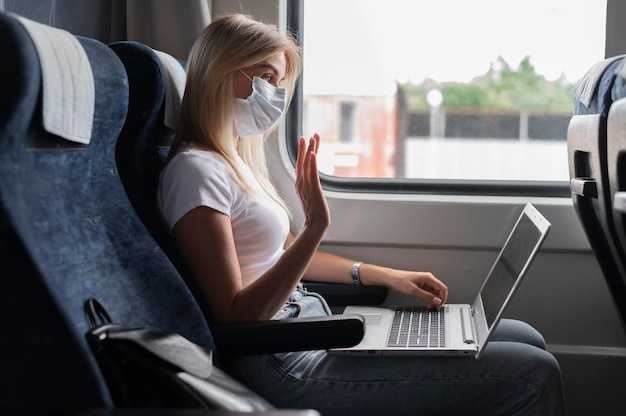
Start by securing lumbar support as soon as you sit: place a slim cushion or rolled towel at the lower back, adjust the seat back to about 100 to 110 degrees, and keep your toes relaxed with feet flat in-seat above the floor. This setup stabilizes your spine and reduces early cramps.
Use a quick sign from your body and a simple score to guide changes. Every hour, rate your back discomfort on a 0–10 scale, log that data, and then adjust height, angle, and support. Keeping a small notebook or notes in your phone helps you spot patterns and avoid repeating mistakes.
Plan for micro-movements to prevent stiffness during in-flight sessions. Rotate your torso and hips every 15–20 minutes, shift weight between sitting bones, and trying small in-seat stretches. Keep extra cushions handy for subtle adjustments, and use a footrest if available to ease leg pressure. Move only when the belt sign allows. You can allow a moment for the shift.
Bir seçin koridor seat when possible to ease access for stretches without disturbing neighbors, and place essentials like boarding kartlar in the pocket above so you can reach them without major shifts. Consider using a second cushion if you still feel pressure, and position items within arm’s reach to avoid extra movement.
If cramps threaten, pause to flex your feet, stretch calves, and rotate ankles. Hydration matters: sip water regularly, avoid alcohol, and aim for 2–3 liters for a full flight. For ongoing relief, try trying gentle abdominal breaths and a brief standing stretch when the belt sign allows. Use gentle leg pumps and alternating pressure when you’re allowed to stand, which helps circulation and reduces stiffness. Consider a quick toe tap sequence to keep circulation active.
With secure support, data-driven adjustments, and unlimited small moves, you can travel pain-free on long flights. Start with the first adjustment, heed the sign from your body, and tailor your approach to your needs for future trips.
Practical seating and movement strategies to reduce back strain during air travel
Set your lower back against a lumbar support and sit tall with a neutral spinal alignment, head over shoulders. Place a rolled towel or compact lumbar cushion at the curve, keep both feet flat on the ground, and adjust seat depth so your hips touch the backrest while your knees form about a 90-degree angle.
Maintain a calm, tall posture with shoulders relaxed and the head stacked over the spine. If your lower back feels pressed, move the cushion until the edge of the seat supports you. Keep toes loose to allow blood flow and prevent stiffness in the calves and feet.
Schedule movement every 60–90 minutes. Stand in the aisle if allowed, or perform seated moves: rotate shoulders, gentle spinal twists, and hip hinges to lean forward and then straighten up. Do 10 ankle pumps and 10 calf raises to pump venous blood and limit swollen ankles. Use a footrest to keep ankles near 90 degrees and reduce pressure on the lower legs. Spending long hours in the air increases risk, so plan micro-breaks accordingly.
When the seat back is slightly reclined, use your hands on the armrests to assist gentle pulling upward on the torso to lengthen the spine, helping you stay upright and maintain good posture.
In the category of seating choices, opt for seats with extra legroom or aisle access to enable unrestricted movement. If you spend a long flight in a compact cabin, book a seat with additional leg support and a footrest; this helps you keep upright posture and reduce pressure on the lower back. From global routes to local locations, plan movement opportunities during layovers and after landing to reestablish comfort.
Active stretches before takeoff and during the flight can reduce tightness: perform 8–12 forward folds from the hips (knees soft), 4 gentle spinal twists to either side, and 6–8 cat-cow motions while seated. Flex and straighten your spine with each set to improve flexibility. For the feet and legs, do toe curls and foot circles to keep veins flowing and avoid swelling.
If you notice swollen ankles after long flights, use compression socks and adjust your posture to maintain good blood flow. Take short breaks and move regularly to stay flexible and ready for the next leg of your trip. From these practices, you get immediate relief during the flight and become more comfortable, becoming a habit that helps with back health across trips, whether you travel weekly or occasionally.
Spending long hours in the air can be painful, but trying small moves done correctly yields more comfort. From a simple posture tune-up to a full stretching set, these steps are becoming a reliable routine with rewards like less stiffness, more energy, and unlimited ability to stay mobile on global trips.
Optimal Seat Setup for Lower Back Support
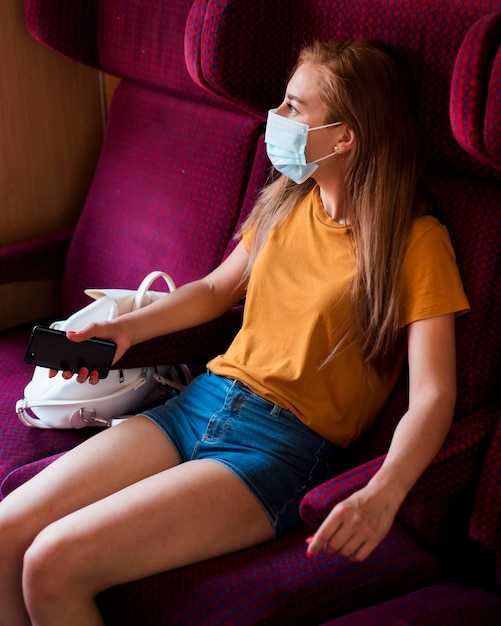
Choose an aisle seat in the middle of the cabin and apply a lumbar support under your bottom to keep the spine aligned from taxi to landing. This setup eases back tension, keeps you comfortable, and makes sleeping more doable in-flight.
These quick adjustments work while sitting and traveling; add a compact lumbar roll or rolled towel and secure it behind your lower back; if you can, slip a thin pillow behind your neck for sleeping comfort, while you stay still and relaxed.
- Seat selection: pick an aisle seat in the middle of the cabin to ease access to the aisle; use a small cushion to fill the gap at the spine and keep your bottom supported so you can get in and out without twisting. If the bottom cushion shifts, secure it with a light strap or the seat edge, then pull your shoulders back and sit straight.
- Padding and posture: place a lumbar roll or rolled towel at the curve of the spine; add a folded jacket behind the pelvis to distribute pressure; sit fully with hips and knees about 90 degrees and keep your chest open to avoid slouching. These adjustments help keep your spine aligned while sleeping or resting.
- Seat back and leg alignment: set the seat back to a gentle recline around 5-15 degrees; use a footrest if available; this keeps the hips stable and reduces pulling on the lower back when you sit or sleep. Then follow the sign for allowed adjustments and stay within those limits.
- Movement cadence: plan micro breaks every 30-45 minutes; walk the aisle, shrug your shoulders, rotate your torso, and perform ankle pumps to ease stiffness and keep circulation active through a full loop of movements.
- Disembark readiness: when it’s time to deplane, stand slowly, stretch the back and legs, and switch to a tall posture as you reach the aisle; partners can assist by hoisting their items safely and guiding you to the exit.
Extra tips for regular travelers: if your airport or airline offers rentals of ergonomic cushions, consider them; these can be a hero addition to your kit and make the whole flight feel more secure. For sleeping, align your spine with a rolled towel along the back and a small pillow behind the knees to relieve pressure; this helps you stay comfortable when the plane hits bumps or chimes. If you travel frequently, adopting this travel10x routine keeps you agile and reduces discomfort across long trips.
Headrest, Lumbar Curve, and Seat Recline Guidelines
Set the headrest so the back of your head rests on the cushion and your ears align with your shoulders, keeping the neck in a neutral position while you sit.
Use a simple lumbar support or cushion for maintaining the healthy natural curve at the base of your spine; position it to fill the gap behind your lower back and support the curve without pushing you forward.
Keep the seat recline within a comfortable range: start near 0-5 degrees when awake, tilt to 10-15 degrees for light rest, and move slowly toward 15-20 degrees only if you must sleep, ensuring you can still see where you are headed and avoid neck strain; use a gentle tilt in a direction that keeps your chest open.
Shift your posture every 15-20 minutes and, if possible, do this simultaneously with gentle torso adjustments: lean toward the front, then settle to the side on both sides to relieve pressure on the lower back while keeping your back muscles engaged, and let your shoulders settle down. Think of the load transfer as a simple transaction between your spine and the seat.
Keep in-seat adjustments within safe limits and coordinate with partners to share the load; ensure the headrest supports your neck while your lumbar area remains aligned with the base of the spine, keeping the overall posture healthy.
What to bring and place: a compact lumbar cushion, a small pillow, or folded blanket; bring your own support if the seat lacks it, place it against your back at the curve, and use the blanket to cover your thighs for extra warmth and flexibility.
For swollen feet or legs, keep blood flow moving by extending your legs gently, using a footrest or a bag; slow movements help veins and reduce discomfort, making frequent repositioning easier to maintain for multiple hours. If you’re trying to stay comfortable, more often small adjustments make a big difference.
Breathing Techniques and Micro-Movements to Prevent Stiffness
Start with a four-second inhale through the nose, a four-second hold, and a four-second exhale through the mouth, repeated for five cycles every hour to maintain full-body flow and reduce tightness.
When done, you should feel the hips and back looser and the shoulders more relaxed. Additional benefits come from pairing this breathing with micro-movements to ease common stiffness and prevent cramps in long flights.
In terms of practicality, apply these steps whether you sit still or shift positions. The most straightforward approach is to keep a steady rhythm and secure your base by sitting tall, with hips slightly above the knees and feet flat on the floor.
- Breathing basics: sit tall, place one hand on your abdomen and the other on your chest, and breathe through your nose for four seconds so both sides of the rib cage rise. This raises the chest gently and creates a smooth flow in the diaphragm while protecting the muscle groups along the spine.
- Exhale and release: exhale for four seconds, feeling the air flow out and the shoulders ease away from the ears. Keep hands relaxed and form supported by the chair, reducing the risk of cramping or tightening.
- Transaction of tension and ease: view each breath as a quick transaction between base tension and release. The four-second cycle becomes a reliable rhythm you can repeat without thinking about it.
- Return to base posture: after each cycle, return to a neutral position with your back aligned and hands resting on the thighs or armrests to maintain secure support.
- Notes on setting: for most settings, this routine takes five to seven minutes. It’s a common, easy practice that can be added to boarding or taxiing without delaying the transaction of traveling.
Micro-movements to complement breathing help maintain circulation and ease stiffness the sides of the body and the legs. These moves are simple, require no equipment, and can be done in seating or with a quick stand at a galley if permitted.
- Foot taps and ankle circles: keep knees soft, tap the toes and circle the ankles for 30–60 seconds to promote flow in the lower legs and reduce swelling. This supports lifting of the leg muscles and protects the joints from cramps.
- Seated hip tilts: gently tilt the pelvis forward and back for 5–8 repetitions to loosen the base of the spine and reduce lower-back tightness; hands can rest on the thighs for stability.
- Diz bükmeleri: Dizleri kilitlemeden 8–12 tekrar hafif bükme ve düzeltme hareketi yapın. Bu hareket, uzun süre oturduğunuzda kuadrisepslerin ve hamstringlerin aktif kalmasını ve kramplara daha az eğilimli olmasını sağlar.
- Gövde çaprazlamaları: Düz bir omurgayla, kolları çaprazlayın veya bir eli karşı dizin üzerine koyun, sağa doğru 4 döngü ve sola doğru 4 döngü boyunca yavaşça bükülün. Bu çaprazlama, gerginliğin tüm vücut eksenine dağılmasına yardımcı olur ve omurga hareketliliğini destekler.
- Omuz daireleri ve boyun gevşeticiler: Omuzları kulaklara doğru kaldırın, geriye ve aşağıya doğru yuvarlayın, ardından 6–8 tekrar için öne doğru bırakın; sırtın üst kısmındaki gerginliği azaltmak için nazik boyun eğmeleri ekleyin.
- Yan esnetmeler ve kaldırma: bir kolu başınızın üzerine kaldırın ve kontrollü bir esneme için ters tarafa doğru eğilin, ardından tarafları değiştirin. Bu, hava ve kan akışını devam ettirerek göğüs ve yanlar boyunca kaburga kafesi genişlemesini ve rahatlığı artırır.
Çoğu yolcu, bu mikro hareketleri nefesle eşleştirerek, taksi, kalkış ve seyir sırasında duruşu koruyan istikrarlı bir rutin oluşturmaktan fayda sağlar. Basit form, ellerinizi serbest bırakır, gerginliği azaltır ve ekstra alan gerektirmeden sırtınızı ve merkezinizi sabitler.
Omuz Döndürme Sekansı: Boyun ve Sırt Üst Bölgesi Gerginliğini Rahatlatmak İçin 4 Hareket
Dört hareketi sırayla yapın, her birini 8–12 tekrar uygulayın ve gerekirse bir kez daha tekrarlayın. Belinizi korumak için sırtınızı koltuğa dayayın, ayaklarınızı yere basın ve çenenizi gevşetin. Hareket ederken lütfen düzenli olarak nefes alın.
Aşağıdaki detaylar, rutininizi bir uçakta veya uzun süreli rezervasyonlar sırasında uygulamanıza yardımcı olur. Başka bir hızlı ipucu: Omuzlarınızı ortada tutmak için koltuğun kenarlarını referans noktası olarak kullanın, turlar arasında nötr pozisyona dönün ve zorlanmayı önlemek için serbest, sakin bir tempo tutun.
| Hareket et | Nasıl Yapılır | Odak ve Faydalar | İpuçları |
|---|---|---|---|
| Hareket 1 – Klasik Omuz Döndürme (4 bölüm) | Düz bir zeminde dik oturun. Nefes alın, omuzları kulaklara doğru kaldırın, pürüzsüz bir daire şeklinde geriye, aşağıya ve öne doğru döndürün. Başlangıç pozisyonuna dönün ve 8–12 kez tekrarlayın. | Üst trapezleri gevşetir, kafatasının tabanındaki gerginliği azaltır, sırt ve boyunda daha iyi duruşu destekler. | Boynu rahat tutun; dişlerinizi sıkmaktan kaçının. Sertlik hissederseniz kısa bir süre duraklayın ve tempoyu yavaşlatın. |
| Hareket 2 – Yandan Arkaya Daire | Omuzları hafifçe kaldırın, ardından kontrollü bir yay çizerek yanlara, yukarı, arkaya ve aşağı doğru döndürün. 8–12 tekrar sonra yön değiştirin. | Boyun yanları ve sırtın üst kısmındaki gerginliği azaltır; dar bir koltukta saatler geçirirken faydalıdır. | Göğüs kafesi sabit kalır; sadece omuzlar hareket eder. Nefesi sakin ve düzenli tutun. |
| Hareket 3 – Çene İçe Çekme ve Omuz Sıkma | Çeneyi hafifçe içeri çekip omuzları sanki aralarında bir kalem tutarmış gibi sıkıştırın. 2 saniye bekleyin, bırakın. 8–12 tekrar yapın. | Derin boyun fleksörlerini çalıştırır, öne doğru baş pozisyonunu azaltır, üst servikal gerginliği serbest bırakır. | Aşırıya kaçma; boynunda herhangi bir sıkışma hissedersen dur. |
| Hareket 4 – İleri-Geri Nefes Yuvarlaması | Nefes verirken omuzları öne doğru, nefes alırken geriye doğru döndürün. Pürüzsüz, koordineli nefeslerle 8-12 tekrar tamamlayın. | Boyun önündeki gerginliği ve sırt kaslarını serbest bırakıp üst vücuttaki dolaşımı iyileştirir. | Turlar arasında nötr pozisyona dönün; gerekirse daha sonraki bir molada bir veya iki kez daha tekrarlayın. |
Bu hareketlere yeni başlıyorsanız, bir turla başlayın ve sırtınızın ve boynunuzun nasıl tepki verdiğini gözlemleyin. Duruşunuz için en iyi hissettiren sekansı öğrenin, ardından gerektiğinde tekrar edin. Bu, hareket halinde geçirilen dakikaların büyük fark yaratabileceği uzun yolculuklarda sağlığı destekler. Uçakta, ayaklarınızı yere düz basın ve belinizi koltukla destekleyin. Lütfen herhangi bir duraklamadan sonra sekansa geri dönün ve ilerlemeyi izlemek için giriş kartlarınızdaki veya sağlık notlarınızdaki ayrıntıları kullanın. Sürekli pratikle konfor kazancınız artar ve daha pürüzsüz uçuşlara kilometreler kala 10 uzakta değilsiniz.
Hidrasyon, Dolaşım ve Ağrıyı Azaltmak İçin Mola Zamanlaması
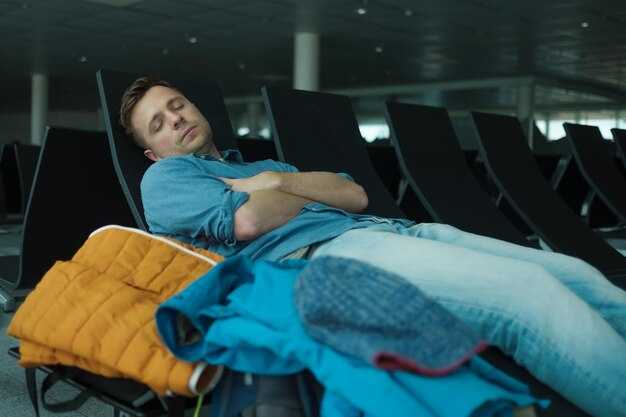
Basit bir kural ile başlayın: Kalkıştan sonra uçakta her 30 dakikada bir 200 ml su yudumlayın ve tipik 6-8 saatlik bir uçuş sırasında 1,5-2 litreye ulaşmayı hedefleyin ve hidrasyonun devamlılığını sağlamak için alkol veya aşırı kafeinden kaçının.
İdrar renginin açık olması hidrasyonun yeterli olduğunun bir göstergesi olabilir; renk koyulaştıkça, alımınızı artırın ve kabin boyunca sıvı dengesini korumak için elektrolit takviyeli seçenekleri tercih edin.
Dolaşımı hızlandırmak için her 60-90 dakikada bir hareket edin. Otururken ayak bileği daireleri, ayak parmağı vuruşları, diz kaldırmaları ve uyluk sıkmaları yapın; ayağa kalktığınızda, göğsü açmak ve omurgayı hizalı tutmak için parmaklarınızı sırtınızda birbirine geçirin; uzun süreler boyunca bacakları desteklemek için dereceli kompresyon çorapları giyin. Bu dolaşım rutini, pasif oturmaktan daha etkilidir.
Mola zamanlaması önemlidir: Mümkün olduğunca her 60–90 dakikada bir mola planlayın; bir hatırlatıcı ayarlayın ve bu dakikaları hızlı bir 2–3 dakikalık rutin için kullanın: Ayağa kalkın, koridorda kısa bir yay çizin ve dik, dengeli bir duruşla koltuğunuza geri dönün ve molaların planın bir parçası olduğunu kendinize hatırlatın.
Duruş ve nefes: omurganız uzun, omuzlarınız rahat ve kalçalarınız hafifçe öne doğru olacak şekilde oturun; kambur durmaktan kaçının ve omurga boyunca gerginliği azaltmak için önünüzün açık kalmasına izin verin. Basit öne eğilmeler veya hafif dönmeler, aşırıya kaçmadan hizalamayı sıfırlayabilir.
Seyahat partneriniz size yardımcı olabilir: ayakta durmanız, gerinmeniz veya yastıkları ayarlamanız için sizi teşvik edebilir; birlikte kan akışını sağlayan bir ritim oluşturabilirsiniz, bu da uçuş boyunca daha fazla konfor sağlar.
Yolculardan elde edilen veriler, düzenli hidrasyon, hareket ve duruşun; sertliğin azalması, daha iyi uyku ve daha rahat bir yolculuk gibi faydalar sağladığını gösteriyor; bu yaklaşım, uçuş ortasında nasıl hissettiğiniz üzerinde daha fazla kontrol imkanı sunuyor.