


 Српски језик
  English (UK)
  Русский
  বাংলা
বাংলা  العربية
  日本語
日本語  한국어
한국어  Magyar
  Norsk nynorsk
  Türkçe
  עִבְרִית
  Español
  Čeština
  Svenska
  Português
  Ελληνικά
  Suomi
Suomi  Nederlands
  Română
  Italiano
  Français
  Polski
  Українська
  Deutsch
  简体中文
简体中文  Slovenčina
  اردو
اردو  Azərbaycan dili
  O‘zbekcha
  አማርኛ
አማርኛ  21 Најфотогеничнија места у Чикагу – Мапа, савети и фотографије">

Start at the observatory deck of 360 Chicago for sunrise skyline shots. Read the map through 21 spots to capture the front, the river, and the skyline from multiple angles, so you get the prettiest shots without guesswork.
From Millennium Park’s Cloud Gate to the Chicago Riverwalk, this guide maps each location with practical tips: best hours, access notes, and entry points to avoid crowds. You’ll know exactly where to stand to frame the skyline with Bean’s reflection or the river’s shimmer.
If you visited Chicago before, you’ve seen iconic streets, but these picks push your feed beyond the well-known. Shoot through the glass at the waterfront, look for glimpse of sunlight through bridges, and let the signs along the river guide your path. What this route does is minimize backtracking while maximizing variety.
One architecture highlight is the brick front of harold Washington Library; it’s known for clean lines and dramatic interior light. The interior spaces let you create moody portraits and candid city scenes without crowds, and you can pair exterior shots with the library’s interior arcs for a cohesive set.
For a hanging-lights mood, shoot bridges around twilight where strings of lights hang above the river. Look for hanging lanterns along the bridges and let the Chicago River mirror the skyline as the day fades. Through this approach you cover everything from bright daylight to moody night scenes.
Practical tips: use a fast lens (24-70mm works well for most spots) and a tripod for dusk shots, but be mindful of time limits and crowding near popular sites. The map highlights 21 spots with concrete notes on hours, access, and the most photogenic angles, known to produce absolutely striking results.
Popular anchors include the Bean at Millennium Park, Navy Pier at sunset, the 360 Chicago view from the front, and riverfront vistas that show the skyline between bridges. If you read the signs and plan ahead, you’ll have a smoother shoot, and you’ll walk away with photos that Chicago readers will love.
Practical photo planning for 21 spots and five boat-based skyline views
Plan two golden-hour blocks and five boat-based skyline views, covering 21 spots with a tight shot list and fewer gear swaps.
Create a 21-stop map with a clear angle, light window, and a four‑to‑six minute window per hit to keep pace while walking between nearby locations. This means you’ll finish each day with a compact set of instagmmable shots and room to adjust when the light shifts throughout the evening.
Gear smart: carry two versatile lenses (24‑70mm and 70‑200mm), a lightweight tripod for blue hour, and spare batteries. Set daylight shots to ISO 100–400, f/8–f/11, 1/125s; for blue hour or night on the water, shift to ISO 800–1600 and 2–8s with a steady mount.
Time-of-day plan by area: Buckingham Fountain, Millennium Park, Navy Pier, the Chicago Riverwalk, and Grant Park each reward a different approach. At Buckingham, go wide to capture the fountains with the skyline above; at Millennium Park, keep the Bean in frame with crowd silhouettes; along the Riverwalk, mix reflections and river bends; near the park’s edges, use higher vantage points where possible to add depth. Where possible, walk a few steps to a higher deck or bridge to vary the composition and avoid crowding.
Five boat-based skyline views: book an architecture river cruise for tall towers, a sunset river ride for warm reflections, a lake cruise for broad skyline spans, a blue-hour lake loop for silhouettes, and a post-sunset city cruise for illuminated elevations. These opens prime opportunities to shoot above the waterline, with the city stepping into a nearly monochrome glow. Since boats move, pre‑plan where you’ll stand and when you’ll zoom to frame both foreground interest and the distant towers.
On board and on land, stay flexible: position at the bow for sweeping frames, switch to the stern for calmer water, and use a 70‑200mm for compressing the skyline while a 24‑70mm handles nearby details. Walk between vantage points to keep your momentum steady and avoid missing the light. After visits, grab a quick treat–donuts or a Burdick‑style bite–and note which spots felt most instagmmable for future revisit. This space to adjust light and timing helps you build a concise, compelling set across all 21 spots and five boat views.
Cloud Gate (The Bean) at Millennium Park: optimal angles, light, and crowd management
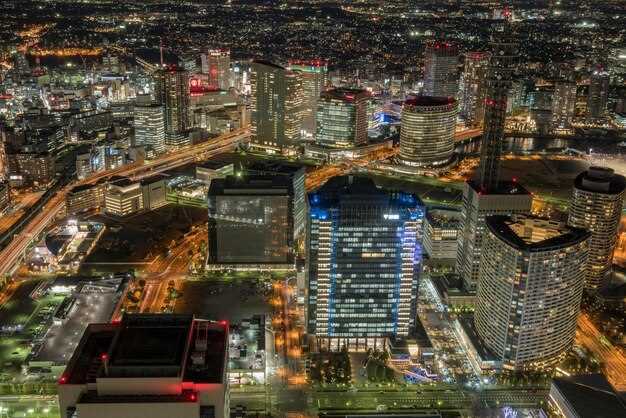
Plan to shoot Cloud Gate before 9am on weekdays to catch soft light and avoid crowds; no tickets are required. Start at the south-east edge of AT&T Plaza and circle the bean-like sculpture to find clean reflections. Address: 201 E Randolph St, illinois.
Optimal angles: position yourself a few steps to the east of the bean-like curve to frame the skyline with the sculpture; tilt about 15-30 degrees and shoot both the curve and reflections; use a wide-angle lens (14-24mm) for a full panorama and tighter portraits; try to include willis and wacker in frame to anchor location and give a sense of context; photograph a mix of close-up details and wide city views for variety.
Light: golden hour at sunrise or blue hour after sundown yields rich hues on the stainless surface; avoid harsh midday glare by waiting for softer light or overcast skies; move around to catch the reflection from different buildings and get a glimpse of the city into your frame.
Crowd management: arrive early to reduce congestion; move slowly and let others pass; yield to pedestrians on the plaza and keep the walkway clear; shoot in short bursts, then step to the side for a moment while crowds pass; target quieter moments around the edges of AT&T Plaza for cleaner shots.
Nearby options and final tips: after Cloud Gate, explore spots around Millennium Park to extend your photos, including a museum or cultural building nearby; the east side offers nice views toward the lake and willis; grab pizza or other spots at nearby restaurants for a break and continue your sequence onto the riverwalk or into the city block, creating amazing, unique photos that will become a sweet memory of chicago and illinois.
Millennium Park area: framing reflective architecture with color and symmetry
Shoot from the Loop-side plaza at golden hour to frame reflective architecture with color and symmetry, using a wide-angle lens and staying slightly off-center to keep the bean’s curve as the anchor.
harold, our photographer friend, offers a quick glimpse: arrive before the crowd clears, then aim toward the lake and the avenue so the reflection reads clean in your photograph.
The ceiling motifs of the nearby pavilion inspired a rhythm that pairs blue lake light with brick lines. If you shoot from the north side, the reflections align with Michigan Avenue and offer instagmmable symmetry in every frame, though you may need a polarizer to tame glare.
Walk the side ramps to avoid crowds; there is a food booth along the park edge where you can grab a sweet dish. Admission to Millennium Park is free, which gives you freedom to experiment with exposures, like longer shutters to blur pedestrians while keeping the reflection crisp. If you walked from the Lake Street entrance, you’ll notice the avenue view above the water; the city lights merge into one frame that stays instagmmable for years. Photography club members can even apply for a short grant of time to shoot during quieter hours, and a small tiki sign near the food area helps you spot a casual spot to regroup in the lobby if you need a breather or want to compare shots with friends.
For a different angle, dip into the pavilion lobby for an observatory-like impression of lines and curves, which contrasts with the outside reflection. The view isnt static; the light shifts with the hours, so keep your camera ready.
Recommendation: pair the Bean shot with a second frame on the BP Bridge or Crown Fountain to complete a Chicago loop of color and symmetry. Our recommendation helps you build a two-shot sequence that feels cohesive across your feed.
| Spot | Најбоље време | Angle/Notes |
|---|---|---|
| Cloud Gate (Bean) – Loop side | Golden hour or blue hour | Wide angle; slight off-center; align lake and avenue in the reflection; include some ceiling lines from adjacent pavilions |
| BP Bridge viewing stairs | Kasno popodne | Shoot from the stairs to frame the loop curve against city lines; avoid direct sun glare |
| Crown Fountain edges | Jutro rano | Move to the side where reflections meet the skyline; use a polarizer for clarity |
Riverwalk and bridges: best vantage points for architectural lines and color palettes
Start on the Randolph Street Bridge balcony for a long, clean view that locks in architectural lines and the river’s color palette as it shifts with light.
-
Randolph Street Bridge – public balcony vantage
From the public balcony, you frame the major lines of the city: vertical towers, horizontal bridge decks, and the river that runs like a metallic ribbon. The view easily slides from pale stone and glass to warmer brick tones, and you’ll notice dots of light dancing on the water as clouds drift by. This is a must-do moment for anyone chasing a balanced composition that looks intentionally curated.
-
Clark Street Bridge – seeing rhythm and repetition
Stand where the arches align with the river’s bend to see how the rhythm repeats across blocks. The west-facing light at late afternoon brings a cool glow on metal, while planters along the railing add fern greens that a photographer can include as a soft contrast. If you’re after a crisp, architectural look, this vantage makes it easy to isolate lines and shapes.
-
Michigan Avenue Bridge – central axis
From the center, you’ll catch a direct view of the skyline and river curve. The palette shifts as you tilt toward sunset; cloud shadows drift across glass façades, opening the scene to airy tones and anish hues in the painted shadows. It’s a classic angle to show how public spaces connect with the city’s cultural core.
-
LaSalle Street Bridge – clean angles
This crossing offers a simpler frame that emphasizes long, horizontal lines. The gate-like railings create a graphic foreground, and the river’s surface mirrors a quiet, different mood when light sits lower in the sky. Bring a wider lens to capture the balance of stone, steel, and water.
-
Wells Street Bridge – foreground texture
U Wells-u dobijate živopisan osećaj teksture: zakovane ploče, kameni stubovi i ivica gde se grad i reka spajaju. Mala dubinska oštrina pomaže da se geometrija mosta izoluje od kula u pozadini, dok vazdušasta udaljenost poziva oko da luta između tačaka refleksije i silueta zgrada. Četvrto, pokušajte sa višeg ugla sa javnog trga blizu kapije da dobijete novi pogled.
Свака предност нуди нешто јединствено: видећete како линије воде око, како се палете боја мењају у различито доба дана и како река додаје рефлектујуће тачке које уједињују оквир. Након што снимите Рандолфа, а затим се крећете ка Гарфилдовом парку, културном сидришту на западној страни, приметићете да културна енергија обитава дуж речног коридора; секвенца постаје прелепа студија о томе како архитектура и пејзаж разговарају. Ако желите снажну секвенцу за јавне постове, планирајте више сесија: лако ћете саставити кохезиван сет који изгледа професионално, иако остаје ваш сопствени. Спремни сте да поделите дугачку причу која делује и прозрачно и уземљено.
Navy Pier и обала језера: позиционирање за широке водене хоризонте и заласке сунца вредне разгледнице
Заузмите положај на крајњем источном крају главне палубе Нејви Пира отприлике сат времена пре заласка сунца да бисте ухватили широке водене хоризонте који се читају као бескрајно језеро на фотографијама вредним Инстаграма. Станите на предњу ограду да линија воде буде чиста, а затим се померите у страну за силуете хоризонта уоквирене тракама облака. То је довољно да подесите тон за вашу сесију.
Gde snimati: paviljon koji gleda na istok pruža mirne refleksije, dok kraj mola nudi nesmetanu panoramu ka jezeru. Koristite stazu pored jezera duž obale Ilinoisa da uhvatite linije horizonta koje se protežu preko kadra, stvarajući mogućnosti za raznovrsne kompozicije. Dok šetate, uzmite krofne sa obližnjeg štanda i ćaskajte sa članom putničkog kluba; ove kratke užine i brzi saveti održavaju opuštenu atmosferu. Putnici iz Čikaga bi prepoznali atmosferu ovde kao mesto za proučavanje zalazaka sunca.
Ево пет брзих углова за почетак: предњи део пристаништа гледа на исток за широк хоризонт; десна страна ограде са градским светлима која се огледају на мокром тротоару; снимак из ниског угла на воду за савијање достојно разгледнице; вертикални кадар који укључује лук облака изнад хоризонта; искрени снимак са дететом или одраслом особом у предњем плану ради размере. Марсел са Бурдиковог штанда би ти рекао да стабилан статив чини ове покрете чистијим, и тада се исплати поверење у сопствено око. Овај постављање ти омогућава да ухватиш и широке и интимне тренутке.
Postprodukcijske beleške: držite osvetljenja pod kontrolom da biste sačuvali tonove plavog sata, pojačajte teksturu vode i zadržite prave boje ilinoiskog neba. Navy Pier ostaje vredan Instagrama sve dok balansirate sunce, svetla i refleksije; ovaj pristup nudi dovoljno raznolikosti da popunite galeriju scena čikaške obale jezera uglovima pogodnim i za decu i za odrasle. Sve, od refleksija do silueta, spaja se kada čitate znakove duž šetališta radi bezbednosti i sa poverenjem pristupate svakom snimku.
Чикашки скајлајн са брода: пет рута, савети за тајминг, опрема и предлози за снимке
Rezervišite 90-minutnu plovidbu u suton sa pristaništa Navy Pier i snimajte iz ruke sa leve strane broda da biste uhvatili toplo svetlo na horizontu. Uvek planirajte brzu promenu između širokih i uskih uglova da biste uhvatili jezero, oblakodere i reku u jednom kadru i zadržite njihove detalje oštrim držeći se blizu 1/200 s sa ISO u opsegu 100–400.
Рута 1: Нејви пир до плаже Оук стрит Počnite ovde da biste uhvatili prepoznatljive siluete okrenute ka jezeru. Postavite se na ogradu pod uglom od 0–10 stepeni da bi nivo vode bio miran, dok se horizont penje iza. Koristite zum objektiv od 24–70 mm da biste pokrili široke prizore grada i uske tornjeve, a zatim pređite na 70–200 mm za udaljene tornjeve koji vire iznad talasa. Široka obala dodaje prirodni okvir, a nebo boje rozea može nežno da sedi u pozadini da bi obogatilo izgled boja na mnogim kadrovima.
Рута 2: Стретервил и Линколн Парк Лејкфронт Крећите се на север дуж обале језера и снимите стаклене куле док се огледају у води. Од угла близу улице Халстед експозиција се мења, па снимите у опсегу од 24–105 мм како бисте ухватили и широку панораму и детаљне фасаде. Ова рута захтева спорији, промишљенији темпо како би се ускладио угао сунца са врховима зграда и како би површина језера имала видљиву текстуру.
Рута 3: Чикашка речна обала и Вакер Драјв Клизите између речних кањона где активности шеталишта поред реке и завоји реке стварају драматичне рефлексије. Користите вертикалну оријентацију да бисте нагомилали висок низ небодера и скенирајте нагиб од 0–8 степени када поравнавате линију реке са хоризонтом. Средњи телефото објектив као што је 70–200 mm помаже да се торњеви изолују на небу, док шири објектив од 16–35 mm обухвата контекст околних петљи и мостова.
Рута 4: Парк Бернам и Видик на Музејски кампус Крените на југ ка кампусу музеја да бисте добили другачији угао на хоризонт са отвореном водом у првом плану. Савремене силуете, вишеслојне зграде и симетрија плавог сата стварају добре могућности за фотографисање. Држите ISO ниским и искористите стабилан хват, имајте шири објектив за контекст околине и ужи објектив за архитектонске детаље близу ивице воде.
Рута 5: Чишћење од плаже Монтроуз до плаже на 31. улици Овај јужни део обале језера открива шири низ облакодера наслаганих иза отворене воде. Ускладите свој пролаз да ухватите залазак сунца, а затим пређите на веће жижне даљине да бисте сабили простор и нагласили растојање између језера и врхова високих зграда. Ограничени углови овде подстичу намерно кадрирање и пажљиву композицију како би се избегла пренатрпана позадина.
Saveti za određivanje vremena: planirajte zlatni sat oko 30–45 minuta pre zalaska sunca, a zatim plavi sat počinje oko 15–25 minuta nakon zalaska sunca. Ako poravnate snimke sa vodom skoro nultim nagibom, smanjićete kolebanje horizonta i održati vizuelno čistim krovove zgrada. Za vidikovce u 94. ulici ili druge udaljene tačke gledišta, snimite brzi niz od 0–6 stepeni, a zatim se vratite na 8–12 stepeni da biste uporedili uticaj. U vedrim danima, nebo može da se prebaci od bledo ružičaste do tamno roze kako stepeni promene boje, pa pripremite brzu promenu između širokih i telefoto kadrova za manje od jednog minuta.
Oprema i podešavanje: koristite laganu, stabilizovanu opremu i komplet raznovrsnih objektiva (širokougaoni 16–35 mm i srednje-telefoto 70–200 mm). Neka vam rezervne baterije i memorijske kartice budu spremne; stabilizacija ugrađena u plovilo pomaže da snimci budu mirni, a kompaktan monopod je prihvatljiv ako je dozvoljen. Snimajte sa mesta na ogradi koje vam je bezbedno i udobno za atletski stav, i održavajte ravnotežu kada se čamac ljulja. Ako ste bloger koji beleži dan na jezeru, pokušajte da napravite nekoliko snimaka sa rasponom od 35 mm do 50 mm da biste pružili intimniji pogled na horizont dok prolazi pored šetališta uz reku.
Пет идеја за кратке сцене које можете испробати дуж различитих рута: подстицај 1: Širok pogled na vodu sa horizontom u donjoj trećini i blagim nagibom od 0–6 stepeni; prompt 2: Рефлексије стаклених кула у површинама река користећи средњу жижну даљину; У реду.: Ноћна светла дуж Ривервока која се преливају на језеру, дуга експозиција 2–4 секунде; У реду.: Угаоно кадрирање два небодера са водом која се провлачи између њих; подсетник 5: Силуета људи на шинама са ружичастим росе сјајем на хоризонту у позадини.