


 Azərbaycan dili
  English (UK)
  Русский
  বাংলা
বাংলা  العربية
  日本語
日本語  한국어
한국어  Magyar
  Norsk nynorsk
  Türkçe
  עִבְרִית
  Español
  Čeština
  Svenska
  Português
  Ελληνικά
  Suomi
Suomi  Nederlands
  Română
  Italiano
  Français
  Polski
  Українська
  Deutsch
  简体中文
简体中文  Slovenčina
  Српски језик
  اردو
اردو  O‘zbekcha
  አማርኛ
አማርኛ  Çikaqoda İnstaqram üçün Ən Yaxşı 21 Yer – Xəritə, Məsləhətlər və Fotolar">

Start at the observatory deck of 360 Chicago for sunrise skyline shots. Read the map through 21 spots to capture the front, the river, and the skyline from multiple angles, so you get the prettiest shots without guesswork.
From Millennium Park’s Cloud Gate to the Chicago Riverwalk, this guide maps each location with practical tips: best hours, access notes, and entry points to avoid crowds. You’ll know exactly where to stand to frame the skyline with Bean’s reflection or the river’s shimmer.
If you visited Chicago before, you’ve seen iconic streets, but these picks push your feed beyond the well-known. Shoot through the glass at the waterfront, look for baxış of sunlight through bridges, and let the signs along the river guide your path. What this route does is minimize backtracking while maximizing variety.
One architecture highlight is the brick front of harold Washington Library; it’s known for clean lines and dramatic interior light. The interior spaces let you create moody portraits and candid city scenes without crowds, and you can pair exterior shots with the library’s interior arcs for a cohesive set.
For a hanging-lights mood, shoot bridges around twilight where strings of lights hang above the river. Look for hanging lanterns along the bridges and let the Chicago River mirror the skyline as the day fades. Through this approach you cover everything from bright daylight to moody night scenes.
Practical tips: use a fast lens (24-70mm works well for most spots) and a tripod for dusk shots, but be mindful of time limits and crowding near popular sites. The map highlights 21 spots with concrete notes on hours, access, and the most photogenic angles, known to produce absolutely striking results.
Popular anchors include the Bean at Millennium Park, Navy Pier at sunset, the 360 Chicago view from the front, and riverfront vistas that show the skyline between bridges. If you read the signs and plan ahead, you’ll have a smoother shoot, and you’ll walk away with photos that Chicago readers will love.
Practical photo planning for 21 spots and five boat-based skyline views
Plan two golden-hour blocks and five boat-based skyline views, covering 21 spots with a tight shot list and fewer gear swaps.
Create a 21-stop map with a clear angle, light window, and a four‑to‑six minute window per hit to keep pace while walking between nearby locations. This means you’ll finish each day with a compact set of instagmmable shots and room to adjust when the light shifts throughout the evening.
Gear smart: carry two versatile lenses (24‑70mm and 70‑200mm), a lightweight tripod for blue hour, and spare batteries. Set daylight shots to ISO 100–400, f/8–f/11, 1/125s; for blue hour or night on the water, shift to ISO 800–1600 and 2–8s with a steady mount.
Time-of-day plan by area: Buckingham Fountain, Millennium Park, Navy Pier, the Chicago Riverwalk, and Grant Park each reward a different approach. At Buckingham, go wide to capture the fountains with the skyline above; at Millennium Park, keep the Bean in frame with crowd silhouettes; along the Riverwalk, mix reflections and river bends; near the park’s edges, use higher vantage points where possible to add depth. Where possible, walk a few steps to a higher deck or bridge to vary the composition and avoid crowding.
Five boat-based skyline views: book an architecture river cruise for tall towers, a sunset river ride for warm reflections, a lake cruise for broad skyline spans, a blue-hour lake loop for silhouettes, and a post-sunset city cruise for illuminated elevations. These opens prime opportunities to shoot above the waterline, with the city stepping into a nearly monochrome glow. Since boats move, pre‑plan where you’ll stand and when you’ll zoom to frame both foreground interest and the distant towers.
On board and on land, stay flexible: position at the bow for sweeping frames, switch to the stern for calmer water, and use a 70‑200mm for compressing the skyline while a 24‑70mm handles nearby details. Walk between vantage points to keep your momentum steady and avoid missing the light. After visits, grab a quick treat–donuts or a Burdick‑style bite–and note which spots felt most instagmmable for future revisit. This space to adjust light and timing helps you build a concise, compelling set across all 21 spots and five boat views.
Cloud Gate (The Bean) at Millennium Park: optimal angles, light, and crowd management
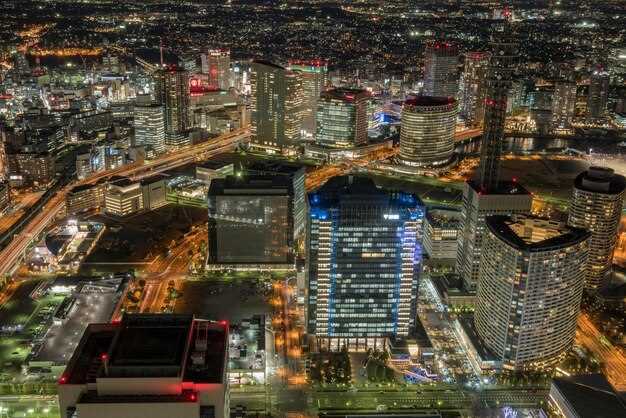
Plan to shoot Cloud Gate before 9am on weekdays to catch soft light and avoid crowds; no tickets are required. Start at the south-east edge of AT&T Plaza and circle the bean-like sculpture to find clean reflections. Address: 201 E Randolph St, illinois.
Optimal angles: position yourself a few steps to the east of the bean-like curve to frame the skyline with the sculpture; tilt about 15-30 degrees and shoot both the curve and reflections; use a wide-angle lens (14-24mm) for a full panorama and tighter portraits; try to include willis and wacker in frame to anchor location and give a sense of context; photograph a mix of close-up details and wide city views for variety.
Light: golden hour at sunrise or blue hour after sundown yields rich hues on the stainless surface; avoid harsh midday glare by waiting for softer light or overcast skies; move around to catch the reflection from different buildings and get a glimpse of the city into your frame.
Crowd management: arrive early to reduce congestion; move slowly and let others pass; yield to pedestrians on the plaza and keep the walkway clear; shoot in short bursts, then step to the side for a moment while crowds pass; target quieter moments around the edges of AT&T Plaza for cleaner shots.
Nearby options and final tips: after Cloud Gate, explore spots around Millennium Park to extend your photos, including a museum or cultural building nearby; the east side offers nice views toward the lake and willis; grab pizza or other spots at nearby restaurants for a break and continue your sequence onto the riverwalk or into the city block, creating amazing, unique photos that will become a sweet memory of chicago and illinois.
Millennium Park area: framing reflective architecture with color and symmetry
Shoot from the Loop-side plaza at golden hour to frame reflective architecture with color and symmetry, using a wide-angle lens and staying slightly off-center to keep the bean’s curve as the anchor.
harold, our photographer friend, offers a quick glimpse: arrive before the crowd clears, then aim toward the lake and the avenue so the reflection reads clean in your photograph.
The ceiling motifs of the nearby pavilion inspired a rhythm that pairs blue lake light with brick lines. If you shoot from the north side, the reflections align with Michigan Avenue and offer instagmmable symmetry in every frame, though you may need a polarizer to tame glare.
Walk the side ramps to avoid crowds; there is a food booth along the park edge where you can grab a sweet dish. Admission to Millennium Park is free, which gives you freedom to experiment with exposures, like longer shutters to blur pedestrians while keeping the reflection crisp. If you walked from the Lake Street entrance, you’ll notice the avenue view above the water; the city lights merge into one frame that stays instagmmable for years. Photography club members can even apply for a short grant of time to shoot during quieter hours, and a small tiki sign near the food area helps you spot a casual spot to regroup in the lobby if you need a breather or want to compare shots with friends.
For a different angle, dip into the pavilion lobby for an observatory-like impression of lines and curves, which contrasts with the outside reflection. The view isnt static; the light shifts with the hours, so keep your camera ready.
Recommendation: pair the Bean shot with a second frame on the BP Bridge or Crown Fountain to complete a Chicago loop of color and symmetry. Our recommendation helps you build a two-shot sequence that feels cohesive across your feed.
| Ləkə | Ən Yaxşı Vaxt | Angle/Notes |
|---|---|---|
| Cloud Gate (Bean) – Loop side | Golden hour or blue hour | Wide angle; slight off-center; align lake and avenue in the reflection; include some ceiling lines from adjacent pavilions |
| BP Bridge viewing stairs | Late afternoon | Shoot from the stairs to frame the loop curve against city lines; avoid direct sun glare |
| Crown Fountain edges | Early morning | Move to the side where reflections meet the skyline; use a polarizer for clarity |
Riverwalk and bridges: best vantage points for architectural lines and color palettes
Start on the Randolph Street Bridge balcony for a long, clean view that locks in architectural lines and the river’s color palette as it shifts with light.
-
Randolph Street Bridge – public balcony vantage
From the public balcony, you frame the major lines of the city: vertical towers, horizontal bridge decks, and the river that runs like a metallic ribbon. The view easily slides from pale stone and glass to warmer brick tones, and you’ll notice dots of light dancing on the water as clouds drift by. This is a must-do moment for anyone chasing a balanced composition that looks intentionally curated.
-
Clark Street Bridge – seeing rhythm and repetition
Stand where the arches align with the river’s bend to see how the rhythm repeats across blocks. The west-facing light at late afternoon brings a cool glow on metal, while planters along the railing add fern greens that a photographer can include as a soft contrast. If you’re after a crisp, architectural look, this vantage makes it easy to isolate lines and shapes.
-
Michigan Avenue Bridge – central axis
From the center, you’ll catch a direct view of the skyline and river curve. The palette shifts as you tilt toward sunset; cloud shadows drift across glass façades, opening the scene to airy tones and anish hues in the painted shadows. It’s a classic angle to show how public spaces connect with the city’s cultural core.
-
LaSalle Street Bridge – clean angles
This crossing offers a simpler frame that emphasizes long, horizontal lines. The gate-like railings create a graphic foreground, and the river’s surface mirrors a quiet, different mood when light sits lower in the sky. Bring a wider lens to capture the balance of stone, steel, and water.
-
Wells Street Bridge – foreground texture
Wells-də, toxumanın canlı hissini əldə edirsiniz: perçinli panellər, daş sütunlar və şəhərlə çayın qovuşduğu kənar. Səthi fokus dərinliyi körpünün həndəsəsini arxa plandakı qüllələrdən təcrid etməyə kömək edir, havadar məsafə isə gözü əkslərin nöqtələri və bina siluetləri arasında gəzməyə dəvət edir. Dördüncüsü, yeni bir görünüş əldə etmək üçün qapıya yaxın ictimai meydandan daha yüksək mövqe tutmağa çalışın.
Hər bir baxış bucağı özünəməxsus bir şey təklif edir: xətlərin gözü necə yönləndirdiyini, rəng palitralarının günün müxtəlif vaxtlarında necə dəyişdiyini və çayın kadrı birləşdirən əks etdirici nöqtələr əlavə etdiyini görəcəksiniz. Randolph-u çəkdikdən sonra Qərb tərəfində mədəni bir lövbər olan Garfield Parka doğru hərəkət etdikdə, çay dəhlizi boyunca mədəni bir enerjinin olduğunu görəcəksiniz; ardıcıllıq memarlıq və landşaftın necə danışdığına dair gözəl bir araşdırmaya çevrilir. İctimai paylaşımlar üçün güclü bir ardıcıllıq istəyirsinizsə, çoxsaylı sessiyalar planlaşdırın: asanlıqla peşəkar görünən, lakin özünüzə məxsus olan uyğun bir dəst toplayacaqsınız. Həm yüngül, həm də əsaslı hiss olunan uzun bir hekayəni bölüşməyə hazırsınız.
Navy Pier və sahil zolağı: geniş su üfüqləri və açıqcağa layiq gün batımları üçün mövqe
Navy Pier-in əsas göyərtəsinin ən şərq ucunda, gün batımından təxminən bir saat əvvəl yerləşərək, instagrama layiq şəkillərdə sonsuz bir göl kimi görünən geniş su üfüqlərini kilidləyin. Su xəttini təmiz saxlamaq üçün ön dəmir yolunda durun, sonra bulud zolaqları ilə çərçivələnmiş şəhər siluetləri üçün kənarlara sürüşdürün. Bu, seansınız üçün ton yaratmaq üçün kifayətdir.
Harada çəkmək: şərqə baxan pavilyon sakit əkslər təqdim edir, iskəncinin sonu isə gölə doğru maneəsiz bir panorama təklif edir. Çərçivə boyunca uzanan üfüq xətlərini tutmaq üçün İllinois sahil xətti boyunca gölün sahil yolu istifadə edin, bu da müxtəlif kompozisiyalar üçün imkanlar yaradır. Gəzərkən yaxınlıqdakı köşkdən donut alın və səyahət klubunun üzvü ilə söhbət edin; bu qısa qəlyanaltılar və sürətli məsləhətlər əhvalı rahat saxlayır. Çikaqolu səyahətçilər buradakı əhvalı gün batımının öyrənilməsi üçün bir mərkəz kimi tanıyacaqlar.
Başlamaq üçün beş sürətli bucaq: geniş üfüq üçün istiqrazın ön hissəsi şərqə baxır; yaş səkidə şəhər işıqlarının əksi olan sağ tərəfdəki dəmir yolu; açıqca layiq əyilmə üçün suya aşağı bucaqlı çəkiliş; üfüq xəttinin üstündəki bulud qövsü daxil olmaqla şaquli çərçivə; miqyas üçün ön planda uşaq və ya böyük ilə səmimi. Burdick köşəsindən olan Marcel sizə deyərdi ki, sabit üçayaq bu hərəkətləri daha təmiz edir və öz gözünüzə inamınız o zaman öz bəhrəsini verir. Bu quraşdırma həm geniş, həm də intim anları ələ keçirməyə imkan verir.
Post-prodakşn qeydlər: mavi saat tonlarını qorumaq üçün işıqları nəzarət altında saxlayın, suyun fakturasını artırın və illinois səmalarının rənglərini olduğu kimi saxlayın. Navy Pier günəşi, işıqları və əksləri balanslaşdırdığınız müddətcə instagram üçün layiq qalır; bu yanaşma həm uşaqlar üçün uyğun, həm də böyüklər üçün hazır bucaqları olan Çikaqonun sahil səhnələri qalereyasını doldurmaq üçün kifayət qədər müxtəliflik təklif edir. təhlükəsizlik üçün promenad boyunca işarələri oxuyarkən və hər bir kadra inamla yapışarkən əkslərdən tutmuş siluetlərə qədər hər şey bir araya gəlir.
Çikaqo şəhərinin silueti gəmidən: beş marşrut, vaxtlama məsləhətləri, avadanlıq və çəkiliş təklifləri
Navy Pier-dən 90 dəqiqəlik gün batımı kruizinə bilet al və liman tərəfindən dayanıb əl ilə çəkərək isti işığı şəhərin üfüqündə fokusla. Həmişə geniş və dar bucaqlar arasında sürətli keçid planla ki, gölü, göydələnləri və çayı bir kadra yerləşdirəsən, ISO-nu 100–400 aralığında saxlayaraq 1/200s-ə yaxın sürətlə onların detallarını iti saxla.
Marşrut 1: Navy Pier-dən Oak Street Beach-ə İkonik gölə baxan siluetlər üçün burdan başlayın. Üfüq arxada yüksələrkən su səviyyəsini sakit saxlamaq üçün özünüzü 0–10 dərəcə əyilmədə relsin üstünə yerləşdirin. Geniş şəhər mənzərələrini və sıx qüllələri əhatə etmək üçün 24–70 mm-lik zoom-dan istifadə edin, sonra dalğa xəttinin üstündən uzaqlaşan zirvələr üçün 70–200 mm-lik zoom-a keçin. Geniş sahil xətti təbii çərçivə əlavə edir və qızılgül rəngli səma bir çox çərçivədə rəng görünüşlərini zənginləşdirmək üçün arxa fonda yumşaq şəkildə otura bilər.
Marşrut 2: Streeterville və Lincoln Park Sahilboyu Göl sahilində şimala doğru hərəkət edin və şüşə kimi binaların suda əksini çəkin. Halsted Street yaxınlığındakı küncdən ekspozisiya dəyişir, buna görə də həm geniş üfüqü, həm də detallı fasadları çəkmək üçün 24–105 mm diapazonunda çəkiliş edin. Bu marşrut günəşin bucağını binaların zirvələri ilə uyğunlaşdırmaq və göl səthinin görünən teksturasını saxlamaq üçün daha yavaş, düşünülmüş tempdən faydalanır.
Marşrut 3: Çikaqo Sahilboyu və Wacker Drive Çaykənarı fəaliyyəti və çay döngələrinin dramatik əkslər yaratdığı çay kanyonları arasında sürüşün. Göydələnlərin hündür bir yığınını toplamaq üçün şaquli oriyentasiyadan istifadə edin və çay xəttini üfüqlə düzləşdirərkən 0–8 dərəcə əyilməni yoxlayın. 70–200 mm kimi orta teleobyektiv qüllələri səmaya qarşı təcrid etməyə kömək edir, daha enli 16–35 mm isə ətrafdakı döngələrin və körpülərin kontekstini ələ keçirir.
Marşrut 4: Burnham Parkı və Muzey Kampusunun Panoraması Şəhərin siluetinə fərqli bir baxış üçün muzey şəhərciyi bölgəsinə doğru cənuba gedin, ön planda açıq su olsun. Müasir siluetlər, çoxqatlı binalar və mavi saat simmetriyası güclü şəkil imkanları yaradır. ISO-nu aşağı saxlayın və sabit bir tutuşdan istifadə edin, ətraf mühit konteksti üçün daha geniş bir linzaya və suyun kənarında memarlıq detalları üçün daha dar bir linzaya sahib olun.
Marşrut 5: Montroza çimərliyindən 31-ci küçə çimərliyinə qədər təmizləmə Bu cənub sahilboyu uzantısı açıq suyun arxasında lay-lay düzülmüş daha geniş göydələnlər xəttini ortaya çıxarır. Günəşin üfüqə doğru batdığı anı tutmaq üçün vaxtınızı hesablayın, sonra məkanı sıxmaq və göl ilə çoxmərtəbəli binaların zirvələri arasındakı məsafəni vurğulamaq üçün daha uzun fokus uzunluqlarına keçin. Buradakı məhdud bucaqlar izdihamlı fonlardan qaçmaq üçün düşünülmüş kadrlaşdırmanı və diqqətli kompozisiyanı təşviq edir.
Vaxt göstərişləri: qızıl saat işığını gün batmazdan təxminən 30–45 dəqiqə əvvəl planlaşdırın, sonra mavi saat gün batandan təxminən 15–25 dəqiqə sonra başlayır. Əgər çəkilişlərinizi suya sıfıra yaxın əyilmə ilə uyğunlaşdırsanız, üfüqi yırğalanmanı azaldacaq və binaların tavanını vizual olaraq təmiz saxlayacaqsınız. 94-cü küçə baxış nöqtələri və ya digər uzaq müşahidə nöqtələri üçün 0–6 dərəcədə sürətli bir ardıcıllıq çəkin və sonra təsirini müqayisə etmək üçün 8–12 dərəcəyə geri çəkin. Açıq günlərdə səma rəng dərəcələri dəyişdikcə solğun çəhrayıdan tünd qızılgül rənginə qədər dəyişə bilər, buna görə də bir dəqiqədən az müddətdə geniş və telefoto çərçivələri arasında sürətli keçid hazırlayın.
Avadanlıq və quraşdırma: yüngül, stabilizasiyalı qurğu və çox yönlü obyektiv dəsti (geniş 16–35mm və orta telefoto 70–200mm) istifadə edin. Ehtiyat batareyalar və yaddaş kartları hazır olsun; qayıqda quraşdırılmış stabilizasiya kadrları sabit saxlamağa kömək edir və icazə verilirsə, kompakt monopod məqbuldur. İdman duruşu üçün özünüzü etibarlı və rahat hiss etdiyiniz relsdəki yerdən çəkiliş edin və qayıq yellənəndə tarazlığınızı qoruyun. Əgər siz göldə keçirdiyi günü əks etdirən blogersinizsə, çay sahili keçərkən üfüq xəttinin daha intim görüntülərini təqdim etmək üçün 35mm–50mm diapazonunda bir neçə kadr çəkin.
Marşrutlar üzrə sınamaq üçün beş kadr ideyası: prompt 1: Su üfüqi xətti aşağı üçdə birində yerləşən və 0-6 dərəcə arasında incə əyilməsi olan geniş üfüq xətti; Mətn 2Orta fokus məsafəsindən istifadə edərək çay səthində şüşə qüllələrin əksləri; prompt 3: Riverwalk boyunca gecə işıqları göldə parıldayır, uzun ekspozisiya 2-4 saniyə; prompt 4İki göydələnin suyun aralarından keçdiyi künc çərçivəsi; tələb 5Arxa fonda çəhrayı şəfəq saçan üfüqlə dəmir yolu üzərində insanların silueti.