


 Српски језик
  English (UK)
  Русский
  বাংলা
বাংলা  العربية
  日本語
日本語  한국어
한국어  Magyar
  Norsk nynorsk
  Türkçe
  עִבְרִית
  Español
  Čeština
  Svenska
  Português
  Ελληνικά
  Suomi
Suomi  Nederlands
  Română
  Italiano
  Français
  Polski
  Українська
  Deutsch
  简体中文
简体中文  Slovenčina
  اردو
اردو  Azərbaycan dili
  O‘zbekcha
  አማርኛ
አማርኛ 
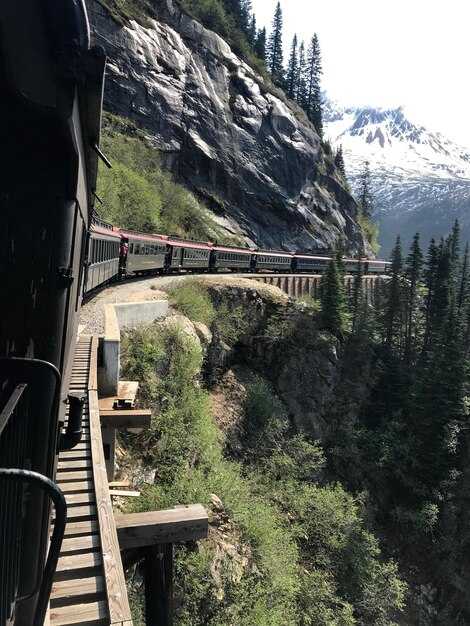
Take the Denali Star on a september saturdays for crisp light, steady speed, and rewarding views across the north.
The northbound transit from anchorage to denali national park spans roughly 7 hours, with expansive windows in the railcar providing constant viewing. Reserve a window seat or the dedicated observation car to maximize the following landscape along rivers, tundra, and distant peaks. The crew keeps to a reliable schedule, and veteran member harding shares photography tips that help you frame wildlife and denali silhouettes as the train climbs toward the park. Look north as the range comes into view and the river valleys widen.
Pack for rapid weather shifts: breathable layers, a rain shell, and a compact camera kit. Store gear in containers or a small daypack that fits under the seat, and keep valuables in a secure tote. dont rely on long stops for meals; the dining car provides options at set times, and you can enjoy nice, gentle views from the railcar while you eat.
September light lasts longer, and for wildlife, early morning and late afternoon remain best. The Denali Star’s broad windows in the railcar give you a steady stream of scenery, including rivers, tundra, and distant peaks. Book a seat near the observation deck on saturdays for easy access to the best viewpoints and a chance to catch a moose along the riverbank, or a herd of caribou in the open flats.
Book early and plan a two-day stay around denali national park to maximize your time, with a final return leg in the evening and a window for photos. The Denali Star provides a gentle transit through alaska’s heart and keeps you connected to the rhythms of a north-country rail experience–without the crowds.
Denali Star Train Photo Guide: Shots, Gear, and Timing
Shoot from the north-facing seats during the golden hour to catch glacier light; sit near the front car to see the train pull and keep the scenery in frame for continuous shots.
Gear tips: bring a 200-600mm telephoto, a spare battery, and fast memory cards; use a lens hood and a monopod or a steady handheld setup, since a moving coach makes tripod use awkward. Pack a microfiber cloth for window smudges and a small rain cover if you expect mist; for glare control, try a polarizer and switch angles when light shifts.
Build a list of shot ideas before you ride: glacier textures, silhouettes of the front of the train, interior scenes in the bistro car, and signs along the routes; plan for both wide context frames and tight details to vary your content.
The sd70mac locomotive typically pulls the train, so time your frames as it passes ice cliffs or a snow field; use a faster shutter to freeze motion when you see a clear action moment, and switch to a slower setting for moody skies if light holds.
Interior shots become compelling when the outside light is dim; switch to lower ISO and a slower shutter to capture warm tones in the bistro interior while avoiding reflections from the glass. Keep the window at a slight angle and check the alignment of chairs and tables for a clean composition.
At unloading stops, step to the side to avoid blocking aisles, and keep gear secure in a padded bag; use the pause to reset exposure and frame new angles while passengers switch cars. If you want people in your frame, sit by the window and capture candid moments without intruding on fellow travelers.
During holidays, the bistro area may display playful touches like james on a chart and a santa banner; these small details offer a lighthearted contrast to grand landscape shots, so enjoy the moment and continue shooting. In general, focus on the areas around Denali that reveal textures of rock, snow, and sky, which provide considerably vivid color when clouds break.
Keep a steady pace with your plan and avoid overloading a single frame; mostly shoot a mix of front-and-side angles and interior scenes to build a varied list that highlights both seen views and intimate details. The popular vantage points are the front railing and the bistro window, but explore side windows for reflective compositions and tastefully framed silhouettes.
Window-side vantage: left vs. right for mountain and river shots
Leave Fairbanks with the left side favored for river shots; the Nenana corridor runs along that bank and morning light on the water stays clear. This route is known for its balance of river and mountain looks.
On the right side, switch when the track climbs toward Denali’s peaks to catch bold mountain silhouettes; a single hill line along the valley often frames the pass and, if the weather cooperates, the snow cap will glow against blue sky.
Ride the dome car for steady, panoramic framing; dome windows reduce glare, and you can enjoy personal seating while you shoot. If you want to guarantee a window view, ask for passes and check the listed seating plan; sleepers with rooms offer quiet after sunset and a place to regroup between shots. Capture them to share later.
During brief stops by river bends and bridges, walking along the platform reveals new spots for shots; keep your gear ready, and note that some deadheads linger near the windows while the train stays at speed; many travelers treat it like a calm cruise, moving from side to side as light shifts. Road crossings add a fresh perspective.
Things to remember: depart Fairbanks in the morning for the best light. Getting both sides will give you variety, and luck plays a role–if Denali shows itself in clear weather, you will be lucky. frank locals know the best times to shoot, and everyone leaves with stories. If you believe in the power of small moments, the left and right views will keep you engaged, with rooms or dome seating giving you flexible options. Unless cloud cover blocks the peaks, you’ll have a solid gallery.
Light timing: golden hours and alpenglow along the route
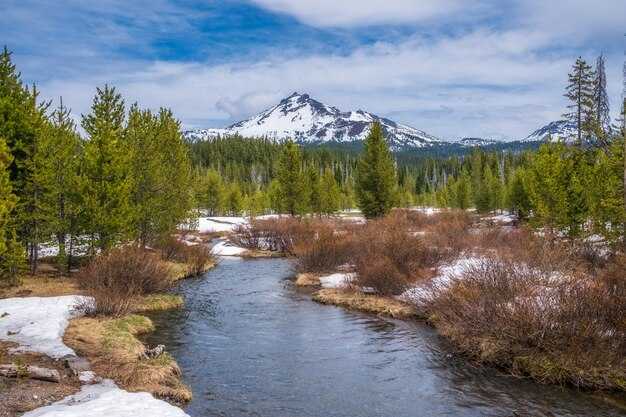
Plan to ride southbound on the Denali Star to chase the golden hour as the sun sinks behind the Alaska Range. In clear evenings, the light washes the white fields and glacier faces in pink and copper, and alpenglow lingers as the train glides along the track. To maximize impact, they should settle in the glass-domed area aboard the train about 60 minutes before sunset, then watch as colors turn from pale to radiant along the foothills.
The northern light shifts gradually, letting you track color changes mile by mile. The train’s design is user-friendly, with domes and smaller viewing areas spaced along the car lineup, and the glass-domed cars located near the lounge to keep you comfy while the scenery unfolds. The operators own the route and build a schedule that puts light first, so you’ll see Denali’s peaks glow as you arrive at a sweeping turn.
Alpenglow arrives in distinct pockets as the route winds through river valleys and passes over high ridges. The sun sinks behind the southern peaks, and the turned granite faces and snowfields glow with softer hues while douglas fir stands along the valley lines glow amber. The Denali area offers a reliable window for alpenglow when weather cooperates, especially on clear spring and fall evenings.
For photography, set ISO 400–800, aperture around f/5.6, and aim for shutter speeds near 1/200–1/60 depending on light and motion. Use continuous AF and bursts as the train slides by; keep the domes and glass-domed area clean for maximum clarity. If the crowd crowds the lounge, try the smaller seating zones to stabilize your frame and then rotate back as the light changes.
Arrive at the station early to board; choosing seats in the glass-domed cars gives you optimal viewing. Once aboard, you can enjoy the lounge car amenities and warm beverages while the map of the route indicates when the light will peak over the area. The Denali Star is operating, owned by a company that serves tourism with steady, predictable schedules; the ride along the river and into the foothills offers dynamic color changes as the sun dips toward the horizon.
Keep an eye on the clock for the last-quarter glow as the train nears Denali National Park, where the northern air cools and the light turns cooler pinks, creating lasting memories for they who rode aboard and captured images of the scene on a glass-domed railcar. The combination of domes, white snow, and green douglas fir in the foreground makes this route ideal for photography fans and casual observers alike.
Onboard framing: composing scenes through glass and moving train
Begin by selecting a window seat aboard the Denali Star and depart early from the platform. If you boarded the train, you didnt have to rush–you can settle into a rhythm that keeps the glass frame clean for clear shots. The white ridges rise above the earth, and valleys unfold as the speed settles; keep the lens ready when the sun hits a ridge and a line of freight cars pulls past. If your trip is on a saturday, softer afternoon light lasts longer, giving you more time to compose near Harding Icefield with eklutna Creek glinting in the distance.
The Denali Star is operated by Alaska Railroad, so plan around timetables and rest stops. Frame scenes by leaning into the glass as the train moves; thus you keep a steady view while your body stays relatively still. While eating or resting, stay ready to shoot bursts during each crossing to capture motion without blur. Freight cars in the distance provide scale, and the locomotives pulled past give a sense of depth as the scenery shifts at every turn.
For families, grandparents often prefer a calmer pace; invite them to rest while you test different compositions, then share your best shots during the next break. If someone is willing to trade seats, rotate to keep the glass frame fresh. Leave room for the occasional stop to photograph eklutna lakeside views or a moose along the river; this whole method relies on patience and rhythm.
Notes on subjects and places: depart from Talkeetna with the sun behind you; the route climbs past first switchbacks, crosses near eklutna, and heads northbound along tundra and spruce. If you want to emphasize scale, frame a distant ridge through the window while including foreground branches along the glass. The meaning of each frame emerges when you align foreground, middle ground, and distant peaks, especially near Harding and the eklutna region.
| Аспект | Препорука | Words to note |
|---|---|---|
| Seat & timing | Choose a window aboard; depart early; consider a saturday departure for softer light | aboard,depart,saturday,northbound,white,valleys |
| Light & movement | Shoot in bursts during crossing; adjust speed to control blur; plan around rest stops | speed,crossing,rest |
| Family dynamics | Willing participants, rotate seats to balance viewing and comfort | grandparents,willing |
| Locations & landmarks | Highlight eklutna near Harding; note located features along the route | eklutna,harding,located |
| Capture storytelling | Leave room for sequence shots that convey scale and time | leave,along,next,thus,meaning |
Key photography stops along the route: panoramas near Susitna River and Alaska Range
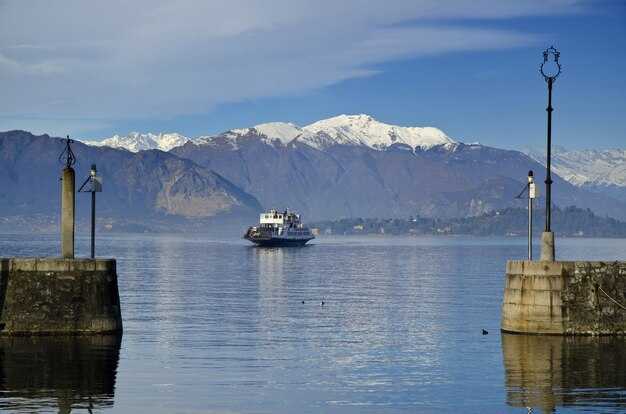
Start with a dawn panorama along the Susitna River bend; boarded coaches give a stable surface, but lean into the west-facing window for better moody light. Shoot just enough photos, only a few frames hit the mood, with a 24-70mm lens at ISO 100-200, focusing on a series of shots that capture both the river’s curves and the Alaska Range’s distant textures. The conductor will signal when the train slows for a turn, so you can hold your breath and fire off the shots when the train is operating smoothly. These moments set the tone for a scenic view onto Denali that you can share with readers on day one.
Како се рута приближава Хилију, долина Суситна се отвара у широк живописни коридор испод планине Аљаска. Преместите се на широку тачку гледишта и снимите мрачну серију панорама, користећи дужи објектив за компресовање удаљености. Ако се светлост промени, пребаците се између углова окренутих према прозору и сачекајте најбоље одсјаје на реци. Екипа ће вам помоћи да се сместите између седишта, али будите пажљиви на мере безбедности; овде атмосфера оживљава и сакупљате снимке које ће читаоци волети.
Даље уз пут, коридор планинског ланца Аљаске постаје све виши, а гребен леденог поља Хардинг формира назубљену силуету. Када се облаци разиђу, снимите ултрашироки панорамски снимак, а затим пређите на средњи зум да бисте извукли текстуру са гребена и снега. Третирајте ове кадрове као једну целину у галерији; серија слика ће се добро пренети на медије и на екран. Ритам воза је као брод који клизи кроз тиху долину, док планине држе сцену стабилном.
Унутар златне звезде, посада и кондуктер координишу станице и држе врата затворена како би смањили одсјај. Ако светло не сарађује, спустите ролетну и користите поларизатор да смањите рефлексије – у основи стандардни потез за снимке реке и гребена. Снимајте у рафалима, а затим прегледајте фотографије на свом уређају; њихове најбоље снимке постају функција коју читаоци могу да гледају и уживају у медијским галеријама. Ова поставка вам помаже да избегнете преекспонираност и одржава снимке чистима и у основи максимизира сваку прилику дуж руте.
Када објављујете, захвалите се посади на подршци; захваљујући распореду рада, добијате сталне прилике да ухватите поглед. Фактори који чине најбоље фотографије овде су светлост, тајминг и спремност да се закорачи на аутомобил у покрету када је то безбедно. Ако желите да изградите школу фотографа путника, овај потез је савршено место за вежбање: читаоци ће пратити ваш напредак док састављате кохезивну серију фотографија од Суситне до Аљаског ланца. Запамтите да одржавате равнотежу између снимака ентеријера и спољашњих панорама и увек проверите углове окренуте према западу пре него што сунце зађе.
Опрема, подешавања и савети за безбедност при фотографисању возова
Postavite zatvarač na 1/1000 sekunde i snimajte sa suvozačevog sedišta sa jasnim pogledom kroz prozor sa staklenom kupolom, koristeći svestrani zum da zadržite prepoznatljivu karakteristiku u kadru.
Да бисте ухватили Денали Стар дуж alaskayukon коридора, планирајте јутарње светло, пар стајања и повремене прелазе који додају дубину вашој путописној причи. Користите једноставан уређај на који се можете ослонити поред вагона ресторана или на улазу у вагон, и нека вам јединица буде довољно лагана да се преместите на друго седиште ако се видна линија побољша.
Потребна опрема
- Једно тело са изузетно брзим аутофокусом и чврстим перформансама при високим ISO вредностима
- Dva objektiva: standardni zum (24–70 mm) za prizore izbliza i teleobjektiv (70–200 mm) za udaljene detalje
- Dodatne baterije i memorijske kartice
- Krpa od mikrovlakana i rastvor za čišćenje sočiva za smanjenje refleksije od prozora sa staklenom kupolom
- Зоница за објектив и лагани монопод или стабилизатор за статичне снимке на брду или улазу
- Опциони поларизациони филтер за смањење одсјаја када светлост удара у прозор, користи се умерено.
- Zaštitni remen i mala torba smešteni ispod sedišta kako ne bi smetali u prolazu
Подешавања по сценарију
- Vedro jutro, čisto nebo: 1/1000–1/1250 s, f/5,6–f/8, ISO 200–400; fokus na detalj kao što su drveće koje uokviruje brdo ili znak ukrštanja
- Oblačno ili meko svetlo: 1/800–1/1000s, f/4–f/5.6, ISO 400–800; koristite kontinualni AF (AF-C) za subjekte u pokretu
- Покретни објекти (прозори аутомобила, људи у пролазу): рафални режим, претходно фокусирање на стабилну карактеристику и праћење помоћу AF-C
- Креативно кретање: 1/125–1/250s уз панорирање како би се пренела брзина, а да предњи план остане оштар
Композиција и техника ветробранског стакла
- Потражите линију видокруга са јасним погледом на неку сталну карактеристику – дрвеће, удаљено брдо или снежни гребен – да бисте усидрили кадар.
- Кадрирајте кроз стакло са минималним одсјајима: благо нагните објектив, одржавајте стакло чистим и усмерите га према небу ради равнотеже
- Укључите путника или два ради поређења величине, али избегавајте неред тако што ћете сачекати тренутак када је предњи план слободан.
- Укључите улазе станица или стакленом куполом прекривену унутрашњост вагона као контрастни елемент у истом кадру
- Снимите секвенцу кроз неколико тренутака да испричате кратку путописну причу, а затим изаберите најјачи снимак за своју листу жеља.
Безбедност и бонтон на железници
- Увек седите или се придржавајте за рукохват када се воз креће; избегавајте нагињање у пролазе или врата
- Држите торбе и опрему подаље од пода пролаза; користите простор за ноге или компактну торбу испод седишта да бисте спречили спотицање
- Не газите на прагове када се аутомобили зауставе на станици или прелазу; сачекајте званична саопштења и прво обезбедите своју опрему.
- Када се крећете између вагона, пратите означене путеве и користите дозвољене улазе; никада не стајте на спољашње платформе
- Poštujte prostor drugih putnika; dobro tempiran snimak iz sedišta u uglu često daje najčistiji kadar
Практични савети за стабилне снимке прилагођене кориснику
- Позиционирајте се близу унутрашњег угла да бисте смањили одсјај ограде и максимизирали поглед на дрвеће и удаљена брда.
- Испланирајте унапред следеће пролазе: идентификујте функцију која се понавља (улаз у кањон, група дрвећа) да бисте снимили из више углова
- Понесите малу крпу од микровлакана за брзе поправке на прозору између сцена.
- У свом уму означите оквир за посвећену листу жеља: јутарњи снимак који једним, јасним тренутком обухвата искуство Деналија
- Прегледајте снимке када се воз заустави на станици да бисте прецизирали углове за следећи сегмент путовања