


 বাংলা
বাংলা  English (UK)
  Русский
  العربية
  日本語
日本語  한국어
한국어  Magyar
  Norsk nynorsk
  Türkçe
  עִבְרִית
  Español
  Čeština
  Svenska
  Português
  Ελληνικά
  Suomi
Suomi  Nederlands
  Română
  Italiano
  Français
  Polski
  Українська
  Deutsch
  简体中文
简体中文  Slovenčina
  Српски језик
  اردو
اردو  Azərbaycan dili
  O‘zbekcha
  አማርኛ
አማርኛ 
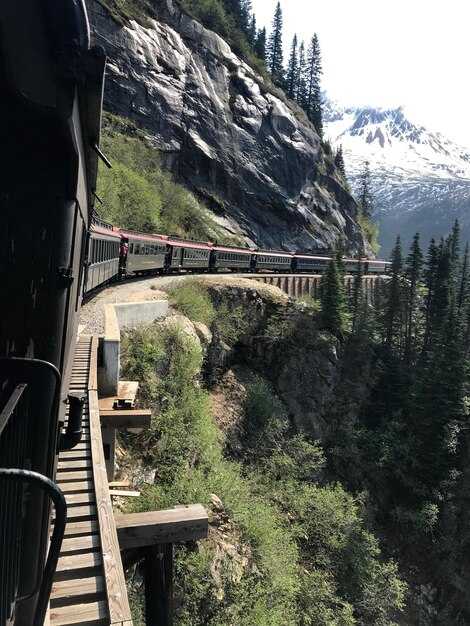
Take the Denali Star on a september saturdays for crisp light, steady speed, and rewarding views across the north.
The northbound transit from anchorage to denali national park spans roughly 7 hours, with expansive windows in the railcar providing constant viewing. Reserve a window seat or the dedicated observation car to maximize the following landscape along rivers, tundra, and distant peaks. The crew keeps to a reliable schedule, and veteran member harding shares photography tips that help you frame wildlife and denali silhouettes as the train climbs toward the park. Look north as the range comes into view and the river valleys widen.
Pack for rapid weather shifts: breathable layers, a rain shell, and a compact camera kit. Store gear in containers or a small daypack that fits under the seat, and keep valuables in a secure tote. dont rely on long stops for meals; the dining car provides options at set times, and you can enjoy nice, gentle views from the railcar while you eat.
September light lasts longer, and for wildlife, early morning and late afternoon remain best. The Denali Star’s broad windows in the railcar give you a steady stream of scenery, including rivers, tundra, and distant peaks. Book a seat near the observation deck on saturdays for easy access to the best viewpoints and a chance to catch a moose along the riverbank, or a herd of caribou in the open flats.
Book early and plan a two-day stay around denali national park to maximize your time, with a final return leg in the evening and a window for photos. The Denali Star provides a gentle transit through alaska’s heart and keeps you connected to the rhythms of a north-country rail experience–without the crowds.
Denali Star Train Photo Guide: Shots, Gear, and Timing
Shoot from the north-facing seats during the golden hour to catch glacier light; sit near the front car to see the train pull and keep the scenery in frame for continuous shots.
Gear tips: bring a 200-600mm telephoto, a spare battery, and fast memory cards; use a lens hood and a monopod or a steady handheld setup, since a moving coach makes tripod use awkward. Pack a microfiber cloth for window smudges and a small rain cover if you expect mist; for glare control, try a polarizer and switch angles when light shifts.
Build a list of shot ideas before you ride: glacier textures, silhouettes of the front of the train, interior scenes in the bistro car, and signs along the routes; plan for both wide context frames and tight details to vary your content.
The sd70mac locomotive typically pulls the train, so time your frames as it passes ice cliffs or a snow field; use a faster shutter to freeze motion when you see a clear action moment, and switch to a slower setting for moody skies if light holds.
Interior shots become compelling when the outside light is dim; switch to lower ISO and a slower shutter to capture warm tones in the bistro interior while avoiding reflections from the glass. Keep the window at a slight angle and check the alignment of chairs and tables for a clean composition.
At unloading stops, step to the side to avoid blocking aisles, and keep gear secure in a padded bag; use the pause to reset exposure and frame new angles while passengers switch cars. If you want people in your frame, sit by the window and capture candid moments without intruding on fellow travelers.
During holidays, the bistro area may display playful touches like james on a chart and a santa banner; these small details offer a lighthearted contrast to grand landscape shots, so enjoy the moment and continue shooting. In general, focus on the areas around Denali that reveal textures of rock, snow, and sky, which provide considerably vivid color when clouds break.
Keep a steady pace with your plan and avoid overloading a single frame; mostly shoot a mix of front-and-side angles and interior scenes to build a varied list that highlights both seen views and intimate details. The popular vantage points are the front railing and the bistro window, but explore side windows for reflective compositions and tastefully framed silhouettes.
Window-side vantage: left vs. right for mountain and river shots
Leave Fairbanks with the left side favored for river shots; the Nenana corridor runs along that bank and morning light on the water stays clear. This route is known for its balance of river and mountain looks.
On the right side, switch when the track climbs toward Denali’s peaks to catch bold mountain silhouettes; a single hill line along the valley often frames the pass and, if the weather cooperates, the snow cap will glow against blue sky.
Ride the dome car for steady, panoramic framing; dome windows reduce glare, and you can enjoy personal seating while you shoot. If you want to guarantee a window view, ask for passes and check the listed seating plan; sleepers with rooms offer quiet after sunset and a place to regroup between shots. Capture them to share later.
During brief stops by river bends and bridges, walking along the platform reveals new spots for shots; keep your gear ready, and note that some deadheads linger near the windows while the train stays at speed; many travelers treat it like a calm cruise, moving from side to side as light shifts. Road crossings add a fresh perspective.
Things to remember: depart Fairbanks in the morning for the best light. Getting both sides will give you variety, and luck plays a role–if Denali shows itself in clear weather, you will be lucky. frank locals know the best times to shoot, and everyone leaves with stories. If you believe in the power of small moments, the left and right views will keep you engaged, with rooms or dome seating giving you flexible options. Unless cloud cover blocks the peaks, you’ll have a solid gallery.
Light timing: golden hours and alpenglow along the route
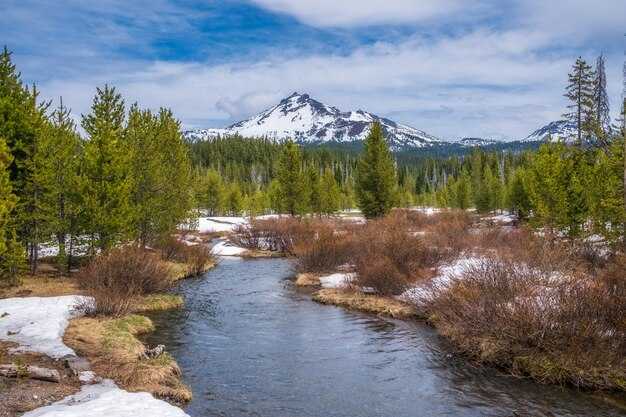
Plan to ride southbound on the Denali Star to chase the golden hour as the sun sinks behind the Alaska Range. In clear evenings, the light washes the white fields and glacier faces in pink and copper, and alpenglow lingers as the train glides along the track. To maximize impact, they should settle in the glass-domed area aboard the train about 60 minutes before sunset, then watch as colors turn from pale to radiant along the foothills.
The northern light shifts gradually, letting you track color changes mile by mile. The train’s design is user-friendly, with domes and smaller viewing areas spaced along the car lineup, and the glass-domed cars located near the lounge to keep you comfy while the scenery unfolds. The operators own the route and build a schedule that puts light first, so you’ll see Denali’s peaks glow as you arrive at a sweeping turn.
Alpenglow arrives in distinct pockets as the route winds through river valleys and passes over high ridges. The sun sinks behind the southern peaks, and the turned granite faces and snowfields glow with softer hues while douglas fir stands along the valley lines glow amber. The Denali area offers a reliable window for alpenglow when weather cooperates, especially on clear spring and fall evenings.
For photography, set ISO 400–800, aperture around f/5.6, and aim for shutter speeds near 1/200–1/60 depending on light and motion. Use continuous AF and bursts as the train slides by; keep the domes and glass-domed area clean for maximum clarity. If the crowd crowds the lounge, try the smaller seating zones to stabilize your frame and then rotate back as the light changes.
Arrive at the station early to board; choosing seats in the glass-domed cars gives you optimal viewing. Once aboard, you can enjoy the lounge car amenities and warm beverages while the map of the route indicates when the light will peak over the area. The Denali Star is operating, owned by a company that serves tourism with steady, predictable schedules; the ride along the river and into the foothills offers dynamic color changes as the sun dips toward the horizon.
Keep an eye on the clock for the last-quarter glow as the train nears Denali National Park, where the northern air cools and the light turns cooler pinks, creating lasting memories for they who rode aboard and captured images of the scene on a glass-domed railcar. The combination of domes, white snow, and green douglas fir in the foreground makes this route ideal for photography fans and casual observers alike.
Onboard framing: composing scenes through glass and moving train
Begin by selecting a window seat aboard the Denali Star and depart early from the platform. If you boarded the train, you didnt have to rush–you can settle into a rhythm that keeps the glass frame clean for clear shots. The white ridges rise above the earth, and valleys unfold as the speed settles; keep the lens ready when the sun hits a ridge and a line of freight cars pulls past. If your trip is on a saturday, softer afternoon light lasts longer, giving you more time to compose near Harding Icefield with eklutna Creek glinting in the distance.
The Denali Star is operated by Alaska Railroad, so plan around timetables and rest stops. Frame scenes by leaning into the glass as the train moves; thus you keep a steady view while your body stays relatively still. While eating or resting, stay ready to shoot bursts during each crossing to capture motion without blur. Freight cars in the distance provide scale, and the locomotives pulled past give a sense of depth as the scenery shifts at every turn.
For families, grandparents often prefer a calmer pace; invite them to rest while you test different compositions, then share your best shots during the next break. If someone is willing to trade seats, rotate to keep the glass frame fresh. Leave room for the occasional stop to photograph eklutna lakeside views or a moose along the river; this whole method relies on patience and rhythm.
Notes on subjects and places: depart from Talkeetna with the sun behind you; the route climbs past first switchbacks, crosses near eklutna, and heads northbound along tundra and spruce. If you want to emphasize scale, frame a distant ridge through the window while including foreground branches along the glass. The meaning of each frame emerges when you align foreground, middle ground, and distant peaks, especially near Harding and the eklutna region.
| দিক | সুপারিশ | Words to note |
|---|---|---|
| Seat & timing | Choose a window aboard; depart early; consider a saturday departure for softer light | aboard,depart,saturday,northbound,white,valleys |
| Light & movement | Shoot in bursts during crossing; adjust speed to control blur; plan around rest stops | speed,crossing,rest |
| Family dynamics | Willing participants, rotate seats to balance viewing and comfort | grandparents,willing |
| Locations & landmarks | Highlight eklutna near Harding; note located features along the route | eklutna,harding,located |
| Capture storytelling | Leave room for sequence shots that convey scale and time | leave,along,next,thus,meaning |
Key photography stops along the route: panoramas near Susitna River and Alaska Range
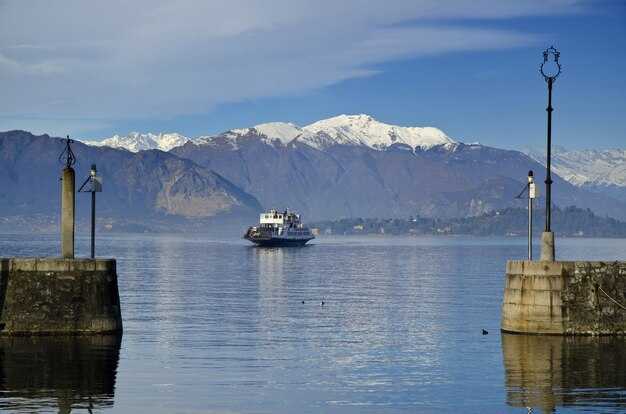
Start with a dawn panorama along the Susitna River bend; boarded coaches give a stable surface, but lean into the west-facing window for better moody light. Shoot just enough photos, only a few frames hit the mood, with a 24-70mm lens at ISO 100-200, focusing on a series of shots that capture both the river’s curves and the Alaska Range’s distant textures. The conductor will signal when the train slows for a turn, so you can hold your breath and fire off the shots when the train is operating smoothly. These moments set the tone for a scenic view onto Denali that you can share with readers on day one.
As the route approaches healy, the Susitna Valley opens into a broad scenic corridor beneath the Alaska Range. Move to a wide vantage and shoot a moody series of panoramas, using a longer lens to compress distances. If the light shifts, switch between window-facing angles and wait for the best reflections on the river. The crew will help you position between seats, but stay mindful of safety steps; this is where the atmosphere comes alive and you collect shots that readers will love.
Further along, the Alaska Range corridor grows taller, with the harding icefield crest forming a jagged silhouette. When clouds part, snap an ultrawide panorama, then switch to a mid-zoom to pull texture from the ridges and snow. Treat these frames as a single feature in a gallery; the image series will translate well to media and to the display on your screen. The rhythm of the train feels like a ship gliding through a quiet valley, while the mountains hold the scene steady.
Inside the interior of the goldstar car, the crew and conductor coordinate stops and keep doors closed to minimize glare. If the light doesnt cooperate, drop a window shade and use a polarizer to cut reflections–basically the standard move for river and ridge shots. Shoot in bursts, then review the photos on your device; their best shots become a feature that readers can watch and enjoy in media Galleries. This setup helps you avoid overexposure and keeps the shots clean, and basically maximizes every chance along the route.
When you publish, thanks to the crew for their support; thanks to the operating schedule, you get steady windows to capture the view. The factors that make the best photos here are light, timing, and the willingness to step onto a moving car when it’s safe. If you want to build a school of travel photographers, this stretch is a perfect practice ground: readers will watch your progress as you compile a cohesive photos series from Susitna to the Alaska Range. Remember to keep the interior shots and the exterior panoramas balanced, and always check the west-facing angles before the sun slips away.
Gear, settings, and safety tips for train photography
Set your shutter to 1/1000s and shoot from a passenger seat with a clear view through the glass-domed window, using a versatile zoom to keep a distinct feature in frame.
To capture the Denali Star along the alaskayukon corridor, plan for morning light, several stops, and the occasional crossing that adds depth to your travel story. Use a user-friendly setup that you can rely on next to the bistro car or at the entrance to a car, and keep your unit light enough to move onto another seat if the sightline improves.
Gear you need
- One body with fast AF and solid high-ISO performance
- Two lenses: a standard zoom (24–70mm) for close-up scenery and a tele (70–200mm) for distant features
- Extra batteries and memory cards
- Microfiber cloth and lens-cleaning solution to reduce reflections from glass-domed windows
- Lens hood and a lightweight monopod or stabilizer for stationary shots at a hill or entrance
- Optional polarizing filter to cut glare when light hits the window, used sparingly
- Protective strap and a small bag kept under the seat to stay out of the aisle
Settings by scenario
- Bright morning, clear skies: 1/1000–1/1250s, f/5.6–f/8, ISO 200–400; focus on a feature such as trees framing a hill, or a crossing sign
- Overcast or soft light: 1/800–1/1000s, f/4–f/5.6, ISO 400–800; use continuous AF (AF-C) for moving subjects
- Moving subjects (passenger car windows, people passing by): burst mode, pre-focus on a stable feature and track with AF-C
- Creative motion: 1/125–1/250s with panning to convey speed while keeping the foreground sharp
Composition and windshield technique
- Look for a clear sightline onto a recurring feature–trees, a distant hill, or a snowy ridge–to anchor your frame
- Frame through the glass with minimal reflections: tilt the lens slightly, keep the glass clean, and angle toward the sky for balance
- Include a passenger or two for scale, but avoid clutter by waiting for a moment when the foreground is uncluttered
- Incorporate station entrances or the glass-domed car interior as a contrasting element in the same frame
- Capture a sequence across several moments to tell a short travel story, then pick the strongest shot for your bucket list
Safety and etiquette on the rails
- Always stay seated or hold onto a handrail when the train moves; avoid leaning into aisles or doors
- Keep bags and gear off the aisle floor; use a seat well or a compact bag under the seat to prevent tripping
- Do not step onto thresholds when cars pause at a station or crossing; wait for official announcements and secure your gear first
- When you move between cars, follow posted paths and use the authorized entrances; never step onto exterior platforms
- Respect other travelers’ space; a well-timed shot from a corner seat often yields the cleanest frame
Practical tips for steady, user-friendly shots
- Position yourself near an interior corner to minimize rail glare and maximize the view of trees and distant hills
- Plan ahead for next passes: identify a repeatable feature (entrance to a canyon, a stand of trees) to shoot from multiple angles
- Carry a small microfiber cloth for quick touch-ups on the window between scenes
- Label a dedicated bucket list frame in your mind: a morning shot that captures the Denali experience through a single, clear moment
- Review shots when the train stops at a station to refine angles for the next travel segment