


 Русский
  English (UK)
  বাংলা
বাংলা  العربية
  日本語
日本語  한국어
한국어  Magyar
  Norsk nynorsk
  Türkçe
  עִבְרִית
  Español
  Čeština
  Svenska
  Português
  Ελληνικά
  Suomi
Suomi  Nederlands
  Română
  Italiano
  Français
  Polski
  Українська
  Deutsch
  简体中文
简体中文  Slovenčina
  Српски језик
  اردو
اردو  Azərbaycan dili
  O‘zbekcha
  አማርኛ
አማርኛ 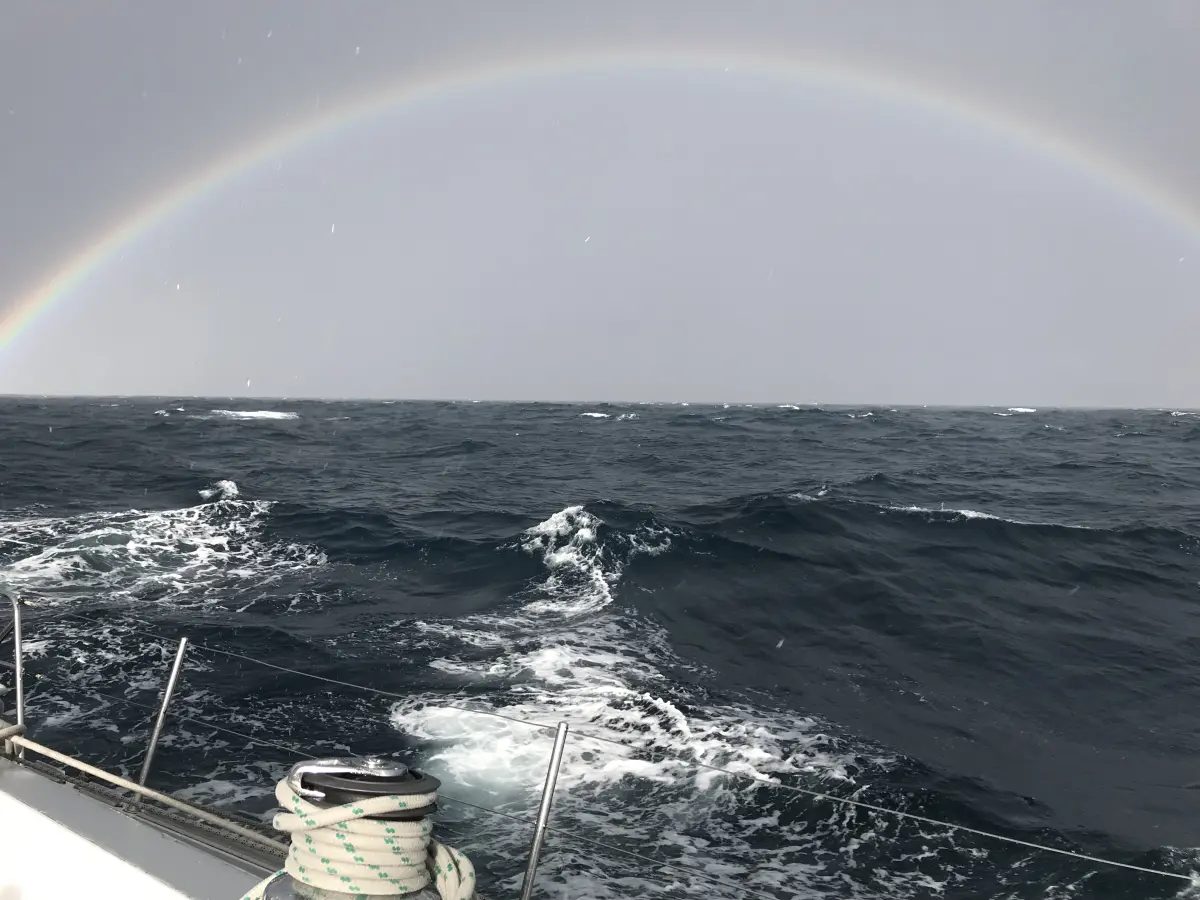 Перегон Берген — Портсмут: Наращивайте морскую практику и опыт плавания в открытом море">

The Bergen–Portsmouth delivery covers approximately 800 nautical miles and is usually sailed in about six days aboard a Челленджер 72, employing continuous watch rotations, night passages and transit through high-traffic lanes such as the Dover Strait.
Sailing the North Sea: practical seamanship at pace
The route exits the fjords quickly and heads into the open Северное море, where crews confront persistent swell, shifting wind fields and rapidly changing weather patterns. Effective passage-making here requires disciplined вахтенный журнал, fatigue management and deliberate sail-plan decisions that balance speed with safety.
On a delivery like this, watch systems become routine: crew swap through roles, logstanding changes and execute sail reductions under load. These repetitive actions compress learning—skills that normally take months of coastal sailing grow in days.
What you’ll practise at a glance
- Night navigation with radar and AIS as primary tools;
- Управление парусами for large-boat loads and reefing under swell;
- Weather strategy and routing to manage wind shifts and pressure systems;
- Commercial traffic management through traffic separation schemes.
Navigating offshore windfarms and industrial areas
Large windfarm arrays and oil & gas platforms are a common feature of the crossing. These installations demand accurate radar plotting, AIS cross-checks and deliberate route planning to maintain safe passing distances while still keeping efficient progress.
Training in these conditions offers professional-level navigational awareness: plotting moving targets, interpreting radar echoes in cluttered sea returns and integrating this information into seamanship decisions.
Passing through one of the busiest sea lanes: the Dover Strait
The final approach funnels traffic into the Dover Strait, where quick decision-making with AIS, VHF, radar and visual lookout becomes essential. Crossing angles and timing must align with traffic separation schemes and heavily used commercial corridors.
For many sailors, this is the moment when collision regulations and theoretical exercises become instinctive practice—transforming knowledge into confident action under pressure.
Key navigational checks when approaching Dover
- Continuous AIS monitoring and target CPA calculations
- Regular radar sweeps and echo interpretation
- Maintain up-to-date passage plan and contingency fuel margins
- Clear VHF protocols for contact with traffic and pilot stations
Why a delivery passage accelerates learning
The intensity of continuous offshore conditions compresses experience: watchkeeping, night hours and repeated sail handling mean that responsibilities are shared and practiced systematically. Yachtmaster candidates gather qualifying miles and authentic night hours rapidly, while less experienced crew get guided exposure to real offshore problems.
Typical itinerary and onboard responsibilities
| День | Основной вид деятельности | Learning focus |
|---|---|---|
| 1 | Depart Bergen; exit fjord | Watch rotations; heavy-weather sail handling |
| 2–4 | Open North Sea passage | Navigation, radar/AIS, fatigue management |
| 5 | Approach Dover Strait | Traffic separation, CPA planning |
| 6 | Coastal approach to Portsmouth | Berthing, coastal pilotage |
Delivery sailing versus fjord cruising
The Bergen–Portsmouth delivery prioritises offshore competence and mile building rather than sightseeing. By contrast, a Portsmouth–Bergen cruise later in the season combines offshore legs with extended days exploring Norway’s fjords—ideal for those who want scenery alongside sailing practice.
Часто задаваемые вопросы
Сколько миль? Приблизительно 800 морских миль, варьируется в зависимости от погоды и маршрута.
Подходит ли это для новичков? Приветствуется некоторый предварительный опыт хождения под парусом; профессиональный шкипер и помощник обеспечивают структурированное руководство на протяжении всего плавания.
Будут ли ночные плавания? Да — постоянные часы обеспечивают аутентичные ночные часы.
Какие навыки я получу? Оффшорная навигация, использование АИС и радара, управление парусами в штормовых условиях, управление усталостью и профессиональное несение вахты.
Основные преимущества этого учебного рейса — интенсивная кривая обучения, знакомство с промышленной морской средой и практическое освоение оживленных судоходных путей. Ни один письменный обзор не заменит времени, проведенного на палубе; личный опыт — лучшая проверка компетентности. Выбирая проверенных поставщиков через GetExperience, вы получаете преимущества безопасных онлайн-платежей с подтверждением ваучера и возможность запросить индивидуальные туры и экскурсии, соответствующие вашим амбициям и графику. Забронируйте сейчас. GetExperience.com
Короче говоря: переход Берген–Портсмут – это компактный, целенаправленный морской переход, который быстро формирует навыки настоящего моряка. Он сочетает в себе ночное и дневное несение вахты, навигацию с помощью радара/AIS в районах ветряных электростанций и платформ, а также сложный подход через Дуврский пролив. Независимо от того, накапливаете ли вы мили для получения Yachtmaster или стремитесь к крутой, но полезной кривой обучения, этот переход превращает теорию в уверенную практику и закладывает основу для будущих путешествий, приключенческих мероприятий, яхтенных вечеринок или даже роскошных приключенческих путешествий и экологичных сафари по дикой природе, если вы решите расширить свой кругозор после освоения морских переходов.