


 Čeština
  English (UK)
  Русский
  বাংলা
বাংলা  العربية
  日本語
日本語  한국어
한국어  Magyar
  Norsk nynorsk
  Türkçe
  עִבְרִית
  Español
  Svenska
  Português
  Ελληνικά
  Suomi
Suomi  Nederlands
  Română
  Italiano
  Français
  Polski
  Українська
  Deutsch
  简体中文
简体中文  Slovenčina
  Српски језик
  اردو
اردو  Azərbaycan dili
  O‘zbekcha
  አማርኛ
አማርኛ 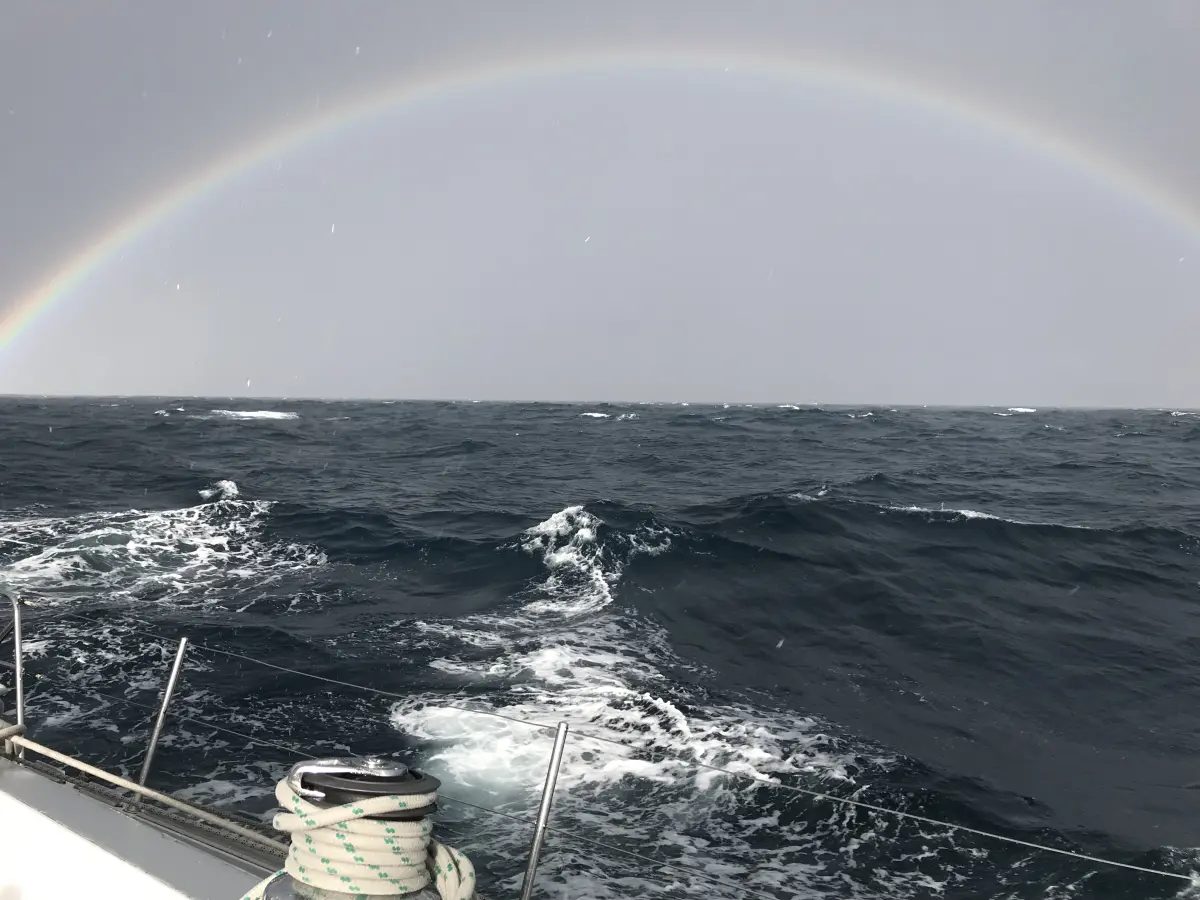 Přeplavba Bergen - Portsmouth: Získejte námořní míle a zdokonalte své námořní dovednosti">

The Bergen–Portsmouth delivery covers approximately 800 nautical miles and is usually sailed in about six days aboard a Challenger 72, employing continuous watch rotations, night passages and transit through high-traffic lanes such as the Dover Strait.
Sailing the North Sea: practical seamanship at pace
The route exits the fjords quickly and heads into the open Severní moře, where crews confront persistent swell, shifting wind fields and rapidly changing weather patterns. Effective passage-making here requires disciplined hlídková služba, fatigue management and deliberate sail-plan decisions that balance speed with safety.
On a delivery like this, watch systems become routine: crew swap through roles, logstanding changes and execute sail reductions under load. These repetitive actions compress learning—skills that normally take months of coastal sailing grow in days.
What you’ll practise at a glance
- Night navigation with radar and AIS as primary tools;
- Ovládání plachet for large-boat loads and reefing under swell;
- Strategie počasí and routing to manage wind shifts and pressure systems;
- Commercial traffic management through traffic separation schemes.
Navigating offshore windfarms and industrial areas
Large windfarm arrays and oil & gas platforms are a common feature of the crossing. These installations demand accurate radar plotting, AIS cross-checks and deliberate route planning to maintain safe passing distances while still keeping efficient progress.
Training in these conditions offers professional-level navigational awareness: plotting moving targets, interpreting radar echoes in cluttered sea returns and integrating this information into seamanship decisions.
Passing through one of the busiest sea lanes: the Dover Strait
The final approach funnels traffic into the Dover Strait, where quick decision-making with AIS, VHF, radar and visual lookout becomes essential. Crossing angles and timing must align with traffic separation schemes and heavily used commercial corridors.
For many sailors, this is the moment when collision regulations and theoretical exercises become instinctive practice—transforming knowledge into confident action under pressure.
Key navigational checks when approaching Dover
- Continuous AIS monitoring and target CPA calculations
- Regular radar sweeps and echo interpretation
- Maintain up-to-date passage plan and contingency fuel margins
- Clear VHF protocols for contact with traffic and pilot stations
Why a delivery passage accelerates learning
The intensity of continuous offshore conditions compresses experience: watchkeeping, night hours and repeated sail handling mean that responsibilities are shared and practiced systematically. Yachtmaster candidates gather qualifying miles and authentic night hours rapidly, while less experienced crew get guided exposure to real offshore problems.
Typical itinerary and onboard responsibilities
| Den | Primary activity | Learning focus |
|---|---|---|
| 1 | Depart Bergen; exit fjord | Watch rotations; heavy-weather sail handling |
| 2–4 | Open North Sea passage | Navigation, radar/AIS, fatigue management |
| 5 | Approach Dover Strait | Traffic separation, CPA planning |
| 6 | Coastal approach to Portsmouth | Berthing, coastal pilotage |
Delivery sailing versus fjord cruising
The Bergen–Portsmouth delivery prioritises offshore competence and mile building rather than sightseeing. By contrast, a Portsmouth–Bergen cruise later in the season combines offshore legs with extended days exploring Norway’s fjords—ideal for those who want scenery alongside sailing practice.
Frequently asked questions
How many miles? Roughly 800 nautical miles, variable by weather and routing.
Is it suitable for novices? Some prior sailing experience is desirable; the professional skipper and mate provide structured guidance throughout.
Will there be night sailing? Yes—continuous watches provide authentic night hours.
What skills will I gain? Offshore navigation, AIS and radar use, heavy-weather sail handling, fatigue management and professional watchkeeping.
The highlights of this delivery passage are its concentrated learning curve, exposure to industrial offshore environments and the practical mastery of busy shipping lanes. No written review fully replaces time on deck; personal experience is the ultimate test of competence. When you choose verified providers via GetExperience, you benefit from secure online payments with voucher confirmation and the option to request tailored tours and excursions that match your ambitions and schedule. Book now GetExperience.com
In short: the Bergen–Portsmouth delivery is a compact, purposeful offshore passage that builds real-world seamanship quickly. It combines night and day watchkeeping, radar/AIS navigation through windfarm and platform areas, and a demanding approach through the Dover Strait. Whether you’re logging miles for Yachtmaster progression or seeking a steep but rewarding learning curve, this passage transforms theory into confident practice and sets a foundation for future travel experiences, adventure activities, yacht parties or even luxury adventure travel experiences and eco-friendly wildlife safaris should you choose to expand your horizons after mastering offshore passages.