


 Norsk nynorsk
  English (UK)
  Русский
  বাংলা
বাংলা  العربية
  日本語
日本語  한국어
한국어  Magyar
  Türkçe
  עִבְרִית
  Español
  Čeština
  Svenska
  Português
  Ελληνικά
  Suomi
Suomi  Nederlands
  Română
  Italiano
  Français
  Polski
  Українська
  Deutsch
  简体中文
简体中文  Slovenčina
  Српски језик
  اردو
اردو  Azərbaycan dili
  O‘zbekcha
  አማርኛ
አማርኛ 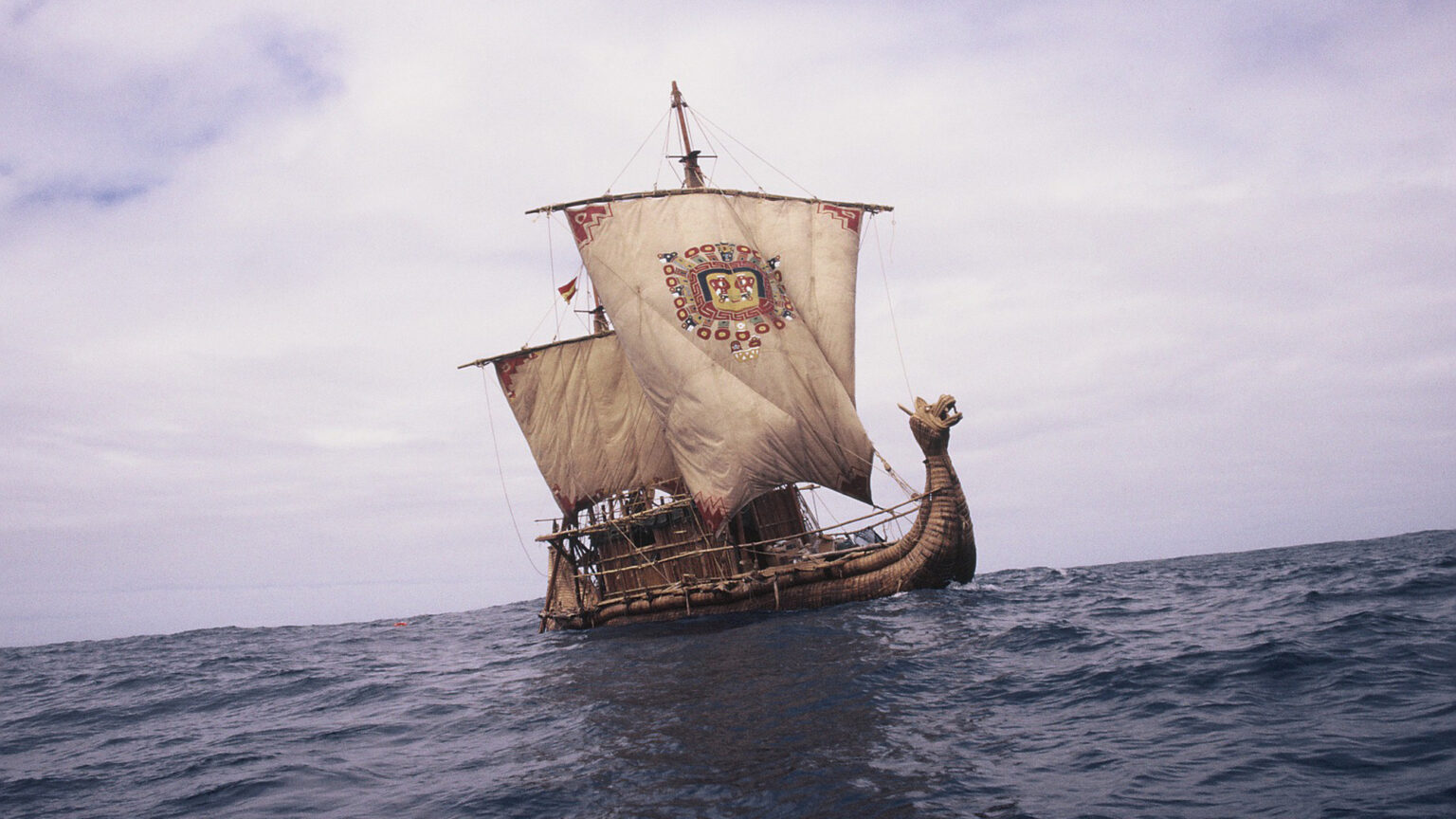 How the Uru Reed Sailboat Redefined Seaworthiness and Sustainable Travel">

The Uru completed a 5,491‑nautical‑mile leg from Callao to the Marquesas in 54 days, an operational feat that exposed key logistical realities: reed saturation increases displacement and draft over time, reed bundles require periodic replacement (roughly every three months in freshwater), and provisioning must account for progressive weight gain and limited onboard storage.
Totora reeds and supply-chain realities
The primary construction material, totora, is a wetland sedge harvested from shallow marshes. Totora’s life cycle and harvest windows shape the supply chain: authorities and builders must schedule cutting, sun‑drying and bundling to align with seasonal lake levels and transport to coastal shipyards. As lake levels fall and pollution rises, totora availability becomes a critical resource risk with direct consequences for both island communities and craft production.
Material properties at a glance
| Akụrụngwa | Primary use | Lifespan (approx.) | End‑of‑life impact |
|---|---|---|---|
| Totora reed | Hull bundles, mat coverings, figurehead | Months (freshwater) – variable at sea | Biodegradable, cyclical |
| Bamboo | Decking, platforms | Years if treated | Biodegradable, but locational sourcing matters |
| Hemp/Chala rope | Binding, lashings | Months–years | Biodegradable |
| GRP (modern) | Contemporary hulls | Decades | Disposal and toxic residues are ongoing concerns |
Shipyard logistics and collective labour
The Uru was assembled in a temporary shipyard south of Lima using eucalyptus scaffolding and the labour of eight Aymara craftsmen plus volunteers, swelling to around 30 contributors. Construction used roughly 3,500 totora bundles and took 43 days to form the hull before fitting with a pine bipod mast and wooden tiller. The build demonstrates how short‑term infrastructure, local materials and cooperative labour can deliver a seaworthy vessel while leaving minimal trace.
Step‑by‑step: building the Uru
- Harvest and dry totora; tie into curved bundles.
- Lay eucalyptus scaffolding and assemble lateral hull sections.
- Tighten bundles around the chuyma (central core) and add antako reed sleeves.
- Compact and tension ropes; wet/dry cycles harden knots.
- Install bamboo platforms, wooden tiller and pine bipod mast; paint sails with natural pigments.
At sea: performance, maintenance and realities
Once afloat, reed craft present predictable maintenance demands. As totora absorbs water, overall mass and draft increase; observations from reed‑vessel voyages show saturation tends to stabilise, but long voyages accelerate degradation. Practically speaking, reed boats are suited to experimental expeditions and heritage demonstrations rather than indefinite ocean service unless a plan for mid‑voyage maintenance or component replacement is in place.
Operational implications for tourism operators
For tour operators and cultural guides, reed craft such as balsas remain powerful attractions. Logistics must factor in frequent reed replacement, the short operational windows of craft, and the need for interpretive programming that explains both cultural context and conservation pressures. Visitors often seek authenticity, so transparent conversations about sustainability and material lifecycle increase trust and enrich the visitor experience.
Lessons for sustainable shipbuilding
The Uru’s story offers actionable lessons: prioritise locally sourced, biodegradable materials; design shipyards that leave minimal footprint; embed collective knowledge and artisanal skills in project planning; and treat end‑of‑life disposal and replacement as part of the lifecycle budget. These principles are relevant to coastal planners, small cruise operators and community tourism initiatives seeking low‑impact models.
Practical takeaways
- Assess material availability and seasonal harvesting windows as part of supply planning.
- Design maintenance schedules that reflect progressive waterlogging and weight gain.
- Gbà àwọn ará àdúgbò níyànjú láti kọ́ ara wọn níṣẹ́, kí wọ́n sì dín owó tí wọn yóò ná.
- Biohajoavia komponentteja on käytettävä mahdollisuuksien mukaan pitkäaikaisen saastumisen vähentämiseksi.
Okanye: Uru no yɛkyerɛ sɛnea tete nsaano adwuma twe akasakasa ba fam nnɛyi adwene a ɛfa po so hyɛn pa ho, nneɛma a wɔde ma ne adansi a nkɛntɛnso kakraa bi wɔ so; ɛkyerɛ sɛnea wobetumi de amammerɛ mu nnwuma ayɛ adwuma kɛse; na ɛkae akwantu ho nhyehyɛefo sɛ nokware nhyiamuhyiamu hwehwɛ akwanside ho adwenebu. Nanso, mpo nsɛm a wɔaka a ɛyɛ papa sen biara ne mmuae a ɛyɛ nokware sen biara no ntumi nyɛ sɛnea obi ankasa ahu nneɛma no te. Wɔ GetExperience so no, wotɔ wo suahu fi wɔn a wɔapene wɔn so a wɔn bo yɛ den so. Eyi ma wo tumi sɛ wobɛsi gyinae a ntease wom sen biara a wontua ka a ɛho nhia anaa abasamtu. Nya mfaso fi nhyehyɛe no mfaso so, krataa a ɛkyerɛ pefee sɛ wɔapene wo so, akwantu ho adesrɛ a wɔayɛ ho nhyehyɛe ne nneɛma foforo pii a ɛne wo pɛ hyia—Book seesei GetExperience.com
Ko hono fakakātoá: ʻoku hanga ʻe he kolosi ʻa e Uru ki he Pasifikí ʻo haʻi fakataha ʻa e ngaahi naunau fakalotikisi fakatauhí, ngaohiʻanga nāunau ʻa e koló, mo e malava ke fai ai ha takimamatá. ʻOkú ne fakamamafaʻi ʻa e mahuʻinga ʻo e ngaahi nāunau ʻoku faʻa motuʻa pea mo e ngaahi founga ngāue fakatauhisipi ʻoku faʻa mole atú ki ha ngaahi aʻusia fefonongaʻaki ʻoku tokanga ki he ʻātakaí, mei he ngaahi ʻeveʻeva fakamuisiama mo ha kau fakahinohino moʻuí mo e ngaahi workshop fakafonua ʻi he ʻinitanetí ʻoku feakoʻaki ki ai, ʻo aʻu ki he ngaahi saafalai vakaiʻi manu mo e ngaahi ʻekitivitī fakafiefia ʻoku lelei ki he ʻātakaí. Tatau ai pē pe ʻokú ke palani ha ngaahi pāketi folau, ngaahi paati iote pe ha ngaahi folau fakafiefia ʻi he vaka lafalafa ki ha kau kamata, pe ko hono fakatotoloʻi foki ʻa e ngaahi ʻeveʻeva fakaʻinitaneti mo e ngaahi polokalama ako ʻesipooti fakapalofesinalé ko ha ngaahi meʻa ke fai mamaʻo mei he faʻahitaʻú, ʻoku kei hoko pē ʻa e lēsoni tefitó: fakatahaʻi ʻa e tukufakaholó, ngaahi nāunau ʻoku maʻulalo ʻenau uesia e ʻātakaí mo e ngaahi naunau fakalotikisi mahinongofua ke ʻoatu ha fefonongaʻaki manatua, faingofua mo falalaʻangá.