


 Ελληνικά
  English (UK)
  Русский
  বাংলা
বাংলা  العربية
  日本語
日本語  한국어
한국어  Magyar
  Norsk nynorsk
  Türkçe
  עִבְרִית
  Español
  Čeština
  Svenska
  Português
  Suomi
Suomi  Nederlands
  Română
  Italiano
  Français
  Polski
  Українська
  Deutsch
  简体中文
简体中文  Slovenčina
  Српски језик
  اردو
اردو  Azərbaycan dili
  O‘zbekcha
  አማርኛ
አማርኛ 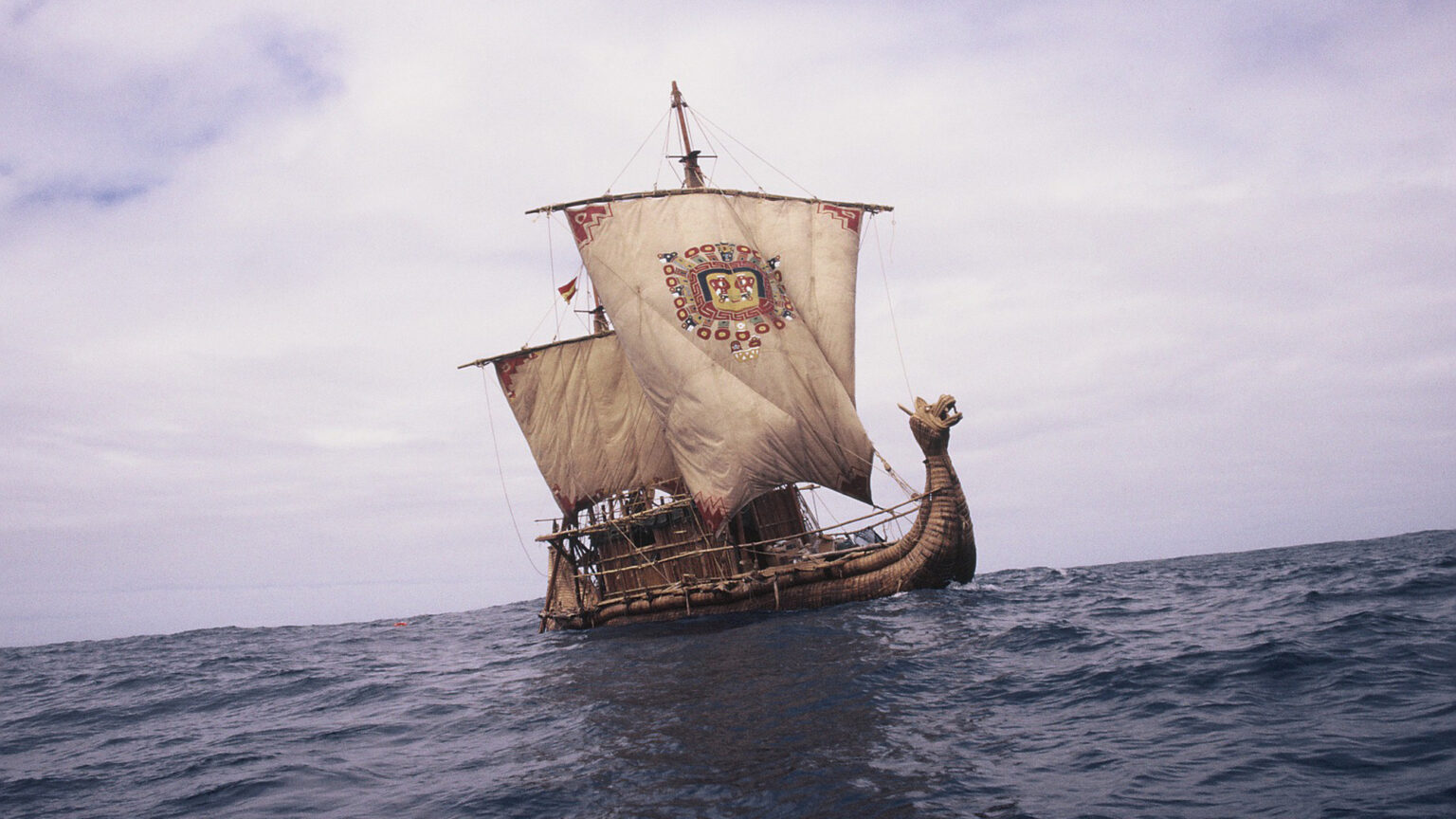 Πώς το Uru Reed Sailboat Επαναπροσδιόρισε την Αξιοπλοΐα και τα Βιώσιμα Ταξίδια">

The Uru completed a 5,491‑nautical‑mile leg from Callao to the Marquesas in 54 days, an operational feat that exposed key logistical realities: reed saturation increases displacement and draft over time, reed bundles require periodic replacement (roughly every three months in freshwater), and provisioning must account for progressive weight gain and limited onboard storage.
Totora reeds and supply-chain realities
The primary construction material, totora, is a wetland sedge harvested from shallow marshes. Totora’s life cycle and harvest windows shape the supply chain: authorities and builders must schedule cutting, sun‑drying and bundling to align with seasonal lake levels and transport to coastal shipyards. As lake levels fall and pollution rises, totora availability becomes a critical resource risk with direct consequences for both island communities and craft production.
Material properties at a glance
| Material | Κύρια χρήση | Lifespan (approx.) | End‑of‑life impact |
|---|---|---|---|
| Totora reed | Hull bundles, mat coverings, figurehead | Months (freshwater) – variable at sea | Biodegradable, cyclical |
| Μπαμπού | Decking, platforms | Years if treated | Biodegradable, but locational sourcing matters |
| Hemp/Chala rope | Binding, lashings | Months–years | Biodegradable |
| GRP (modern) | Contemporary hulls | Decades | Disposal and toxic residues are ongoing concerns |
Shipyard logistics and collective labour
The Uru was assembled in a temporary shipyard south of Lima using eucalyptus scaffolding and the labour of eight Aymara craftsmen plus volunteers, swelling to around 30 contributors. Construction used roughly 3,500 totora bundles and took 43 days to form the hull before fitting with a pine bipod mast and wooden tiller. The build demonstrates how short‑term infrastructure, local materials and cooperative labour can deliver a seaworthy vessel while leaving minimal trace.
Step‑by‑step: building the Uru
- Harvest and dry totora; tie into curved bundles.
- Lay eucalyptus scaffolding and assemble lateral hull sections.
- Tighten bundles around the chuyma (central core) and add antako reed sleeves.
- Compact and tension ropes; wet/dry cycles harden knots.
- Install bamboo platforms, wooden tiller and pine bipod mast; paint sails with natural pigments.
At sea: performance, maintenance and realities
Once afloat, reed craft present predictable maintenance demands. As totora absorbs water, overall mass and draft increase; observations from reed‑vessel voyages show saturation tends to stabilise, but long voyages accelerate degradation. Practically speaking, reed boats are suited to experimental expeditions and heritage demonstrations rather than indefinite ocean service unless a plan for mid‑voyage maintenance or component replacement is in place.
Επιχειρησιακές επιπτώσεις για τους τουριστικούς φορείς
For tour operators and cultural guides, reed craft such as balsas remain powerful attractions. Logistics must factor in frequent reed replacement, the short operational windows of craft, and the need for interpretive programming that explains both cultural context and conservation pressures. Visitors often seek authenticity, so transparent conversations about sustainability and material lifecycle increase trust and enrich the visitor experience.
Lessons for sustainable shipbuilding
The Uru’s story offers actionable lessons: prioritise locally sourced, biodegradable materials; design shipyards that leave minimal footprint; embed collective knowledge and artisanal skills in project planning; and treat end‑of‑life disposal and replacement as part of the lifecycle budget. These principles are relevant to coastal planners, small cruise operators and community tourism initiatives seeking low‑impact models.
Πρακτικά συμπεράσματα
- Assess material availability and seasonal harvesting windows as part of supply planning.
- Design maintenance schedules that reflect progressive waterlogging and weight gain.
- Integrate community labour to transmit skills and reduce capital costs.
- Use biodegradable components where feasible to reduce long‑term pollution.
Highlights: the Uru demonstrates how traditional craft challenges modern assumptions about seaworthiness, supply chains and low‑impact construction; it shows how cultural craftsmanship can be mobilised at scale; and it reminds travel planners that authentic encounters require logistical foresight. Still, even the best reviews and the most honest feedback can’t truly compare to personal experience. On GetExperience, you book your experience from verified providers at reasonable prices. This empowers you to make the most informed decision without unnecessary expenses or disappointments. Benefit from the platform’s convenience, transparent voucher confirmation, tailored tour requests and a wide range of additional options that match your preferences—Book now GetExperience.com
Wrap‑up: the Uru’s Pacific crossing ties together maritime logistics, community craft, and tourism potential. It underscores the value of biodegradable materials and ephemeral shipyard practices for eco‑minded travel experiences, from museum tours with live guides and interactive online cultural workshops to eco‑friendly wildlife safaris and adventure activities. Whether you’re planning cruise packages, yacht parties or adventure rafting trips for beginners, or even exploring online virtual tours and professional esports training programs as off‑season offerings, the core lesson remains: combine heritage, low impact materials and clear logistics to deliver memorable, affordable and responsible travel.