


 Norsk nynorsk
  English (UK)
  Русский
  বাংলা
বাংলা  العربية
  日本語
日本語  한국어
한국어  Magyar
  Türkçe
  עִבְרִית
  Español
  Čeština
  Svenska
  Português
  Ελληνικά
  Suomi
Suomi  Nederlands
  Română
  Italiano
  Français
  Polski
  Українська
  Deutsch
  简体中文
简体中文  Slovenčina
  Српски језик
  اردو
اردو  Azərbaycan dili
  O‘zbekcha
  አማርኛ
አማርኛ 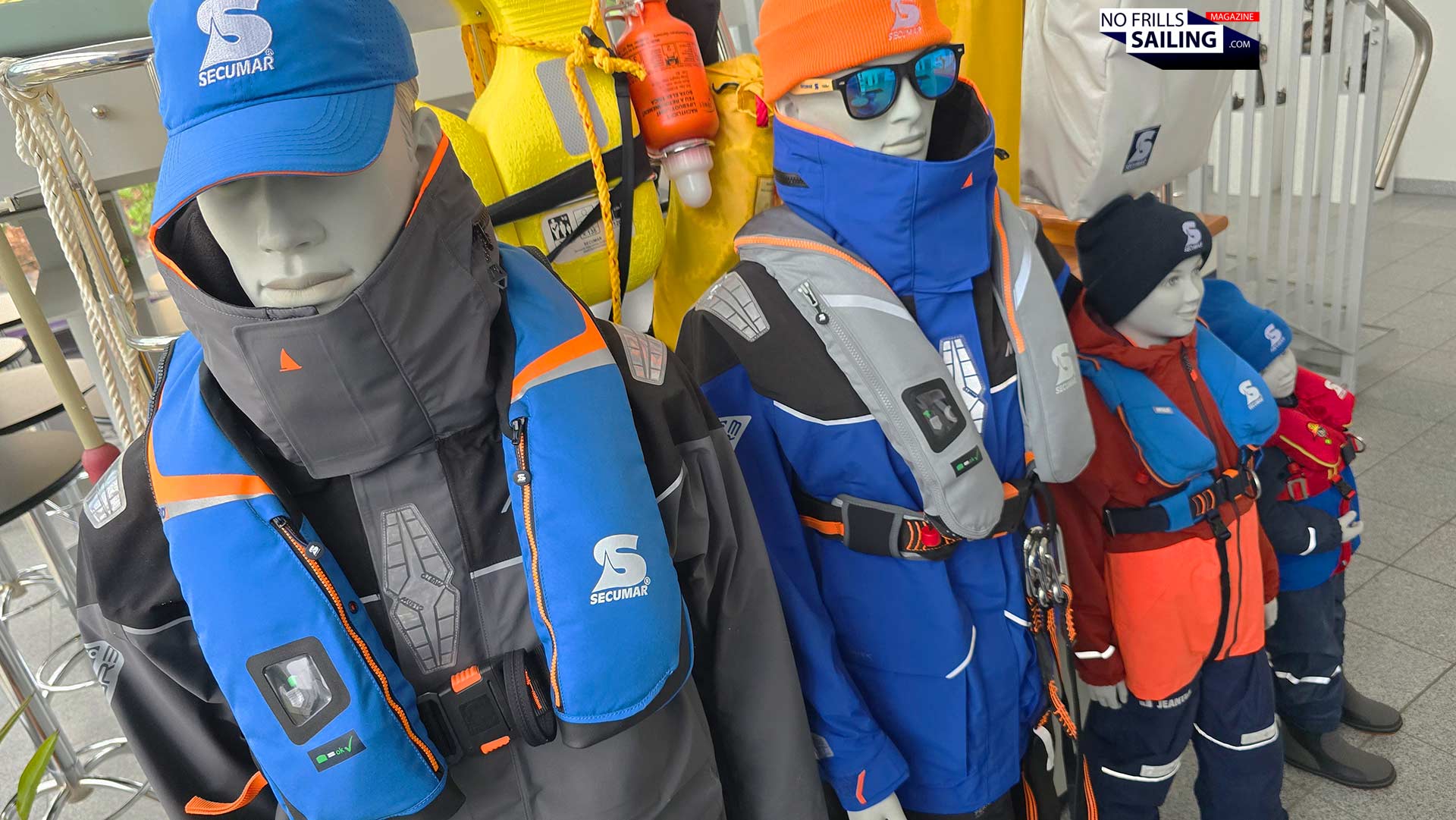 Newtons hàŋ tɛŋ ŋɔŋlɔŋ gbɔŋ lɔŋ, bɔŋ gbɔŋ lɔŋ: gbɔŋ tɔŋ-gbaliŋ gboŋ nuŋ nuŋ kɛ nuŋ biliŋ.">

Buoyancy classes at a glance: concrete numbers and recommendations
European buoyancy classes are defined as 50 N, 100 N, 150 N and 275 N; for coastal and offshore sailing the practical recommendation is to select at least 150 N. The US system (USCG PFD levels) covers similar ranges and often translates to 50–275 N equivalence, but certification rules differ. For offshore passages, many professionals advise 220–275 N or 150 N minimum depending on conditions, boat freeboard and likely immersion scenarios.
Why these numbers matter right away
Newton ratings measure the upward force a lifejacket can produce. A useful rule of thumb is 10 N ≈ 1 kg of uplift: 50 N lifts about 5 kg, 100 N about 10 kg, 150 N about 15 kg and 275 N about 27 kg. While only ~45 N is needed to lift an adult head clear of water, far greater buoyancy is required to keep the body upright and stable in waves, spray and if the person is unconscious.
How Newton relates to flotation: testing and real behavior
Secumar’s test lab near Hamburg demonstrates real-world performance: a jacket rated 100 N may show 110–134 N on test, while some 50 N devices for children may measure less in practice. Olivier Christen at Secumar illustrated this using a test basin and a human-sized dummy named Scotty, showing how trapped air, foam density and garment design produce the measured upward force in Newtons.
| Class (N) | Approx. Uplift (kg) | Ọ̀pọ̀lọ́pọ̀ ìlò |
|---|---|---|
| 50 N | ~5 kg | Beach/jetski, near-shore swimmers |
| 100 N | ~10 kg | Protected waters; not suitable for unconscious persons |
| 150 N | ~15 kg | Coastal and offshore; suitable for unconscious persons |
| 275 N | ~27 kg | Serious offshore, survival jackets and rough sea conditions |
Key engineering points learned from testing
- Placement of buoyancy (mostly forward of the torso) forces the body into a back-tilted position, keeping airway clear.
- Freeboard matters: higher freeboard keeps the mouth and nose further above waves and spray.
- Crotch straps and proper fastening are critical; an unsecured jacket can fail to hold posture.
- Clothing and trapped air usually add flotation rather than drag you down — another counterintuitive fact.
From lab to sea: what really saves lives
Historical research, such as the 1959 study by engineer Karl Bernhardt preserved at Secumar’s museum, shows the main objective of a lifejacket is to get the head clear and keep it that way. Olivier Christen and Secumar CEO Benjamin Bernhardt emphasize that modern jackets aim to create a stable underwater angle (roughly 45°) so an unconscious person remains face-up despite waves and impact forces — a trade-off between raw buoyancy and controlled orientation.
Practical checklist for choosing a lifejacket before a trip
- Decide activity: coastal day sails, offshore passages or marina errands?
- Choose class: ≥150 N for coastal/offshore; 220–275 N for serious offshore and survival suits.
- Prefer automatic/inflating jackets for active sailing; reserve solid buoyancy aids for kayaking or shore use.
- Fit and secure: try crotch straps, adjust belts and test range of motion.
- Check certified features: reflective panels, spray hood, whistle, and light compatibility.
Real-world implications for travel and tourism
For sailors planning adventure trips or yacht charters, selecting the right PFD directly affects trip safety and operational logistics: crew briefings, shore-handling procedures and emergency plans should align with the buoyancy and design of on-board jackets. If you have a mind to upgrade gear before a cruising season or charter, factor in the boat’s freeboard, intended route and passenger experience level.
Secumar’s testing scenes — and the PAMIR tragedy that spurred much of the early research — remind us that investment in certified, well-fitted lifejackets is a core part of responsible trip planning, whether for a casual yacht party or a long offshore passage.
Highlights: modern lifejackets must do more than float — they must stabilize the body, keep the airway clear, resist spray and be fastened correctly. Even the best reviews and the most honest feedback can’t truly compare to personal experience. On GetExperience, you book your experience from verified providers at reasonable prices. This empowers you to make the most informed decision without unnecessary expenses or disappointments. The platform allows full and secure payments with voucher confirmation issued afterward and even lets you submit requests for tailored tours or excursions that match your exact needs—helpful when preparing multi-day sailing trips or themed yacht events. Book your Trip GetExperience.com
Conclusion: choose lifejackets based on intended use, not body weight. Use at least 150 N for coastal sailing and consider 220–275 N for serious offshore or survival scenarios; prefer automatic jackets for sailing, ensure proper fit and secure fastening, and prioritize tested brands like Secumar Nnwale PFD kwesịrị ekwesị na iji ya ga-eme ka nchekwa maka ahụmọkụ njem dịkwuo mma dịka oriri yacht, ngwugwu ụgbọ mmiri na ihe omume ihe nkiri, ma na-akwado njem nlegharị anụ ọhịa na-adịghị egbu egbu ma ọ bụ ụgwọ yacht pụrụ iche maka mmemme site na ibelata ihe egwu. Ma ị na-ede njem nlegharị anya Ụlọ ihe ngosi nka na ndị nduzi ndụ, Ọmụmụ ihe omenala n'ịntanetị, Njem nlegharị anya n'ịntanetị ma ọ bụ na-eme atụmatụ njem njem rafting maka ndị mbido, atụmatụ nchekwa ziri ezi na-eme ka ahụmọkụ njem dị oke ọnụ ahịa na njem nlegharị anya Safari na-atọ ụtọ karị. Na nkenke: ghọta klaasị buoyancy, buru ụzọ kwụsie ike na dabara adaba, ma kwadebe ndị ọrụ gị - nke ahụ bụ ụzọ kachasị mma iji nweta ụgbọ mmiri dị mma, obi ike na ahụmọkụ njem bara ọgaranya.